
Masroor Rock Cut Temple
Temple near Kangra, Himachal Pradesh
3.8 km from Kangra
The nearest town, for stays, food and fuel.
Masroor Rock Cut Temple is an eighth-century monolithic shrine complex carved out of natural sandstone rock in the Kangra district of Himachal Pradesh. Overlooking the Beas River basin with the snowy Dhauladhar range rising behind it, this rare rock-cut temple in northern India draws historians, architecture enthusiasts, and travellers seeking heritage off the usual hill station trails. Visitors come to marvel at the intricate stone carvings, the reflective sacred water tank, and the sweeping views of the surrounding valley.
Getting there
By road
- From KangraNearest town5 min · 4.2 km
- From Ludhiana4 hr · 187 km
- From Amritsar4 hr 10 min · 199 km
- From Chandigarh4 hr 50 min · 229 km
Typical drive times without traffic. Stations and airports from OLA Maps; distances and typical drive times from OpenStreetMap (© OpenStreetMap contributors); notes from creators' Reels.
About Masroor Rock Cut Temple
Written with AI from map data and general knowledge. Check prices and timings locally before you go.
About Masroor Rock Cut Temple
Perched on a natural sandstone ridge in the Kangra Valley, Masroor Rock Cut Temple is one of the very few surviving monolithic rock-cut temples in northern India. Believed to date back to the early eighth century, the complex was sculpted directly out of a single outcropping of rock, standing proudly against the backdrop of the sub-Himalayan landscape.
The complex originally featured multiple interconnected shrines, dedicated primarily to Hindu deities including Shiva, Vishnu, Surya, and the Goddess. In later eras, shrines housing idols of Rama, Lakshmana, and Sita were installed within the central sanctum, making it a sacred pilgrimage point for devotees. Although parts of the complex suffered extensive damage during the devastating Kangra earthquake of 1905, the surviving structures still convey the remarkable ambition, devotion, and technical skill of early medieval Indian stone carvers.
Architecture and Design of the Complex
The architectural layout of Masroor reflects classic Nagara temple traditions adapted uniquely to monolithic carving. Instead of building stone by stone, master artisans chiseled downward and inward into the bedrock, creating shrines, spires, doorways, and pillared halls out of raw stone.
At the centre of the temple stands a massive mandapa with carved pillars, flanked by smaller subsidiary shrines carved in an intricate geometric mandala. Fluted spires rise above the flat rock surface, adorned with detailed friezes depicting celestial figures, geometric patterns, floral motifs, and scenes from epic mythology. Directly in front of the central shrine is a large rectangular sacred pool, known locally as the Masroor tank. The tank serves both a practical and aesthetic role, capturing the reflection of the stone spires and the open Himalayan sky across its calm surface.
Read more
Best Time to Visit Masroor Rock Cut Temple
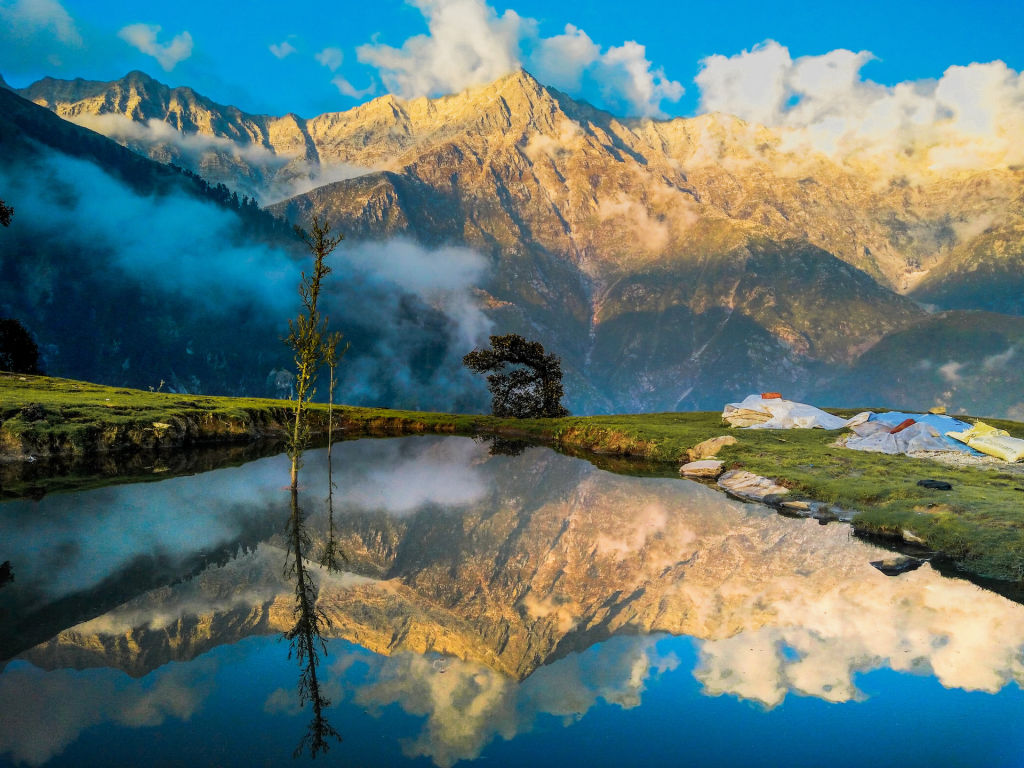
The temple can be visited throughout the year, but the post-monsoon and winter months from October to March offer the most comfortable weather and the clearest mountain views. During these months, the air is crisp, visibility across the Kangra Valley is high, and the snow-dusted peaks of the Dhauladhar range form a dramatic backdrop behind the temple spires.
Spring, running through April and early May, brings pleasant daytime temperatures, making it a good time for outdoor exploration before the summer heat settles in. The monsoon months between July and September bring heavy regional rainfall that turns the valley lush and green, but sudden showers and slick stone surfaces require caution. If you are keen on photography, arriving early in the morning or staying until late afternoon rewards you with warm, golden light reflecting off the sacred pond and the sandstone carvings.
How to Reach Masroor Rock Cut Temple
Masroor Rock Cut Temple is located in the Kangra district of Himachal Pradesh and is accessible by road from several major hubs in the region. The nearest substantial town is Kangra, which is well connected by road to Dharamshala, McLeod Ganj, Pathankot, and Chandigarh.
Travellers arriving by air can fly into the domestic airport at Gaggal near Kangra, followed by a scenic road drive to Masroor through rural countryside and pine-forested ridges. For those travelling by train, Pathankot is the nearest major broad-gauge railway station, from which buses and taxis run regularly into the Kangra Valley. Narrow-gauge mountain railway services also operate through Kangra district, offering a relaxed and picturesque journey through the foothills. Taxis and local buses from Kangra town are the most straightforward way to reach the temple complex.
Exploring the Temple and Its Surroundings
A visit to Masroor Rock Cut Temple is best experienced at an unhurried pace. Start by walking around the perimeter of the water tank to take in the complete silhouette of the temple against the sky. The steps around the pond provide quiet spots to sit and absorb the setting before heading up to the stone platform.
Climbing onto the main terrace allows you to inspect the surviving relief carvings up close. Look for the ornate doorframes, damaged pillar bases, and intricate ceiling medallions inside the central chamber. You can also explore the weathered staircases carved into the rock that lead toward the upper tiers of the complex, which offer wide views across the rural Kangra basin and the distant snowline. Birdwatchers will appreciate the quiet natural setting, where raptors and songbirds are often seen around the sandstone crags and adjacent farmland.
Places to Visit Near Masroor
A trip to Masroor pairs naturally with several other historical and natural landmarks across the Kangra Valley. Just a short journey away stands the formidable Kangra Fort, one of the oldest fortresses in the country, perched strategically on a high cliff above the Banganga and Manjhi rivers.
Further uphill lie McLeod Ganj and Dharamshala, famous for their vibrant Tibetan culture, monasteries, and bustling mountain markets. Outdoor enthusiasts can also plan excursions toward scenic high-altitude lakes and trailheads such as Dal Lake, Kareri Lake, and the approaches to Minkiani Pass along the Dhauladhar crest. Exploring the smaller village temples, tea gardens, and streams along the way provides a rich experience of rural Himachal Pradesh.
Practical Tips for Travellers
Because Masroor Rock Cut Temple is an active sacred monument as well as a protected archaeological site, visitors should dress modestly and respect local customs. You will be required to remove your footwear before entering the inner sanctum, so carrying a pair of thick socks is helpful during colder months when the stone platform can be chilly.
The terrain around the complex involves uneven stone paving, steep cut steps, and open terraces without high railings in some areas. Sturdy, comfortable walking shoes are essential. Facilities at the site are basic, so remember to carry drinking water and sun protection, especially if visiting in the warmer middle of the day. Entry guidelines and local ticketing requirements are managed on site, so check locally for the most current information upon arrival.
Where to Stay Near Masroor
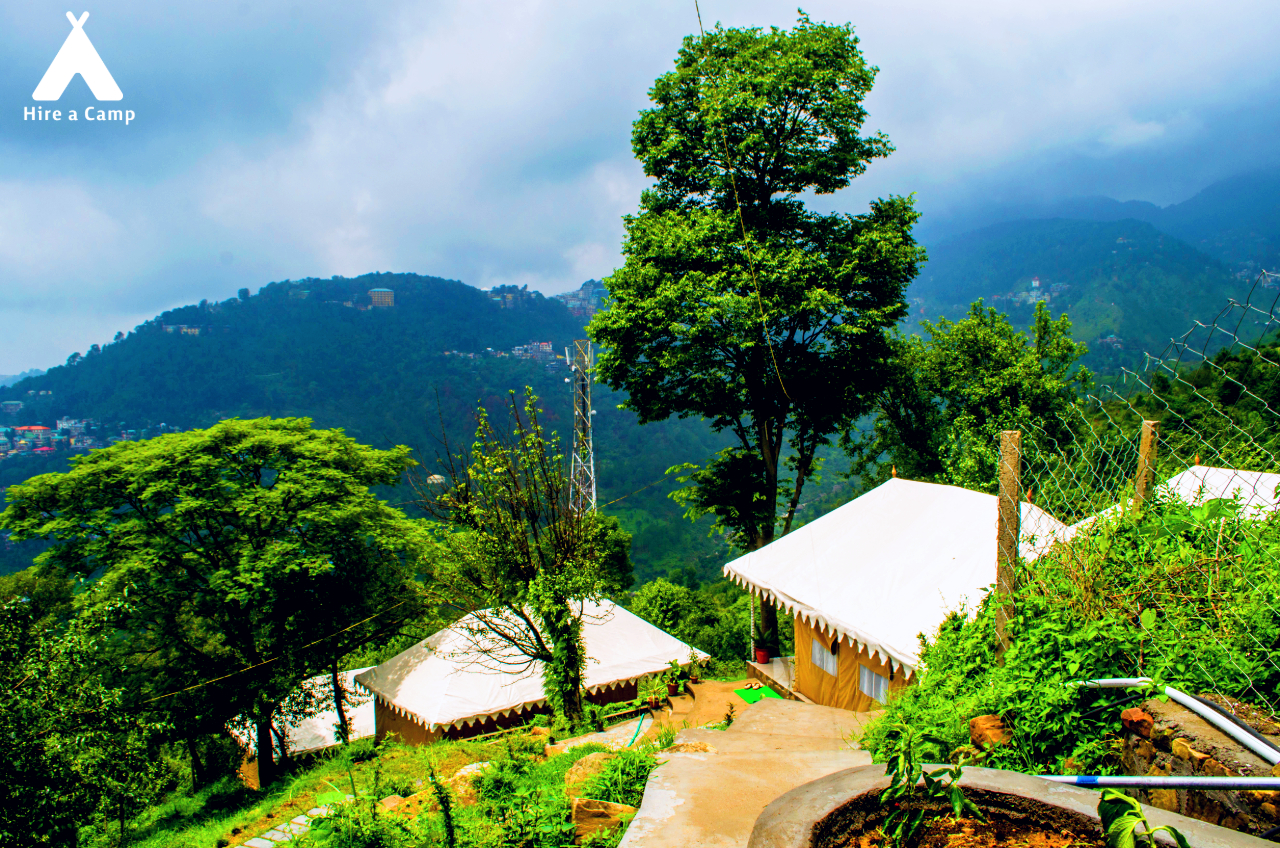
Most visitors base themselves in Kangra town, Dharamshala, or McLeod Ganj, all of which offer a diverse range of accommodations suited to different travel styles. Staying in Kangra gives you closer access to the temple and surrounding rural sights, while Dharamshala and McLeod Ganj provide cooler mountain air and wider dining and cultural options.
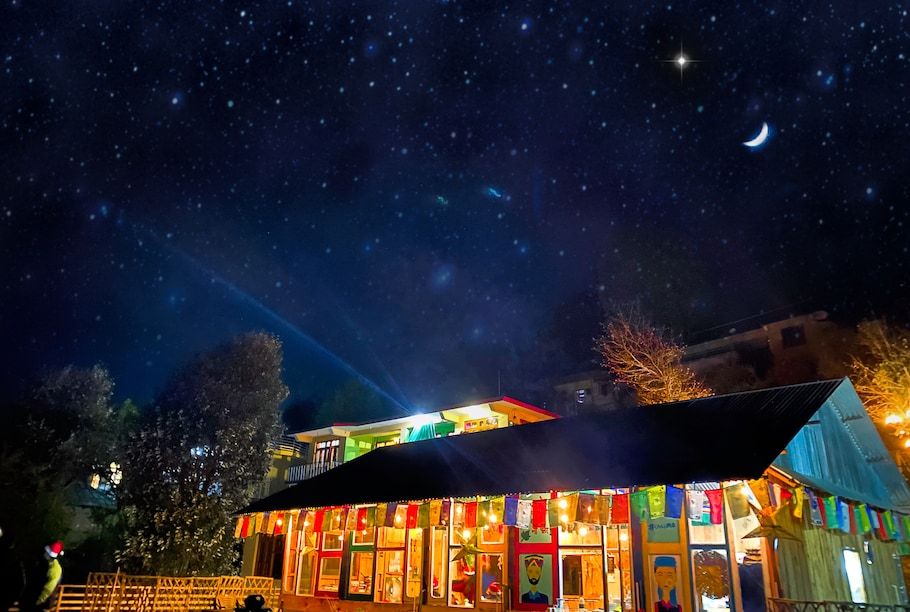
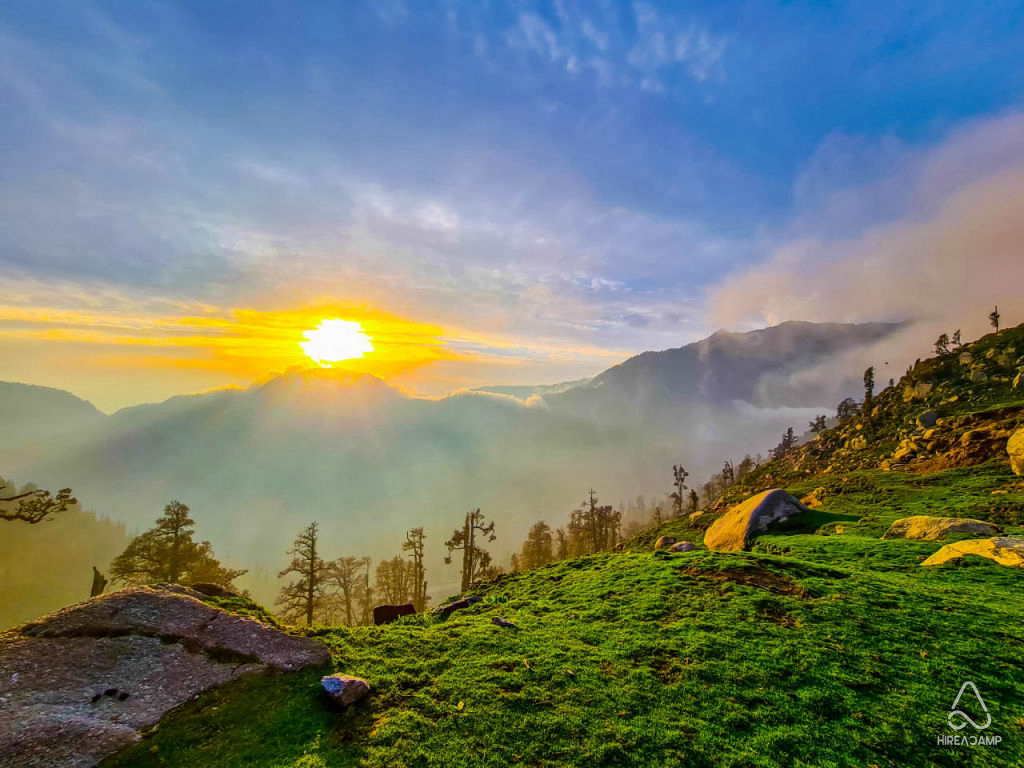
If you prefer nature-centric experiences, the surrounding valleys and foothills are home to peaceful riverside camps, traditional village homestays, and boutique cottages. You can discover and book verified homestays, nature retreats, and camping options across the Kangra Valley on HireACamp to make your heritage journey complete.
Frequently asked questions
What is Masroor Rock Cut Temple famous for?
Masroor Rock Cut Temple is celebrated for being one of the rare monolithic rock-cut temple complexes in northern India. Carved directly out of a natural sandstone ridge in the eighth century, it is famed for its intricate Nagara architecture and panoramic views of the Dhauladhar mountains.
How far is Masroor Rock Cut Temple from Kangra and Dharamshala?
The temple is located in Kangra district and can be reached by road from Kangra town and Dharamshala. Travel times vary depending on traffic and exact route, so it is best to check locally with drivers or transport operators before heading out.
Which deity is worshipped at Masroor Rock Cut Temple?
While the temple was historically dedicated to Shiva, Vishnu, Surya, and other deities, the main sanctum currently houses stone idols of Rama, Lakshmana, and Sita, who are regularly worshipped by visiting devotees.
Is Masroor Rock Cut Temple accessible for elderly travellers?
The base area and the edge of the sacred water tank are relatively easy to walk around. However, reaching the higher shrines and exploring the upper rock surfaces requires navigating uneven stone steps and rough surfaces, which may require extra care.
How much time is needed to explore Masroor Rock Cut Temple?
Most visitors spend between one and two hours exploring the shrines, examining the ancient carvings, walking around the sacred water tank, and taking photographs of the mountain scenery.
Where you'll be
Kangra · 4 stays nearby shown with prices
Stays near Masroor Rock Cut Temple
Book a place to stay close by
More places near Masroor Rock Cut Temple
Within 20 km


Built from 0 Instagram posts by 0 creators. Every tip links back to the post it came from, and where creators disagree we show both sides.


