
Tughlaqabad Fort
Fort near Tughlakabad, Delhi
700 m from Tughlakabad
The nearest town, for stays, food and fuel.
Built in the early fourteenth century by Ghiyas-ud-din Tughlaq, Tughlaqabad Fort is a colossal ruined fortress set along the southern rocky ridge of Delhi. Known for its massive stone battlements, sloping defensive walls, and rugged expanses, the site offers travellers a dramatic encounter with Delhi Sultanate military engineering. Visitors come to explore its elevated ramparts, walk the causeway to the founder's fortified mausoleum, and experience a quieter, wilder heritage landscape within the capital.
Getting there
By road
- From TughlakabadNearest town4 min · 900 m
- From New Delhi55 min · 19 km
- From Dehradun3 hr 40 min · 238 km
- From Jaipur4 hr 30 min · 290 km
Typical drive times without traffic. Stations and airports from OLA Maps; distances and typical drive times from OpenStreetMap (© OpenStreetMap contributors); notes from creators' Reels.
About Tughlaqabad Fort
Written with AI from map data and general knowledge. Check prices and timings locally before you go.
The history and origin of Tughlaqabad Fort
Tughlaqabad Fort was commissioned in 1321 by Ghiyas-ud-din Tughlaq, the founder of the Tughlaq dynasty of the Delhi Sultanate. Sensing recurring threats from Mongol invaders, the sultan intended to establish a fortified capital city that combined imperial splendour with uncompromising defensive might. The complex was designed as an enormous fortress-city spanning several kilometres across the rocky Aravalli outcrops of southern Delhi.
Despite the grandeur of its conception, the fortress had an unusually brief period of active imperial use. Legend attributes its downfall to a dispute between Ghiyas-ud-din Tughlaq and the revered Sufi saint Nizamuddin Auliya, who is said to have uttered a curse that the fort would remain desolate or inhabited only by nomadic pastoralists. Historical reality points towards severe water scarcity and strategic logistical challenges in maintaining such an expansive city. Following the death of the sultan and the succession of Muhammad bin Tughlaq, who eventually moved his court to nearby Adilabad and later Daulatabad, the fortress was largely abandoned to the elements.
Architecture and layout of the ruins
The architecture of Tughlaqabad Fort prioritises defensive utility over delicate ornamentation. The walls are constructed from rough local quartzite stone, standing tall with pronounced inward slopes known as battering. This sloping design lent structural stability to the soaring stone barriers and made them exceptionally difficult for siege forces to scale or undermine. Along the upper ramparts, circular bastions, crenellations, and arrow slits still reveal how archers guarded every approach.
Inside the perimeter, the complex was historically partitioned into three distinct sections: the residential city for common citizens, the fortified citadel (Bijai-Mandal), and the imperial palace area with royal apartments and granaries. While much of the residential quarters have eroded into rough mounds and thorn thickets over the centuries, the royal citadel still retains traces of high parapets, underground halls, and deep reservoirs carved into the rock.
Just across the main roadway, connected originally by a raised causeway that traversed an artificial lake, lies the tomb of Ghiyas-ud-din Tughlaq. Constructed with red sandstone and white marble trim, this pentagonal outwork features sloping walls, arched openings, and a domed chamber housing the cenotaphs of the sultan and his family.
Read more
Best time to visit Tughlaqabad Fort
Delhi experiences distinct seasons, ranging from blistering summer heat to cool winter weather. The best time to visit Tughlaqabad Fort is between October and March, when daytime temperatures are pleasant and conducive to outdoor walking. During these months, mornings and late afternoons provide soft light that accentuates the texture of the weathered stonework.
Visiting during peak summer, from late April through June, can be strenuous due to extreme daytime heat. The fort features very little natural shade across its expansive rocky plateaus, and stone paths absorb heat quickly. If visiting during warmer months, planning a trip during the earliest available morning hours is advisable. The monsoon season from July to September brings humidity, but it also coats the scrubby landscape in vibrant green moss and foliage, creating atmospheric contrast against the dark quartzite rocks.
How to reach Tughlaqabad Fort
Tughlaqabad Fort is located along the Mehrauli-Badarpur Road in South Delhi, near Kotla Mahigiran. It is well connected to central and southern parts of the National Capital Region by road and public transit. Travellers arriving from central transit points like Connaught Place can reach the site by road, which typically takes around forty-five minutes to an hour depending on city traffic.
The Delhi Metro network provides straightforward access to the area. Stations on the Violet Line and Yellow Line serve as practical transit points, from where auto-rickshaws or app-based taxis can complete the final leg of the journey to the fort entrance. For those navigating by car or hired taxi, parking is generally available near the ticket counter and mausoleum entrance along the main roadway.
Tips for your visit
Tughlaqabad Fort is far less manicured than popular tourist gardens in central Delhi. The ground is rocky, uneven, and scattered with loose gravel, thorny scrub, and wild vegetation. Wearing sturdy walking shoes or hiking trainers with good grip is essential for climbing the bastions and navigating the interior trails safely.
Carry adequate drinking water, sunscreen, and a hat, especially on bright days, as drinking water facilities within the sprawling ruin grounds are limited. Keep an eye out for resident troops of rhesus macaque monkeys that roam the ramparts; avoid carrying open food in hand, and maintain a respectful distance. Because cell reception can sometimes be inconsistent across the lower sunken ruins, visitors travelling in groups should agree on a common meeting point near the main entrance.
Places to visit nearby
A trip to Tughlaqabad Fort can easily be combined with visits to several prominent historical and cultural sites located across South Delhi. Just across the road lies Adilabad Fort, a smaller fortification constructed by Muhammad bin Tughlaq that mirrors the structural style of the main complex and sees very few visitors.
Roughly four kilometres north sits the Bahá’í Lotus Temple, admired globally for its marble petal architecture and serene meditation hall. Heading westward, the Qutab Minar complex and the expansive Mehrauli Archaeological Park are situated about eight kilometres away, offering dense clusters of Sultanate-era and Mughal tombs. Nature lovers can head towards The Garden of Five Senses or Sunder Nursery and Humayun’s Tomb, all within an eight to ten kilometre radius.
Where to stay near Tughlaqabad Fort
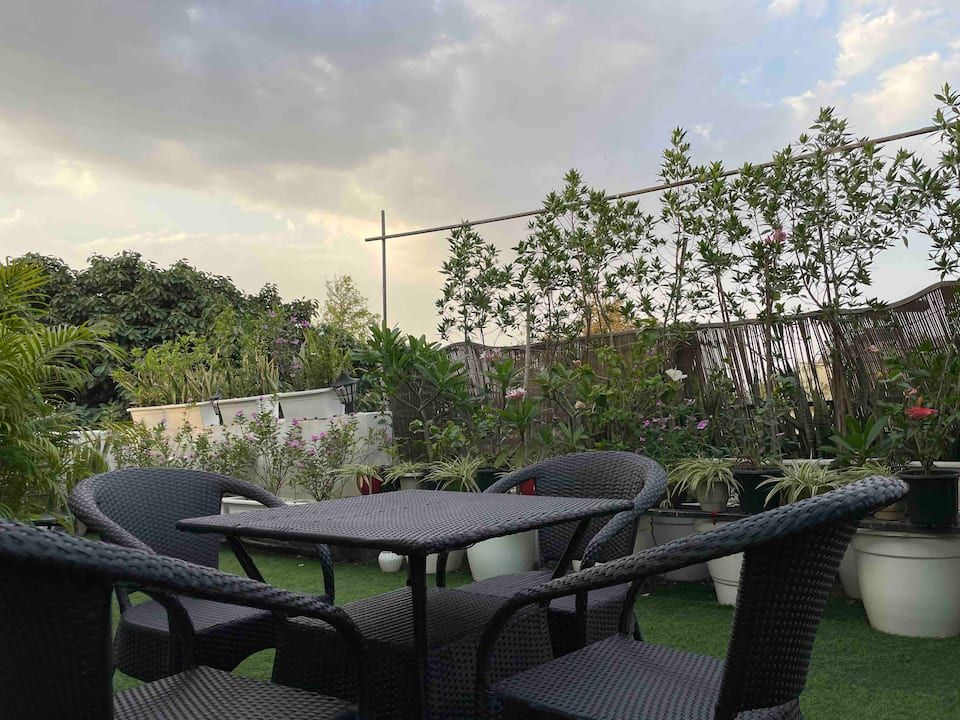
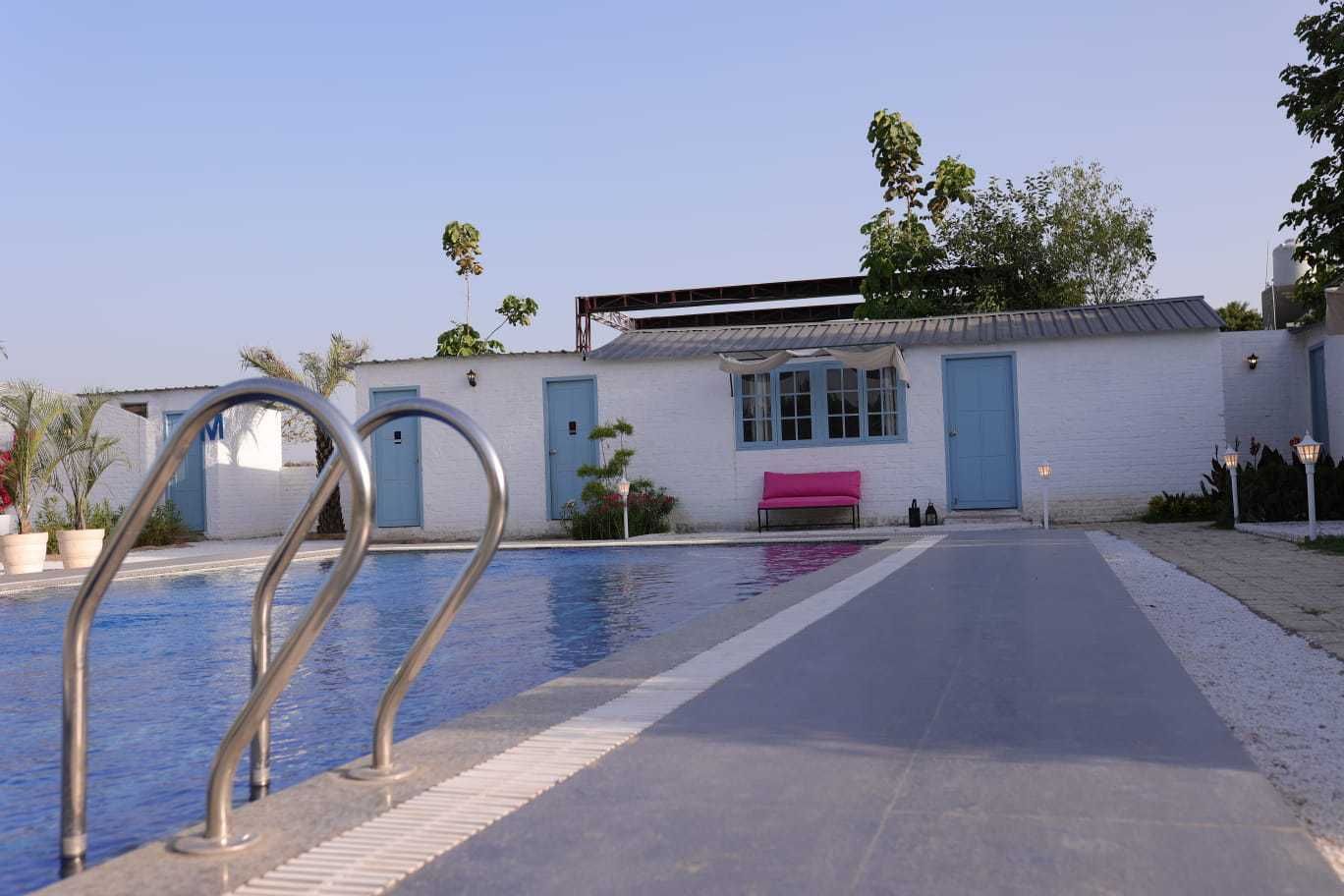
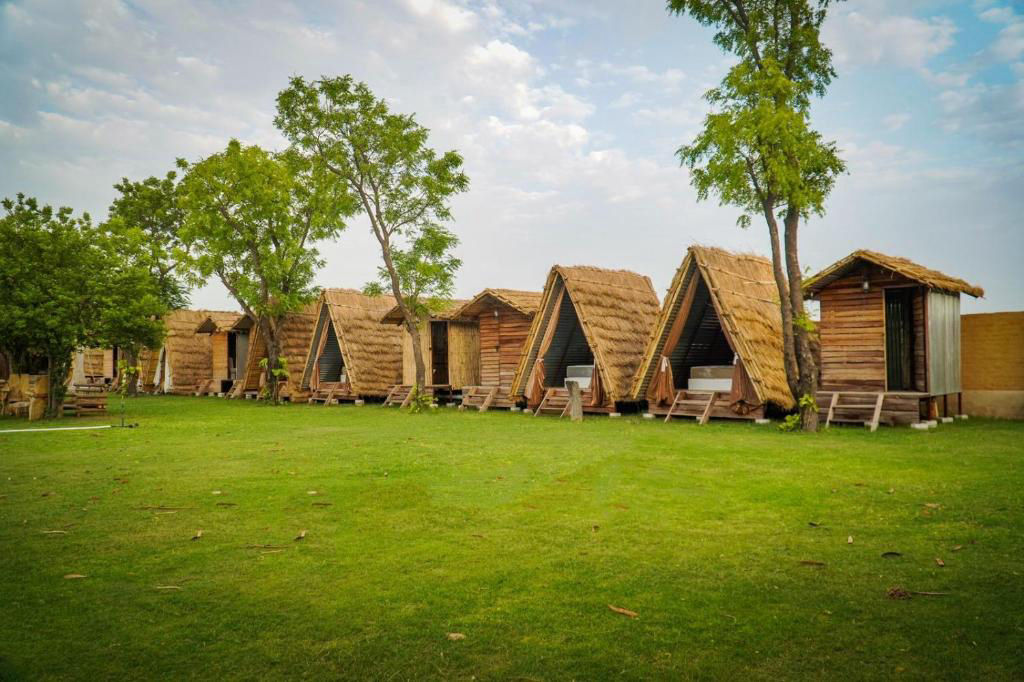
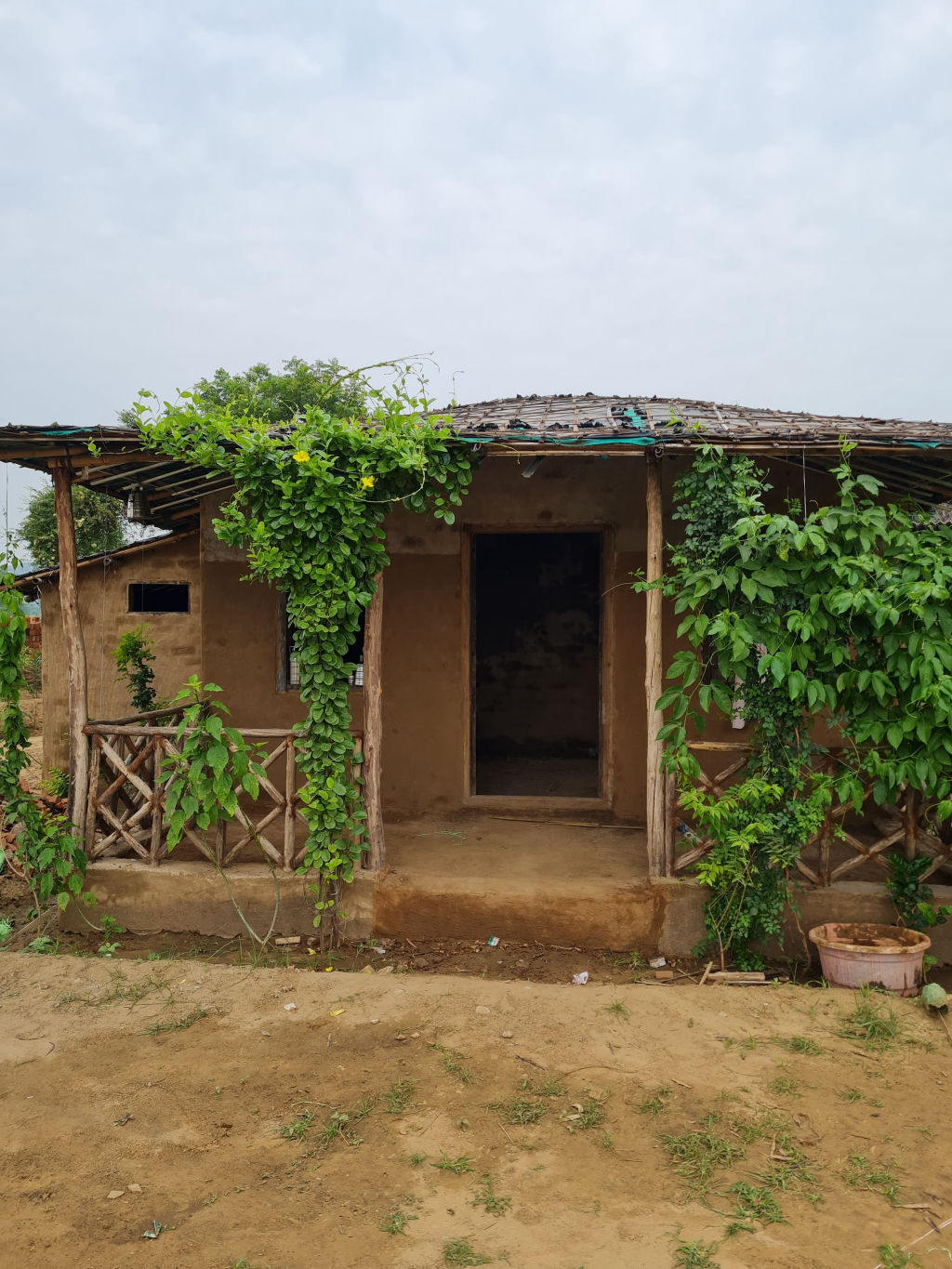
Visitors planning a stay close to South Delhi's heritage corridor will find diverse accommodation choices spread across neighbouring residential and commercial sectors. Options range from boutique urban homestays and heritage-style guesthouses to peaceful bed-and-breakfasts nestled in South Delhi’s leafier neighbourhoods.
For travellers seeking characterful lodgings, homestays, or outdoor stays within reachable distance of Delhi's prominent monuments, browse the curated property listings available on HireACamp.
Frequently asked questions
Why was Tughlaqabad Fort abandoned?
The fort was abandoned shortly after its construction due to severe regional water shortages, strategic military redeployments, and the eventual transfer of royal residence by Ghiyas-ud-din Tughlaq's successor.
How much time is required to see Tughlaqabad Fort?
Most visitors spend between two and three hours exploring the main citadel, ramparts, and the detached mausoleum complex across the roadway.
Is Tughlaqabad Fort wheel-chair accessible?
Due to rocky terrain, unpaved pathways, steep stone stairs, and ruined battlements, Tughlaqabad Fort is generally difficult for visitors with limited mobility to navigate beyond the entry area.
Are food stalls available inside Tughlaqabad Fort?
There are no formal dining facilities inside the fort complex, so travellers are advised to carry their own water and light refreshments, and check locally for tea stalls along the main road.
Where you'll be
Delhi · 4 stays nearby shown with prices
Stays near Tughlaqabad Fort
Book a place to stay close by
More places near Tughlaqabad Fort
Within 20 km


Lists for this area
Ranked by how many creators recommend each place


Built from 0 Instagram posts by 0 creators. Every tip links back to the post it came from, and where creators disagree we show both sides.






