
Gorakhgad Fort
Fort near Gorakhgad, Maharashtra
1 post
Guide from 1 post by 1 creator
@sankhe_teju
100 m from Gorakhgad
The nearest town, for stays, food and fuel.
Gorakhgad Fort is an ancient hill fortress in Maharashtra, known across the Sahyadri range for its sheer vertical pinnacles and rock-cut climbing trail. Perched amid dense deciduous forests near the base village of Dehri, the fort attracts trekkers, history enthusiasts, and nature lovers seeking sweeping mountain views. Visitors make the climb to explore its ancient meditation caves, water cisterns, and the steep rock steps leading to its uppermost viewpoint.
Getting there
By road
- From Mumbai 2 hr 45 min · 119 km
- From Nashik2 hr 55 min · 142 km
- From Pune3 hr 25 min · 155 km
- From Bhimashankar3 hr 45 min · 143 km
By train, bus or air
- Panvel MSRTC Bus DepotNearest bus stand1 hr 20 min · 82 km
- DB Patil International AirportNearest airport1 hr 30 min · 87 km
Typical drive times without traffic. Stations and airports from OLA Maps; distances and typical drive times from OLA Maps and OpenStreetMap (© OpenStreetMap contributors); notes from creators' Reels.
About Gorakhgad Fort
Written with AI from creators' posts and map data. Check prices and timings locally before you go.
About Gorakhgad Fort
Gorakhgad Fort stands as a dramatic natural rock tower in the rugged Western Ghats of Maharashtra. Named after Saint Gorakhnath, who is believed to have engaged in ascetic meditation in the caves carved along its slopes, the fort has deep ties to regional spirituality and medieval defense. During the reign of the Maratha Empire and earlier dynasties, Gorakhgad functioned primarily as a military watchtower rather than a residential citadel, monitoring movements along strategic trade routes linking the Konkan coast to the Deccan plateau.
The hill shares its immediate geography with the adjacent Machindragad peak, forming a distinct twin-citadel visual profile against the skyline. Despite centuries of weathering, the fort retains remnants of carved stone steps, defensive ramparts, multiple perennial water tanks, and broad cave shelters capable of accommodating hikers. The summit offers an unbroken 360-degree vantage point overlooking surrounding valleys, forested slopes, and neighboring Sahyadri peaks.
The Trek to Gorakhgad
The trek to Gorakhgad Fort is widely recognized for offering a balanced mix of forested trails, rock-cut architecture, and a steep final ascent. The route begins near the village base and gradually winds upward through a shaded forest stretch filled with dry deciduous trees and seasonal streams. This initial segment is relatively gentle, bringing walkers to an open plateau below the towering stone monolith where a small temple and greeting arch welcome visitors.
From the plateau, the trail transforms into an adventurous ascent carved directly into the basalt rock. Trekkers navigate flights of rock-cut steps embedded with natural handholds and footholds. Midway up the rocky face lies a prominent cavern complex where saintly disciples and garrison guards once rested. The ultimate push toward the tiny temple at the summit requires careful balance across near-vertical steps carved along the ridge edge, offering exhilarating exposure and unmatched views of the Konkan plains.
Read more
Best Time to Visit Gorakhgad
The ideal period to climb Gorakhgad Fort spans from October through February. During the post-monsoon and winter months, daytime temperatures remain moderate, humidity drops significantly, and the atmosphere provides sharp visibility across the surrounding Sahyadri ridgeline. Clear skies make navigating the exposed rock steps significantly safer than during intense rainfall.
While the monsoon months from July to September carpet the entire hillside in verdant green moss, mist, and cascading waterfalls, they also present slippery conditions. The steep, polished stone steps can become hazardous when wet or during heavy rainstorms, so climbing to the highest pinnacle in peak monsoon is best reserved for experienced and well-equipped trekkers. Summer, stretching from March to May, brings intense heat and dry conditions, making daytime trekking strenuous and exhausting.
How to Reach Gorakhgad Fort
Gorakhgad Fort is accessible by road from major cities in western India, making it a viable destination for day trips and weekend escapes. From Mumbai, the journey covers roughly 119 kilometers and takes around 2 hours and 50 minutes under typical traffic conditions. Drivers can navigate via Kalyan and Murbad towards the rural roads approaching the base village.
From Nashik, the fort lies approximately 142 kilometers away, requiring an estimated drive time of about 2 hours and 50 minutes through picturesque mountain roads. Pune is situated around 155 kilometers to the south, with an average driving time of roughly 3 hours and 20 minutes. Travelers originating from Surat will need to cover around 307 kilometers, which generally takes about 7 hours and 10 minutes by car. For public transit users, regular state transport buses and local shared vehicles operate from Kalyan and Murbad toward the trail base.
Places to Visit Nearby
The geographical corridor surrounding Gorakhgad is rich with trekking destinations, reservoirs, and natural landmarks. Just 22 kilometers away lies Kothaligad, another historic hill fort famous for its funnel-shaped rock-cut chimney and circular staircase. Further eastward lies Malshej Ghat, located about 30 kilometers away, renowned for its dramatic mountain pass, sheer cliffs, and seasonal monsoon cloud covers.
Trekkers looking to explore longer Sahyadri trails can head toward Harishchandragad, approximately 33 kilometers away, celebrated for its legendary Konkan Kada cliff and ancient temple architecture. Garbett Plateau sits roughly 36 kilometers away, offering broad panoramic views over Matheran's outer ridges, while Sondai Fort is about 38 kilometers in distance. Nature lovers can also venture toward Ambit Dam, the picturesque Vasundhara Waterfall in the Bhandardara region, or the rugged canyons of Sandhan Valley, both situated around 39 kilometers away.
Tips for Your Visit
Preparation is key when ascending Gorakhgad Fort due to the steep, exposed nature of the upper rock sections. Wear hiking shoes that offer dependable traction on smooth basalt rock. Carrying a personal supply of at least two to three liters of drinking water is strongly advised, as sources on the mountain are untended natural cisterns.
Begin the trek early in the morning to finish the steepest sections before midday sun intensifies. Pack light, keep your hands free during the scramble sections by using a snug backpack, and exercise extreme caution when taking photographs near cliff edges. Avoid littering, carry all plastic wrappers back down to the village, and check locally regarding trail safety or weather conditions before starting your hike.
Where to Stay near Gorakhgad
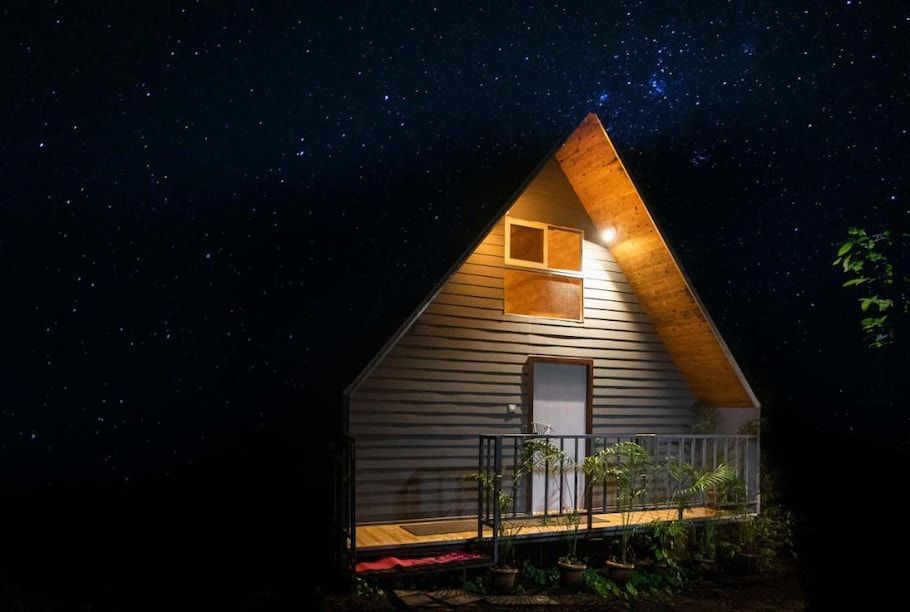
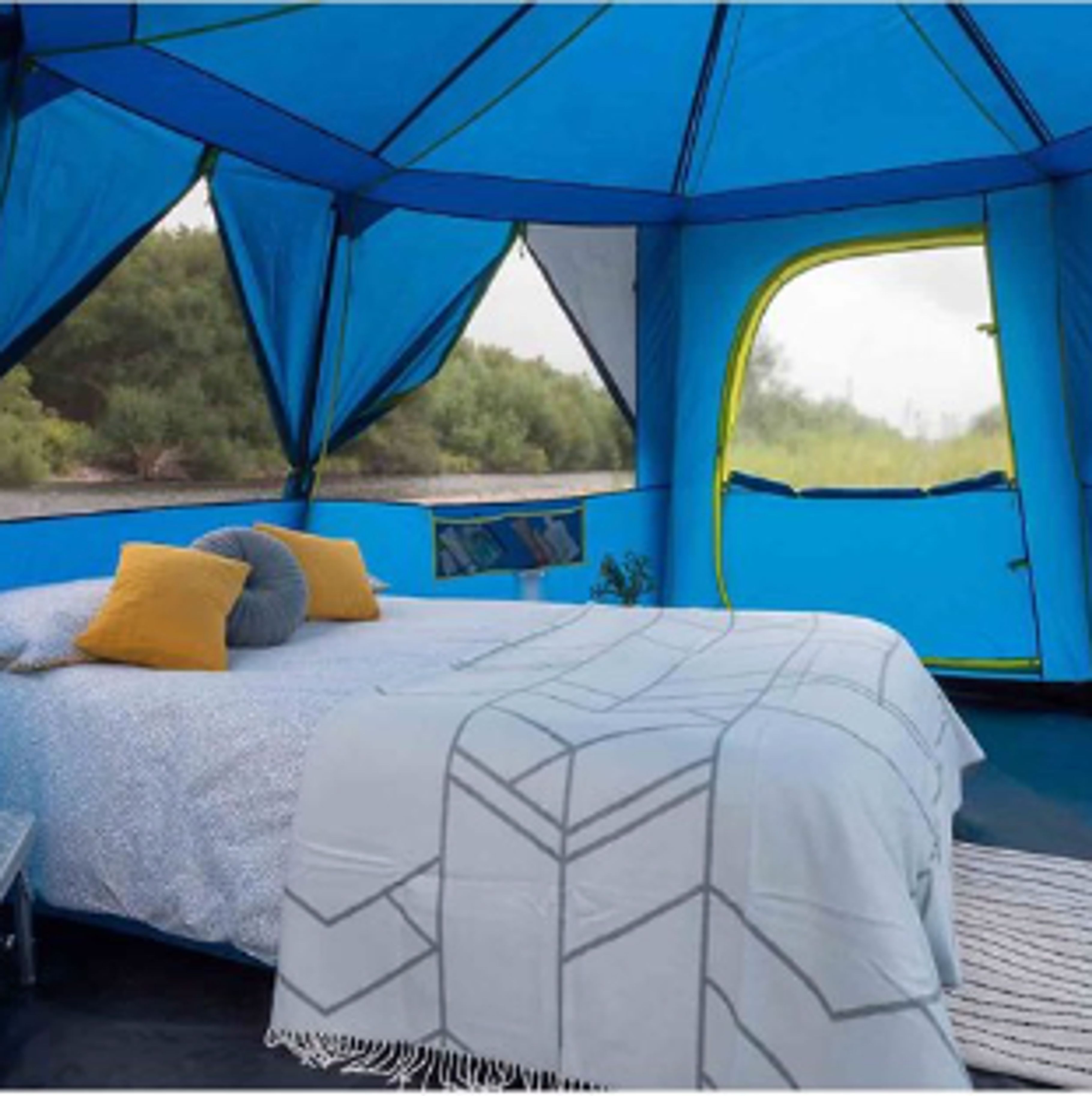
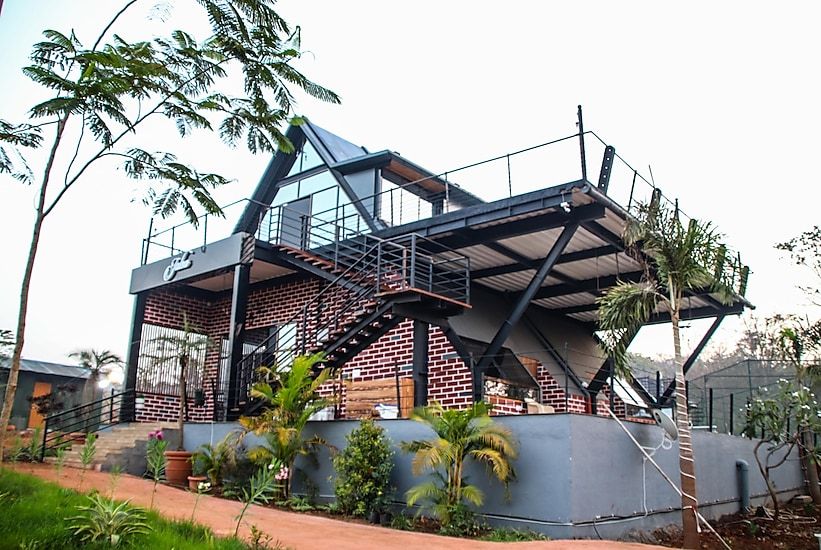
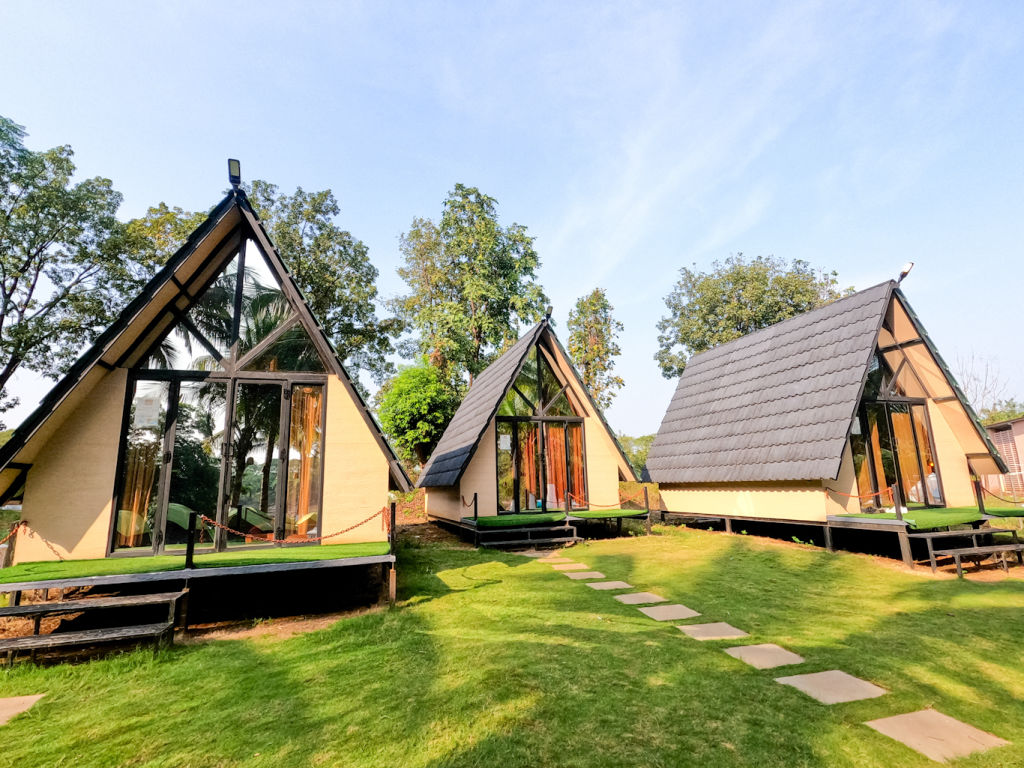
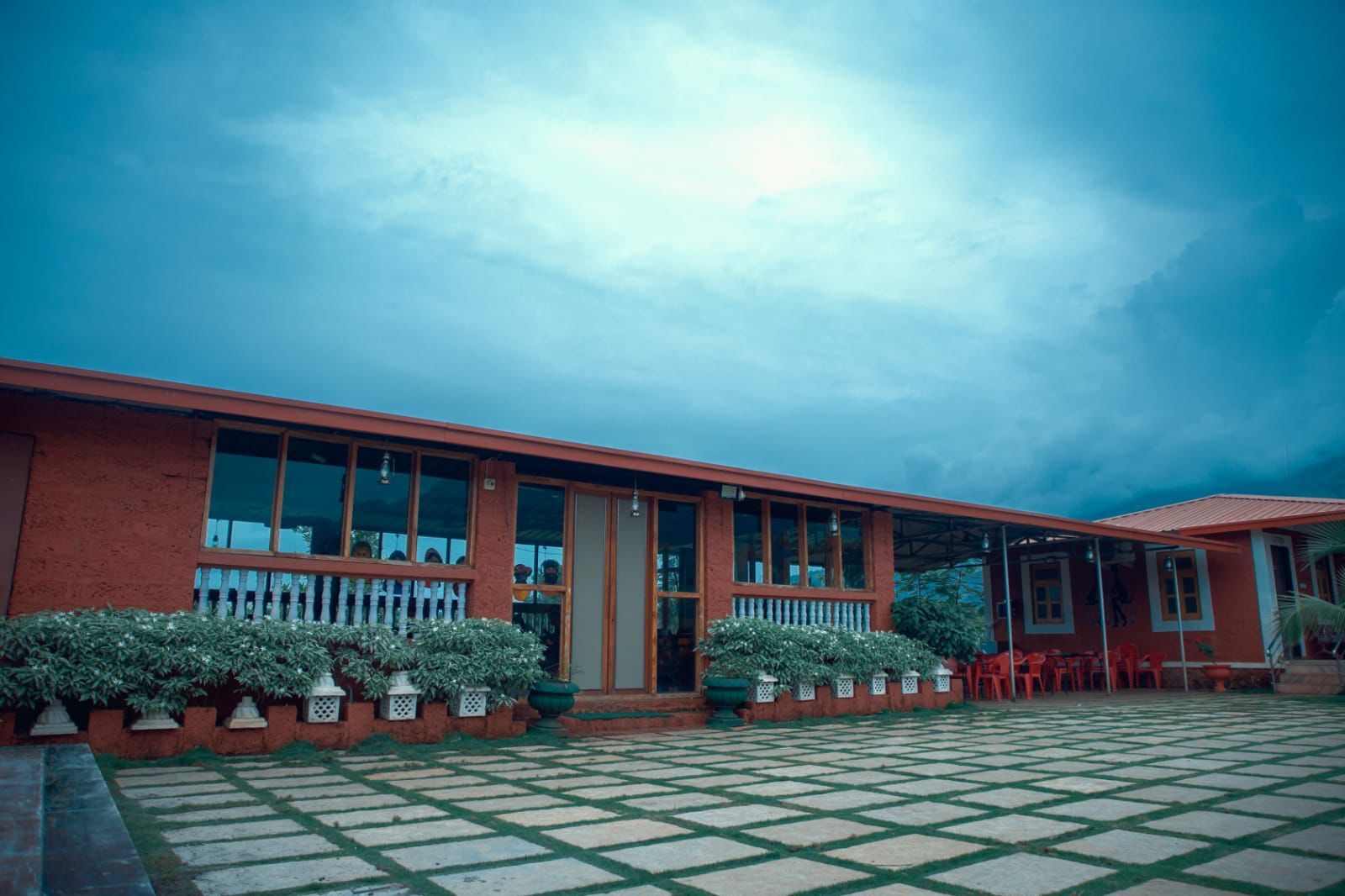
Travelers planning an overnight getaway around Gorakhgad Fort will find several scenic options in the surrounding rural belts and nearby valley towns. Many outdoor lovers choose to pitch tents on designated camping grounds in the foothills, enjoying quiet nights under starlit skies after a full day on the trail.
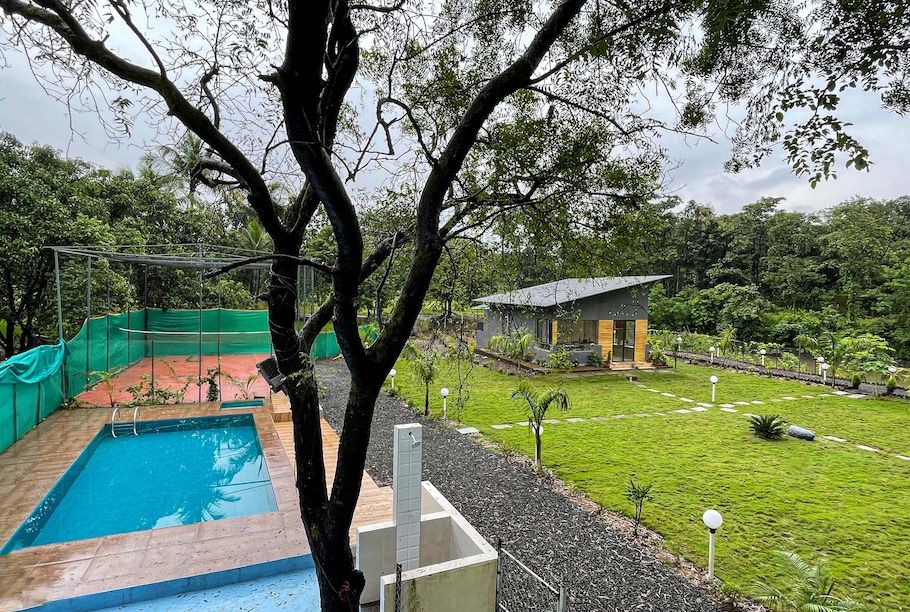
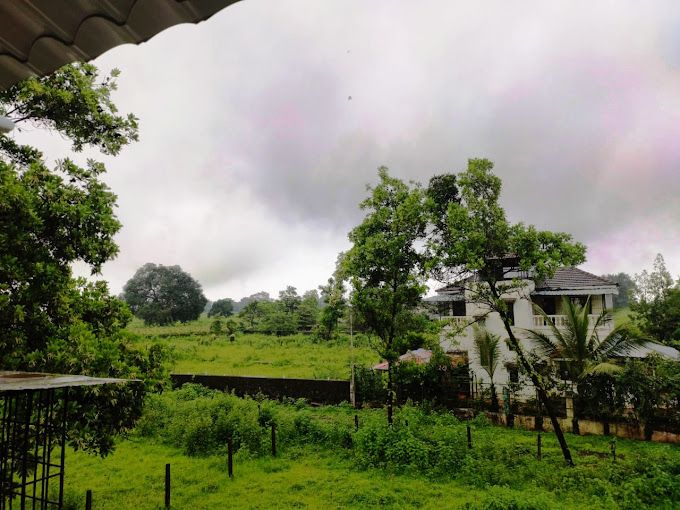
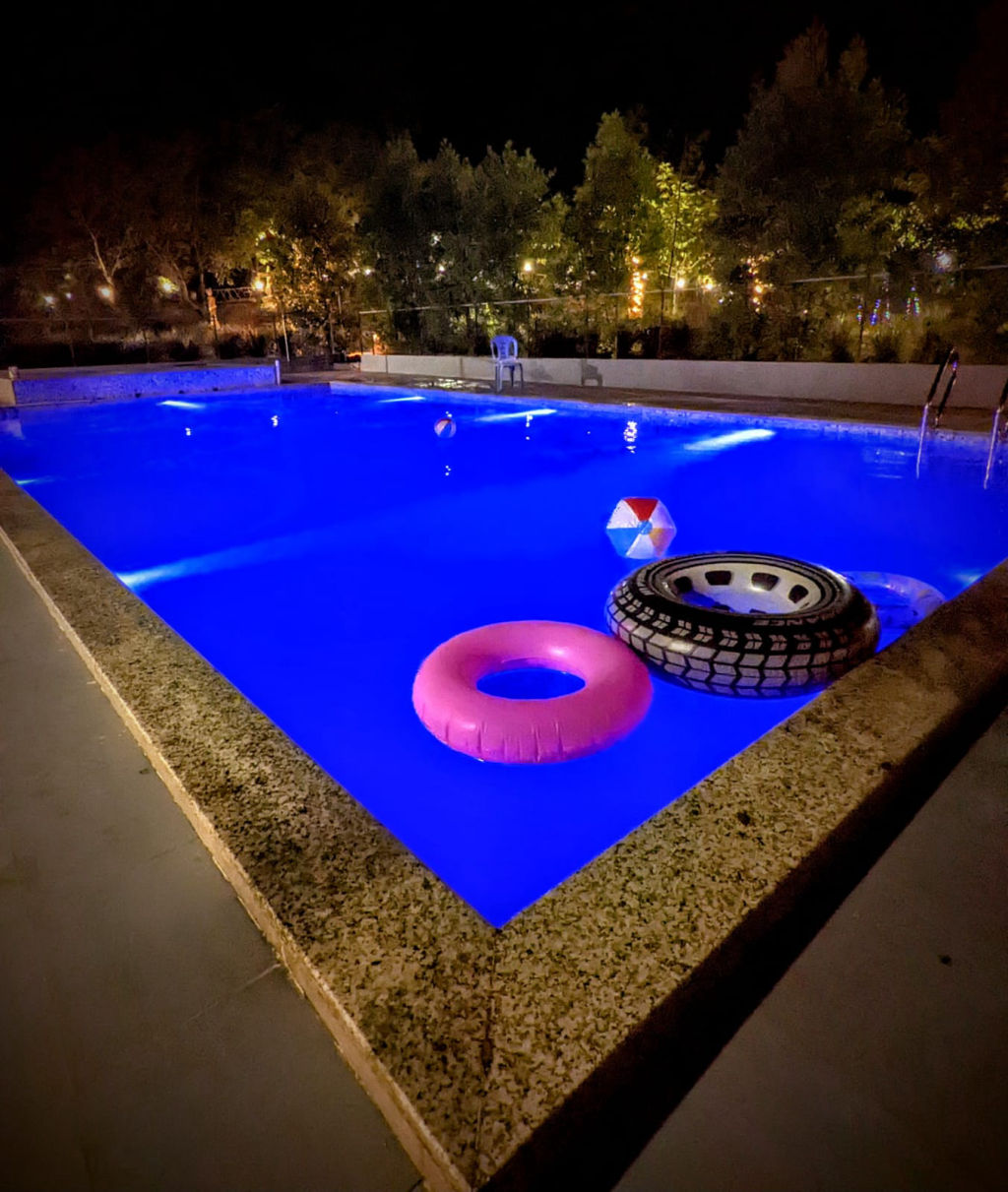
Traditional homestays and rural retreats run by regional hosts are available in neighboring villages, offering home-cooked regional meals and a glimpse into countryside life. You can explore and book verified campsites, peaceful nature stays, and comfortable local homestays around the region directly on HireACamp.
Frequently asked questions
How difficult is the Gorakhgad Fort trek?
The trek is generally considered moderate in endurance but features technical and steep rock-cut stairs near the summit. The upper stretch demands good footing, a steady head for heights, and careful navigation.
Can beginners climb Gorakhgad Fort?
Beginners with standard physical fitness can comfortably hike up to the caves. However, ascending the exposed final pinnacle requires caution, proper footwear, and ideally the company of an experienced hiker.
Is drinking water available on top of Gorakhgad?
While the fort contains ancient rock-cut water cisterns, the water may not be filtered or safe for drinking. It is best to carry sufficient bottled water from the base village for the entire trek.
Can you stay inside the caves at Gorakhgad Fort?
The large cave below the pinnacle can provide shelter from wind and rain, and hikers sometimes rest there. For organized overnight accommodation with basic comforts, travelers should arrange homestays or campsites at the base through HireACamp.
Is Gorakhgad Fort safe during the monsoon season?
The initial trail is accessible during the monsoon, but the steep rock-cut steps become slick when wet, making the final summit push hazardous. Trekkers should check local weather updates and avoid climbing in heavy downpours.
Where you'll be
5GRR+V5R, Gorakhgad, Maharashtra 421401 · 8 stays nearby shown with prices
As seen on Instagram
The posts this guide is built from
Stays near Gorakhgad Fort
Book a place to stay close by
More places near Gorakhgad Fort
Within 20 km


Lists for this area
Ranked by how many creators recommend each place


Built from 1 Instagram post by 1 creator. Every tip links back to the post it came from, and where creators disagree we show both sides.


