
Siddhagad Fort
Fort near Ahupe, Maharashtra
6.2 km from Ahupe
The nearest town, for stays, food and fuel.
Siddhagad Fort is a historic hill fortress situated in the Western Ghats near Murbad in Maharashtra. Rising dramatically above the surrounding valleys, the fort is renowned for its scenic trekking routes, sprawling plateau, and rich heritage tied to the Indian freedom struggle. Trekkers and nature lovers visit Siddhagad to experience its rugged trails, ancient rock-cut structures, and expansive views across the Sahyadri ranges.
Getting there
By road
- From AhupeNearest town32 min · 13 km
- From Pune3 hr 30 min · 129 km
- From Nashik4 hr 35 min · 188 km
- From Mumbai 4 hr 50 min · 238 km
Typical drive times without traffic. Stations and airports from OLA Maps; distances and typical drive times from OpenStreetMap (© OpenStreetMap contributors); notes from creators' Reels.
About Siddhagad Fort
Written with AI from map data and general knowledge. Check prices and timings locally before you go.
About Siddhagad Fort
Siddhagad Fort stands tall as one of the prominent hill forts in the Thane district of Maharashtra, nestled in the rugged Murbad taluka. Perched against the dramatic backdrop of the Western Ghats, this fortress offers panoramic views of neighboring peaks, including Gorakhgad and the distant ridges of Bhimashankar and Harishchandragad. The mountain itself has a commanding presence, characterized by steep vertical cliffs, a broad mid-level plateau, and an upper citadel that looks out across vast forested plains.
For trekking enthusiasts across Maharashtra, Siddhagad represents a classic Sahyadri expedition. Unlike smaller hillocks in the region, Siddhagad requires a solid commitment of time and energy to ascend. The trek winds through dense secondary forests, rocky outcrops, and seasonal streams before opening onto the serene settlement of Siddhagadwadi on the plateau, offering visitors a peaceful glimpse into rural mountain life framed by towering basalt crags.
The Trekking Trail and Fort Features
The ascent to Siddhagad Fort typically begins from the village of Narivali, located at the base of the mountain near Murbad. From Narivali, the trail passes through rural farmland before diving into a shaded forest stretch. The initial part of the trek involves a steady uphill walk through rocky paths and scrubland, gradually gaining altitude until reaching Siddhagadwadi. This plateau hamlet serves as an ideal rest stop where trekkers can pause under ancient banyan trees and replenish their energy.
Beyond Siddhagadwadi lies the more demanding climb to the upper citadel, or Balekilla. This stretch requires navigating steep terrain, narrow ledges, and ancient rock-cut steps etched directly into the cliff face. Along the way and at the top, remnants of the fort's storied past reveal themselves: old water cisterns carved into the rock, stone fortifications, collapsed bastions, and the samadhi shrines honoring historical figures. From the highest bastion, trekkers are rewarded with uninterrupted views stretching across the Murbad valley and the neighboring fortress of Gorakhgad.
Read more
Historical Significance of Siddhagad
Siddhagad holds a distinct place in Maharashtra's regional and national history. While hill forts across the Western Ghats are commonly associated with the Maratha Empire and medieval battles, Siddhagad also played an important role in India's struggle for independence. The fort and its dense surrounding forests served as an underground sanctuary for freedom fighters seeking refuge from colonial authorities.
During the Quit India Movement in the early 1940s, prominent revolutionaries, including Bhai Kotwal and Hiraji Patil, established an operational base in the remote valleys around Siddhagad. They organized resistance operations from these rugged heights before laying down their lives in an encounter with colonial police near the base of the fort. Today, memorial shrines and plaques near Siddhagad commemorate their bravery, making a journey to the fort an educational pilgrimage in addition to an outdoor adventure.
Best Time to Visit Siddhagad
The best time to visit Siddhagad Fort is between October and February, during the post-monsoon and winter seasons. Following the monsoon rains, the entire landscape surrounding Murbad is vibrant and green, with seasonal waterfalls trickling down the cliff faces and clear skies offering magnificent views from the summit. The winter months bring cooler morning temperatures, comfortable daytime conditions, and lower humidity, making the steep ascent far more enjoyable.
The monsoon season, spanning from late June to September, transforms Siddhagad into a mist-shrouded wonderland with cascading streams and lush foliage. However, torrential rains can make the upper sections of the trail slippery, and dense fog frequently obscures the cliff edges and distant panoramas. The summer months from March to May are generally dry and hot, with temperatures soaring significantly during the day, making an ascent strenuous unless undertaken in the very early hours before dawn.
How to Reach Siddhagad Fort
Siddhagad Fort is accessible by road from major cities in Maharashtra, including Mumbai and Pune. The nearest prominent transit hub is Kalyan, which is well-connected by local and long-distance trains. From Kalyan, state transport buses and shared vehicles travel regularly to the town of Murbad. From Murbad, local buses or private auto-rickshaws and jeeps can be hired to reach the base village of Narivali.
Travelers driving their own vehicles from Mumbai can follow the road towards Kalyan and proceed along the highway towards Murbad before turning onto rural routes leading to Narivali. Visitors traveling from Pune can take the road via Junnar or navigate via Karjat and Murbad, enjoying scenic countryside drives along the way. While the approach roads through rural Murbad are generally motorable, conditions can vary following heavy rain, so driving cautiously on village roads is advisable.
Tips for Your Visit to Siddhagad
Because Siddhagad is a moderately challenging trek with steep vertical sections near the upper citadel, proper preparation is essential. Sturdy trekking shoes with good grip are crucial, particularly on the loose gravel and exposed stone steps leading past Siddhagadwadi. Hikers should carry at least two to three liters of drinking water, energy snacks, and basic first-aid supplies, as commercial stalls are nonexistent once you leave the base village.
Starting the climb early in the morning allows you to tackle the most strenuous sections before the midday heat sets in. If visiting during or just after the rainy season, a waterproof rain jacket or poncho is recommended to protect gear from sudden downpours. Visitors are also urged to respect the peaceful mountain hamlet of Siddhagadwadi and the natural environment by carrying all non-biodegradable waste back down to the plains and leaving historical ruins undisturbed.
Places to Visit Nearby and Where to Stay
The region around Siddhagad is packed with outdoor and cultural destinations that make for an extended weekend itinerary. The striking, pinnacle-like fortress of Gorakhgad stands only a short distance away and is often combined with Siddhagad by experienced trekkers. Further along the mountain roads lies Malshej Ghat, famous for its dramatic cloud cover, deep valleys, and roadside waterfalls, as well as the historic temples and towering cliffs of Harishchandragad and Jivdhan Fort.
When planning an overnight getaway, camps, homestays and other stays nearby can be found on HireACamp. Staying in the serene countryside around Murbad or near the foothills of the Sahyadris offers a peaceful base to relax after completing your trek, allowing you to immerse yourself in the natural rhythms of rural Maharashtra.
Frequently asked questions
How difficult is the trek to Siddhagad Fort?
The trek is generally considered moderate in difficulty. While the trail up to the village plateau is straightforward, the climb from the hamlet to the upper citadel involves steep ascents, rocky patches, and narrow stone steps that require careful footing.
Where does the trek to Siddhagad start?
The trek begins at Narivali village near Murbad. From the base, a well-defined forest trail leads up to the hamlet of Siddhagadwadi before continuing toward the summit.
Can Siddhagad Fort be visited in the monsoon?
Yes, Siddhagad can be visited during the monsoon when the landscape turns lush green and waterfalls are active. However, trekkers should exercise caution, as rain can make the rock-cut steps slippery and thick fog can reduce visibility near the cliffs.
Is drinking water available on Siddhagad Fort?
There are water cisterns on the fort and wells in the mid-plateau village of Siddhagadwadi, but water quality is not guaranteed year-round. It is strongly recommended to carry adequate drinking water from the base.
How far is Siddhagad Fort from Murbad?
Siddhagad Fort is located within the Murbad taluka, with its base village of Narivali situated a short drive away from Murbad town via local countryside roads.
Where you'll be
Narivali, Murbad · 6 stays nearby shown with prices
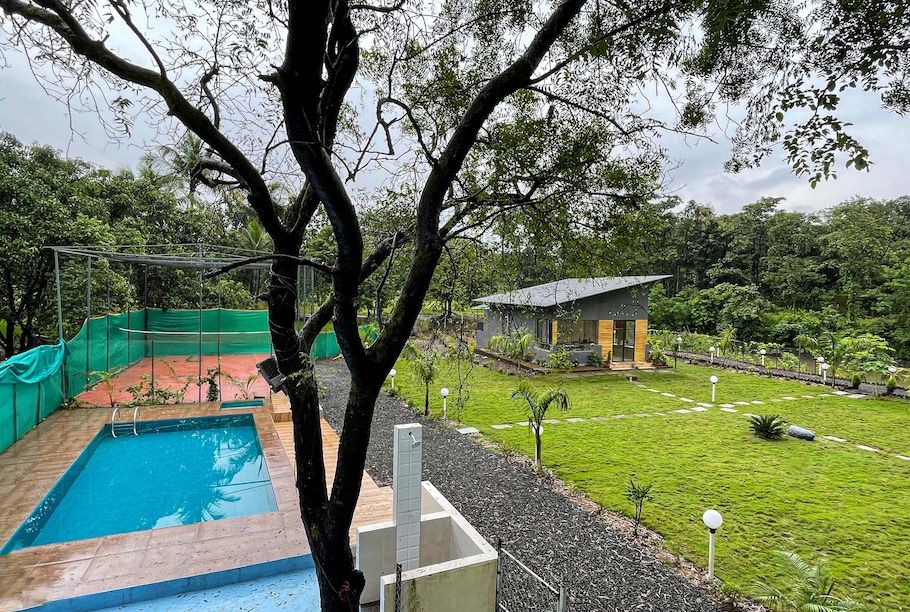
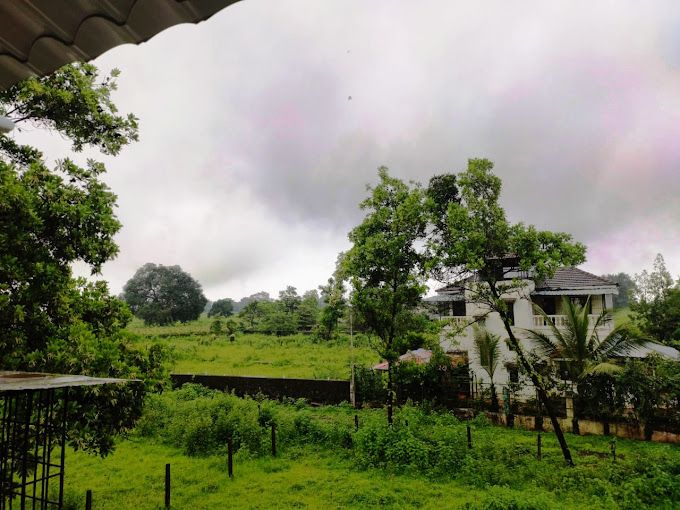
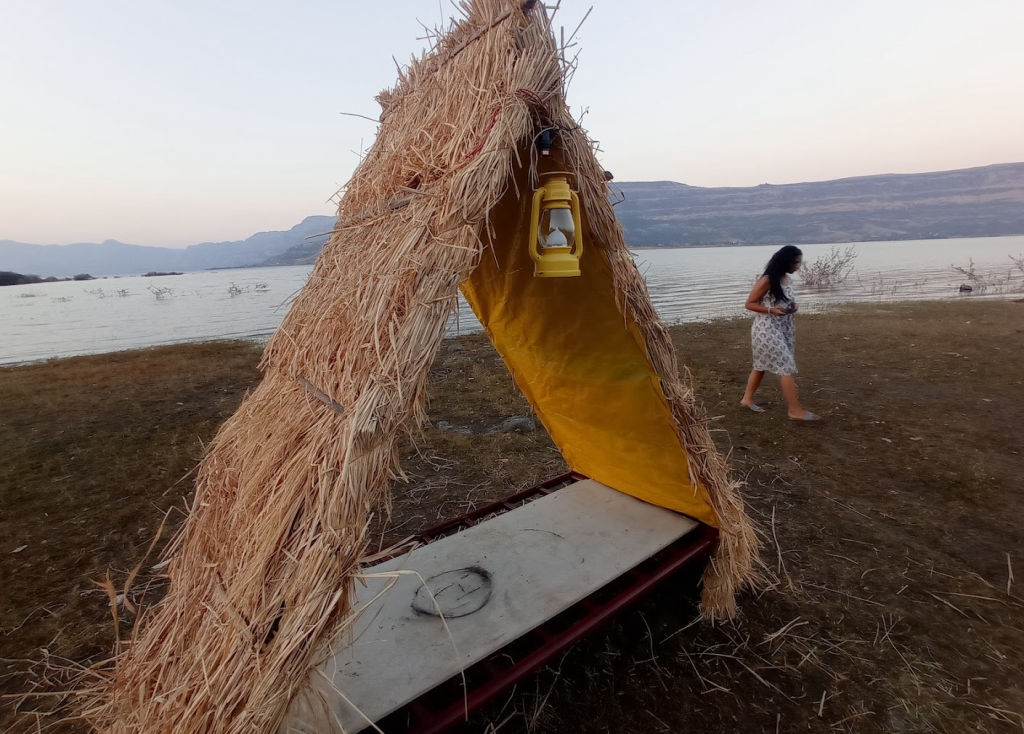
Stays near Siddhagad Fort
Book a place to stay close by



More places near Siddhagad Fort
Within 20 km


Lists for this area
Ranked by how many creators recommend each place


Built from 0 Instagram posts by 0 creators. Every tip links back to the post it came from, and where creators disagree we show both sides.


