
Chavand Fort
Fort near Ghatghar, Maharashtra
8.1 km from Ghatghar
The nearest town, for stays, food and fuel.
Chavand Fort, historically known as Prasannagad, is an ancient hill fortress perched in the Sahyadri ranges near Junnar in Maharashtra. Rising dramatically above the backwaters of Manikdoh Dam, the fort once stood guard over vital commercial and military trade routes linking the Konkan coast to the Deccan plateau. Today, it is a favored destination for day hikers, history enthusiasts, and outdoor lovers seeking quiet trails, rock-cut architecture, and panoramic views of the Western Ghats.
Getting there
By road
- From GhatgharNearest town27 min · 12 km
- From Pune2 hr 50 min · 110 km
- From Nashik3 hr 40 min · 167 km
- From Mumbai 4 hr 10 min · 220 km
Typical drive times without traffic. Stations and airports from OLA Maps; distances and typical drive times from OpenStreetMap (© OpenStreetMap contributors); notes from creators' Reels.
About Chavand Fort
Written with AI from map data and general knowledge. Check prices and timings locally before you go.
History and heritage of Chavand Fort
Chavand Fort, historically referred to as Prasannagad, has witnessed multiple eras of Deccan history. Guarding the fertile valleys and passes connecting the Deccan plateau with the coastal ports of Konkan, it formed part of a formidable defensive ring around Junnar alongside sister fortresses such as Shivneri, Jivdhan, Hadsar, and Sindola. Over the centuries, the fort changed hands across prominent dynasties, including the Yadavas, the Nizam Shahi rulers of Ahmednagar, the Maratha Empire under Chhatrapati Shivaji Maharaj, and later the Peshwas, before finally coming under British control in the early nineteenth century.
Like many forts in the Junnar region, Chavand served primarily as a strategic surveillance outpost rather than a large royal residence. Although the defensive superstructures and outer ramparts were systematically dismantled by the British in 1818 to prevent further insurgencies, the enduring bedrock remains. Intricately carved monolithic staircases, fortified gateways, and stone cisterns still survive intact, offering modern visitors a tangible glimpse into the architectural ingenuity and military heritage of ancient Maharashtra.
The trekking trail to the summit
The trek to Chavand Fort begins from the quiet hamlet of Chavandwadi situated at the base of the mountain. The initial section of the trail cuts through pastoral fields and ascends the lower scrubby slopes along a well-defined earthen path. As the gradient increases, the dirt path gives way to scree and rocky outcrops, requiring attentive footing among loose stones.
The defining feature of the ascent is the series of sheer rock-cut steps etched directly into the vertical cliff face near the final ridge. In past decades, this exposed section required careful scrambling. Today, sturdy metal railings and ladders have been installed along the steepest faces by local agencies and trekking groups, making the climb considerably safer and accessible to hikers of average fitness. The entire climb from the base village to the entrance portal typically takes between an hour and an hour and a half at an easy pace.
Read more
What to see on top of Chavand Fort
Reaching the summit plateau unveils a broad, windswept tableland dotted with archaeological ruins and natural viewpoints. One of the most significant features of the fort is the group of rock-hewn water cisterns, traditionally known as the Saptamatrika cisterns. These interconnected reservoirs were chiseled directly out of the basalt bedrock to catch and store rainwater during the heavy monsoon season, ensuring an uninterrupted water supply for the stationed garrison during lengthy sieges.
At the center of the plateau stands the restored shrine dedicated to Goddess Chamunda, a simple stone temple where trekkers frequently rest in the shade. Walking the perimeter reveals the foundations of ancient residential quarters, granaries, and fallen bastions that command clear sightlines in every direction. Looking outward, visitors are treated to breathtaking panoramas featuring the sparkling waters of Manikdoh Dam, the striking profiles of Hadsar and Sindola forts, and the rolling ridges of the Western Ghats.
Best time to visit Chavand Fort
The most rewarding window to explore Chavand Fort stretches from July through February. During the monsoon months, from July to September, the entire Junnar landscape transforms into a vibrant green paradise. Dense mist drifts over the cliffs, seasonal rivulets flow down the rock faces, and the Manikdoh reservoir fills to capacity. Hikers should exercise extra care in peak monsoon conditions, as the stone steps and ladder rungs become slippery from water and moss.
From October to February, the winter season brings clear skies, crisp breezes, and comfortable daytime temperatures that are ideal for outdoor walking. Visibility is at its peak during these months, allowing for sharp views of distant mountain passes and surrounding forts. The summer season, spanning March to May, brings high heat and dry conditions to the Deccan plateau. Treks during this time are best undertaken very early in the morning to avoid the intense midday sun on the shadeless upper plateau.
How to reach Chavand Fort
Chavand Fort is located roughly sixteen kilometres west of Junnar, which is the main transport and transit hub for the area. Junnar is well linked by road to major urban centers in Maharashtra, sitting approximately ninety kilometres from Pune and around one hundred and fifty kilometres from Mumbai.
Travelers driving from Pune typically follow the Pune-Nashik highway up to Narayangaon, where they branch off toward Junnar and continue along rural roads to Chavandwadi village. Those travelling from Mumbai can journey via Kalyan and Murbad, traversing the scenic heights of Malshej Ghat before taking the route south toward Junnar and Chavand. Regular state transport buses connect Pune, Mumbai, and Kalyan to Junnar bus stand. From Junnar, visitors can complete the final leg of the journey by hiring local auto-rickshaws, shared jeeps, or boarding local countryside buses headed toward Chavandwadi.
Tips for your visit
Because Chavand Fort does not have commercial shops or vendors either along the path or on the summit, visitors must carry all necessary provisions from Junnar or the base village. Ensure you carry at least two to three litres of drinking water per person, along with energy-dense snacks, fruit, or packed meals. Even though the rock cisterns contain water, it is untreated and not recommended for drinking without reliable filtration.
Wear sturdy trekking shoes with reliable rubber soles, as the rock steps and ladders demand firm traction. Light, breathable clothing is best, and a wide-brimmed hat, sunglasses, and sunscreen will help shield you from sun exposure on the exposed plateau. As this is a historical site and a serene natural habitat, carry all wrappers, plastic bottles, and waste back down with you to keep the fort clean.
Places to visit nearby and where to stay
The region surrounding Chavand is steeped in history, biodiversity, and scenic water bodies. Just four kilometres away, the Manikdoh Dam offers peaceful shoreline views and birdwatching opportunities. A short distance further lie the ancient rock-cut Buddhist chambers of Tulja Caves, as well as neighbouring trekking summits such as Sindola Fort, Hadsar, and the renowned birthplace of Chhatrapati Shivaji Maharaj at Shivneri Fort. Scenic Malshej Ghat is also an easy drive away, known for its steep valleys and seasonal cascades.
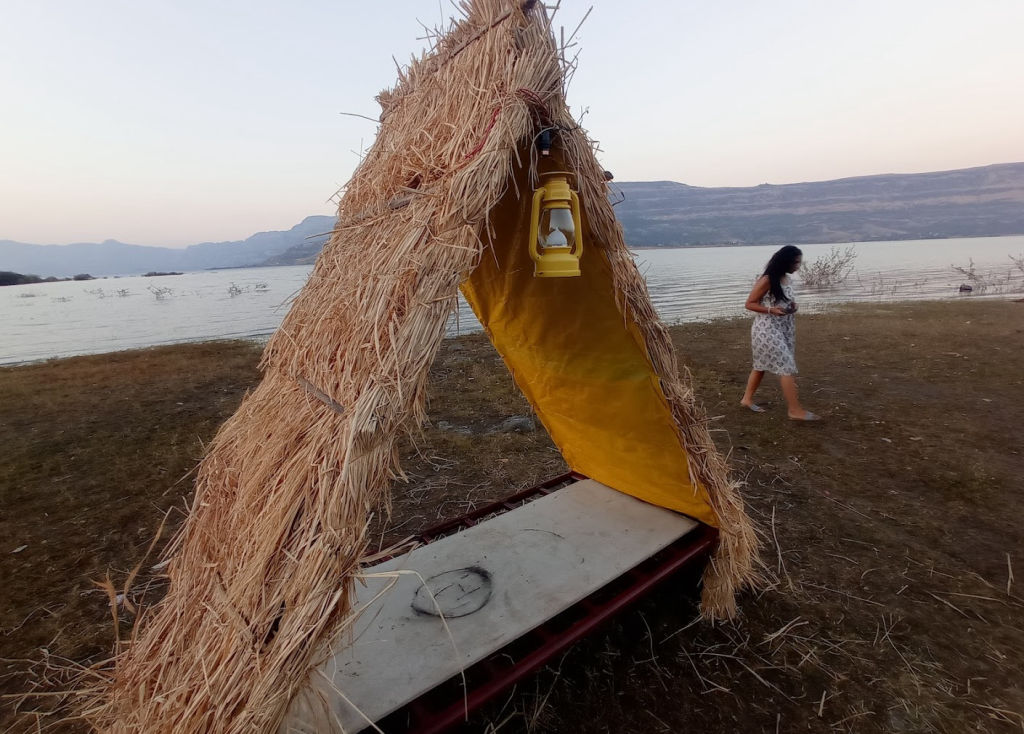
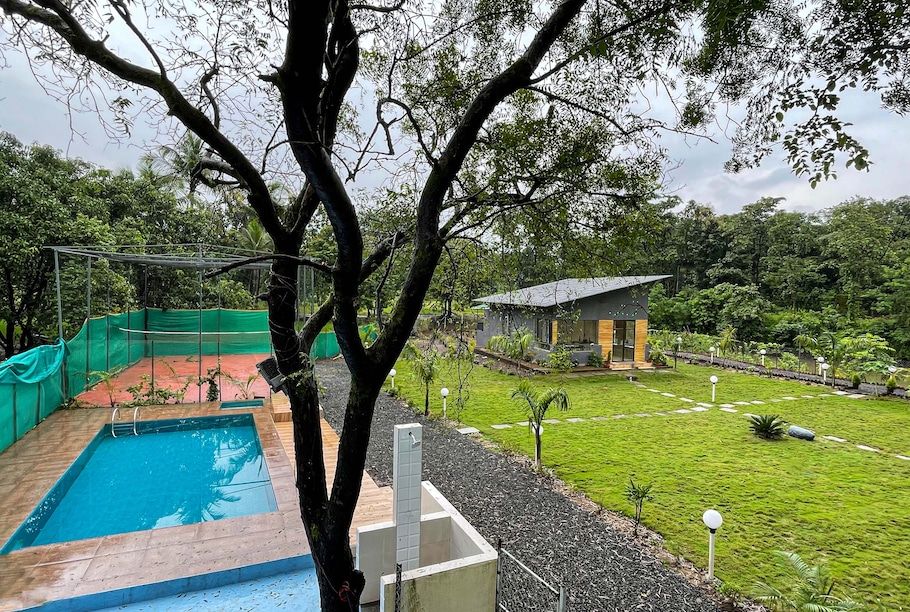
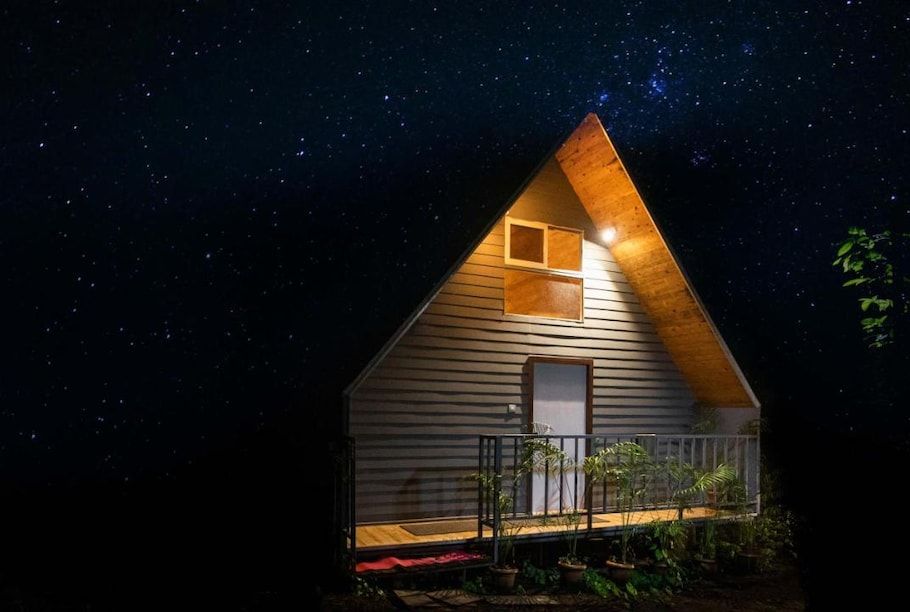
For visitors planning an overnight stay, the rural countryside around Junnar and the Manikdoh reservoir features several lakeside camps, homestays, and farm stays that can be discovered on HireACamp. Staying locally allows you to wake up near the trailheads, start your hikes early in the cool morning air, and enjoy local rural cuisine.
Frequently asked questions
How long does the trek to Chavand Fort take?
The trek from Chavandwadi village to the summit usually takes between an hour and an hour and a half at an easy to moderate pace.
Is the climb to Chavand Fort safe for beginners?
Yes, the trek is considered accessible to beginners with basic fitness, as metal ladders and safety railings have been installed across the steepest rock-cut sections.
Are there food and water facilities on Chavand Fort?
There are no shops, food vendors, or potable drinking water sources on the fort plateau, so hikers must bring their own supplies from the base.
Can you camp on top of Chavand Fort?
While the small Chamunda temple provides basic shelter, strong winds and lack of facilities make overnight stays challenging, leading most visitors to opt for nearby campsites and homestays in the valley.
What is the historical significance of Chavand Fort?
Historically known as Prasannagad, the fort was a strategic hill outpost guarding inland trade routes around Junnar under the Yadava, Nizam Shahi, Maratha, and Peshwa rules.
Where you'll be
Junnar, MH · 3 stays nearby shown with prices
Stays near Chavand Fort
Book a place to stay close by
More places near Chavand Fort
Within 20 km


Lists for this area
Ranked by how many creators recommend each place


Built from 0 Instagram posts by 0 creators. Every tip links back to the post it came from, and where creators disagree we show both sides.






