
Padargad
Fort near Bhimashankar, Maharashtra
500 m from Bhimashankar
The nearest town, for stays, food and fuel.
Padargad is a rugged fortress and watchtower perched along the Sahyadri mountain range near the village of Khandas in Maharashtra. Standing beneath the towering ramparts of Bhimashankar and adjacent to Kothaligad, it draws adventurous hikers and rock climbers with its sheer volcanic cliffs and classic chimney ascents. Travellers visit Padargad to experience an exhilarating trek that rewards climbers with sweeping views over the Konkan plains and deep valley ravines.
Getting there
By road
- From BhimashankarNearest town3 min · 1.1 km
- From Pune2 hr 45 min · 111 km
- From Mumbai 4 hr 10 min · 220 km
- From Nashik4 hr 25 min · 209 km
Typical drive times without traffic. Stations and airports from OLA Maps; distances and typical drive times from OpenStreetMap (© OpenStreetMap contributors); notes from creators' Reels.
About Padargad
Written with AI from map data and general knowledge. Check prices and timings locally before you go.
About Padargad Fort
Padargad stands as a natural sentinel carved out of the volcanic basalt of the Western Ghats. In regional lore and Maratha military strategy, Padargad functioned primarily as an observation watchtower rather than a heavily fortified residential stronghold. Its strategic position below the massive Bhimashankar plateau allowed lookouts to monitor the historic trade pathways connecting the coastal Konkan hinterland with the high Deccan tablelands. Because it shares a ridge system with the neighbouring plateau, Padargad provides an unobstructed vantage point overlooking ancient caravan routes and adjoining strongholds such as Kothaligad and Gorakhgad. Over the centuries, the fort experienced minimal elaborate stone construction, relying instead on its precipitous natural rock ramparts to deter invaders. Today, the pinnacle preserves ancient rock-cut water cisterns, open rock caverns, and weathered steps chiseled directly into vertical stone bands. These remnants speak to the resourceful craftsmanship of hill communities and soldiers who used simple hand tools to adapt the rugged terrain for shelter, strategic defence, and year-round water storage amidst the wilderness.
The Trek Experience at Padargad
The trek to Padargad begins from the base settlement of Khandas, meandering first through gentle agricultural fields and seasonal scrub forests before engaging with the rising mountain flanks. As you ascend, the gradient steepens noticeably through shaded jungle gullies laden with loose rocks and scree slopes. The intermediate plateau between the hills offers a welcoming level clearing where hikers pause before taking on the fort's signature challenge: the rock section. Padargad is widely renowned for its rock chimney, a vertical cleft in the cliff face that requires climbers to use friction, arm strength, and careful foot placement on small ledges. Handholds carved into the stone assist the ascent, but the steep exposure requires focused concentration and steady balance. Navigating this rock chimney and the subsequent exposed traverse brings climbers out onto the top terrace of the pinnacle. The summit is open and compact, fringed by dramatic drops on all sides and offering 360-degree views of the mist-draped Bhimashankar escarpment, the tapering horn of Kothaligad, and the patchwork farmlands of the valleys below.
Read more
Best Time to Visit Padargad
Choosing the right season to explore Padargad is vital because of the technical rock climbing sections along its upper reaches. The post-monsoon period from October to February is widely considered the safest and most rewarding window for visiting. During these months, the air is clean, visibility is sharp across the Sahyadri ridgelines, and ambient temperatures remain moderate, while the rock faces are completely dry and provide optimal shoe traction. The monsoon months, from late June through September, transform the surrounding slopes into vibrant green amphitheaters lined with gushing mountain streams and seasonal waterfalls. While the base landscapes are breathtaking during the rains, heavy downpours make the rock steps and the chimney climb exceptionally slippery and hazardous for all but experienced climbers equipped with ropes. Summer arrives by March and lasts until early June, bringing harsh daytime heat and dry conditions that leave the exposed basalt uncomfortably hot to climb under the midday sun. Those visiting in late winter or early spring will find pleasant breezes during early mornings and late afternoons.
How to Reach Padargad
Reaching Padargad requires travelling towards the base village of Khandas, situated near the boundary between Karjat and Khed talukas. For rail commuters, the railway station at Karjat serves as the primary regional transit hub with regular passenger and suburban train connections from Mumbai and Pune. From Karjat, local transport such as shared jeeps and state transport buses run along rural roads toward Khandas and Kashele, though travellers should check locally for up-to-date bus schedules and availability. Those driving by private vehicle from Mumbai or Pune can follow regional highways toward Karjat and branch off onto local interior roads leading east toward the base of the Bhimashankar range. The road network winds through rural hamlets, river crossings, and rustic farmlands, with directional signboards becoming sparser near the mountain roots. Approaching vehicles generally park in dedicated clearings or open grounds managed by villagers at Khandas before commencing the foot journey along the marked hill paths.
Tips for Your Visit to Padargad
Because Padargad features exposed rock climbing, proper preparation and sensible gear are essential for a safe outing. Sturdy trekking shoes with reliable rubber grip are non-negotiable for tackling the slippery scree and smooth basalt surfaces. If you or your group are relatively new to rock scrambling, carrying a safety rope and climbing harnesses provides invaluable reassurance and security along the chimney section. It is also wise to engage a knowledgeable local guide from Khandas village, as they understand the safest lines up the rock face and can provide assistance during tricky maneuvers. The pinnacle has no vendor stalls or food outlets, so you must carry adequate drinking water, energy snacks, and hydration salts to sustain yourself throughout the steep climb. Pack a compact first aid kit, headlamps for unexpected delays, and sun protection including caps and lightweight coverings. Always respect the natural surroundings by packing out all your trash, avoiding any disturbance to the resident birdlife, and refraining from climbing during gusty or stormy weather.
Places to Visit Nearby
The surrounding landscape in this pocket of the Western Ghats is rich in historical forts, dramatic valleys, and serene vistas. Located roughly ten kilometres away in straight-line distance is Kothaligad, also known as the fort of Peth, famous for its hollow interior staircase carved into an upright stone funnel. Further north lies Gorakhgad Fort, another vertical cliff-like outpost steeped in legends of ascetic hermits and offering its own exhilarating scramble. To the west and southwest, viewpoints like the Garbett Plateau and the secluded ridges of Sondai Fort provide gentler trekking alternatives with expansive vistas over sparkling reservoirs and rolling hillocks. For those interested in cultural heritage and scenic canyon drives, the Karla Caves and the lush passes of Malshej Ghat sit within driving distance along the larger mountain periphery, making the region around Padargad an exceptional base for a multi-day exploration of Maharashtra's historic wilderness.
Where to Stay near Padargad
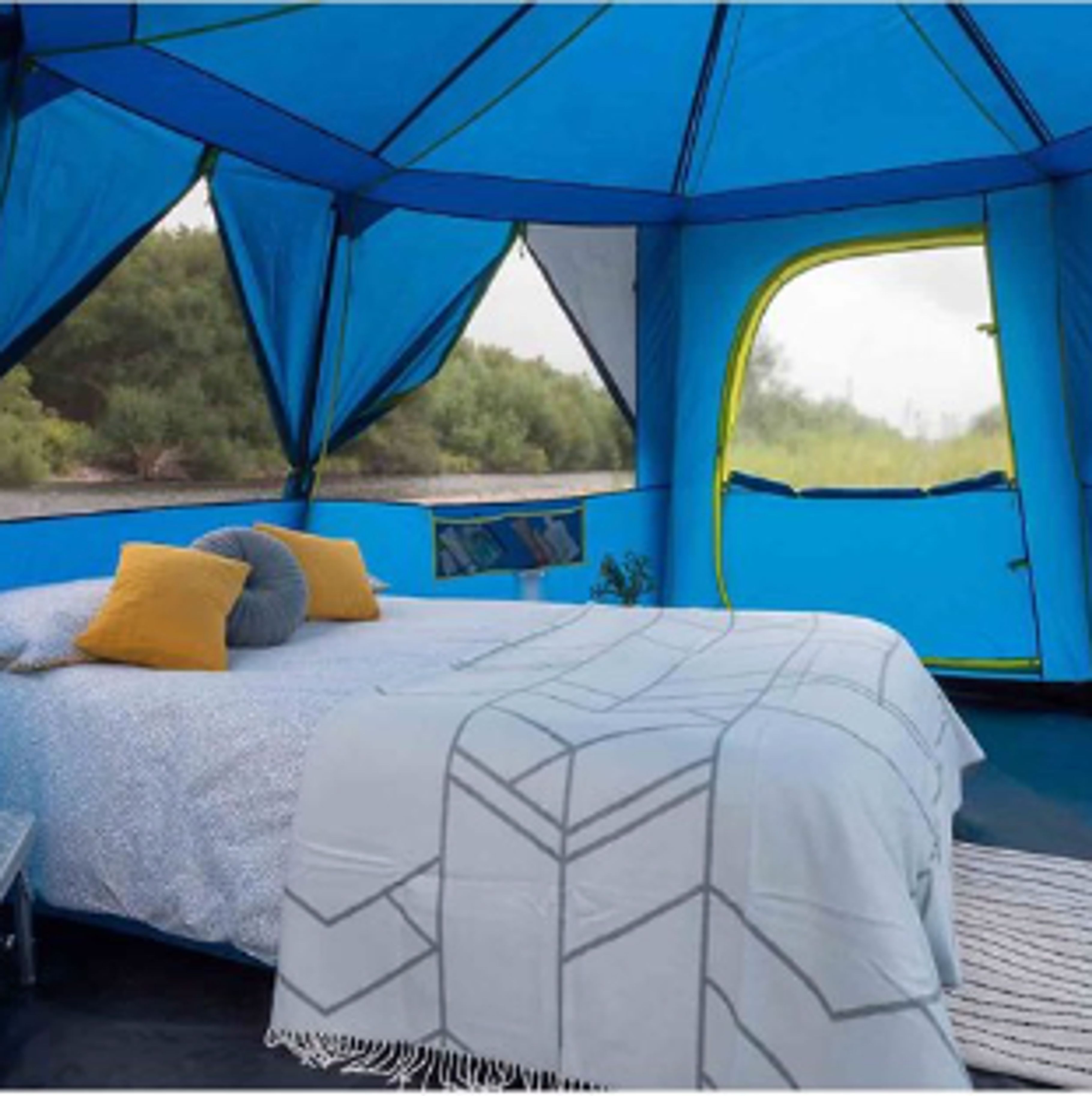
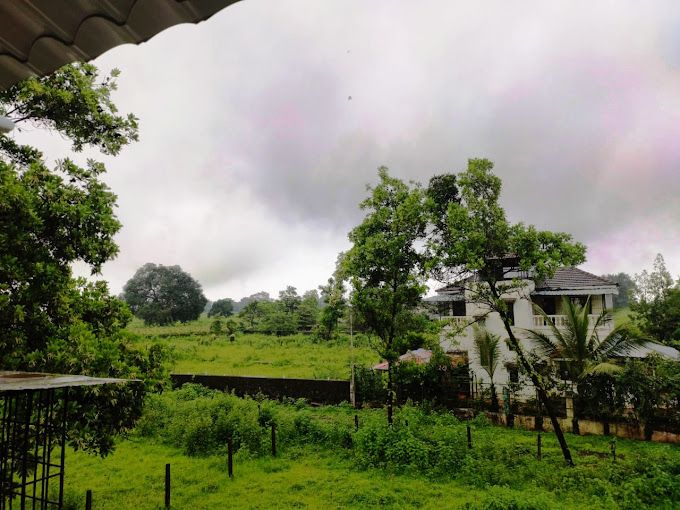
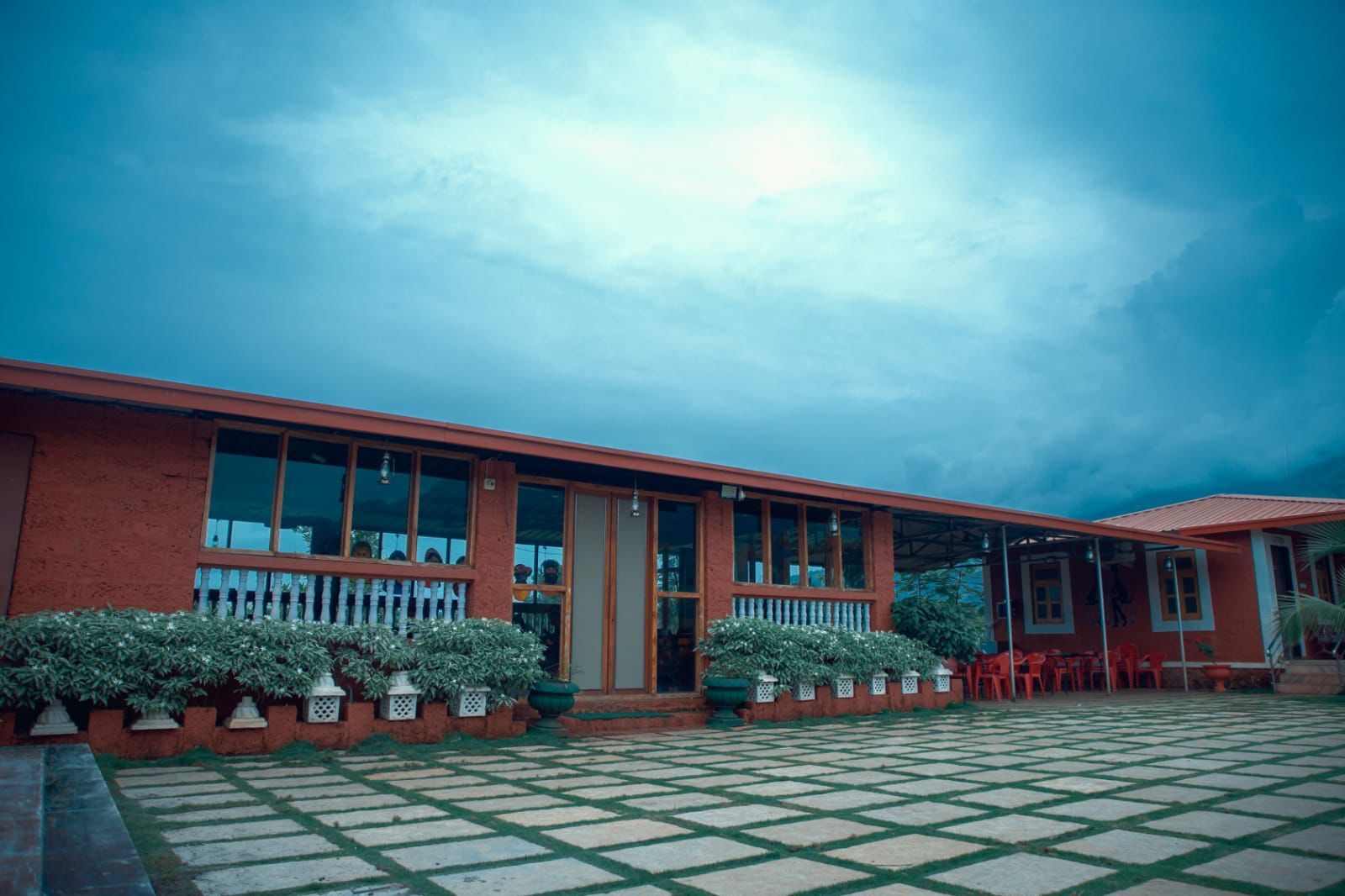
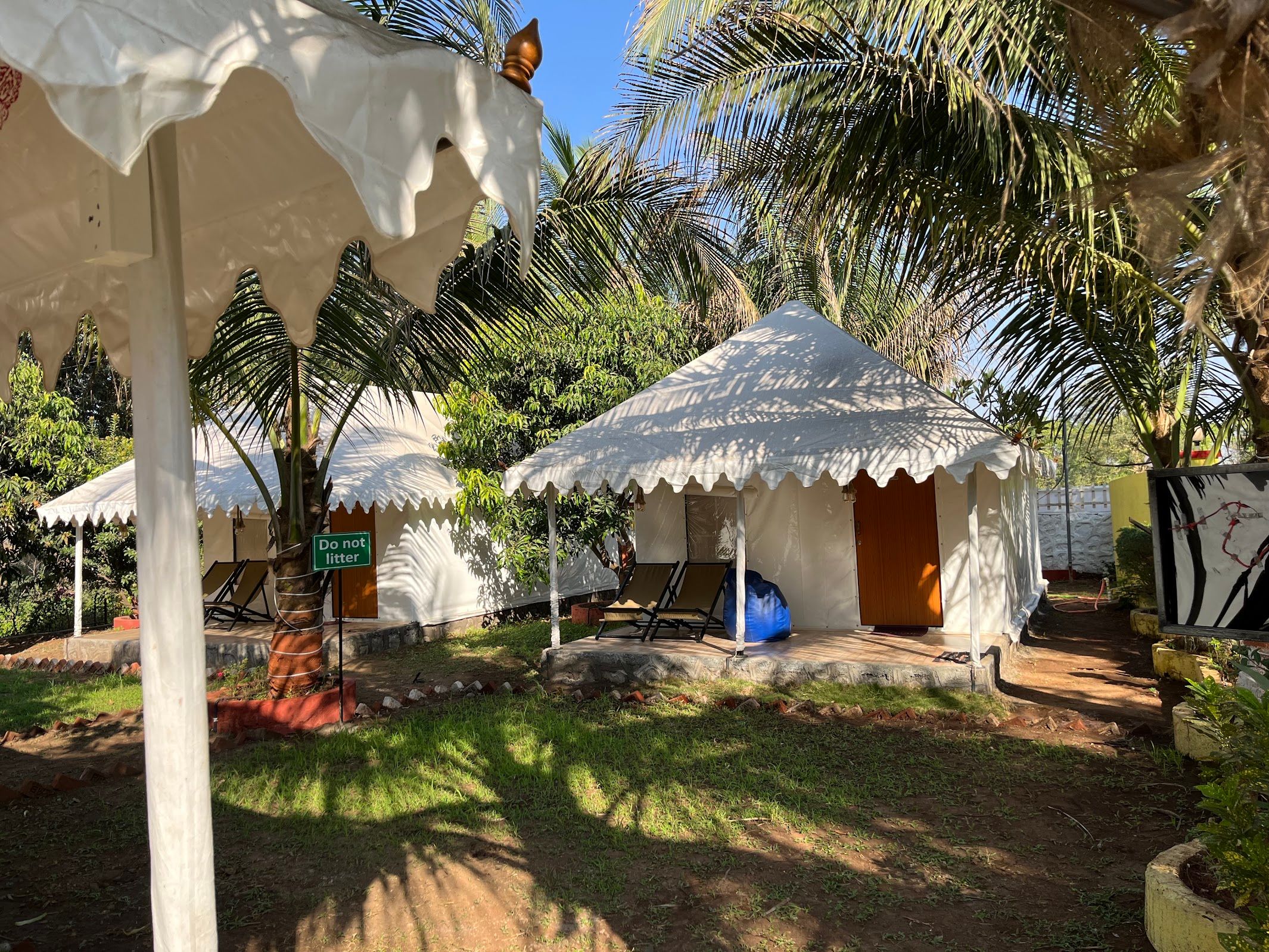
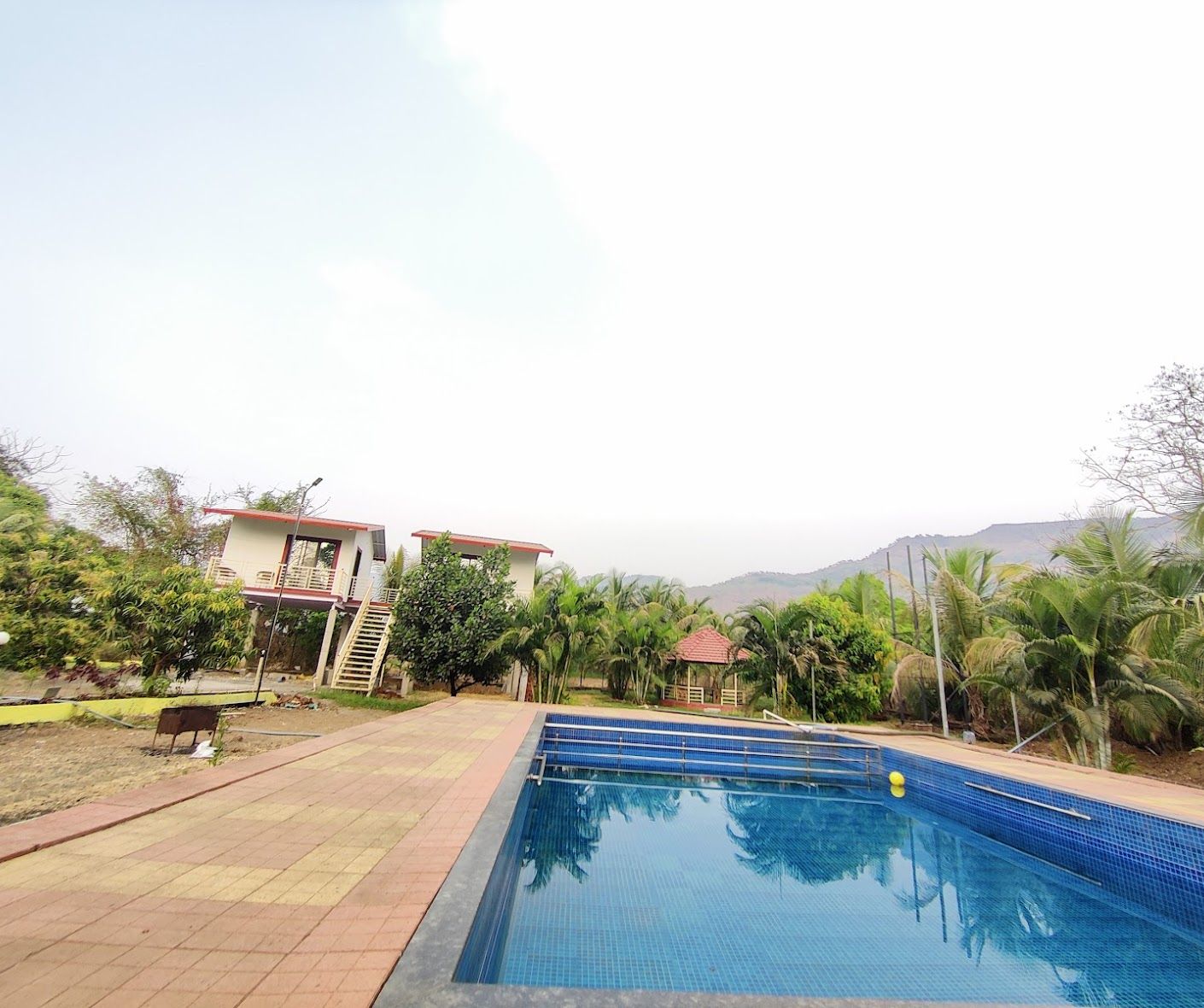
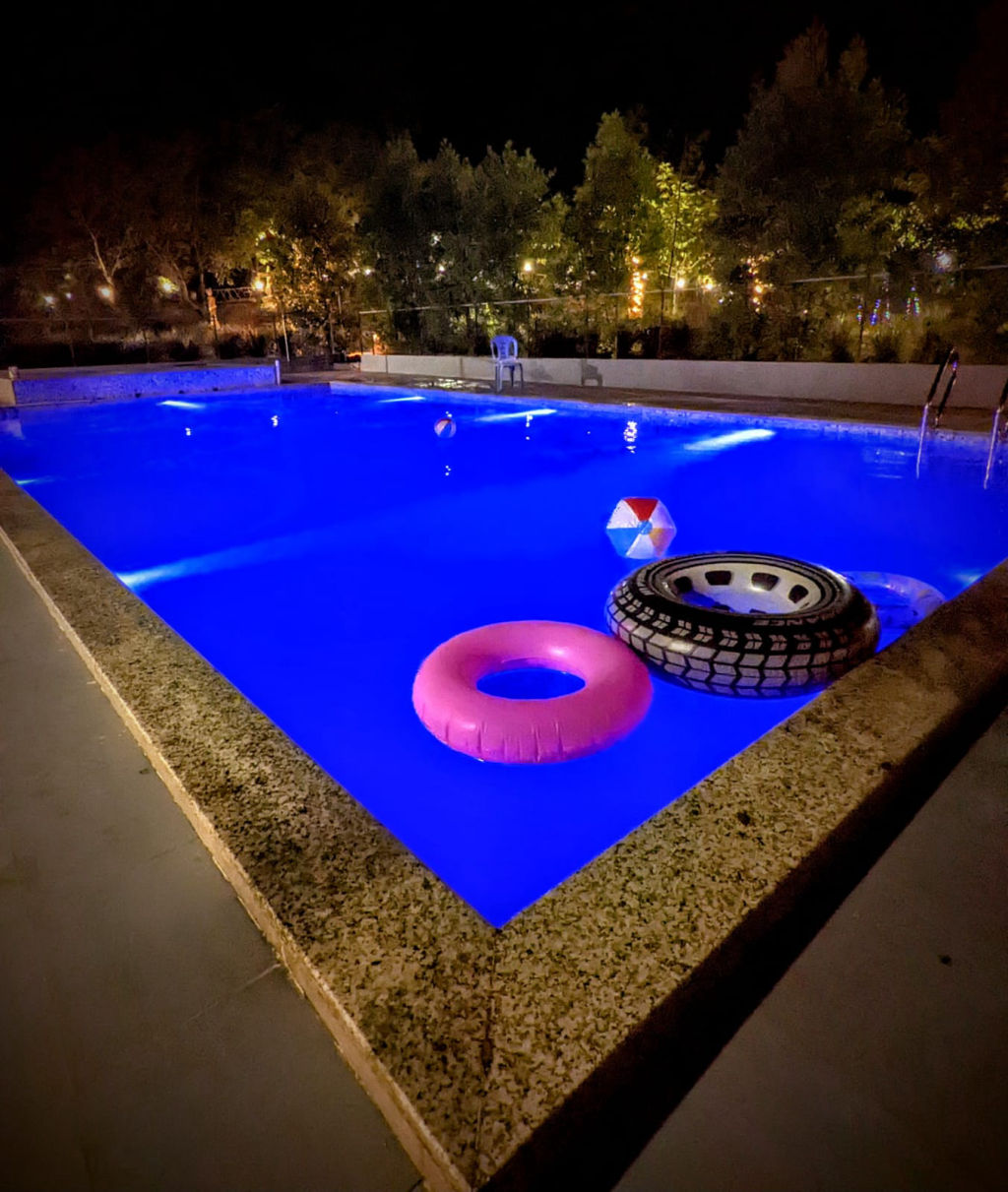
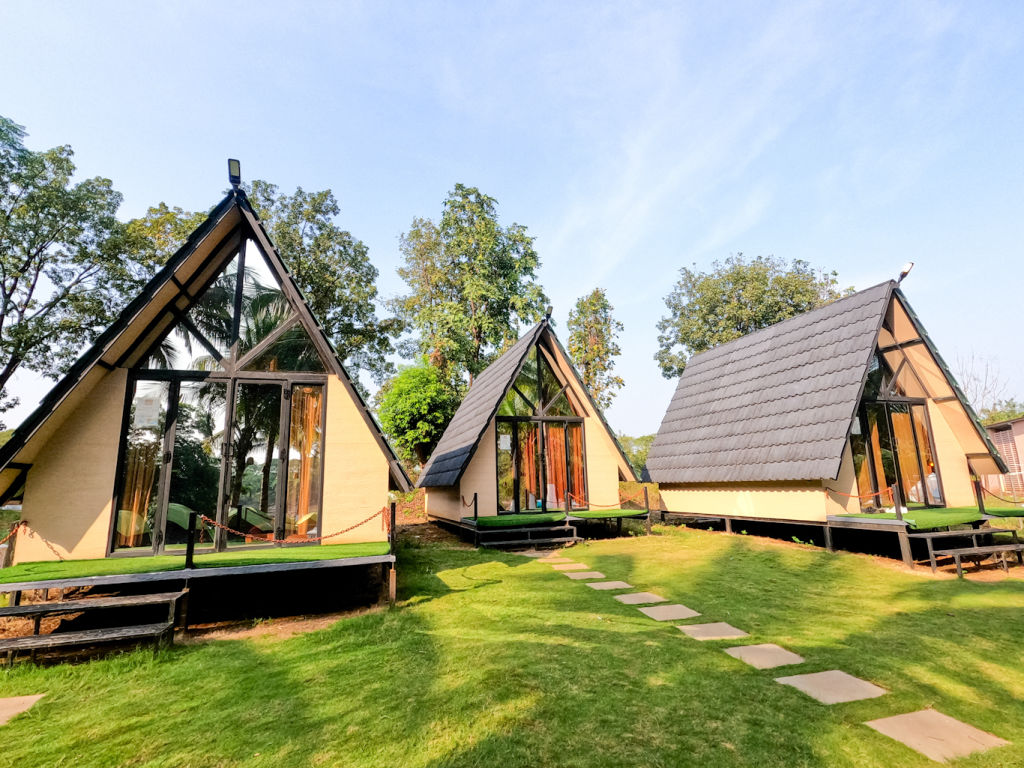
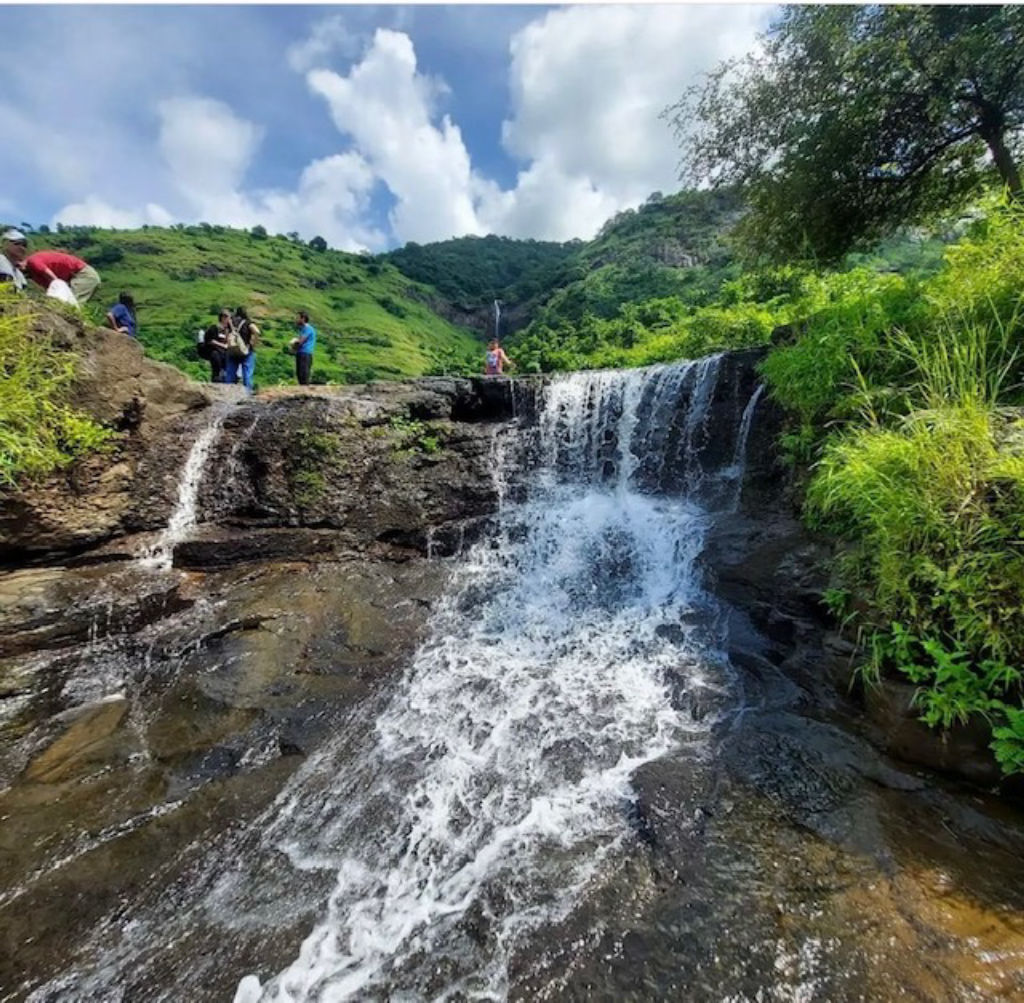
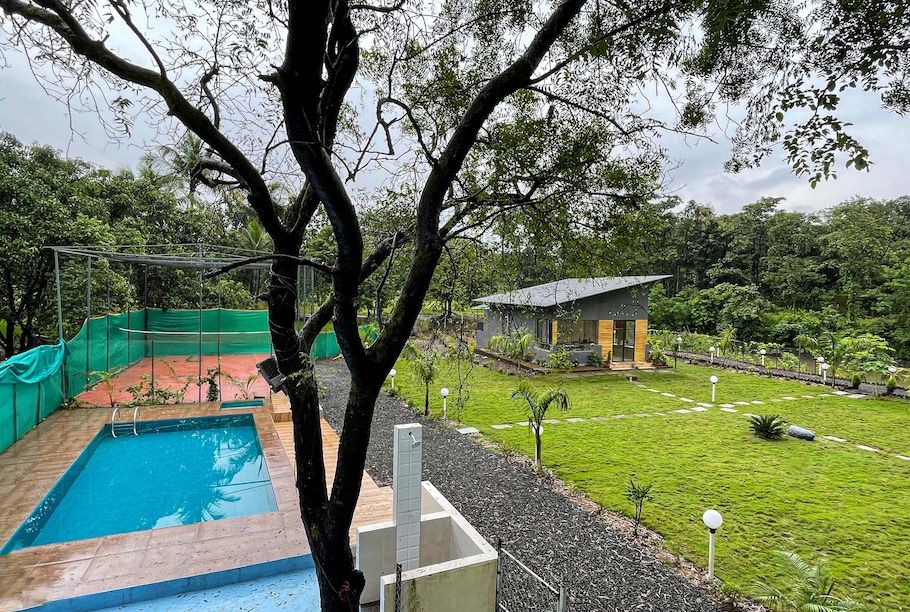
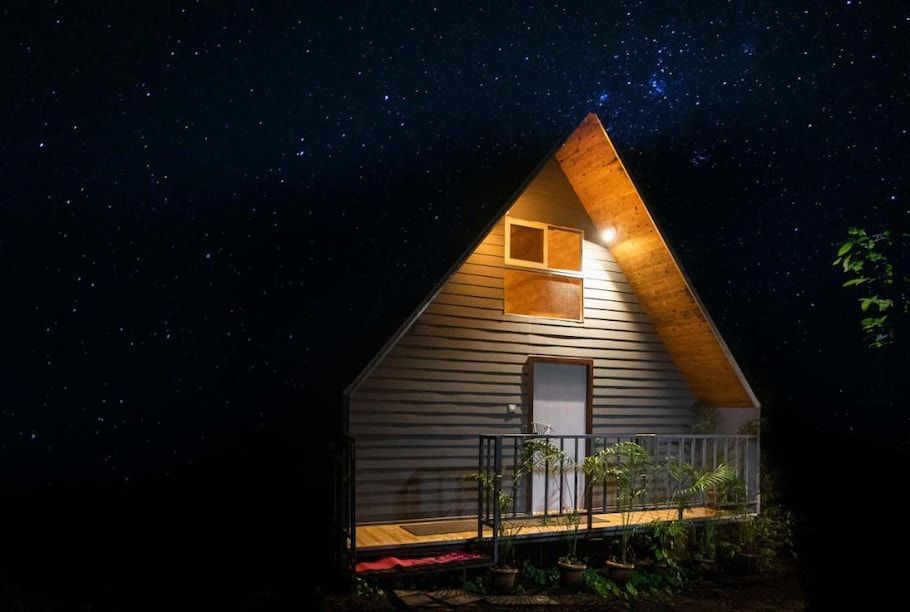
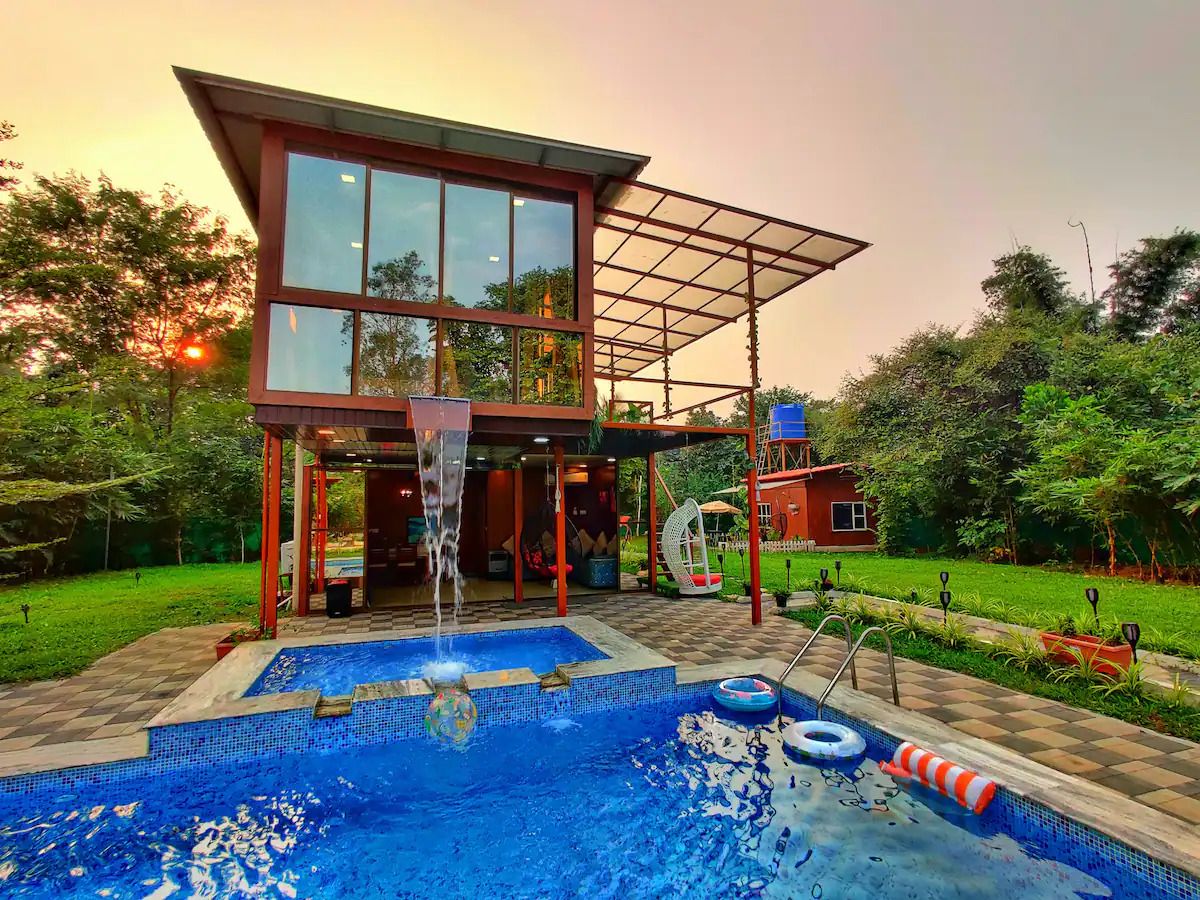
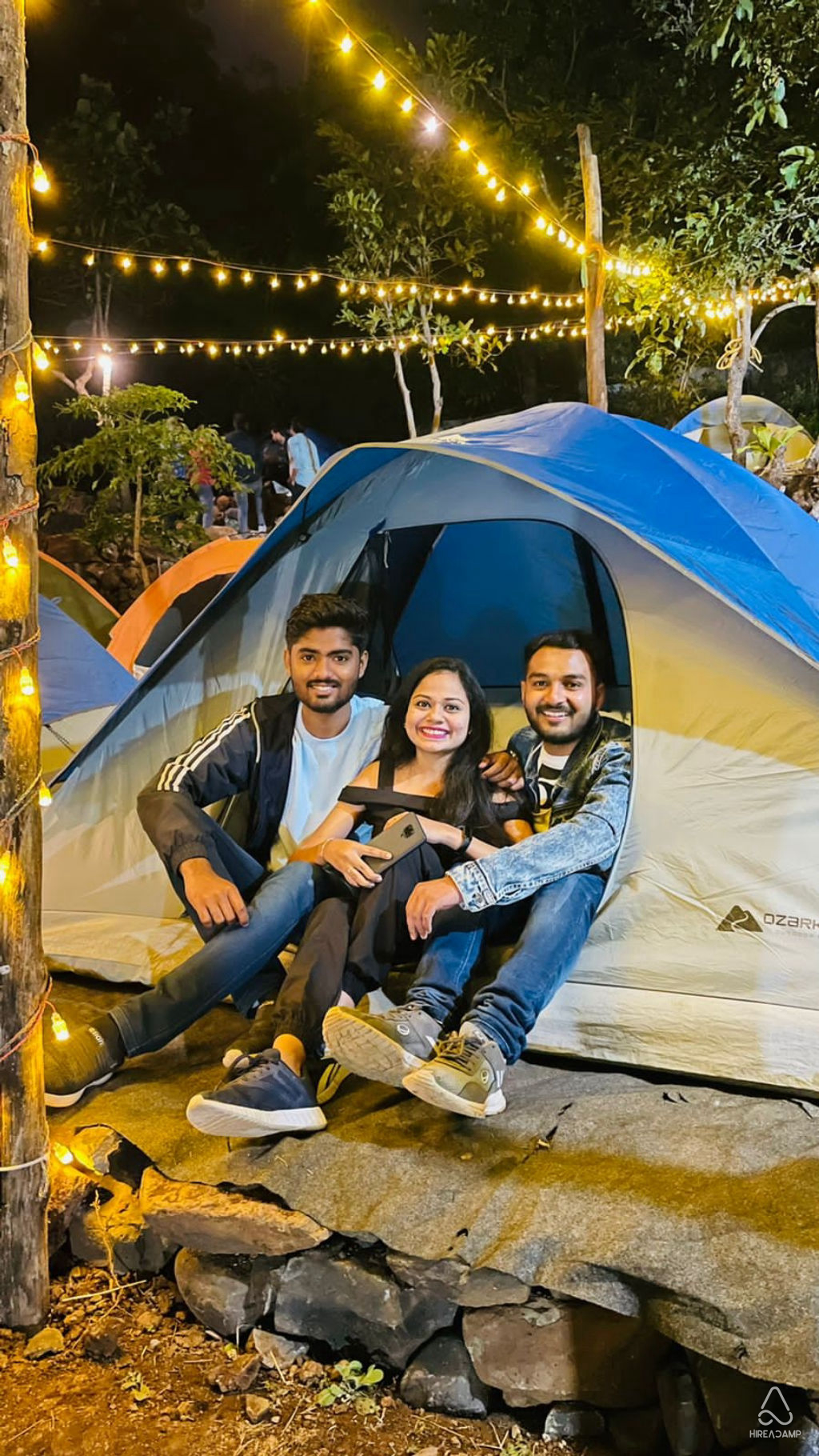
Accommodations around Padargad cater well to nature enthusiasts, hikers, and weekend adventurers who appreciate rural tranquility. The base village of Khandas hosts modest community-run homestays and village homes where locals offer warm hospitality, simple rooms, and authentic rural Maharashtrian meals cooked over traditional hearths. For those who wish to spend the night under the stars, designated campsites and tranquil nature retreats operate in the wider Karjat and Khed rural belts along riverbanks and orchard lands. A variety of verified camps, rustic cottages, and nature homestays nearby can be discovered and reserved on HireACamp. Staying overnight in the vicinity allows trekkers to get an early dawn start, beat the midday sun on the exposed rock faces, and fully savor the serene morning ambiance of the Sahyadri foothills.
Frequently asked questions
What is the difficulty level of the Padargad trek?
The trek to Padargad is rated moderate to difficult because it involves ascending steep scree paths, an exposed rock traverse, and an authentic rock chimney climb that demands good balance and upper-body agility.
Which is the base village for Padargad?
Khandas village serves as the standard starting point and base camp for the trek up to Padargad Fort.
Can beginners climb Padargad without safety gear?
Beginners are strongly advised to carry safety ropes and hire a local village guide, as navigating the steep chimney section without prior rock scrambling experience can be risky.
Is drinking water available at the top of Padargad?
While historic rock-cut water cisterns exist on the fort, the water may not be safe for direct consumption, so visitors must carry sufficient purified drinking water from the base.
How long does it take to complete the trek?
The ascent from Khandas village generally takes between two and a half to four hours depending on your pace and the time spent negotiating the rock chimney, with an equivalent time needed for the descent.
Where you'll be
Khandas, Khed, MH · 12 stays nearby shown with prices
Stays near Padargad
Book a place to stay close by
More places near Padargad
Within 20 km


Lists for this area
Ranked by how many creators recommend each place


Built from 0 Instagram posts by 0 creators. Every tip links back to the post it came from, and where creators disagree we show both sides.


