Forts near Raireshwar,Bhor
This curated list highlights historic hill forts near Raireshwar, Bhor, set across the rugged ridges and dramatic valleys of Maharashtra's Sahyadri mountain range. It is tailored for day hikers, outdoor enthusiasts, and history lovers seeking panoramic views and storied Maratha heritage. Whether you prefer gentle tableland walks or challenging ridge ascents, these trails provide an exceptional outdoor escape.
Top fort destinations near Raireshwar
Kamalgad Fort and Kenjalgad are among the most visited fortifications close to Raireshwar, celebrated for their unique highland profiles. Kamalgad Fort rises above the waters of Dhom Lake near Wai, offering travellers dramatic rocky ridges and sweeping valley panoramas. Nearby, Kenjalgad presents an open plateau trail overlooking wide dam backwaters and rugged ravines, making it a favoured route for day hikers. Across the wider regional landscape, Torna Fort and Sinhagad Fort deliver demanding climbs steeped in Maratha history. Torna Fort, historically known as Prachandagad, draws trekkers along steep ridge paths leading to imposing stone bastions, while Sinhagad Fort provides expansive views across the Bhuleshwar range. Rising on a commanding plateau above the Konkan valleys, Raigad Fort stands as an iconic landmark featuring royal ruins and historic gateways. Trekkers also regularly explore the windswept tableland of Raireshwar Plateau and the defensive bastions of Rohida Fort near Bhor.
Landscape and trekking terrain
The Sahyadri mountain ranges surrounding Bhor and Wai feature a dramatic topography of towering basalt tablelands, narrow connecting ridges, and steep scarp drops. Elevated plateaus such as Raireshwar Plateau and Kenjalgad showcase vast, windswept surfaces that look out over dramatic drop-offs into deep mountain ravines. Other bastions, including Chandragad and Pratapgad Fort, are set along densely forested crests that fall away towards the coastal Konkan belt. Navigating these forts requires hiking along stone-cut staircases, winding forest footpaths, and exposed ridge lines. Trails at Kamalgad Fort and Torna Fort demand steady footing across uneven rock surfaces, while fortifications like Pandavgad Fort and Vairatgarh Fort offer pleasant approaches through rural foothills before ascending through ancient gateways and rock-cut cisterns.
Best time to visit
The Western Ghats experience distinct seasonal shifts that reshape the hiking experience throughout the year. The monsoon season from June to September blankets the mountains in vibrant greenery, with seasonal streams tumbling off high cliffs and thick mist enveloping forts like Kenjalgad and Raireshwar Fort. Trekking during these wet months offers cool temperatures, though slippery paths and slick rock faces require careful movement. Between October and February, the winter season brings crisp air, firm trails, and clear skies, creating ideal conditions for longer routes up Torna Fort or Sinhagad Fort. Panoramic views across Dhom Lake and the surrounding valleys are at their clearest during this window. Summer afternoons can become quite warm and dry, making early morning departures essential for anyone hiking between March and May.
Trail safety and planning tips
Preparation is key when visiting these hill forts, as high-altitude amenities are very limited. An early start helps you avoid the midday heat, particularly on open, exposed summits like Kenjalgad and Torna Fort. Hikers should carry plenty of drinking water and nourishing snacks, as potable sources are rarely found on the upper ramparts. Wearing sturdy footwear with reliable traction is essential for dealing with loose gravel and weathered stone stairs. Because mountain weather can change swiftly in the Western Ghats, it is always a good idea to speak with villagers at the base hamlets to check on local route conditions before you begin your climb. Always respect the surrounding environment and carry out any waste you bring with you.
Where to stay
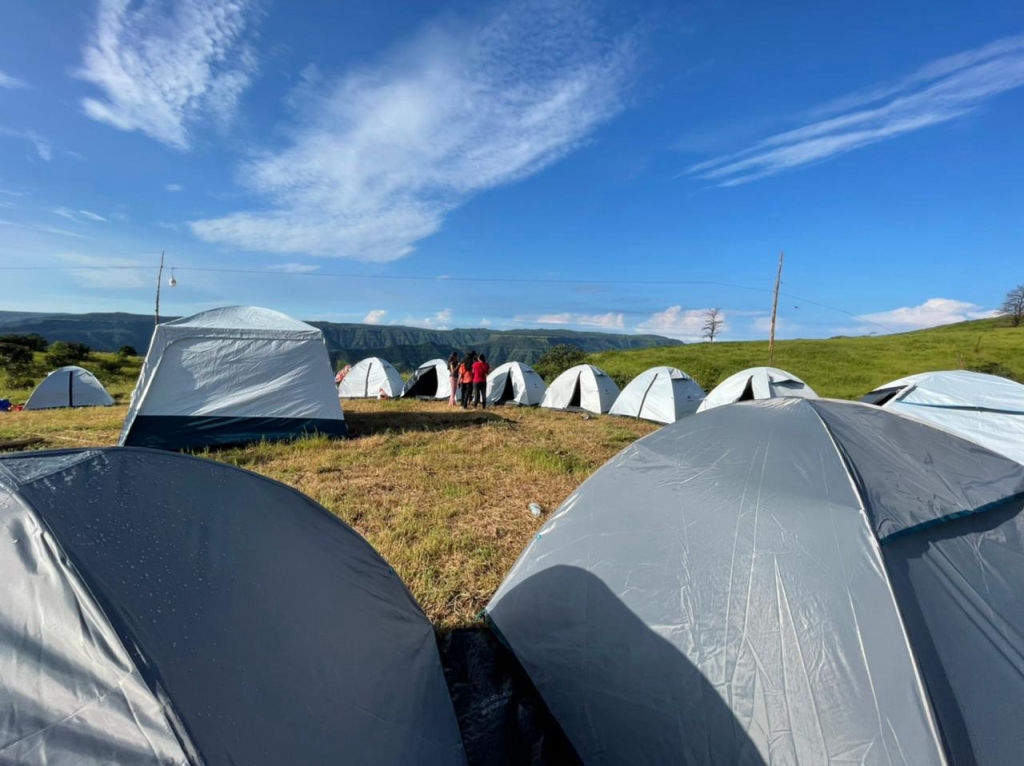
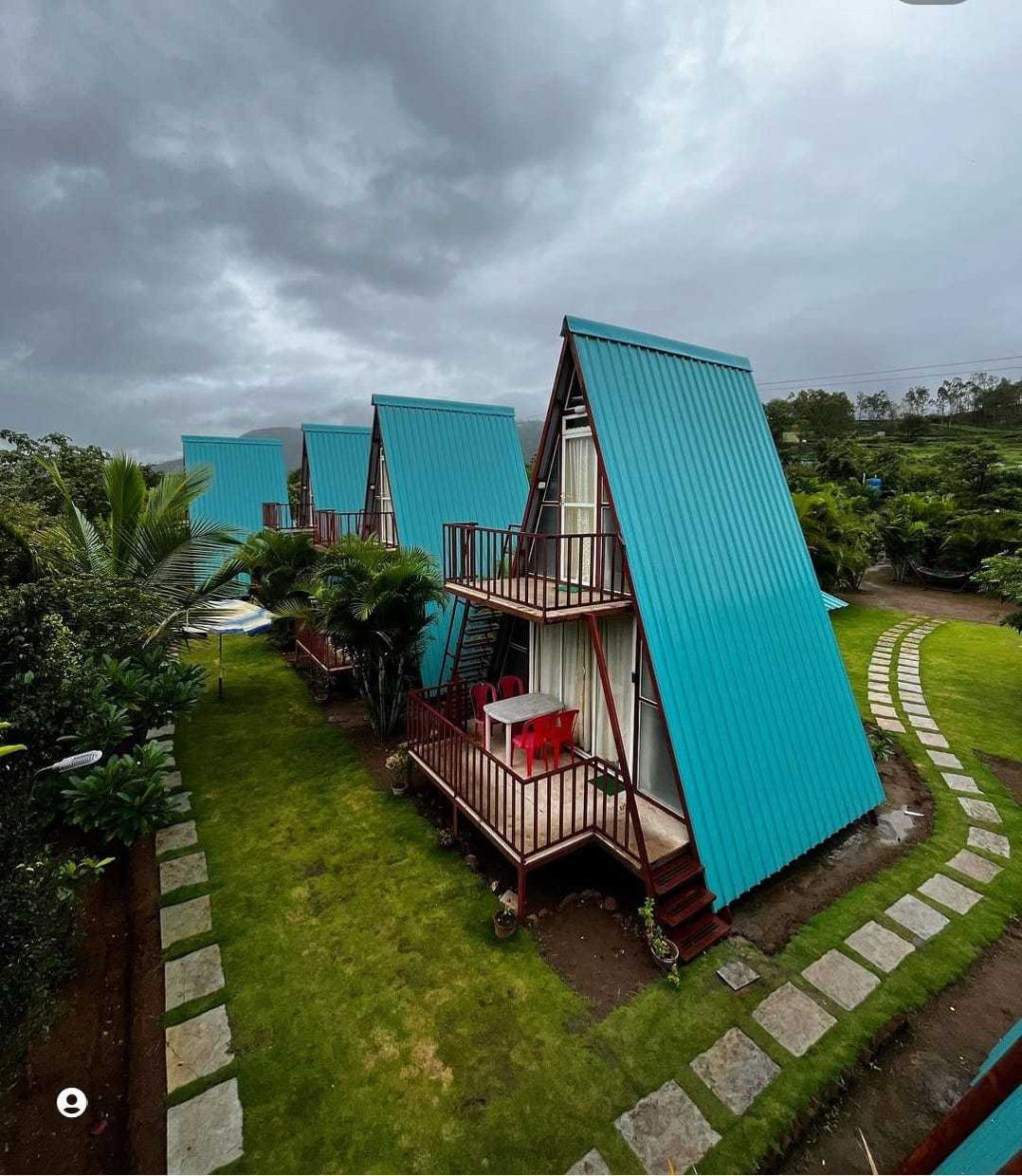
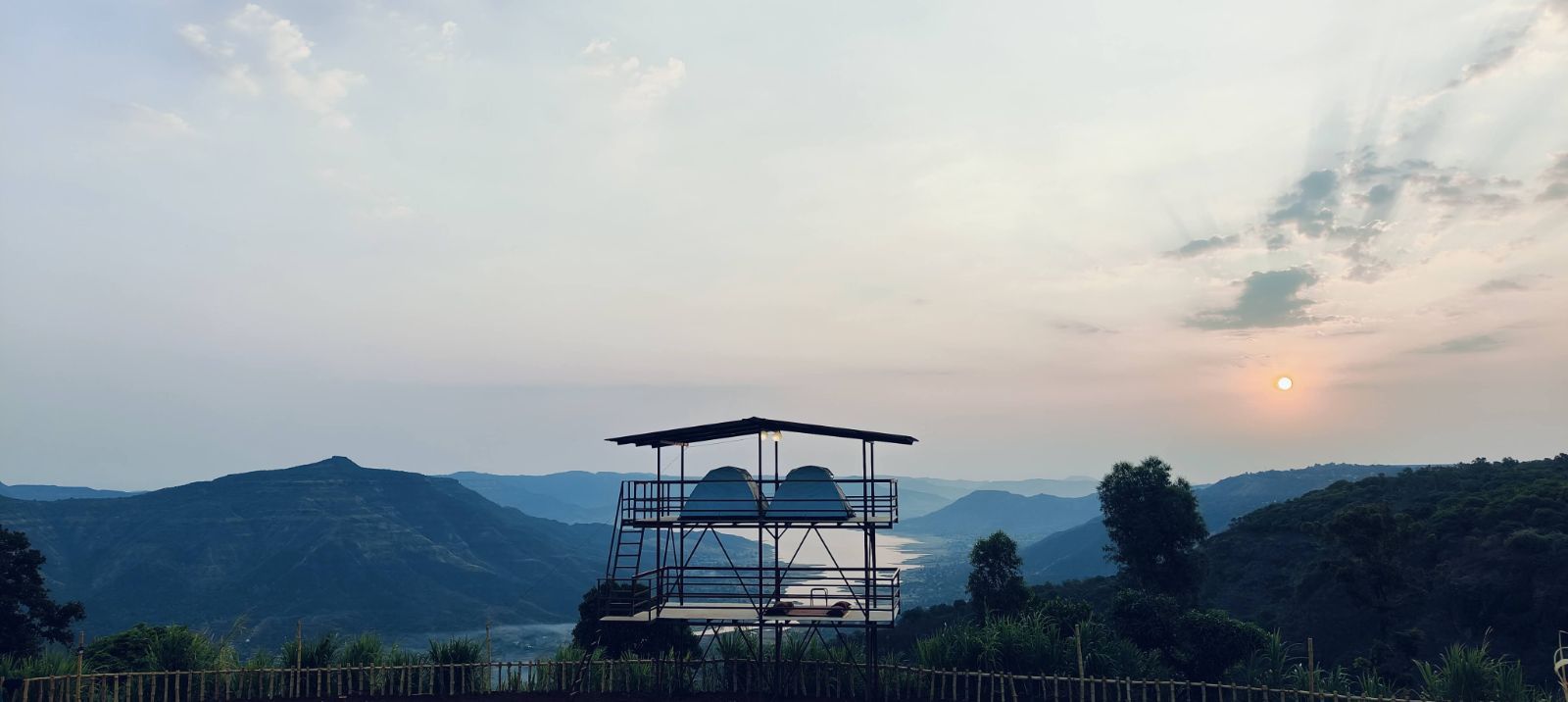
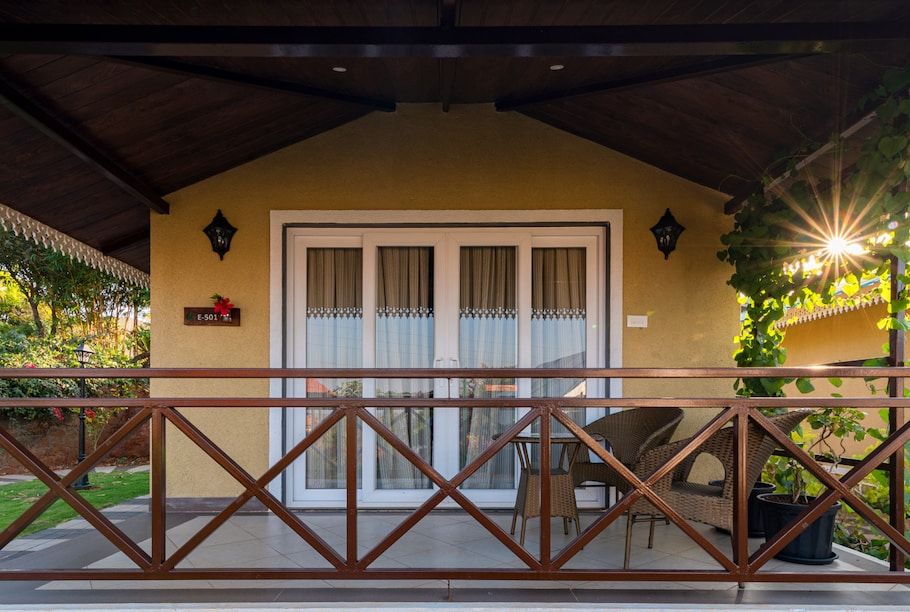
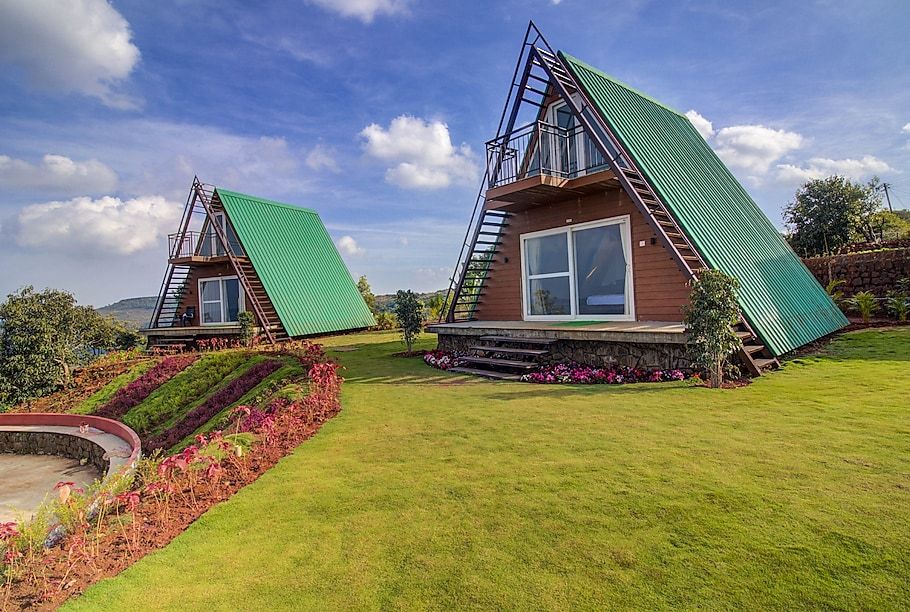
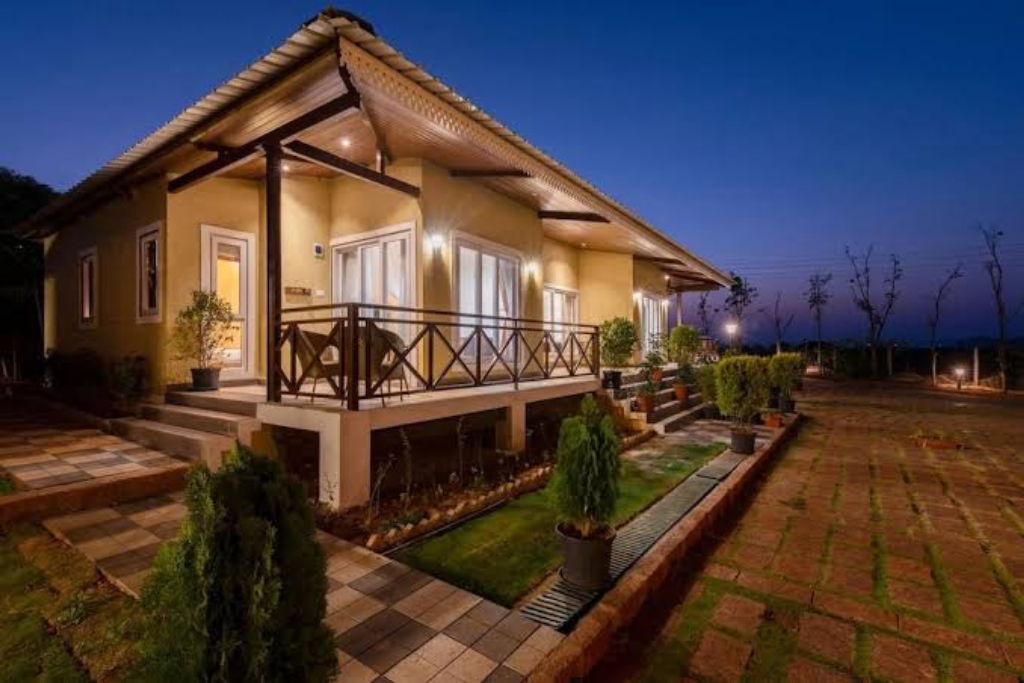
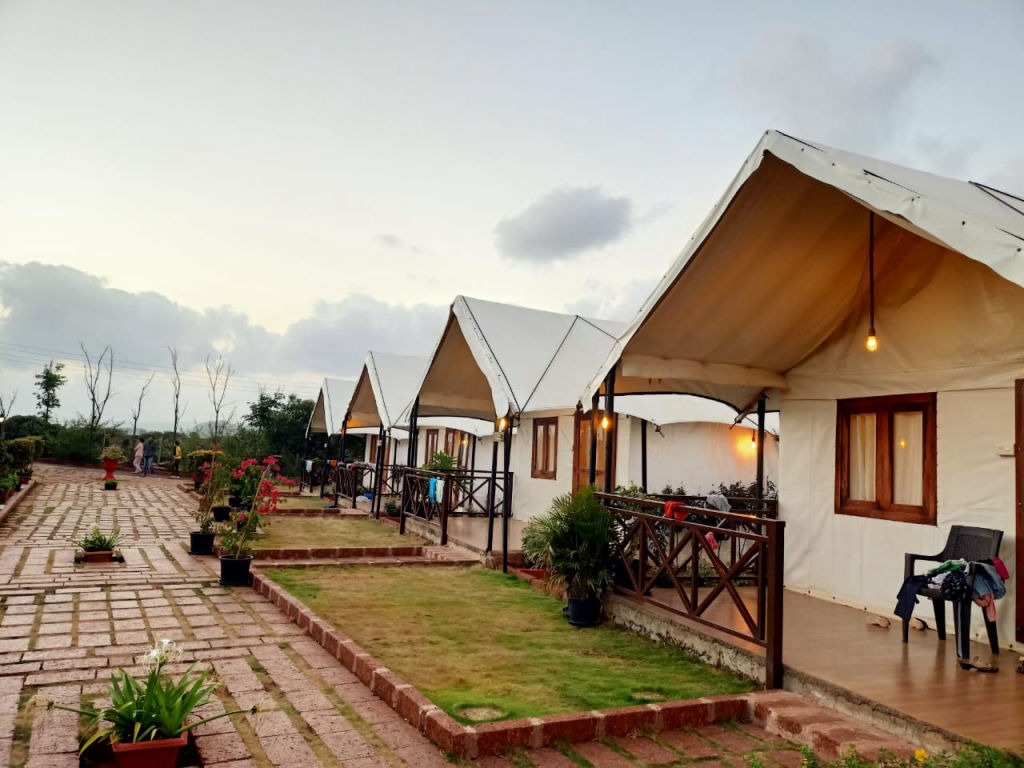
Travellers planning a multi-day getaway to explore the forts near Raireshwar and Bhor will find a variety of scenic accommodations across the region. Rustic riverside campsites, peaceful nature lodges, and family-run homestays are scattered throughout the hills near Bhor, Wai, and the tranquil shores of Dhom Lake. Reserving a homestay or camp through HireACamp offers an authentic way to experience local hospitality while staying close to the trailheads. Remaining near the base of the mountains reduces driving time, allowing you to wake up refreshed and start early hikes up peaks like Kamalgad Fort or Raireshwar Plateau in the cool morning light.
Written with AI from creators' posts and map data. Check prices and timings locally before you go.
19 places · 5 creator recommendations · Updated today
Ranked by how many independent creators recommend each place, not by who paid. The list updates itself as new posts come in.


Frequently asked questions
Which forts near Raireshwar, Bhor are suitable for beginner trekkers?
Kenjalgad and Raireshwar Plateau offer relatively straightforward ascents with well-defined trails, making them approachable options for beginners. Rohida Fort also features manageable gradients and preserved stone steps that suit newer hikers.
What is the ideal season to trek forts near Raireshwar?
The post-monsoon and winter months between October and February offer clear skies, comfortable temperatures, and dry paths that are ideal for trekking. The monsoon season from June to September brings lush greenery and waterfalls, though paths can be wet and slippery.
How challenging is the hike to Torna Fort?
Torna Fort features steep ascents and rugged ridge sections that make it a moderately challenging trek. Trekkers should prepare for rocky stretches and exposed heights along the bastions.
Can you explore multiple forts near Raireshwar in a single day?
Forts that sit close together, such as Kenjalgad and Raireshwar Plateau, can be combined into a single day trip if you start early. Larger fortresses like Raigad Fort or Torna Fort require more time and are best visited on dedicated excursions.
Is drinking water readily available atop these forts?
While several forts have historic rock-cut cisterns, the water may not be safe for direct consumption. It is recommended to carry adequate drinking water from the base village for the entire trek.
Stays near Raireshwar,Bhor
Make a trip of it