Temples near Bhati
Explore sacred destinations and architectural landmarks located within 40 km of Bhati in southern Delhi. The area features a mix of ancient heritage shrines, expansive modern complexes, and quiet houses of worship. This guide suits pilgrims, cultural travellers, and weekend visitors looking to experience the spiritual diversity of the National Capital Region.
Prominent temples near Bhati
The southern reaches of Delhi around Bhati offer straightforward access to several of the capital region's most prominent spiritual landmarks. The Bahá’í Lotus Temple, situated around 14 km away in Kalkaji, is widely recognized for its blossoming white petal architecture and tranquil open hall where visitors of all backgrounds gather in silent prayer and meditation. Just a short drive from there on Hare Krishna Hills sits the ISKCON Temple - Glory of India, dedicated to Lord Krishna and Radharani, which features ornate stone carving, vibrant prayer halls, and engaging Vedic cultural displays.
Further into South Delhi, Shri Yogmaya Temple, Mehrauli holds deep mythological significance as a shrine dedicated to the sister of Lord Krishna, retaining sacred customs amid the historic layers of the Mehrauli area. In nearby Hauz Khas, Shri Jagannatha Temple showcases traditional Kalinga-style architecture and honors Lord Jagannath, Balabhadra, and Devi Subhadra. Travelling towards central Delhi leads to Pracheen Hanuman Mandir, Connaught Place, one of the oldest places of worship in the city, where devotees gather throughout the week in the commercial heart of the capital.
Shrines across South Delhi and the Ridge
Closer to Bhati along the edge of the southern ridge, travellers can visit Shree Sidh Shaktipeeth Shanidham, located approximately 5 km away in Asola. Dedicated to Lord Shani Dev, this shrine draws devotees seeking relief through Vedic rites in an expansive setting away from congested city streets. A few kilometres further north lies Chhatarpur Temple, an extensive complex dedicated to Goddess Katyayani, marked by its massive marble pavilions, serene open courtyards, and festive gatherings.
Those interested in older regional traditions can also explore Kalkaji Devi Temple, an ancient shrine perched on a ridge near Kotla Mahigiran dedicated to Goddess Kali, or travel toward Pragati Maidan to see Sri Kilkari Baba Bhaironath Ji Pandav Kalin Mandir, a pilgrimage site associated in local folklore with the era of the Mahabharata. Across the state line in Gurugram, spaces like Sai Ka Angan offer a quiet, shaded retreat patterned after Shirdi, while Sheetla Mata Mandir serves as a prominent healing and folk shrine.
Best time to visit
The capital region experiences marked seasonal shifts throughout the year. The most comfortable period to explore temples around Bhati is during the cooler months from October to March, when daytime temperatures are mild and outdoor walking is pleasant. During these months, strolling through outdoor temple courtyards and landscaped gardens is effortless.
Summers from April to June bring intense heat across Delhi, making early morning visits or late evening aarti sessions much more comfortable. The monsoon season from July to September brings welcome showers, though occasional waterlogging can slow down traffic. Planning your outings around early mornings allows you to enjoy peaceful worship and avoid heavy city commutes.
Practical tips for your trip
When exploring temples across Delhi and Gurugram, respect traditional customs by dressing modestly, with shoulders and knees covered. Footwear must always be removed before entering sanctums and prayer halls, with most complexes offering designated shoe storage counters.
While photography of exteriors and gardens is allowed at sites like the Bahá’í Lotus Temple, photography inside sanctums is strictly prohibited at most Hindu shrines. Major festivals and Tuesdays or Saturdays at shrines like Pracheen Hanuman Mandir and Shree Sidh Shaktipeeth Shanidham often see larger crowds, so plan accordingly. Transit via the Delhi Metro network combined with local taxis or auto-rickshaws provides an efficient way to travel between sites without driving through heavy urban traffic.
Where to stay
Finding comfortable accommodation near the southern rim of Delhi allows you to balance visits to urban shrines with peaceful evenings away from downtown noise. The pastoral fringes near Bhati and the southern Aravalli ridge host a variety of restful options for weekend travellers.
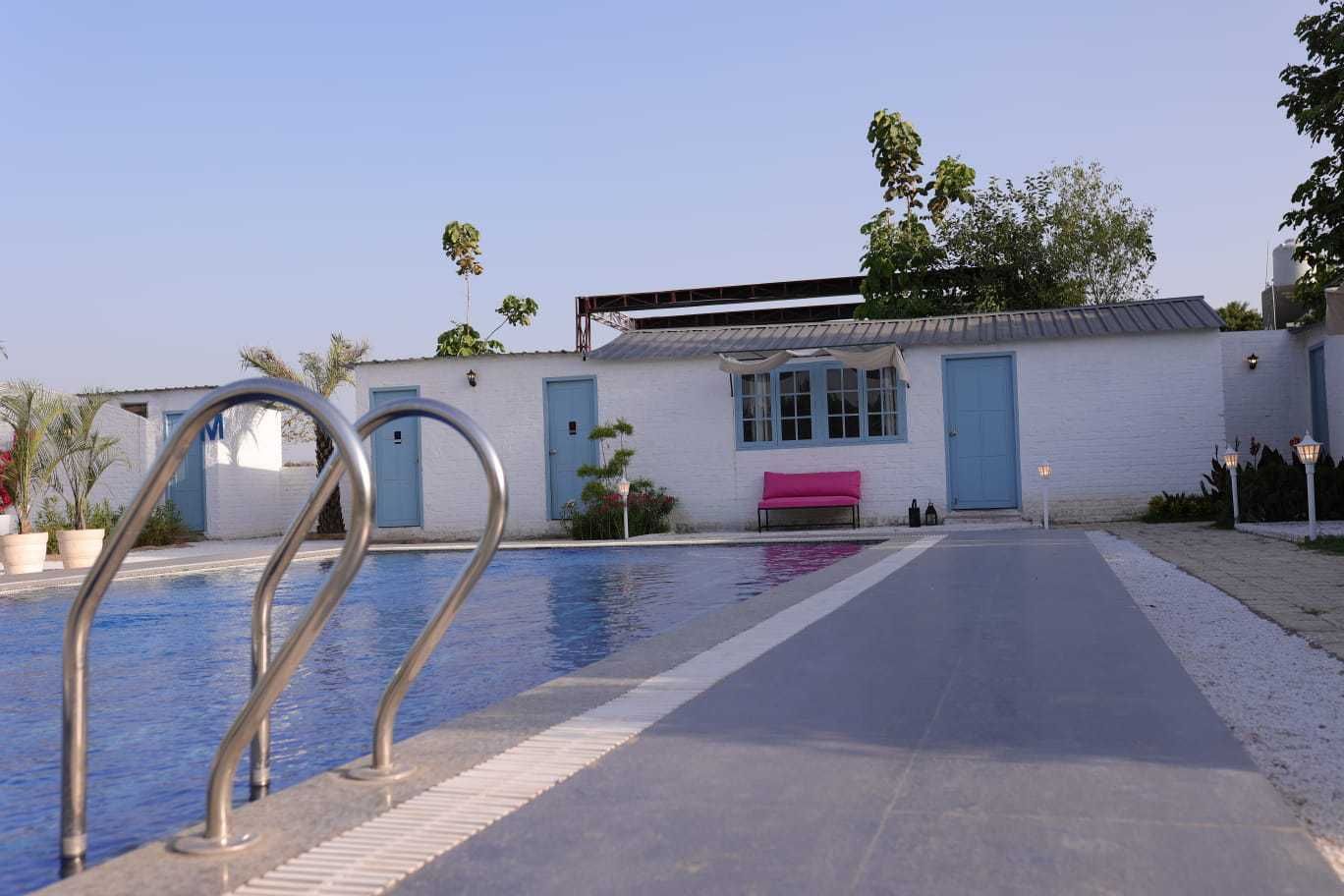
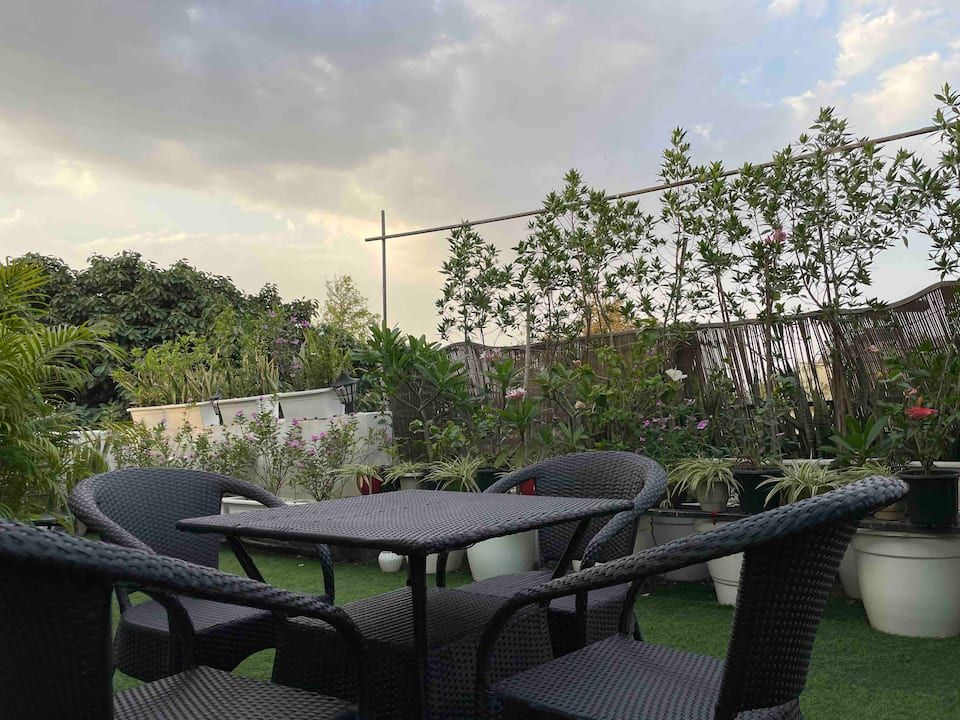
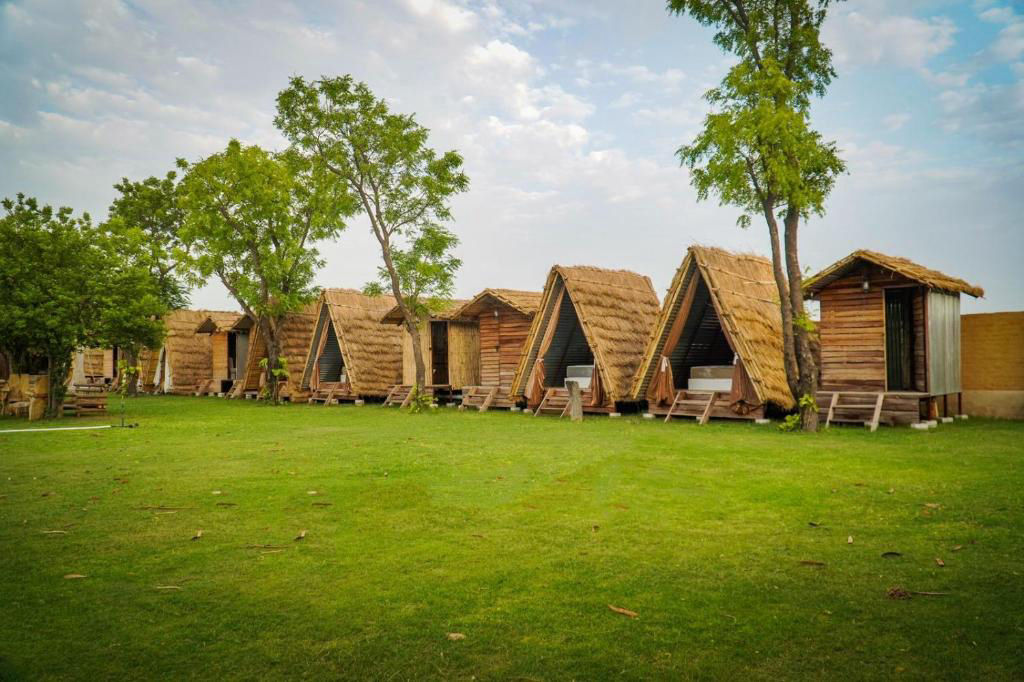
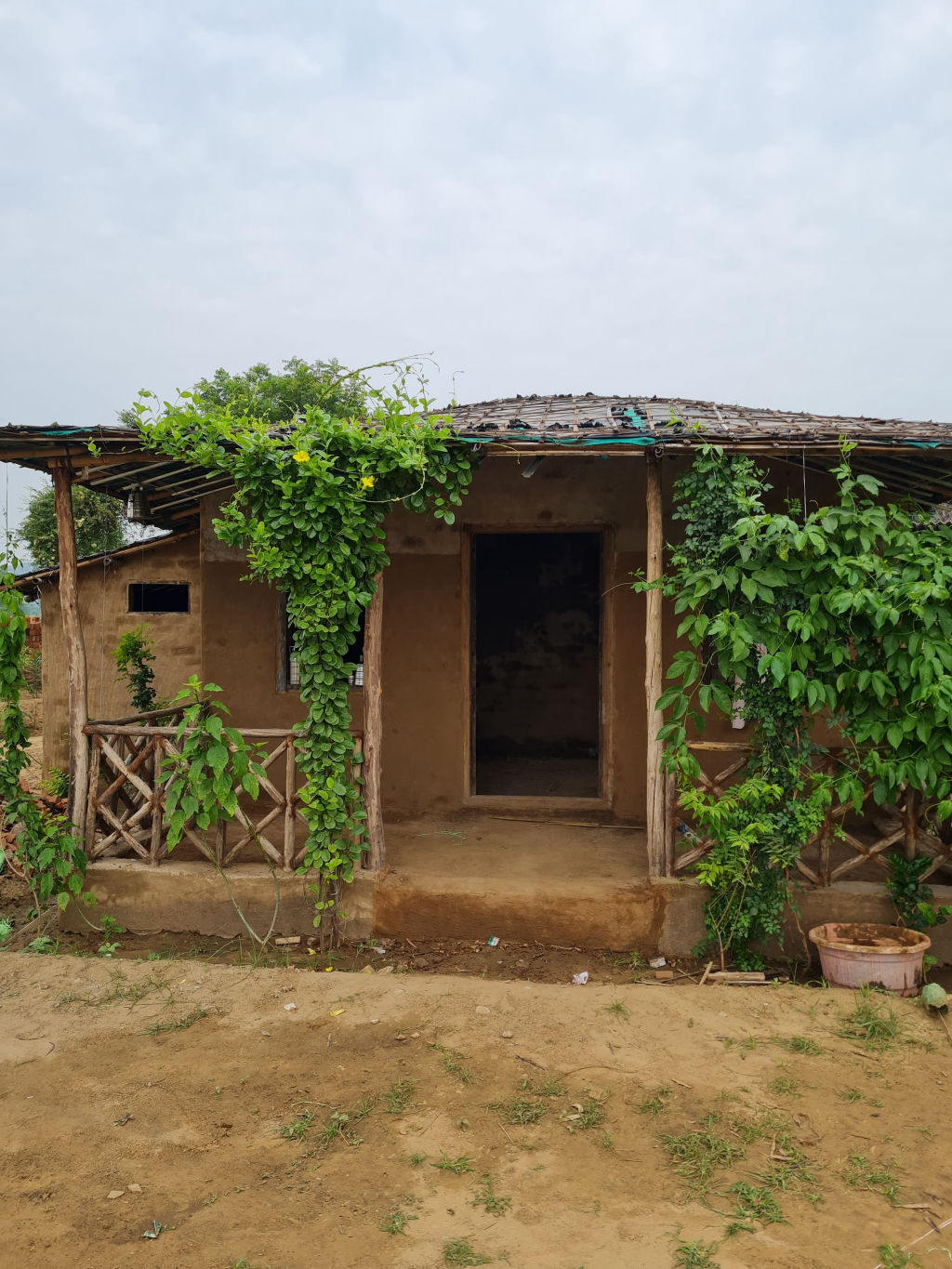
Travellers can find and book nature retreats, tranquil camps, and comfortable homestays nearby on HireACamp. Staying near the greener outskirts gives you a relaxed base from which you can easily organize morning visits to regional temples and cultural landmarks across South Delhi.
Written with AI from creators' posts and map data. Check prices and timings locally before you go.
23 places · 8 creator recommendations · Updated today
Ranked by how many independent creators recommend each place, not by who paid. The list updates itself as new posts come in.


Frequently asked questions
Which temples are closest to Bhati?
Shree Sidh Shaktipeeth Shanidham is the closest major shrine, located around 5 km away in Asola. Chhatarpur Temple and Shri Yogmaya Temple, Mehrauli are also nearby, situated within roughly 9 to 11 km of Bhati.
Is there an entry fee to visit the Bahá’í Lotus Temple or ISKCON Temple?
Places of worship like the Bahá’í Lotus Temple and ISKCON Temple - Glory of India do not charge standard entry fees for visitors entering to pray, meditate, or view the gardens. However, it is advisable to check locally regarding specific exhibition or parking fees.
What is the best way to travel to temples in South Delhi from Bhati?
Road travel via private car, taxi, or ride-hailing services is convenient for reaching nearby shrines like Chhatarpur Temple and Shanidham. For temples situated farther in central or east Delhi, connecting to the Delhi Metro network helps avoid traffic delays.
Are non-Hindus allowed inside these shrines?
Sites like the Bahá’í Lotus Temple welcome individuals of all faiths, beliefs, and backgrounds for quiet meditation and prayer. Most Hindu temples, including ISKCON Temple and Chhatarpur Temple, welcome all respectful visitors, though certain inner rituals may follow specific sanctum customs.
When are temples like Pracheen Hanuman Mandir most crowded?
Pracheen Hanuman Mandir in Connaught Place sees peak visitor crowds on Tuesdays and Saturdays, which are traditionally dedicated to Lord Hanuman. Visiting on weekdays during early morning hours typically provides a calmer experience.
Stays near Bhati
Make a trip of it