Temples near Bhundsi
This guide highlights revered temples near Bhundsi, spanning tranquil regional shrines in southern Haryana alongside prominent spiritual and architectural landmarks across Delhi. Whether you are interested in silent meditation, traditional rituals, or sacred art, the destinations suit pilgrims, cultural travellers, and families exploring the National Capital Region.
Notable spiritual landmarks near Bhundsi
The area around Bhundsi connects southern Haryana directly to South Delhi's spiritual corridor, making several prominent temples easily accessible. Among the most widely visited is the Bahá’í Lotus Temple in Kalkaji, located about 30 kilometres away. Renowned for its distinctive marble petal architecture and tranquil surrounding ponds, this House of Worship invites travellers of every faith to sit together in quiet contemplation.
Close by on Hare Krishna Hills sits the ISKCON Temple - Glory of India Vedic Cultural Centre, which offers an immersive devotional experience with its spacious prayer halls, Vedic exhibitions, and rhythmic daily services. Venturing towards the historic Mehrauli area, Shri Yogmaya Temple is situated around 23 kilometres from Bhundsi. Dedicated to the sister of Lord Krishna, it is celebrated for its deep mythological roots and centuries of cultural heritage. Further north in Hauz Khas, Shri Jagannatha Temple showcases classical Kalinga-style stone architecture and offers a calm devotional atmosphere maintained by the capital's Odia community.
Sacred heritage and ancient shrines
Travellers interested in age-old traditions will find significant historical places of worship slightly further into Delhi. Pracheen Hanuman Mandir in Connaught Place, located roughly 35 kilometres from Bhundsi, is one of the city's oldest and most frequented sanctuaries, drawing devotees day and night right in the central commercial district. Near Pragati Maidan, Sri Kilkari Baba Bhaironath Ji Pandav Kalin Mandir carries traditions associated with the Mahabharata era, known for its distinctive rituals and deeply rooted folklore.
Closer to central residential neighbourhoods, the Lord Shiva Temple near Gole Market provides an urban sanctuary for quiet prayer and meditation amidst the fast pace of the capital. If you prefer to stay closer to Bhundsi within Haryana, Siddhant Tirth Kshetra rests just about 9 kilometres away near the Aravalli hills, offering a serene Jain pilgrimage setting defined by quiet contemplation and traditional stone architecture.
Best time for temple visits
The National Capital Region experiences sharp seasonal shifts, making timing an important consideration when planning your route. The cooler months between October and March are widely considered the most comfortable period to explore these sites. During this window, moderate daytime temperatures allow you to walk through open courtyards, marble corridors, and landscaped gardens with ease.
Summer months from April to June bring intense heat and dry conditions, with daytime temperatures rising significantly. If you travel during this period, it is wise to visit shrines during the early morning hours or late in the evening when temperatures cool down. The monsoon season between July and September brings periodic rain and greener scenery along the Aravalli fringes, though sudden downpours can slow down regional road travel.
Tips for your temple visits
When planning visits to temples near Bhundsi, modest attire covering shoulders and knees is recommended out of respect for local traditions. Most shrines require visitors to take off footwear before entering sanctums and prayer halls, and many maintain managed shoe counters near their entrances.
Photography regulations vary across different complexes. While open gardens and outer facades may permit personal cameras, inner sanctums and prayer halls often prohibit photography and mobile phone use. It is always best to check locally for photography rules, special ritual schedules, and exact prayer timings before scheduling your route. Weekends and major religious festivals often draw heavy crowds, so visiting on weekdays can provide a more unhurried experience.
Where to stay near Bhundsi
Bhundsi lies near the southern reaches of Gurugram, where urban avenues give way to the undulating ridges and open farmland of the Aravalli hills. This setting makes it a pleasant base for travellers looking to combine temple excursions with a relaxed outdoor stay away from dense city traffic.
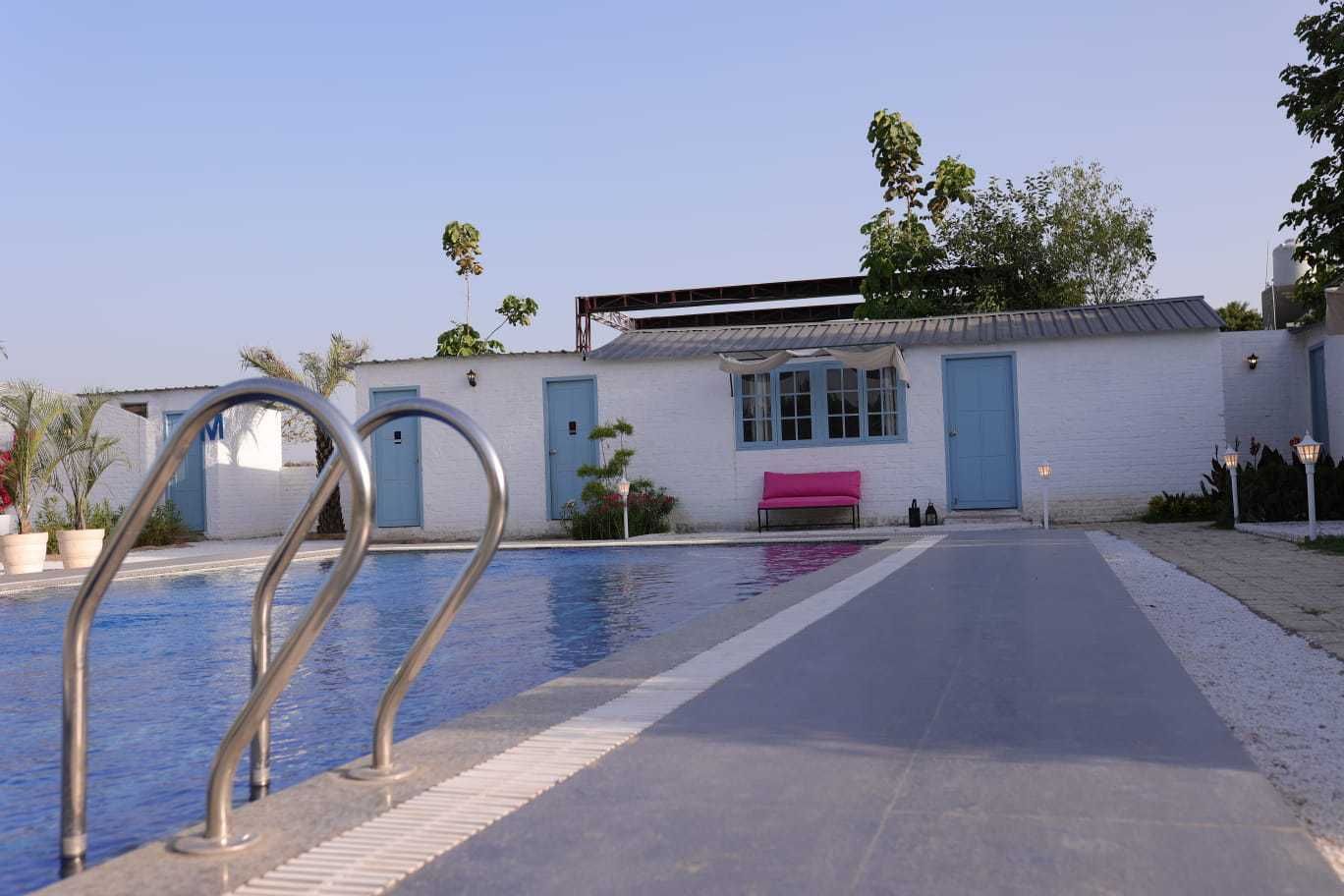
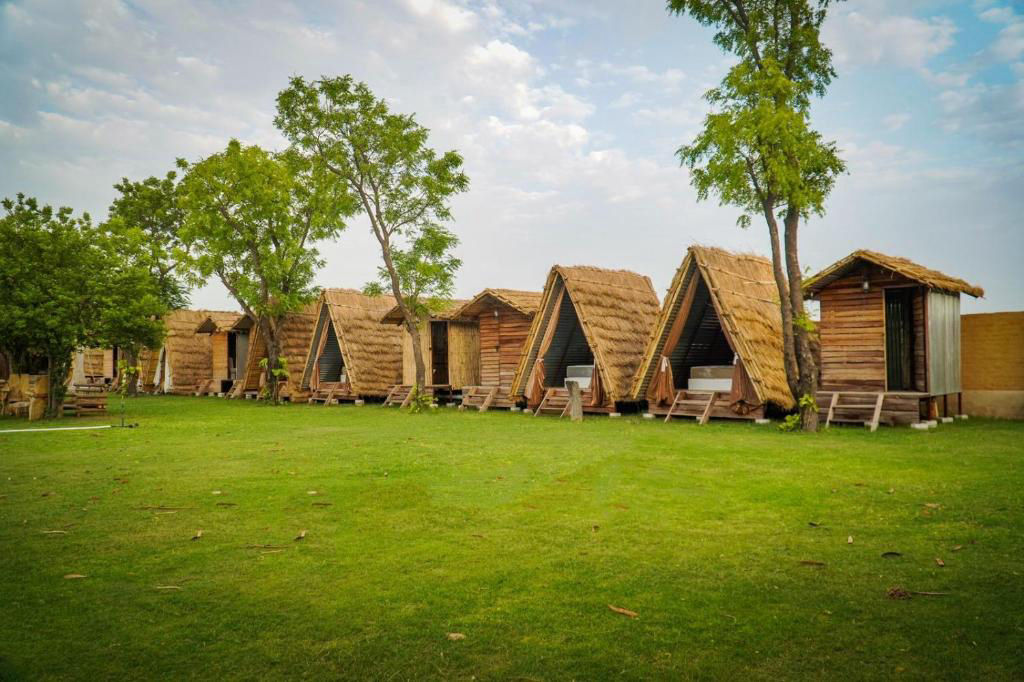
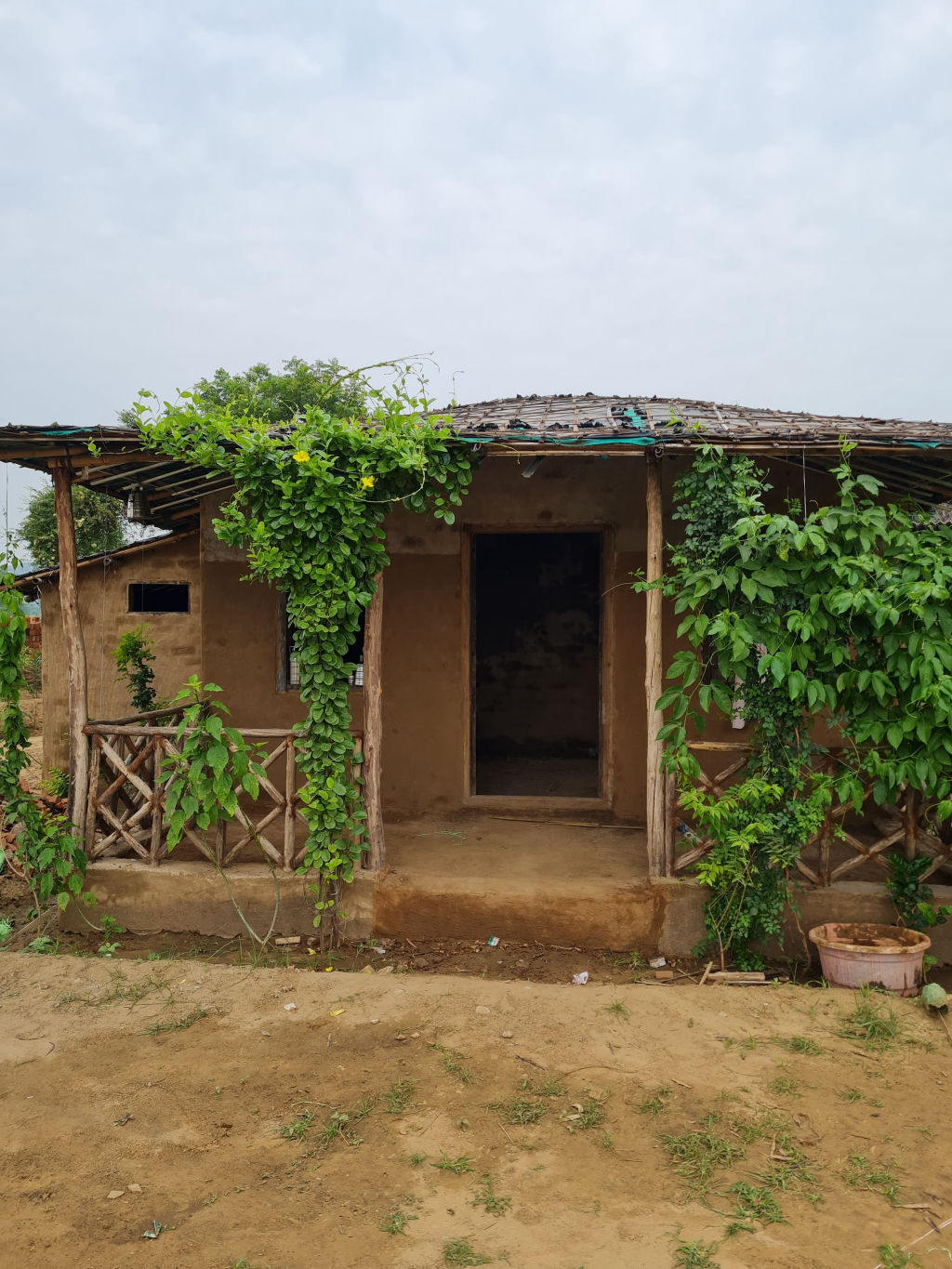
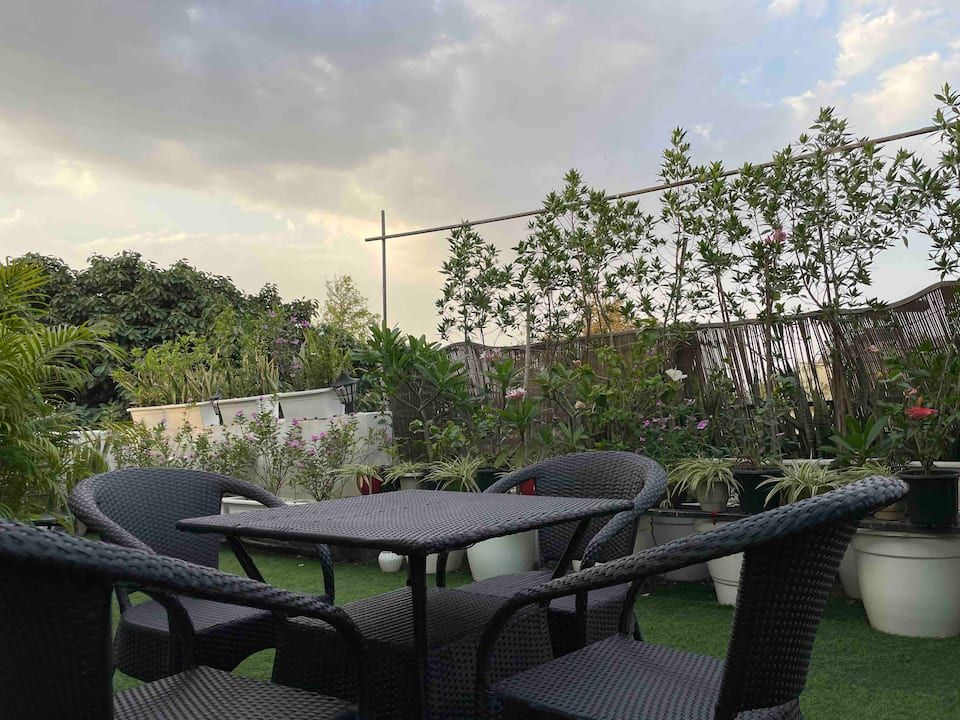
A variety of homestays, farm stays, and scenic outdoor camps near Bhundsi and the surrounding Aravalli countryside can be found on HireACamp. Choosing a stay in this green belt gives you quick access to local Haryana shrines while keeping South and Central Delhi within an easy day trip.
Written with AI from creators' posts and map data. Check prices and timings locally before you go.
22 places · 8 creator recommendations · Updated today
Ranked by how many independent creators recommend each place, not by who paid. The list updates itself as new posts come in.


Frequently asked questions
Which temples are located closest to Bhundsi?
Siddhant Tirth Kshetra is the nearest temple on the list, located approximately 9 kilometres away near the Aravallis. Sai Ka Angan and Sheetla Mata Mandir in Gurugram are also nearby, while South Delhi temples like Shri Yogmaya Temple are around 23 kilometres from Bhundsi.
What is the best time of year to visit temples around Bhundsi?
The winter months from October to March offer the most pleasant weather for visiting temples and exploring outdoor courtyards. During summer, early morning and post-sunset visits are recommended to avoid the midday heat.
Can people of all faiths visit the Bahá’í Lotus Temple?
Yes, the Bahá’í Lotus Temple is open to people of all backgrounds, beliefs, and faiths for silent prayer and contemplation. Visitors are encouraged to sit in quiet meditation inside the central hall regardless of their religious affiliation.
How do you travel between Bhundsi and South Delhi temples?
Temples in South Delhi are typically reached by road via Sohna Road and connecting regional corridors, with drive times usually ranging from 45 to 90 minutes depending on traffic. You can also connect to the Delhi Metro network in Gurugram for convenient transit into central areas.
Are there specific dress codes to follow at these temples?
Modest clothing that covers shoulders and knees is appropriate for visiting sacred sites in the region. Visitors are expected to remove footwear before entering inner prayer spaces, and some shrines may request head coverings.
Stays near Bhundsi
Make a trip of it