Temples near Connaught Place
Connaught Place sits at the center of Delhi, surrounded by some of the capital region's most prominent spiritual landmarks and historic temples. This guide highlights revered shrines, peaceful prayer halls, and architectural monuments situated within 40 kilometres of the central district. It suits travellers interested in sacred architecture, cultural history, and quiet spaces amidst the city.
Top spiritual landmarks near Connaught Place
Just a short distance from the colonnades of Connaught Place, visitors encounter several of Delhi's most visited places of worship. Located about one kilometre away along Baba Kharak Singh Marg, the Pracheen Hanuman Mandir is one of the capital's oldest and most revered shrines. Devotees and travellers visit throughout the day to witness traditional worship in the heart of the bustling commercial district.
Slightly further south, the Bahá’í Lotus Temple in Kalkaji stands out for its modern petals-of-marble design and tranquil surrounding ponds. The sanctuary welcomes people of all faiths to sit together in quiet prayer and silent reflection. In East of Kailash, the ISKCON Temple - Glory of India Vedic Cultural Centre sits on Hare Krishna Hills, drawing visitors for its devotional music, ornate halls dedicated to Lord Krishna and Radharani, and peaceful atmosphere. Near Pragati Maidan, Sri Kilkari Baba Bhaironath Ji Pandav Kalin Mandir connects visitors to ancient Delhi traditions associated with the Mahabharata.
Architectural and regional diversity
The temples located around the capital showcase a wide spectrum of traditional Indian building styles. Across the Yamuna River, Akshardham features monumental structures carved from Rajasthani pink sandstone and Italian marble, presenting centuries of spiritual history and traditional craft. Near Karol Bagh, the Laxminarayan Temple, commonly known as Birla Mandir, is admired for its reddish stone architecture, tall spires, and peaceful terraced gardens.
In South Delhi's Hauz Khas neighborhood, Shri Jagannatha Temple reflects classical Kalinga architecture and serves as a major focal point for the regional Odia community and annual Ratha Yatra celebrations. Further south in Mehrauli, Shri Yogmaya Temple preserves ancient devotional roots alongside Delhi's historic monuments. Travellers visiting the wider National Capital Region will also find grand marble complexes such as the Chhatarpur Temple and the Vallabh Smarak Jain Mandir in Alipore, as well as Gurugram's Sai Ka Angan, which recreates the quiet courtyard feel of Shirdi.
Best time to visit
Delhi experiences distinct seasons, with the months from October through March offering the most comfortable weather for walking through outdoor temple compounds and landscaped grounds. Mild winter afternoons make extended explorations of places like the Lotus Temple or Akshardham particularly pleasant.
During the peak summer months from April to June, visiting early in the morning or around sunset helps avoid the mid-day heat. Festive seasons such as Navratri, Janmashtami, and Diwali bring special decorations and evening ceremonies to temples like Kalkaji Devi Temple, Jhandewalan Temple, and Pracheen Hanuman Mandir, though travellers should expect significant crowds during these holy days.
Tips for your temple visits
Modest attire covering the shoulders and knees is appropriate when visiting sacred sites in and around Delhi. Footwear must be removed before stepping into temple halls and courtyards, and designated shoe stalls are typically available at the entrance.
Rules regarding electronic devices and photography differ by site. Silent meditation areas like the Bahá’í Lotus Temple ask visitors to refrain from photography indoors, while expansive complexes like Akshardham require mobile phones, bags, and cameras to be placed in cloakrooms before entry. Schedules for morning and evening aarti can shift with the seasons, so it is best to check locally before planning your timing.
Where to stay
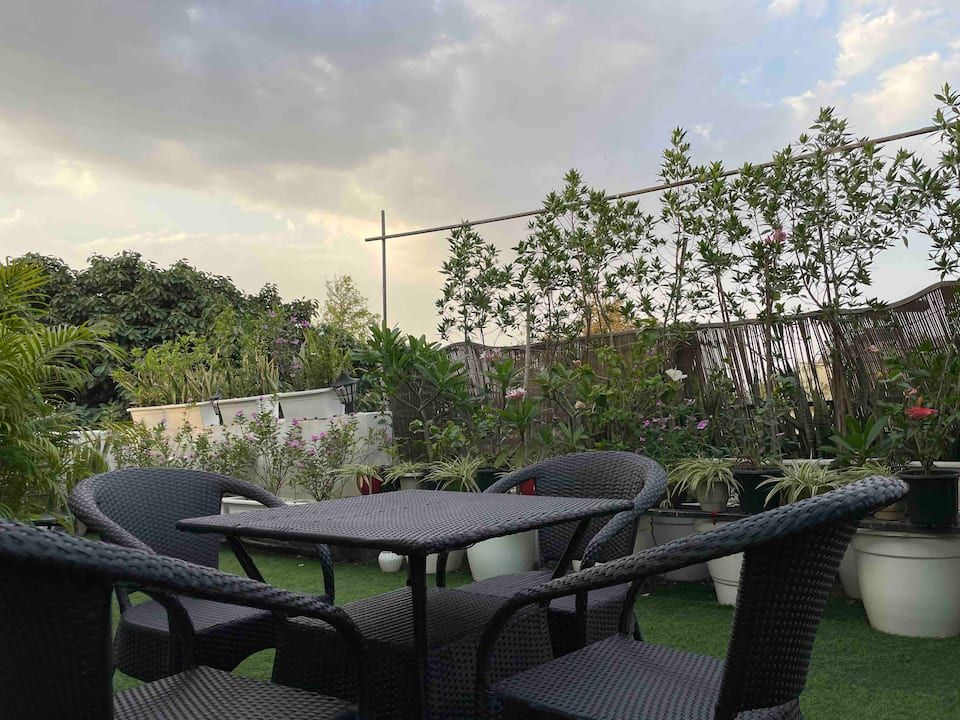
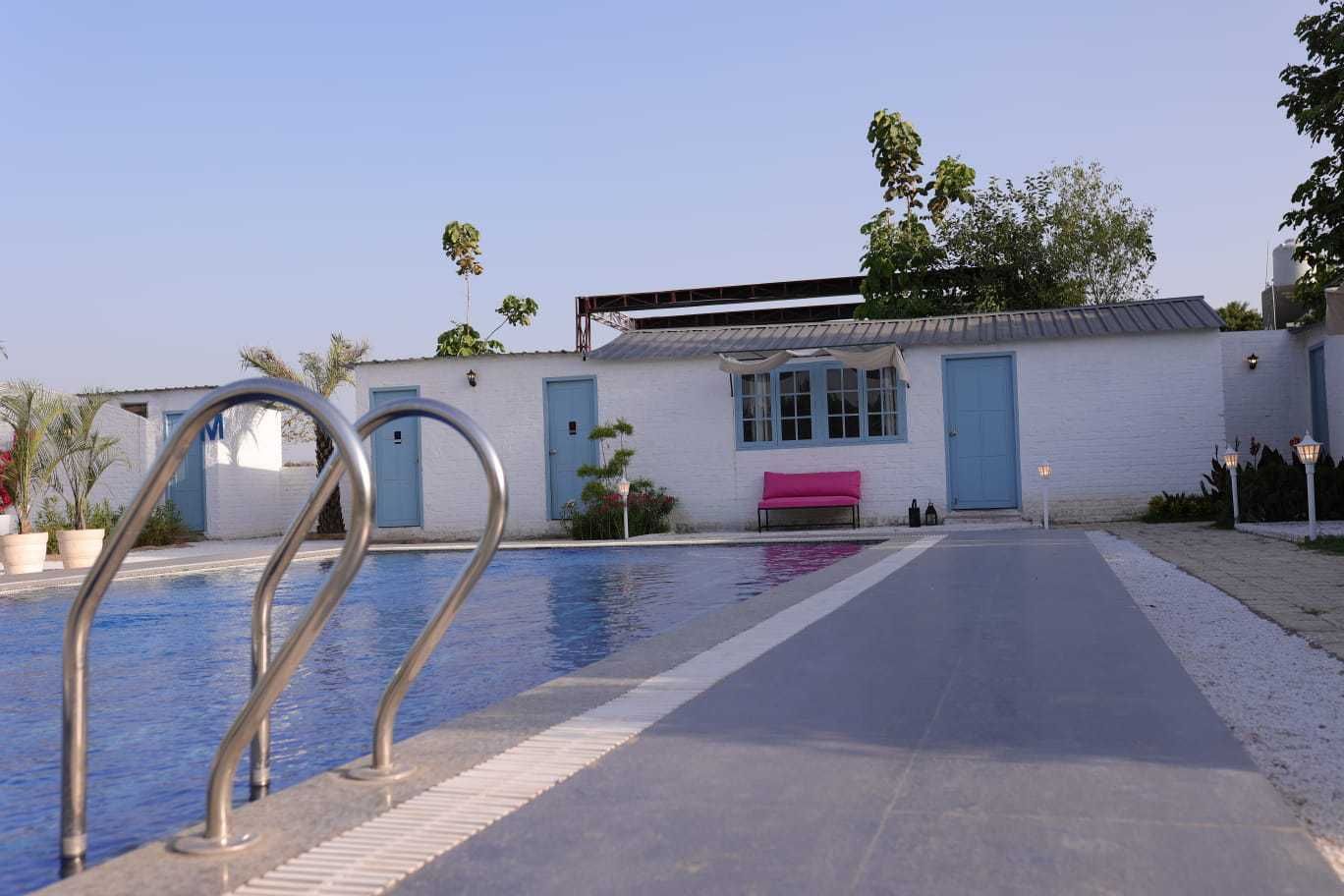
While central Delhi provides immediate access to metro corridors and urban amenities, travellers seeking open horizons and peaceful evenings can look toward the green outskirts of Delhi and Haryana. Independent homestays, nature retreats, and outdoor camps can be found on HireACamp for those who prefer a restful base outside the city center.
Written with AI from creators' posts and map data. Check prices and timings locally before you go.
22 places · 8 creator recommendations · Updated today
Ranked by how many independent creators recommend each place, not by who paid. The list updates itself as new posts come in.


Frequently asked questions
Which temples are closest to Connaught Place?
Pracheen Hanuman Mandir is approximately one kilometre away, and the Lord Shiva Temple near Gole Market is about two kilometres from the central circle. Sri Kilkari Baba Bhaironath Ji Pandav Kalin Mandir, Jhandewalan Temple, and Laxminarayan Temple are all located within roughly three kilometres.
Can people of any religion visit the Bahá’í Lotus Temple?
Yes, the Bahá’í Lotus Temple is open to people of all backgrounds, religions, and nationalities. It serves as a space for silent meditation and prayer, free of any specific religious idols or sermons.
Are mobile phones and cameras allowed inside Delhi temples?
Photography policies depend on the individual temple. Courtyard photography is allowed at many sites, but photography within sanctums is generally restricted, and certain complexes such as Akshardham require electronic devices to be deposited at security counters prior to entry.
How do you reach temples around Delhi from Connaught Place?
Most temples within central and southern Delhi are connected by the Delhi Metro network, local auto-rickshaws, and app-based taxis. Sites situated further out in Gurugram or Bahadurgarh are accessible by road or regional metro lines.
Stays near Connaught Place
Make a trip of it