Temples near Dunda
This guide covers prominent temples near Dunda across the lower Garhwal Himalayas of Uttarakhand, ranging from natural cave sanctuaries to high-altitude ridge shrines. It suits pilgrims, curious cultural travellers, and mountain walkers seeking sacred sites set against sweeping valleys and river confluences.
Top temple picks near Dunda
The landscape surrounding Dunda features several ancient temples frequently recommended by independent travellers. Tapkeshwar Mahadev Mandir, located on the outskirts of Dehradun, is one of the most prominent shrines in the area. Situated within a cool riverbed canyon, this ancient Shiva shrine sits inside a natural cave where mountain water steadily drips directly onto the Shiva Lingam. Visitors often walk along the surrounding riverbank to admire the statues and experience the tranquil waterside setting.
Further up in the hills near Dhanaulti lies Surkanda Devi Mandir, situated at an altitude of nearly 2,750 metres. Revered as one of the region's sacred Shakti Peethas, this mountain-top temple provides sweeping vistas of snow-dusted Himalayan peaks and deep forested valleys. For those who appreciate walking routes, Bhadraj Temple sits along the western ridgeline beyond Mussoorie. Dedicated to Lord Balbhadra, it draws visitors along an open ridge trail that provides expansive outlooks over Jaunsar Bawar and the Doon Valley.
Another serene spot in the surrounding terrain is Koneshwar Temple, situated close to Moldhar. Tucked under a dense canopy of deodar trees, this quiet Shiva temple provides an unhurried woodland atmosphere for travellers who prefer peaceful, shaded paths.
Historic and riverside shrines in the region
Beyond the higher ridges, the river valleys and foothill belts host deeply revered sanctuaries. Neelkanth Mahadev Temple, located in the hills near Rishikesh, marks a site tied to the cosmic lore of Lord Shiva and features striking regional architecture framed by wooded hills. Closer to the confluence of the Bal Ganga and Dharam Ganga rivers sits Budha Kedar Temple near Ghansali, known for its carved stone sanctum and associations with the Mahabharata.
Travellers exploring the wider Tehri area will also find shrines such as Chandrabadni Temple atop Chandrakoot mountain and Sem Mukhem Nagraja Temple, which is dedicated to the King of Serpents and surrounded by oak, pine, and rhododendron forests. Each site reflects the distinct architectural and devotional heritage of the Garhwal hills, offering insight into long-standing local traditions.
Best time of year to visit
The temperate mountain climate of Uttarakhand makes temple visits feasible throughout much of the year, though each season brings a distinct atmosphere. Autumn, from late September to November, brings clear blue skies, crisp air, and the sharpest views of distant Himalayan ranges from elevated shrines like Surkanda Devi Mandir and Bhadraj Temple.
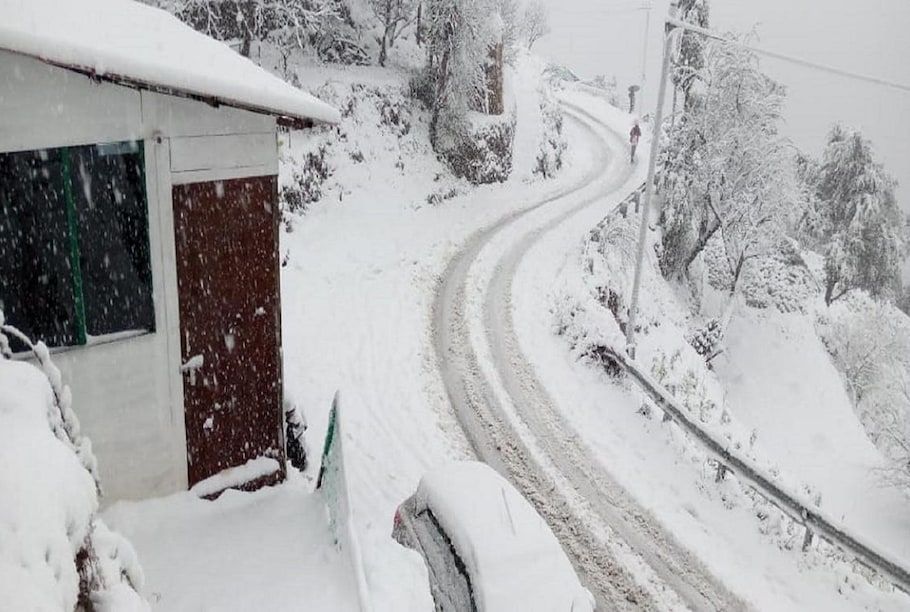
Spring months from March to May offer comfortable daytime temperatures and blossoming hillside flora, making ridge walks and woodland approaches particularly pleasant. The winter months from December to February bring chilly breezes and occasional snowfall to higher elevations, creating a dramatic landscape for hardy travellers. Monsoon brings lush green landscapes, but mountain driving routes require extra caution, so checking regional weather before departure is recommended.
Tips for planning your route
Distances between mountain destinations can take longer to navigate than highway stretches, so it is best to plan journeys with ample time for winding roads. Several high-altitude temples require a walk from the nearest road head. For example, reaching Surkanda Devi Mandir or following the ridge trail to Bhadraj Temple involves steady uphill walking, so sturdy shoes with reliable grip are recommended.
When visiting river and cave sites like Tapkeshwar Mahadev Mandir, expect damp stone steps and cool water along the pathways. As traditional places of worship, most shrines ask visitors to dress respectfully and remove footwear before stepping onto temple courtyards. Specific daily rituals, aarti schedules, and gate timings vary between seasonal months, so it is wise to confirm schedules locally upon arrival.
Where to stay nearby
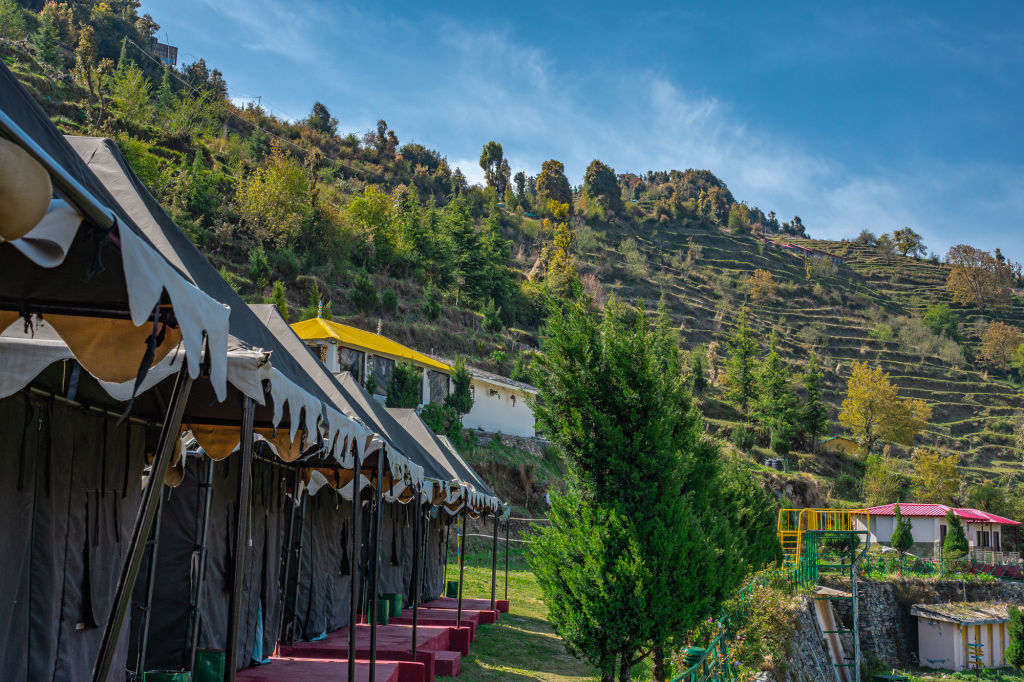
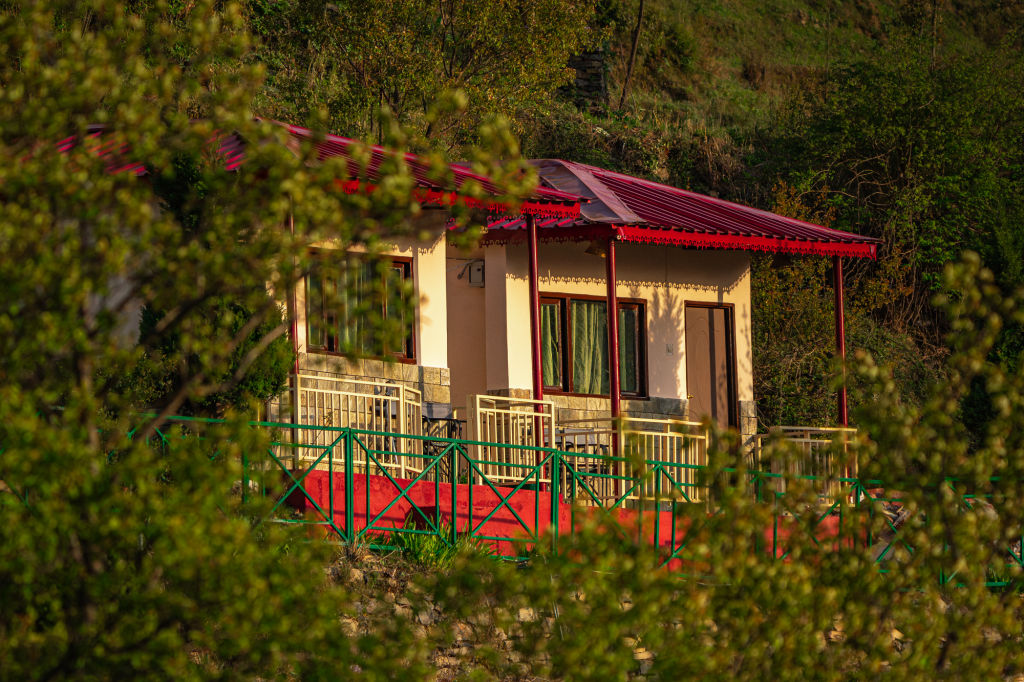
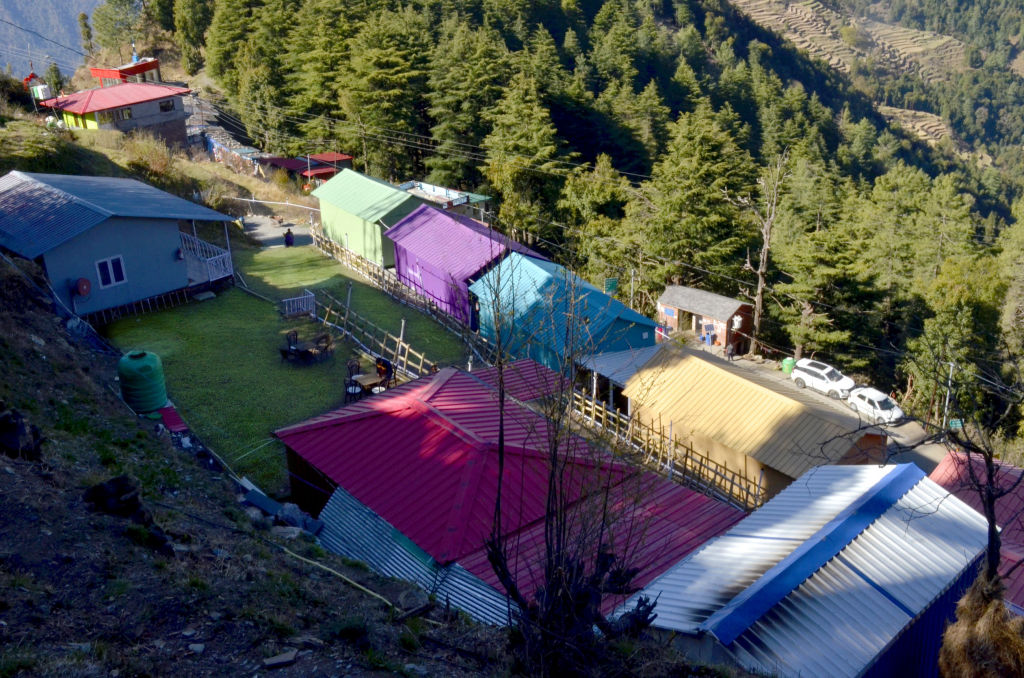
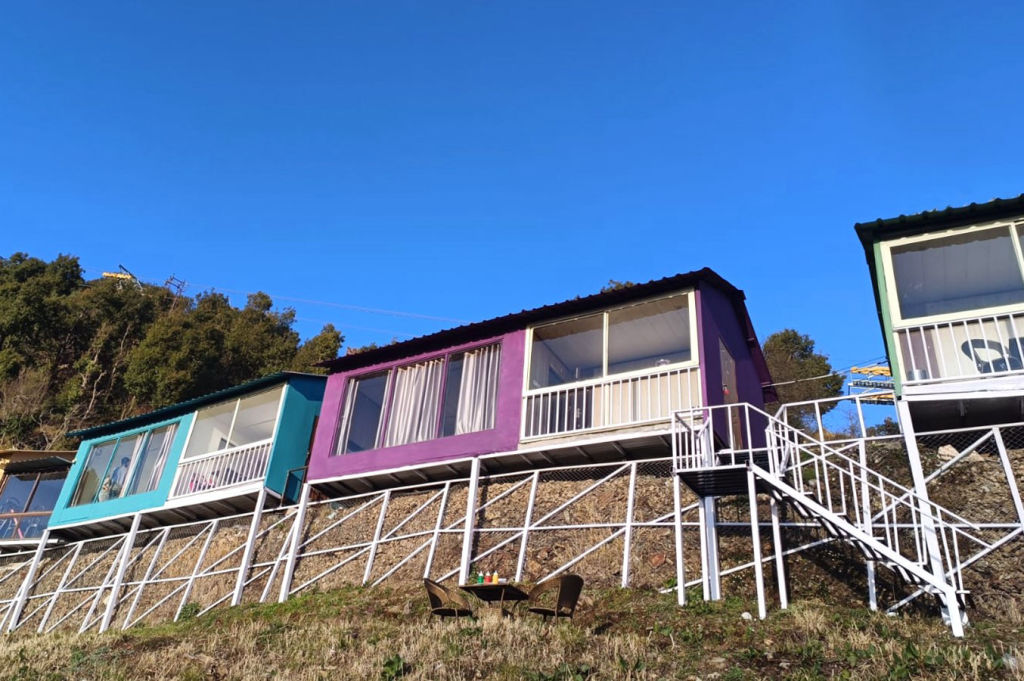
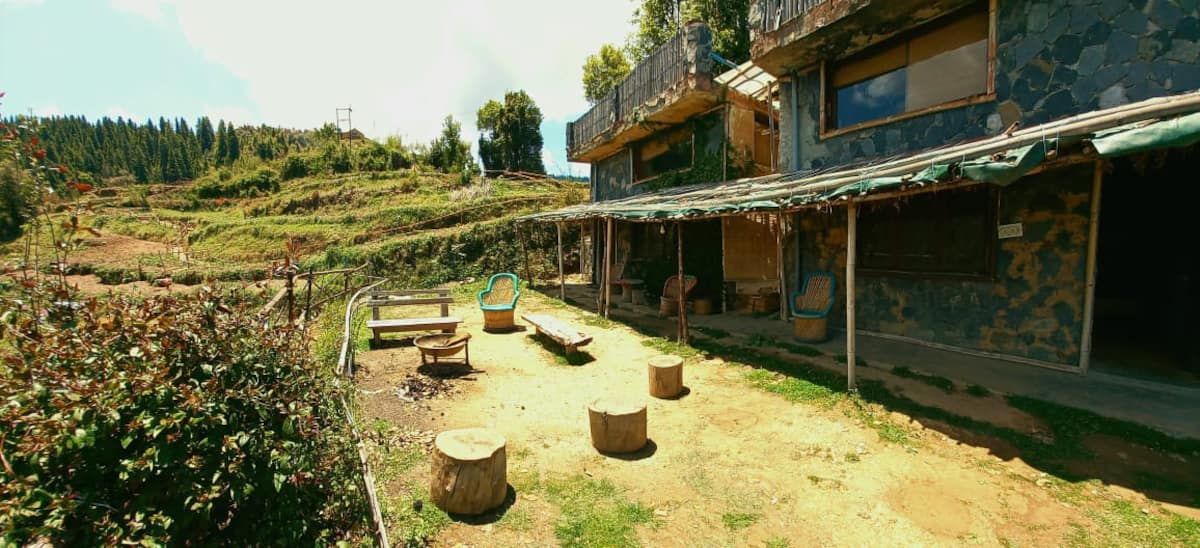
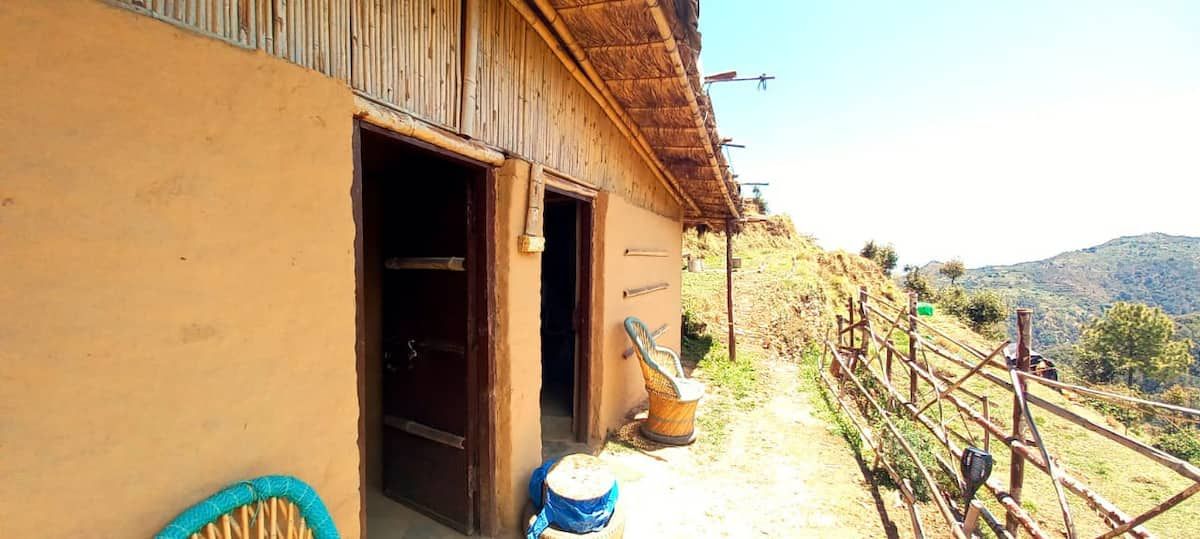
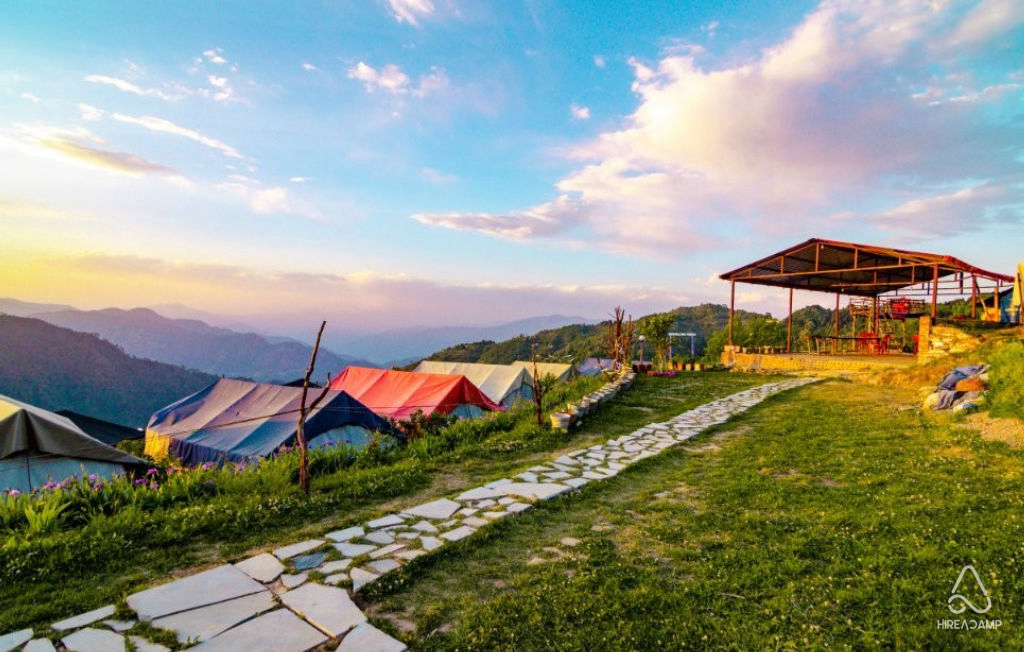
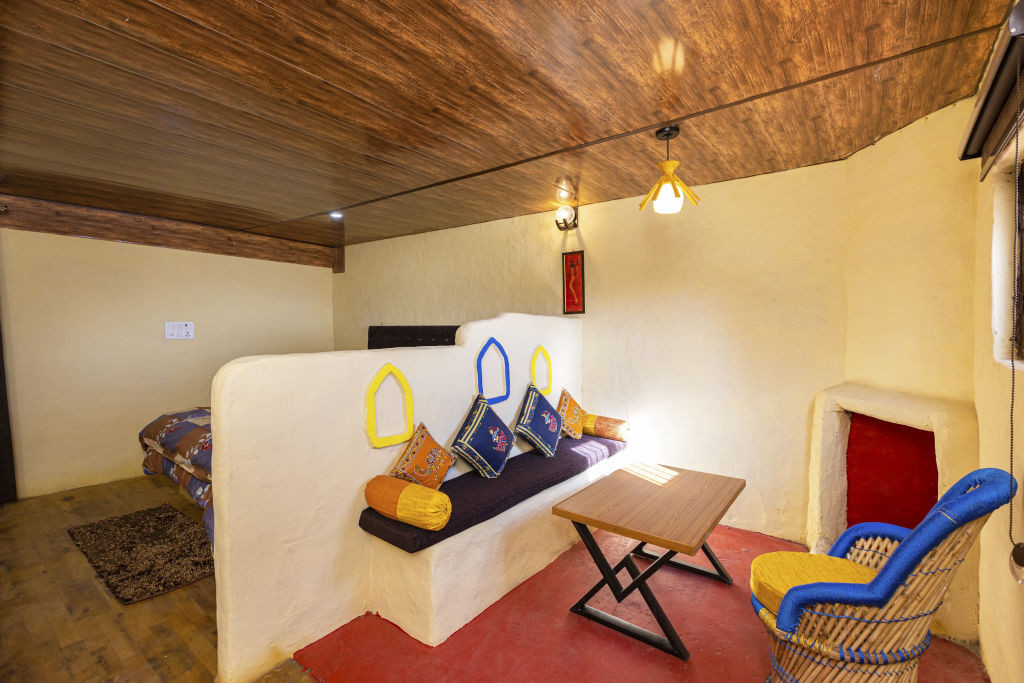
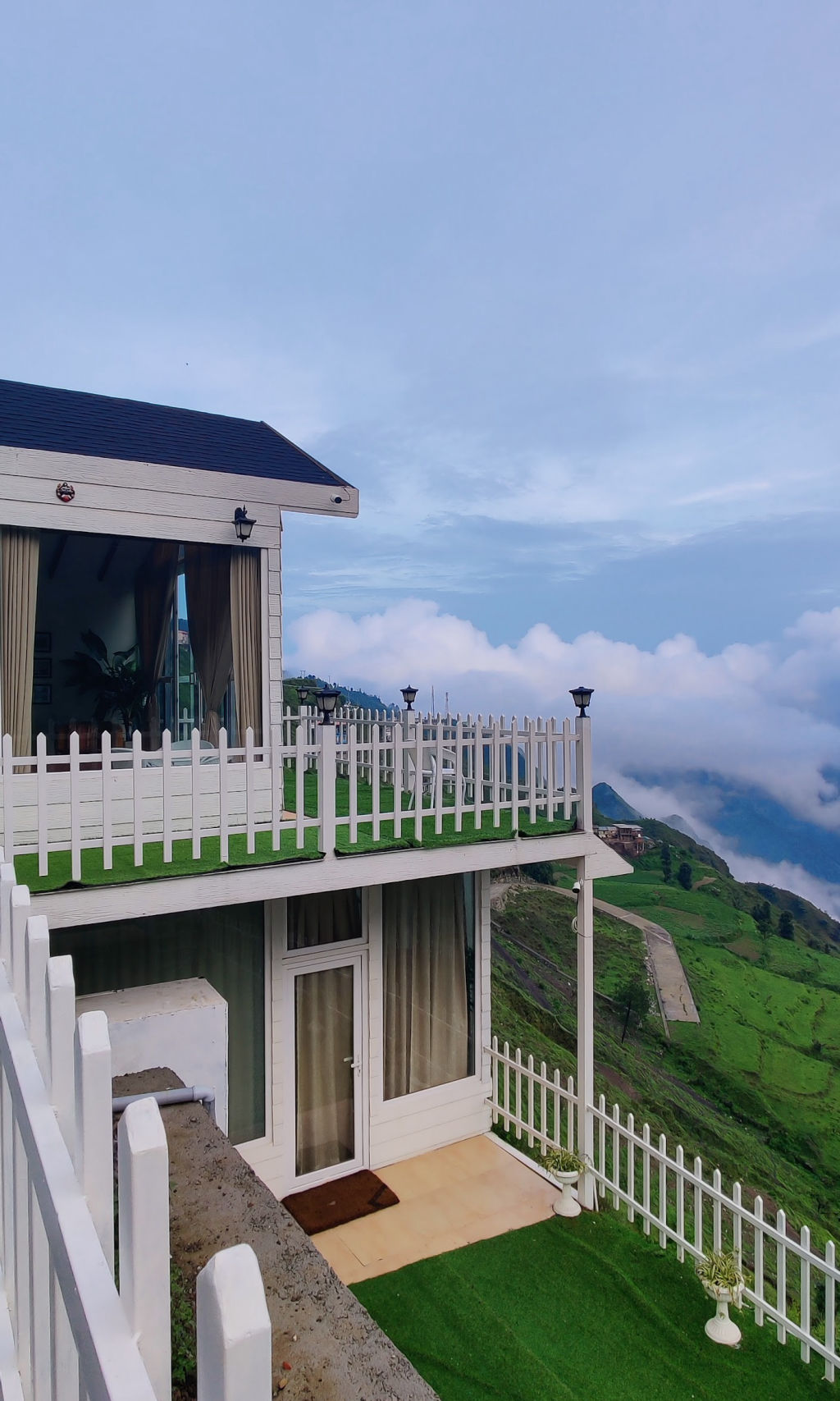
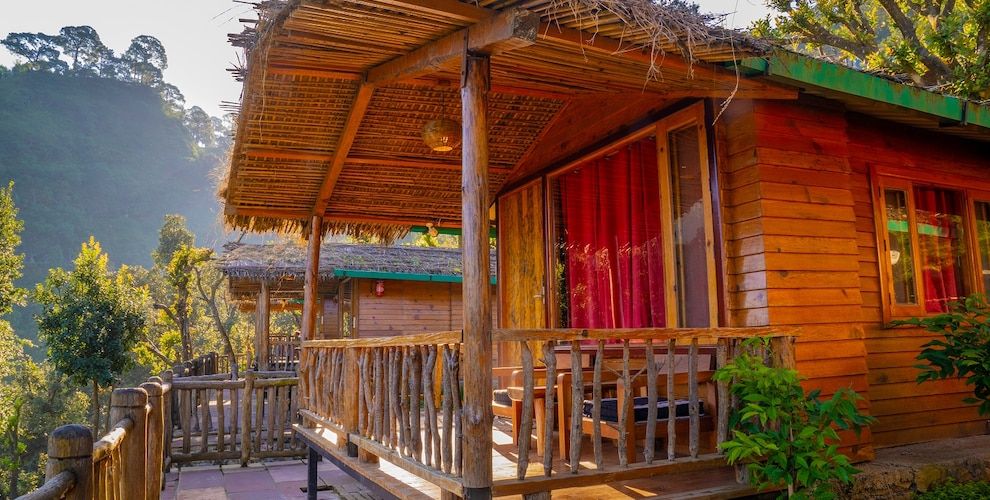
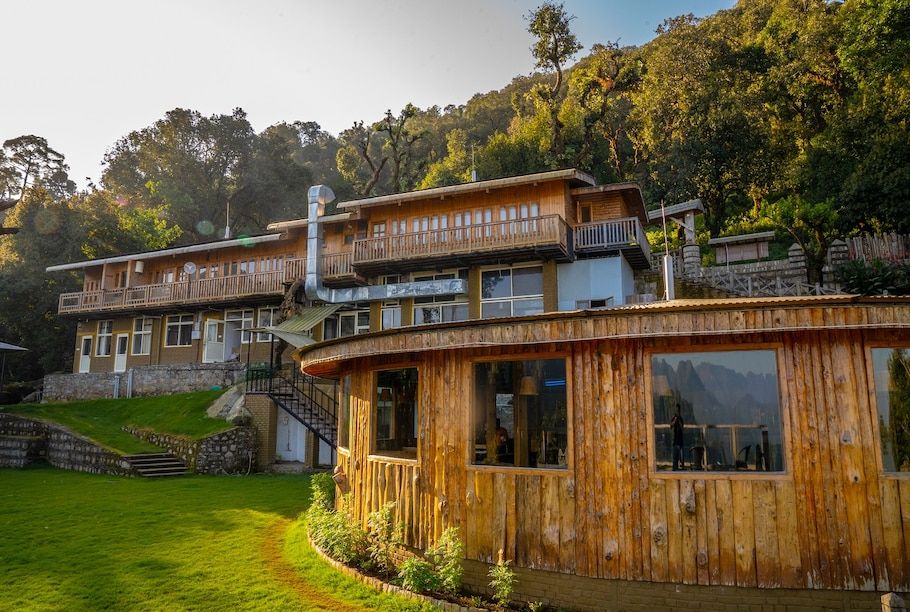
The area surrounding Dunda, Dhanaulti, Tehri, and Dehradun offers a wide variety of rural bases, ranging from village homestays to scenic riverside camps. Travellers planning a multi-day trip to explore these sacred shrines can browse verified stays, homestays, and nature campsites across the region on HireACamp.
Written with AI from creators' posts and map data. Check prices and timings locally before you go.
30 places · 11 creator recommendations · Updated today
Ranked by how many independent creators recommend each place, not by who paid. The list updates itself as new posts come in.


Frequently asked questions
Which temples near Dunda require walking or hiking?
Surkanda Devi Mandir involves an uphill walk along a designated mountain path from the road, while Bhadraj Temple is reached via an open ridgeline walking route beyond Mussoorie. Koneshwar Temple is also reached via a woodland path sheltered by deodar trees.
What is unique about Tapkeshwar Mahadev Mandir?
Tapkeshwar Mahadev Mandir is set inside a natural riverbed cave where water droplets continuously fall naturally onto the sacred Shiva Lingam beside a flowing mountain river.
Are there Shakti Peetha shrines close to Dunda?
Yes, Surkanda Devi Mandir near Dhanaulti and Chandrabadni Temple atop Chandrakoot mountain are both celebrated as prominent Shakti Peethas in the Garhwal region.
When is the best time to visit temples in this part of Uttarakhand?
Autumn and spring are widely considered the most comfortable times to visit, offering mild daytime temperatures, clear valley views, and pleasant conditions for outdoor walks.
Stays near Dunda
Make a trip of it