Temples near Garhi Harsaru
This guide highlights prominent temples and sacred landmarks situated within a short drive of Garhi Harsaru, spanning parts of Gurugram and the wider National Capital Region. It suits pilgrims, spiritual seekers, and architectural enthusiasts looking to plan mindful day trips or weekend temple visits.
Popular spiritual landmarks around Garhi Harsaru
The plains around Garhi Harsaru offer easy access to several renowned places of worship, ranging from serene modern prayer halls to centuries-old shrines. Among the most widely recommended is the Bahá’í Lotus Temple in the Kalkaji neighbourhood of New Delhi, roughly 33 km away. Shaped like a blooming white lotus blossom, this monumental House of Worship welcomes people of all faiths to sit together in silent meditation, complemented by tranquil surrounding gardens.
Just nearby in East of Kailash stands the ISKCON Temple - Glory of India Vedic Cultural Centre, situated about 33 km from Garhi Harsaru. Dedicated to Lord Krishna and Radharani, the complex draws worshippers with its ornate architecture, peaceful prayer halls, and engaging exhibits on Vedic philosophy. Together, these two sites offer thoughtful spaces for quiet reflection within the bustling urban landscape.
Historic shrines and architectural heritage
Travel a short distance east from Garhi Harsaru into South Delhi, and you will encounter sacred spaces with deep historical roots. Shri Yogmaya Temple, Mehrauli, located approximately 25 km away, is dedicated to Goddess Yogmaya, the sister of Krishna. Celebrated for its legendary origins and its connection to the historic Phool Walon Ki Sair festival, it provides a fascinating link between regional folklore and Delhi's layered past.
Closer to central New Delhi, about 28 km away, sits Shri Jagannatha Temple, Hauz khas. Established by the Odia community and dedicated to Lord Jagannath, Lord Balabhadra, and Devi Subhadra, the temple is known for its classic Kalinga-style stone architecture and sacred gatherings such as the annual Ratha Yatra. In the very heart of the capital around Connaught Place, about 34 km from Garhi Harsaru, Pracheen Hanuman Mandir continues to draw steady streams of worshippers seeking blessings at one of Delhi's most enduring and venerated places of worship.
Local shrines in Gurugram and surrounding Haryana
Devotees do not need to cross into Delhi to experience deeply cherished holy sites. Much closer to Garhi Harsaru, the historic Sheetla Mata Mandir in Gurugram stands roughly 9 km away, attracting large numbers of pilgrims seeking health and protective blessings for young children. Nearby, Siddhant Tirth Kshetra sits along Shikohpur Village Main Road, around 8 km away near the rising slopes of the Aravalli range, offering a quiet Jain sanctuary removed from the city's commercial hubs.
Further into the neighbouring countryside, places like Mubarik Pur Budho Mata Mandir showcase the folk traditions and rural heritage of Haryana. In Bahadurgarh, Ganpati Dham Bahadurgarh and ISKCON Bahadurgarh welcome spiritual seekers travelling along the Delhi-Haryana border, while Chhudani Dham near Pasaur provides a serene destination associated with the devotional poetry and legacy of Sant Garib Das.
Best time for temple visits
The cooler months between October and March are generally the most comfortable time to explore temples near Garhi Harsaru and across the National Capital Region. Autumn and winter bring pleasant daytime temperatures, making long walks through temple gardens and open marble courtyards far more enjoyable than in the intense heat of summer.
Monsoon season, from July through September, brings periodic rain showers that freshen the surrounding greenery, though visitors should anticipate humid conditions and potential traffic delays. Major religious festivals draw remarkable energy and elaborate decorations to shrines like Sheetla Mata Mandir, Pracheen Hanuman Mandir, Connaught Place, and ISKCON Temple - Glory of India, but pilgrims should expect higher crowds during these holy days.
Travel tips and etiquette
When planning your visits, keep in mind that travel times across the National Capital Region can fluctuate significantly based on peak traffic hours. Setting out early in the morning often ensures a quieter journey and peaceful moments within the prayer halls before peak visitor hours begin.
Temples require visitors to remove their footwear before entering inner sanctuaries, so wearing easily slip-on shoes is practical. Dress modestly to respect sacred customs, covering shoulders and knees. Some sites, such as the Bahá’í Lotus Temple, maintain strict silence inside the prayer hall and do not permit photography indoors, so always observe posted guidelines and confirm specific prayer timings locally.
Where to stay nearby
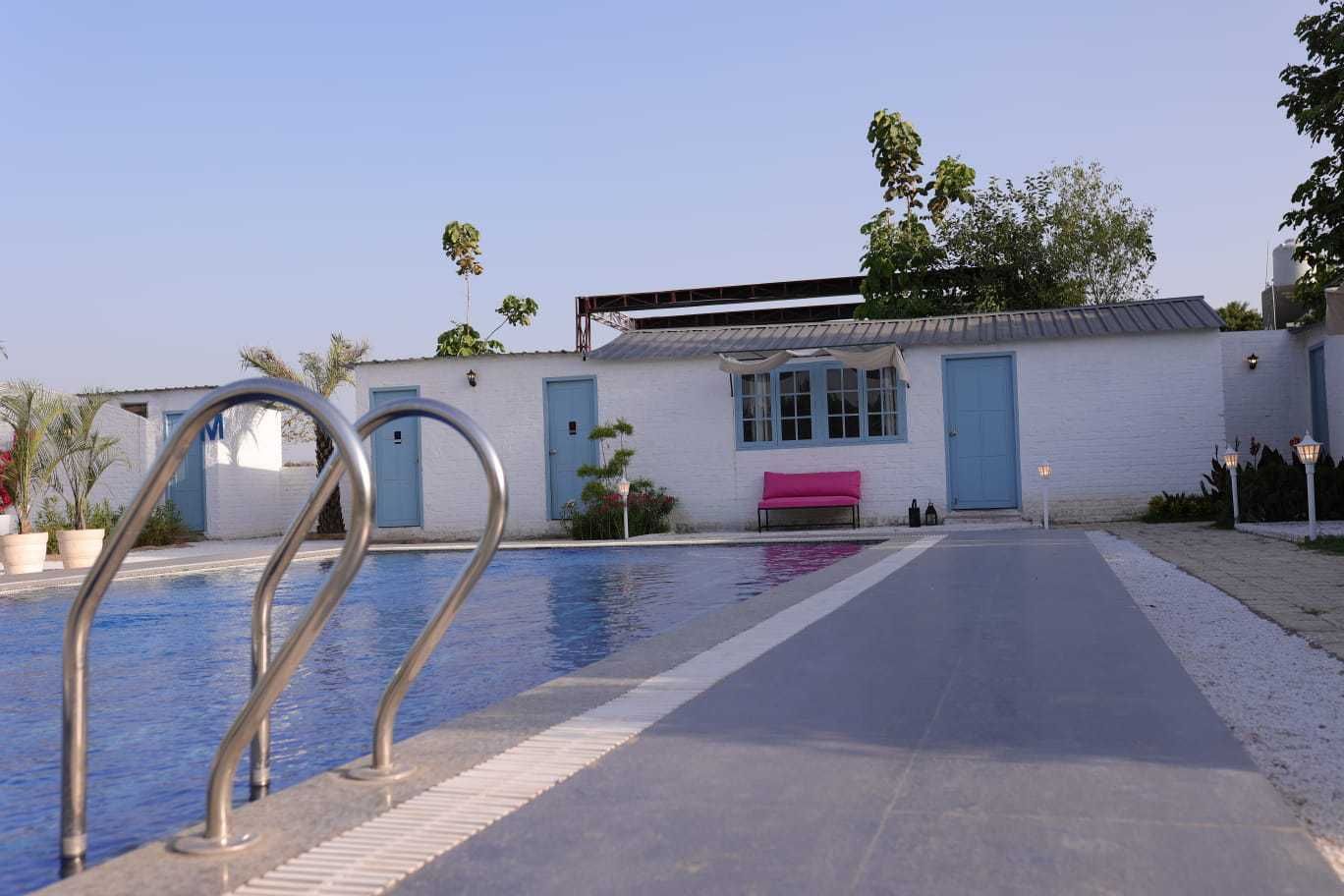
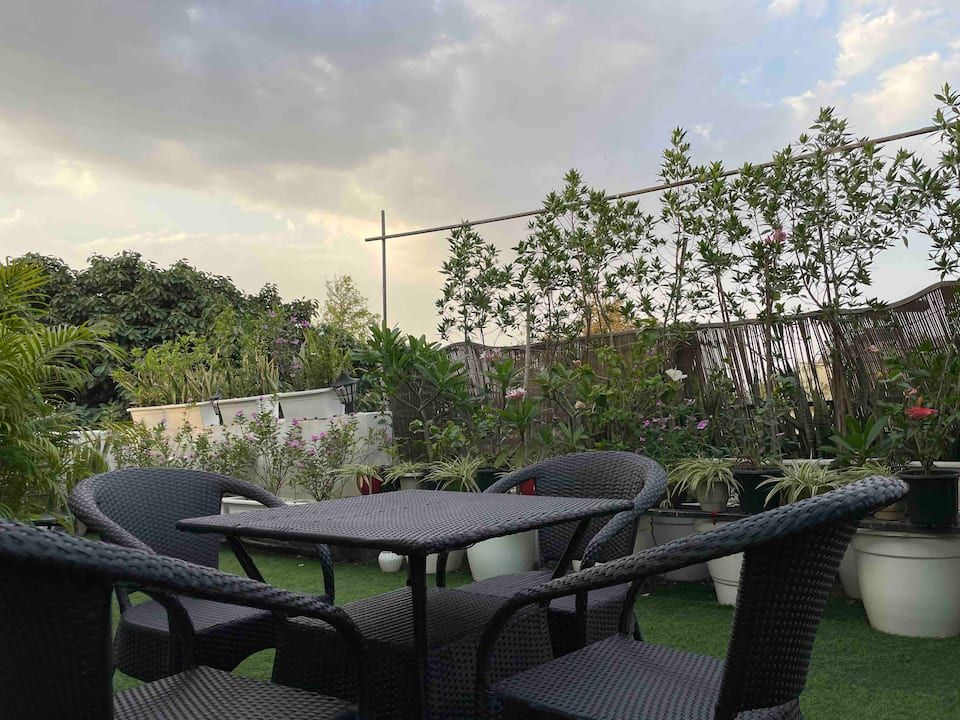
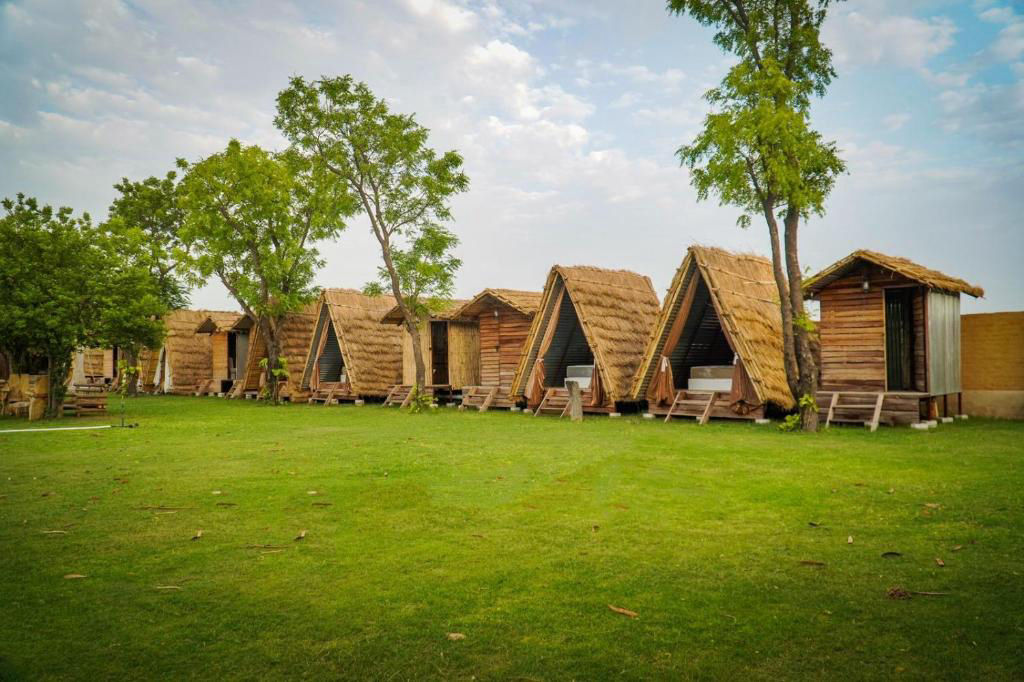
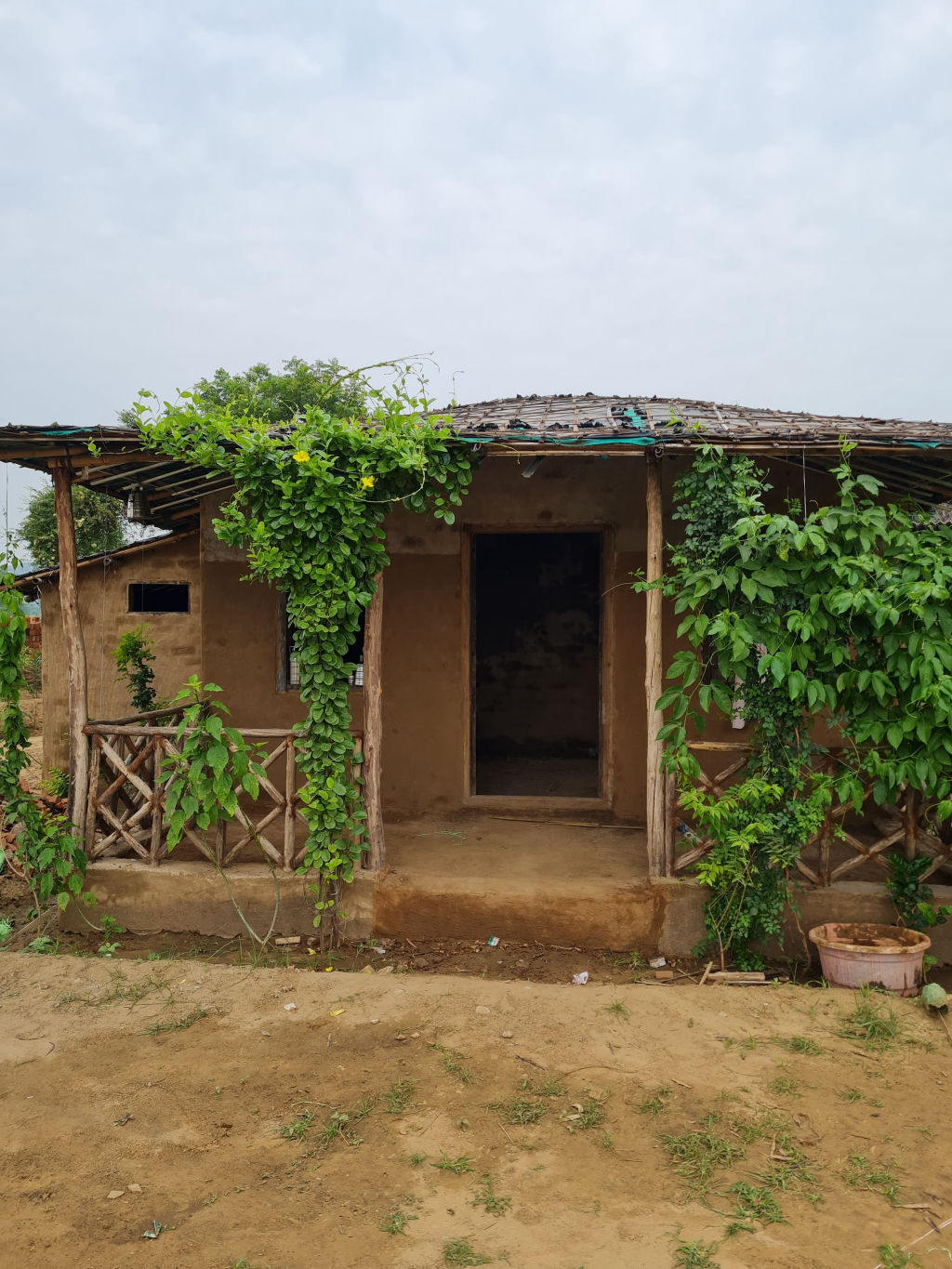
If you are planning an extended pilgrimage or a weekend spiritual tour around Garhi Harsaru, Gurugram, and South Delhi, consider booking a base outside the crowded city centres. You can explore a variety of peaceful farm stays, homestays, and outdoor camps on HireACamp, giving you a relaxing space to rest after a full day of visiting holy sites.
Written with AI from creators' posts and map data. Check prices and timings locally before you go.
25 places · 8 creator recommendations · Updated today
Ranked by how many independent creators recommend each place, not by who paid. The list updates itself as new posts come in.


Frequently asked questions
Which are the closest temples to Garhi Harsaru?
Siddhant Tirth Kshetra and Sheetla Mata Mandir in Gurugram are among the closest sites, situated around 8 km and 9 km from Garhi Harsaru respectively.
Can people of all faiths enter the Bahá’í Lotus Temple?
Yes, the Bahá’í Lotus Temple welcomes visitors of all religions, backgrounds, and nationalities to sit in silent prayer or quiet meditation within its main sanctuary.
What is the best way to travel to temples in South Delhi from Garhi Harsaru?
Most shrines in South Delhi, such as Shri Yogmaya Temple, Mehrauli and Shri Jagannatha Temple, Hauz khas, are roughly 25 to 35 km away and can be reached by road via private taxi or personal vehicle, though morning travel avoids the heaviest traffic.
Are photography and mobile phones allowed inside these temples?
Policies vary between sites; while exterior photography of gardens and architecture is often permitted, photography and loud phone usage are strictly prohibited inside inner prayer halls, so it is best to check signs locally on arrival.
Stays near Garhi Harsaru
Make a trip of it