Temples near Saiyad-ul-ajaib
This guide highlights notable temples near Saiyad-ul-ajaib, ranging from celebrated architectural marvels to time-honoured neighbourhood shrines across South and Central Delhi. It suits pilgrims, history lovers, and travellers seeking peaceful devotional landmarks within easy reach of the southern capital. Readers will find practical advice on local heritage, seasonal planning, and navigating Delhi's spiritual spaces.
Top temple picks near Saiyad-ul-ajaib
Saiyad-ul-ajaib sits in South Delhi right beside the historic Mehrauli area, placing it within short driving distance of several renowned places of worship. Among the most popular stops is the Bahá’í Lotus Temple in Kalkaji, located roughly seven kilometres away. Celebrated for its petal-like white marble architecture and tranquil surrounding gardens, the House of Worship welcomes people of all faiths and backgrounds to meditate and pray in silence.
A short distance from there, situated on Hare Krishna Hills in East of Kailash, stands the ISKCON Temple - Glory of India Vedic Cultural Centre. Dedicated to Lord Krishna and Radharani, the sanctuary attracts visitors for its ornate classical architecture, daily prayer services, and cultural exhibits on Vedic philosophy.
Closer to Saiyad-ul-ajaib, travellers can visit Shri Yogmaya Temple in Mehrauli, situated approximately two kilometres away. Dedicated to Goddess Yogmaya, this ancient shrine holds deep mythological significance and plays a vital role in the historic Phool Walon Ki Sair festival. Nearby in Hauz Khas, Shri Jagannatha Temple offers an authentic look at classical Kalinga-style architecture, serving as a peaceful spiritual centre for South Delhi's Odia community.
Historic and revered shrines across Delhi
Heading towards the heart of the capital reveals several long-standing shrines intertwined with city history. Pracheen Hanuman Mandir in Connaught Place, around twelve kilometres from Saiyad-ul-ajaib, is one of the oldest active temples in New Delhi, welcoming devotees throughout the day in the centre of the city. Near Pragati Maidan, Sri Kilkari Baba Bhaironath Ji Pandav Kalin Mandir preserves traditional folklore connected to the Mahabharata and is visited for its distinct ritual customs.
South Delhi also hosts substantial temple complexes such as the Chhatarpur Temple, dedicated to Goddess Katyayani, which spans expansive grounds adorned with intricate marble carvings. Further east, Kalkaji Devi Temple rests on an elevated ridge near Kotla Mahigiran, drawing worshippers dedicated to Goddess Kali. If you are travelling near Gole Market in central New Delhi, the Lord Shiva Temple provides an accessible urban sanctuary for quiet contemplation amidst busy city life.
Best time to visit
Delhi experiences distinct seasons, with the cooler months from October to March offering the most comfortable conditions for temple visits. Daytime temperatures during winter remain pleasant, making it easy to stroll through the landscaped grounds of larger complexes like the Lotus Temple or Chhatarpur Temple without the fatigue of summer heat.
If you plan to visit between April and June, consider scheduling your visits for the early morning or evening hours when the temperature is milder. Auspicious occasions such as Navratri, Janmashtami, and Maha Shivratri bring vibrant celebrations, devotional music, and elaborate floral displays to these shrines, though visitors should expect larger gatherings and longer queues during these festive dates.
Tips for your temple trips
Dress modestly when planning a temple circuit in Delhi, ensuring that shoulders and knees are covered as a mark of respect across all traditions. You will be asked to take off your footwear before entering temple halls; most larger sites provide designated shoe-keeping counters near the gates.
Traffic in the National Capital Region can vary greatly depending on peak office hours, so combining metro travel with short auto-rickshaw rides is often the most reliable way to move between South Delhi neighbourhoods and Central Delhi. Inquire locally about daily prayer timings and photography policies, as several sanctuaries prohibit phone and camera use inside their inner sanctums.
Where to stay
Choosing accommodation in South Delhi or along the greener edges of the National Capital Region allows you to explore these spiritual landmarks while avoiding dense commercial traffic. Neighbourhoods near the southern ridge provide convenient access to heritage quarters like Mehrauli, Hauz Khas, and Kalkaji.
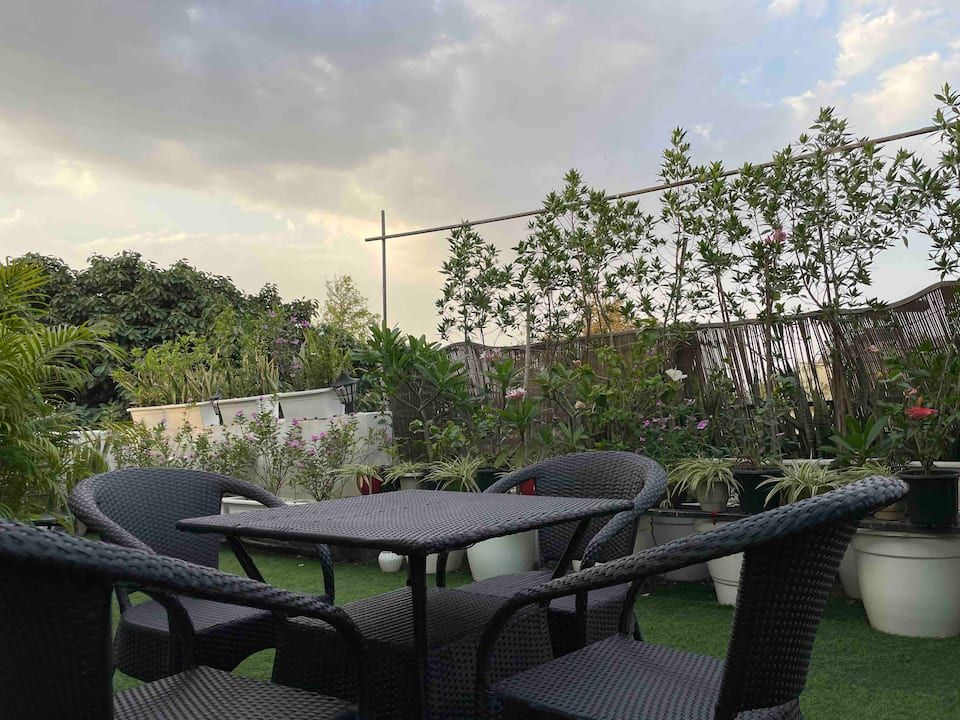
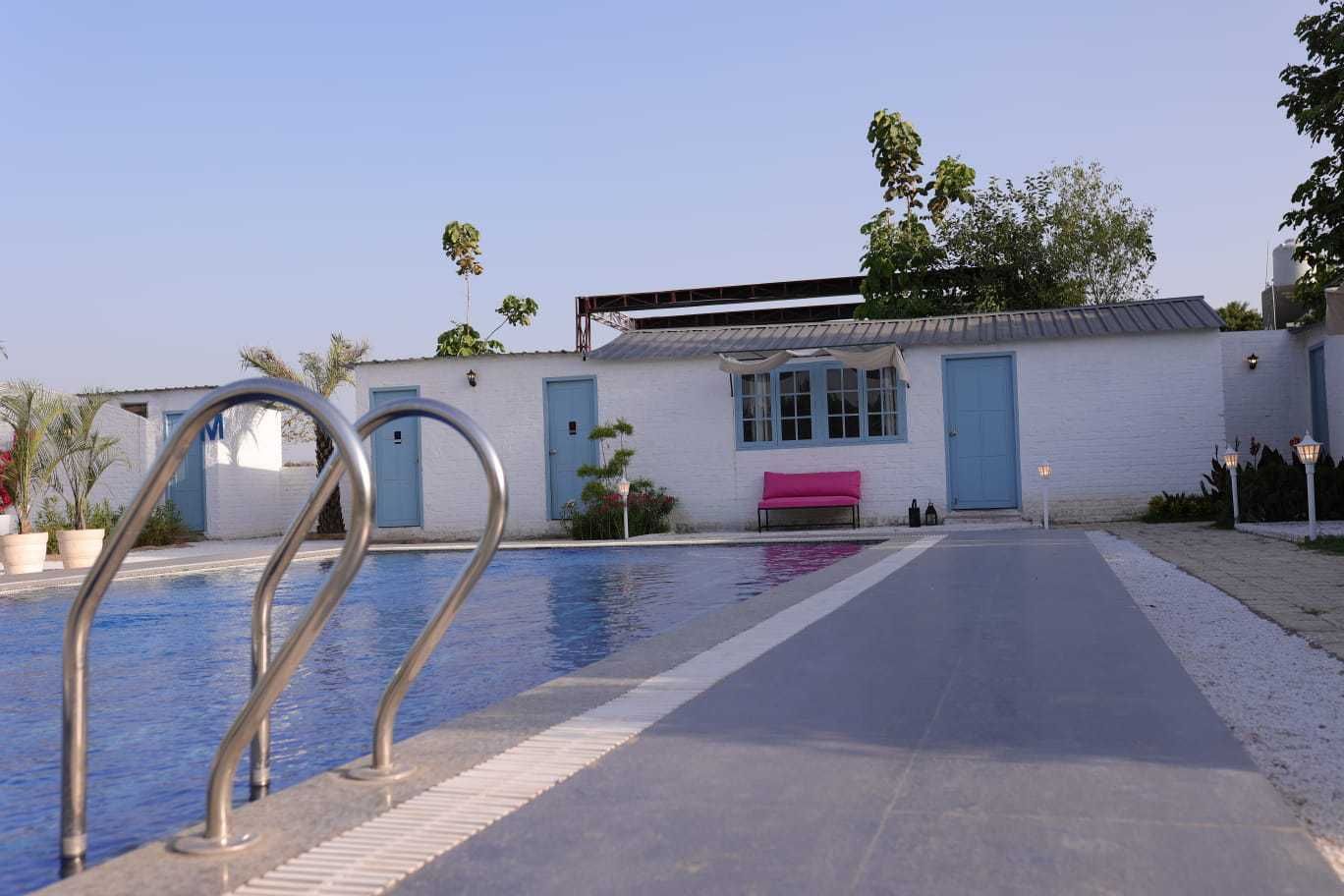
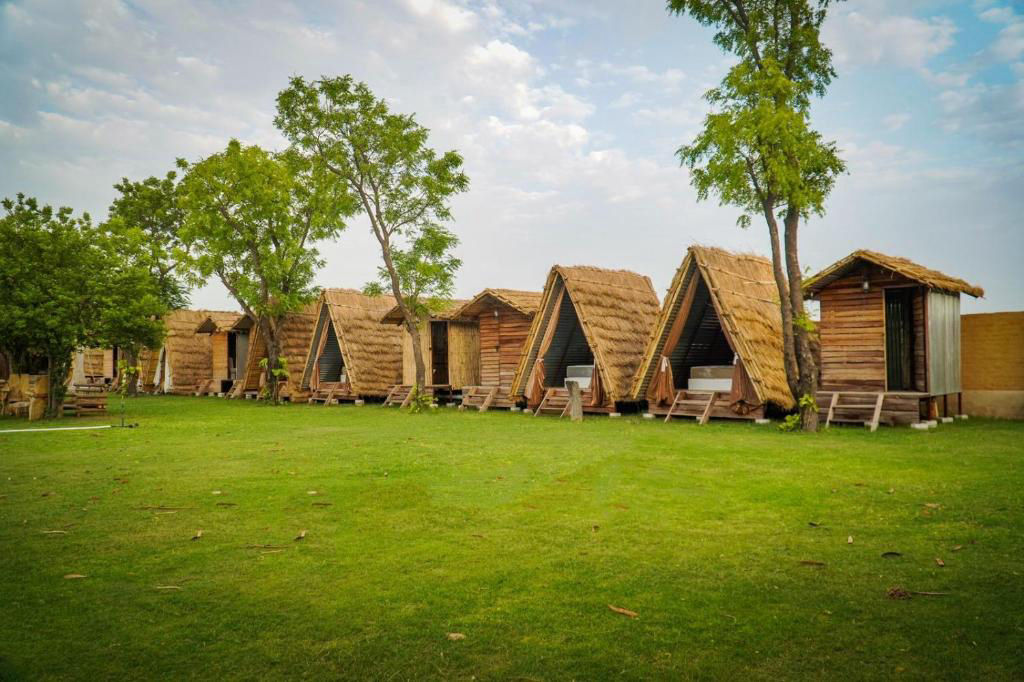
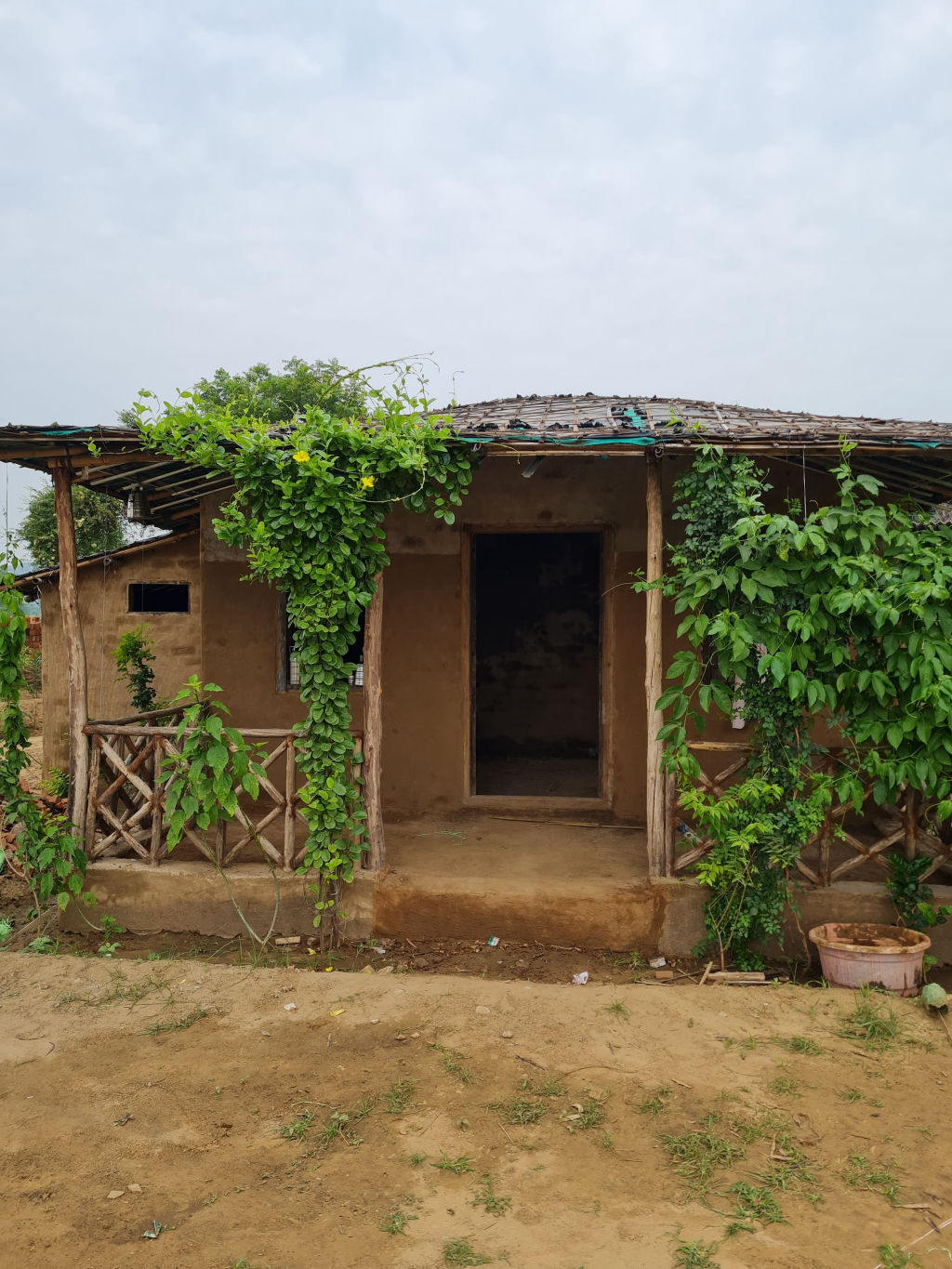
Travellers looking for peaceful bases can check HireACamp to discover homestays, nature retreats, and outdoor stays across the region. Staying at a welcoming homestay lets you recharge quietly after a day spent visiting shrines and exploring Delhi's historic monuments.
Written with AI from creators' posts and map data. Check prices and timings locally before you go.
24 places · 8 creator recommendations · Updated today
Ranked by how many independent creators recommend each place, not by who paid. The list updates itself as new posts come in.


Frequently asked questions
Which temples are closest to Saiyad-ul-ajaib?
Shri Yogmaya Temple in Mehrauli is the closest, situated approximately two kilometres away. Shri Jagannatha Temple in Hauz Khas and Chhatarpur Temple are also nearby, each roughly four kilometres from Saiyad-ul-ajaib.
Are people of all religions allowed to enter the Bahá’í Lotus Temple?
Yes, the Bahá’í Lotus Temple is open to people of all religions, backgrounds, and nationalities for silent prayer and meditation.
What is the best way to travel between temples in South Delhi?
The Delhi Metro offers fast and dependable connectivity between major temple hubs like Kalkaji, Hauz Khas, and Central Delhi, with auto-rickshaws readily available for short connecting journeys.
Do temples in Delhi charge entry fees?
Most traditional temples and community shrines across Delhi do not charge standard entrance fees, but it is best to check locally for any specific exhibition, footwear counter, or facility charges.
When are Kalkaji Devi Temple and Chhatarpur Temple busiest?
Both temples experience peak footfall during the twice-yearly Navratri festivals, when large crowds of devotees gather for special prayers and rituals.
Stays near Saiyad-ul-ajaib
Make a trip of it