
Aurangabad Caves
Cave near Aurangabad Cantonment, Maharashtra
5.3 km from Aurangabad Cantonment
The nearest town, for stays, food and fuel.
Carved into the rugged basalt hills just north of the historic city of Aurangabad in Maharashtra, the Aurangabad Caves are a complex of twelve rock-cut Buddhist shrines dating between the sixth and eighth centuries. Often visited for their tranquil setting away from heavy crowds, these caves offer an intimate look at late Buddhist art, intricate sculptural reliefs, and panoramic views over the city below. Travellers visit to study their distinctive architecture and enjoy a peaceful heritage walk in the hills.
Getting there
By road
- From Aurangabad CantonmentNearest town21 min · 7 km
- From Nashik3 hr 10 min · 195 km
- From Pune5 hr 15 min · 239 km
- From Mumbai 5 hr 25 min · 359 km
Typical drive times without traffic. Stations and airports from OLA Maps; distances and typical drive times from OpenStreetMap (© OpenStreetMap contributors); notes from creators' Reels.
About Aurangabad Caves
Written with AI from map data and general knowledge. Check prices and timings locally before you go.
About the Aurangabad Caves
The Aurangabad Caves are carved into the Sihyachal hills overlooking the northern edge of Aurangabad. Comprising twelve rock-cut monuments, the site is divided into two primary clusters: the Western Group (Caves 1 to 5) and the Eastern Group (Caves 6 to 9), with a few additional unfinished excavations lying further east. The excavations span a transformative era in Buddhist art, bridging the late Mahayana and emerging Vajrayana traditions between the sixth and eighth centuries CE.
While the region is globally recognized for the vast complexes at Ajanta and Ellora, the Aurangabad Caves hold their own distinct charm. Because they receive fewer tour buses, the atmosphere here is significantly quieter, allowing visitors to contemplate the stone carvings at their own pace. The surrounding hills also provide a refreshing vantage point, giving an expansive perspective of the modern city alongside the historic plains of the Deccan.
Art and Architecture of the Caves
The architecture of the Aurangabad Caves represents some of the highest achievements of late rock-cut craftsmanship in western India. Cave 3, belonging to the Western Group, is one of the most complete chaitya-viharas here, featuring richly sculpted pillars, detailed bracket figures, and friezes illustrating scenes from the life of the Buddha. The columns bear intricate floral medallions and mythic creatures carved with striking precision.
Cave 7, located in the Eastern Group, is widely regarded as the crowning jewel of the site. It is renowned for its expressive life-sized sculptures of female figures, including depictions of the Buddhist deity Tara and Avalokiteshvara. One of its most famous panels captures an energetic dancing scene accompanied by musicians playing classical Indian instruments. The fluid drapery, gentle postures, and expressive countenances found in Cave 7 showcase a shift toward greater emotional realism in Indian stone sculpture.
Read more
Best Time to Visit Aurangabad Caves
The winter months from October to February are the most comfortable time to explore the Aurangabad Caves. During this period, the days are bright and sunny, while mornings and evenings are cool and pleasant. Because exploring the hills involves climbing stone stairways and walking out in the open, the mild winter weather makes outdoor exploration enjoyable.
The monsoon season, running from July to September, brings a dramatic transformation to the landscape. The dry basalt hills turn lush green, and temporary seasonal streams appear along the ridge. While rain can make stone steps slippery, the misty ambiance and cooler temperatures offer a scenic experience. In contrast, the summer months between March and June bring dry heat, with daytime temperatures often climbing significantly. If you visit in the summer, plan your exploration for early morning before the heat peaks.
How to Reach Aurangabad Caves
The caves are located only a few kilometres north of the city centre, making them very accessible once you arrive in Aurangabad. The city has an airport connecting with major Indian hubs like Mumbai, Delhi, and Hyderabad, as well as a well-connected railway station with frequent train services running across Maharashtra and neighbouring states. Major highways link the city to Pune, Mumbai, Nashik, and Nagpur.
From anywhere within Aurangabad, you can easily hire an auto-rickshaw or book a local taxi to reach the base of the caves. The drive winds through university grounds and gently ascends the hillside. Be sure to coordinate with your driver for return transport or arrange a round trip, as hailing a vehicle directly outside the site during quiet hours can sometimes require a wait.
Tips for Exploring the Caves
Visiting the Aurangabad Caves involves negotiating stone staircases and uneven paths along the cliffside. Wear sturdy walking shoes with good grip, as the basalt pathways can be slick or dusty. A light hat, sunglasses, and a reusable water bottle are essential, especially on sunny afternoons when the exposed rock reflects heat.
The distance between the Western and Eastern groups is roughly one kilometre along a hillside pathway. You can either walk between them while taking in the views or drive between the two parking areas. Plan on spending around two to three hours to comfortably explore both clusters. Ticket requirements and opening hours are regulated locally, so it is recommended to verify current site schedules and entry protocols upon arrival.
Places to Visit Around Aurangabad
Due to their central position on the city ridge, the caves can easily be combined with other heritage landmarks in a single day. Nearby sits the Bibi Ka Maqbara, a seventeenth-century marble mausoleum built during the Mughal era that resembles the Taj Mahal. Further south into the city, you can explore bustling historic markets like City Chowk and Kasari Bazar, well known for traditional Paithani silk textiles and Himroo shawls.
For a broader historical itinerary, the towering hill fortress of Daulatabad and the UNESCO World Heritage monuments of Ellora and Ajanta are within day-trip distance. Families travelling with children often visit the nearby Siddharth Garden and Zoo, which provides shaded green lawns and park grounds close to the town center.
Where to Stay near Aurangabad Caves
Aurangabad offers a wide range of stay options suitable for heritage travellers, weekend explorers, and families. Staying near the northern side of town provides swift access to the hill ridge and the caves, while central areas place you close to regional markets and transit points.
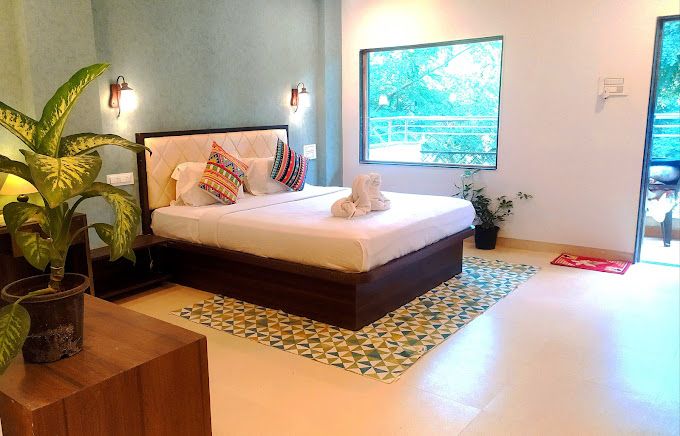
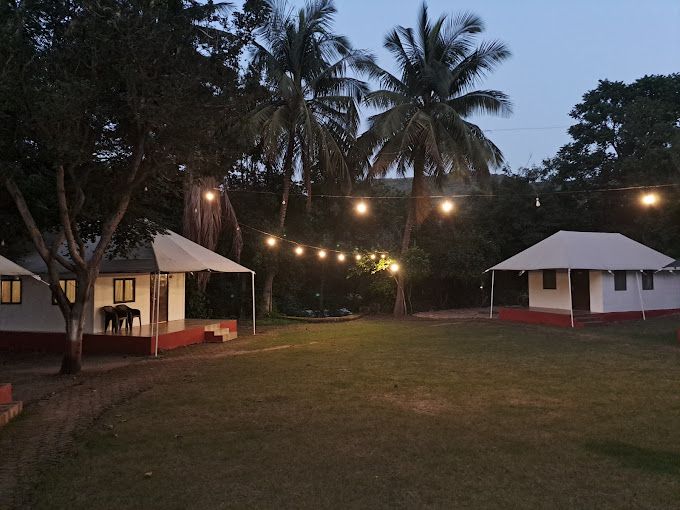
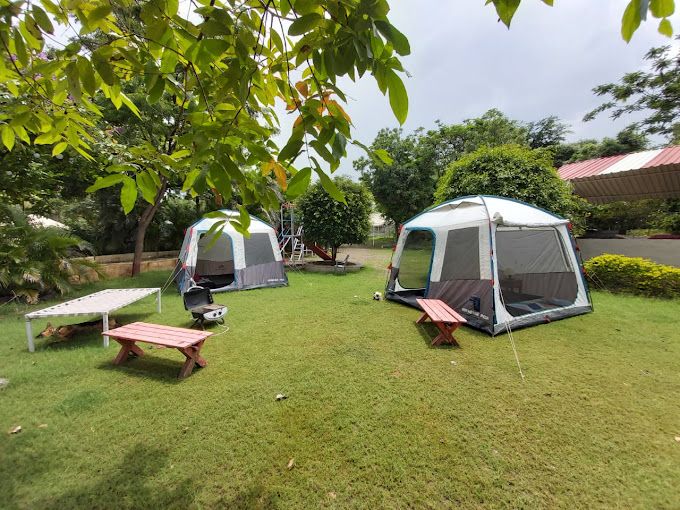
For travellers seeking a closer connection to the outdoors, rural farmstays, campsites, and independent guesthouses are scattered across the surrounding countryside and along the roads leading toward Ellora and Khuldabad. You can discover and book verified homestays, nature retreats, and eco-camps in the area through HireACamp.
Frequently asked questions
How many caves are there at the Aurangabad Caves?
There are twelve numbered caves in total, divided into a Western Group (Caves 1 to 5) and an Eastern Group (Caves 6 to 9), along with a few unfinished excavations nearby.
How are the Aurangabad Caves different from Ajanta and Ellora?
The Aurangabad Caves are smaller and far less crowded than Ajanta and Ellora, offering a quiet, contemplative atmosphere and rare late-period Buddhist sculpture right on the edge of the city.
Is there a lot of walking or climbing involved?
Yes, visitors must climb flights of rock-cut and concrete steps to reach the cave entrances, and there is a short walk between the Western and Eastern clusters.
Can I visit both cave clusters on the same day?
Yes, both groups are located along the same ridge about one kilometre apart and can easily be seen together within two to three hours.
What is the best time of day to explore the caves?
Early morning is the best time to visit, as temperatures are cool, light inside the caves is pleasant, and the site is peaceful before mid-day visitors arrive.
Where you'll be
Maharashtra · 3 stays nearby shown with prices
Stays near Aurangabad Caves
Book a place to stay close by
More places near Aurangabad Caves
Within 20 km
Built from 0 Instagram posts by 0 creators. Every tip links back to the post it came from, and where creators disagree we show both sides.






