
Gogababa Tekdi
Peak near Aurangabad Cantonment, Maharashtra
3.7 km from Aurangabad Cantonment
The nearest town, for stays, food and fuel.
Gogababa Tekdi is a tranquil hillock situated within Chhatrapati Sambhaji Nagar, formerly known as Aurangabad, in Maharashtra. Rising gently above the surrounding landscape, this hill is popular among locals and travelers for its panoramic views over the historic city and the peaceful white shrine perched at its crest. Visitors frequently climb the tekdi during dawn and dusk to experience refreshing breezes, open skies, and an escape from urban bustle.
Getting there
By road
- From Aurangabad CantonmentNearest town20 min · 6.5 km
- From Nashik3 hr 5 min · 178 km
- From Pune5 hr 15 min · 238 km
- From Mumbai 5 hr 20 min · 343 km
Typical drive times without traffic. Stations and airports from OLA Maps; distances and typical drive times from OpenStreetMap (© OpenStreetMap contributors); notes from creators' Reels.
About Gogababa Tekdi
Written with AI from map data and general knowledge. Check prices and timings locally before you go.
About Gogababa Tekdi
Gogababa Tekdi is a prominent natural hillock positioned on the northern edges of Chhatrapati Sambhaji Nagar, adjacent to the sprawling grounds of the local university campus. The hill takes its name from the small, whitewashed shrine dedicated to Gogababa that sits quietly at its summit. While the city below carries centuries of deep Mughal, Maratha, and ancient Buddhist history, this hill provides an understated, natural vantage point that highlights the region's undulating Deccan terrain.
From the top, you are treated to a sweeping 360-degree panorama. Looking out across the horizon, you can spot the landmarks of the city, stretches of academic greenery, and the distant silhouettes of surrounding hills and historical battlements on clear days. It is a favored gathering spot for morning walkers, fitness enthusiasts, students, and photography lovers seeking dramatic skyline views.
The Climb to the Summit
Reaching the summit of Gogababa Tekdi involves an easy to moderate walk that requires no prior trekking experience. The trail consists of a mix of earthen paths, rocky outcrops, and occasional stepped sections that lead steadily upward from the base. Because the overall elevation gain is modest, most visitors can complete the climb in fifteen to twenty-five minutes at a leisurely pace.
The trail is largely unsheltered, winding through low-lying scrub and native dry-deciduous vegetation characteristic of the northern Marathwada region. Along the way, several natural flat spots allow you to pause, catch your breath, and watch the cityscape expand beneath you. The walk is gentle enough for families with older children, though the loose gravel in certain steeper patches warrants careful footing.
Read more
Best Time to Visit Gogababa Tekdi
The ideal time to explore Gogababa Tekdi runs from the onset of the monsoon in July through the cooler winter months ending in February. During the monsoon, the otherwise arid hill transforms into a lively carpet of green grass, with seasonal wildflowers dotting the slopes and cool breezes softening the ascent. Winter mornings bring crisp, clear air and pleasant sunshine, creating comfortable conditions for an early hike.
Summer months across the Deccan plateau bring intense daytime temperatures that can make daytime trekking uncomfortable. If you visit between March and June, plan your climb strictly around sunrise or just before sunset. Experiencing the sun sinking behind the plateau while the lights of the city slowly flicker on is one of the most rewarding parts of an evening visit.
How to Reach Gogababa Tekdi
Gogababa Tekdi is located directly within Chhatrapati Sambhaji Nagar, making it easily accessible from anywhere within the city. Local auto-rickshaws, city buses, and app-based taxis run regularly toward the university area and nearby residential avenues where the base paths originate. If you are driving your own vehicle, navigation toward the hill is straightforward, and parking space is generally available near the starting points of the trail.
For outstation travelers, Chhatrapati Sambhaji Nagar is well connected to the rest of Maharashtra and neighboring states. The city has an operational airport with domestic flights, a major railway terminal connected to Mumbai, Pune, and Hyderabad, and extensive highway corridors. Once you arrive at the central bus station or railway junction, reaching the base of the hill typically takes only a short drive through the city.
Tips for Your Visit
Because the hill features open, sun-exposed terrain with minimal tree cover, carrying adequate drinking water is essential, particularly on warm afternoons. Wear sturdy footwear with decent grip, such as walking shoes or lightweight trainers, to avoid slipping on the loose stones and fine dust found along the path.
There are generally no commercial stalls or water stations once you start climbing, so it is advisable to purchase whatever snacks or refreshments you might need beforehand. Visitors should also remember to practice responsible outdoor habits by carrying all food wrappers, bottles, and personal waste back down the hill. Since the summit hosts a small religious shrine, maintain quiet and respectful behavior throughout the peak.
Places to Visit Nearby
A trip to Gogababa Tekdi can effortlessly be combined with a broader exploration of the city's rich heritage and culture. Just a short drive away lies the historic core of Chhatrapati Sambhaji Nagar, where you will find traditional bazaars like City Chowk and Kasari Bazar, well known for regional textiles, brassware, and local crafts.
For a relaxing post-hike stop, Siddharth Garden and Zoo offers a manicured municipal green space close by. The wider region is world-renowned for its heritage monuments, including the ancient rock-cut caves of Ajanta and Ellora, the medieval Daulatabad Fort, and the delicate 17th-century architecture of Bibi Ka Maqbara, making the hill an easy nature add-on to a cultural holiday.
Where to Stay
Chhatrapati Sambhaji Nagar serves as a major tourist hub, offering a wide array of neighborhoods suitable for different styles of travel. Staying near the university foothills or central avenues keeps you close to both the trailheads of the hill and the cultural hubs of the city.
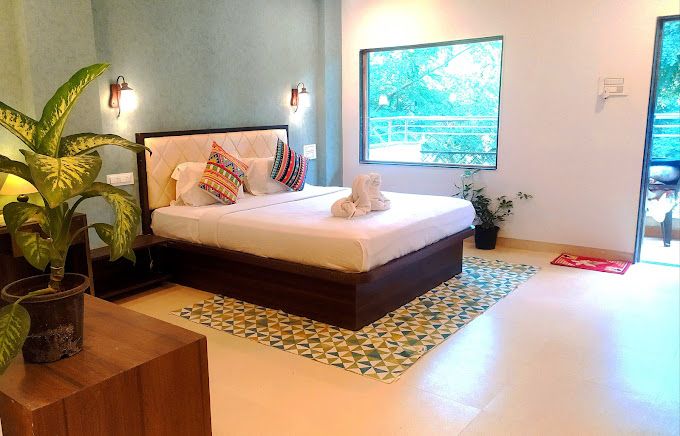
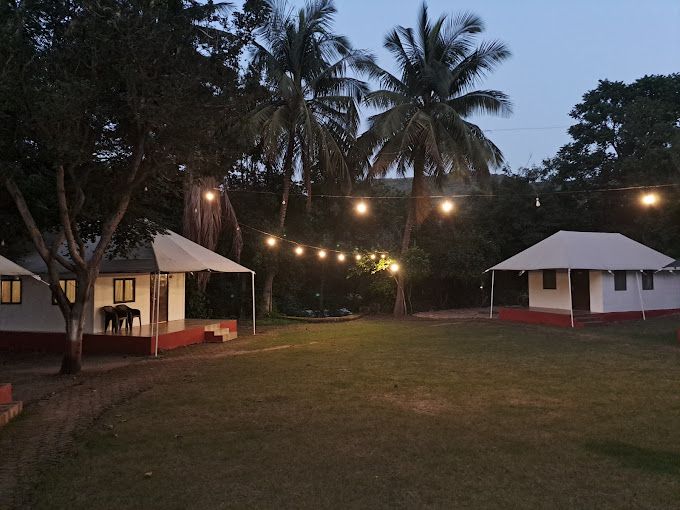
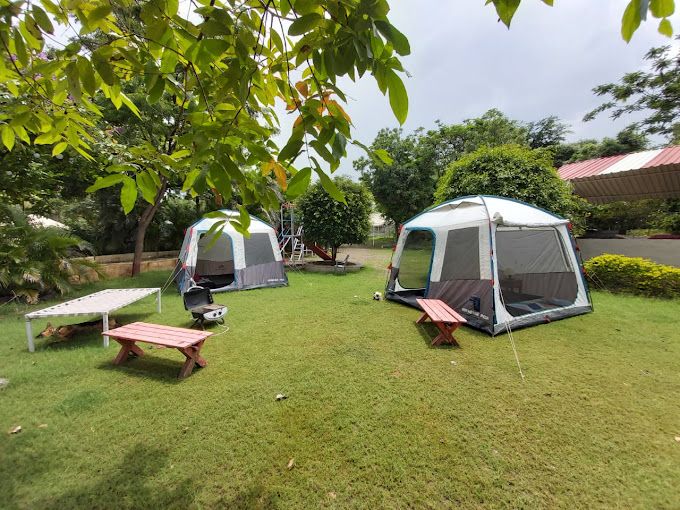
If you prefer nature-centric accommodations, scenic homestays, rustic farms, and outdoor campsites around the surrounding countryside and nearby historical valleys, you can find and book an ideal stay on HireACamp. Booking an experiential property nearby allows you to enjoy quiet nights under the stars while remaining within easy reach of the city's sights.
Frequently asked questions
How long does it take to climb Gogababa Tekdi?
The walk from the base of the hill to the summit typically takes between fifteen and twenty-five minutes, depending on your walking pace and how often you stop to admire the views.
Is the trek up Gogababa Tekdi difficult?
The trek is considered easy to moderate and is suitable for beginners and casual walkers. The slope is gentle, though you should watch your step on occasional patches of loose gravel and rock.
What is the best time of day to go up the hill?
Early mornings around sunrise and late afternoons just before sunset are the best times to visit, providing cooler temperatures and sweeping lighting across the city.
Are there food stalls and water facilities on top of the hill?
There are no permanent amenities, shops, or drinking water points at the top of the tekdi. It is recommended to carry your own water bottle and supplies from the base.
Can children and seniors climb Gogababa Tekdi?
Yes, older children and active seniors with reasonable fitness can manage the climb comfortably. Anyone with mobility concerns should take their time on the uneven, rocky sections.
Where you'll be
Chhatrapati Sambhaji Nagar, MH · 3 stays nearby shown with prices
Stays near Gogababa Tekdi
Book a place to stay close by
More places near Gogababa Tekdi
Within 20 km
Built from 0 Instagram posts by 0 creators. Every tip links back to the post it came from, and where creators disagree we show both sides.






