
Baroh
Destination in Himachal Pradesh
Baroh is a quiet settlement and tehsil centre set amid the rolling green foothills of Himachal Pradesh's Kangra district. Framed by pine-covered ridges, terraced farmland, and broad views towards the outer Himalayan ranges, it offers a peaceful glimpse into rural life in northern India. Travellers use Baroh as a slow-paced base to explore the rich history, ancient temples, and vast waterways of the lower Kangra Valley.
Getting there
By road
- From Ludhiana4 hr 10 min · 195 km
- From Amritsar4 hr 30 min · 220 km
- From Chandigarh5 hr 5 min · 228 km
- From Dehradun8 hr 30 min · 409 km
Typical drive times without traffic. Stations and airports from OLA Maps; distances and typical drive times from OpenStreetMap (© OpenStreetMap contributors); notes from creators' Reels.
About Baroh
Written with AI from map data and general knowledge. Check prices and timings locally before you go.
About Baroh and the Kangra Foothills
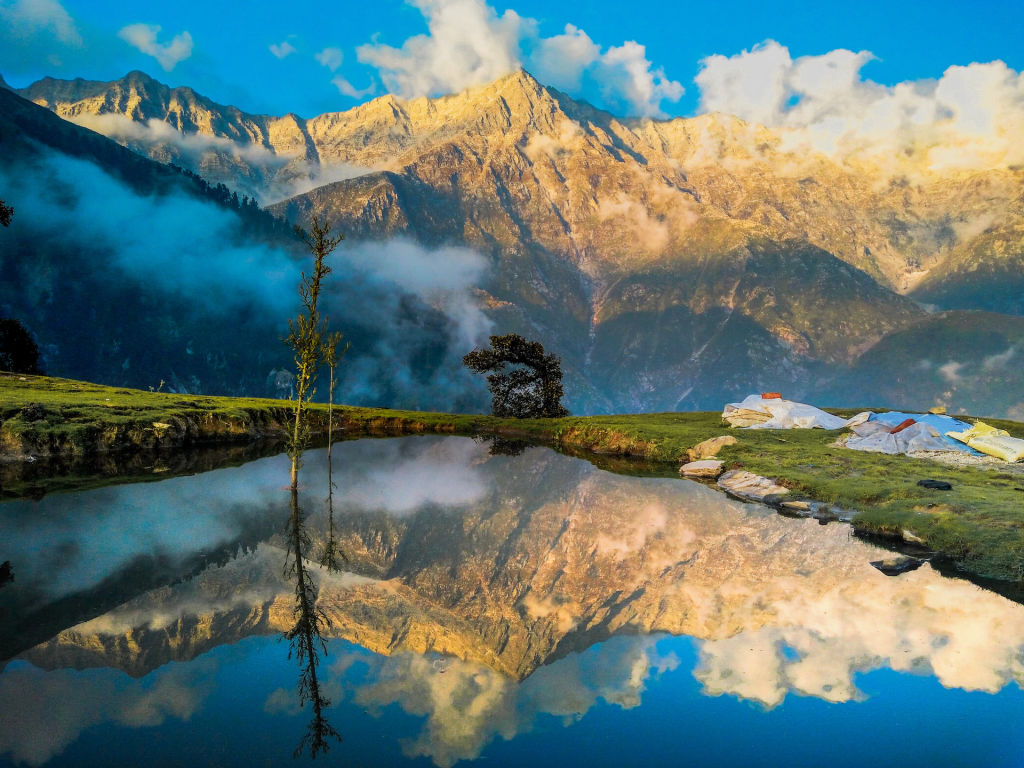
Baroh sits in the outer hill zone of Himachal Pradesh, where the steep ridges of the higher Dhauladhar range ease into undulating valleys, streams, and terrace-farmed plateaus. Unlike the busy resort towns higher up the mountains, Baroh functions as a local community hub, surrounded by traditional hamlets, open fields, and forested hillocks.
The town retains a distinctly pastoral character shaped by the changing seasons. Stone-and-slate village homes dot the contours of the landscape, and local life revolves around seasonal agriculture, small markets, and regional folk traditions. For visitors looking to experience Himachal away from commercial corridors, Baroh provides unhurried days, fresh hill air, and clear vistas of the surrounding countryside.
Things to Do in and Around Baroh
Spending time in Baroh is best approached at an easy pace. The terrain around the town is ideal for self-guided countryside walks along village paths, ridges, and seasonal stream beds. Wandering through the outlying settlements gives you an authentic look at traditional Himachali hill architecture, stone masonry, and farming practices.
Birdwatching and nature photography are rewarding pursuits in this region. The blend of subtropical scrub, pine woodlands, and agricultural clearings supports a wide variety of resident and migratory birds, including barbet species, parakeets, flycatchers, and raptors circling the thermals. The quiet roads and paths also make it a pleasant area for cycling and gentle afternoon strolls.
Read more
Historic Forts and Temples Nearby
Baroh is well positioned for heritage excursions across the lower Kangra region. Roughly 11 kilometres away stands Kangra Fort, one of the oldest fortresses in the Indian subcontinent. Perched high above the confluence of the Banganga and Majhi rivers, this sprawling stone fortification holds centuries of history, ancient carvings, royal courtyards, and scenic ramparts overlooking the valley.
Spiritual landmarks are equally accessible. About 12 kilometres from Baroh lies the Maa Baglamukhi Temple, a prominent pilgrimage destination dedicated to one of the ten Mahavidyas, drawing devotees from across northern India. Further to the southwest, roughly 23 kilometres away, the historic Dada Siba Fort showcases the defensive heritage and architectural style of the local princely states that once governed these foothills.
Day Trips to Pong Lake and McLeod Ganj
Travellers staying in Baroh can plan diverse day trips to water bodies and higher mountain terrain. Approximately 20 kilometres away, the Pong Lake viewpoint offers sweeping vistas of the Maharana Pratap Sagar reservoir. This vast wetland sanctuary is a globally recognized haven for wintering waterfowl, including bar-headed geese, ducks, and waders, making it an essential visit for wildlife enthusiasts.
For a change in altitude, culture, and climate, the high-altitude settlement of McLeod Ganj is situated around 27 kilometres to the north. Nestled right beneath the craggy peaks of the Dhauladhar range, McLeod Ganj provides access to Tibetan monasteries, alpine hiking trails, and bustling mountain streets, allowing you to experience high-altitude hill culture before retreating to the warmth and quiet of Baroh.
Best Time to Visit Baroh
Baroh can be visited throughout the year, with each season offering a different atmosphere due to its moderate foothill elevation.
October through March is the most comfortable period for sightseeing and outdoor exploration. Winter daytime temperatures are pleasant and sunny, though nights turn crisp and cold, requiring warm clothing. Springtime, during March and April, brings flowering trees and vibrant greenery to the surrounding fields. The summer months from May to June bring warm afternoons, though mornings and evenings remain relatively comfortable compared to the northern plains. The monsoon season from July to September turns the entire landscape lush and green, though travellers should anticipate periodic heavy showers and plan road travel with care.
How to Reach Baroh
Baroh is connected to major transport hubs across lower Himachal Pradesh and neighbouring states by a network of regional roads.
The closest airport is Kangra Airport at Gaggal, which connects with domestic flights from Delhi and nearby cities. From the airport, travellers can reach Baroh by local taxi or regional bus services. For rail travellers, Pathankot Railway Station in Punjab is the main broad-gauge junction, offering regular rail connectivity across India. From Pathankot, you can continue by road or board the historic Kangra Valley toy train to regional railheads nearby.
Baroh is also accessible by road from major nearby towns including Kangra, Dharamshala, and Dehra, with regular state transport buses and private vehicles operating across these routes.
Where to Stay Around Baroh
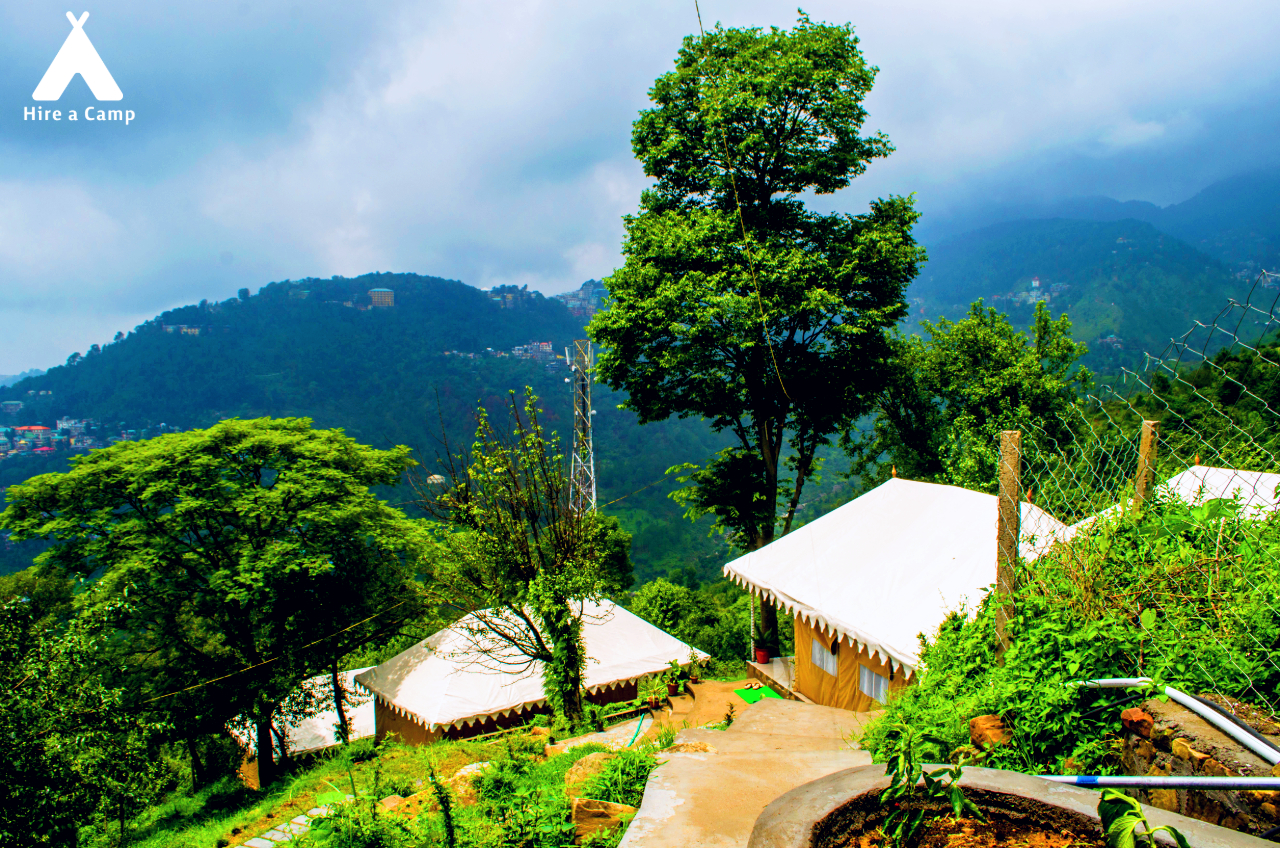
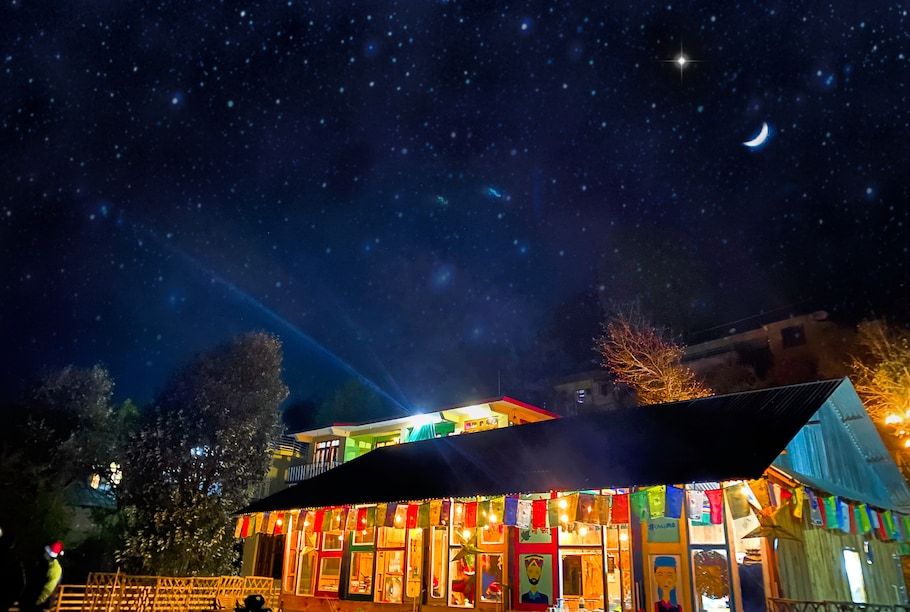
Accommodation options around Baroh focus on low-impact, immersive experiences in nature. Rather than large commercial hotels, the surrounding countryside is dotted with farm stays, village homestays, and quiet nature retreats where guests can enjoy home-cooked regional food and peaceful open surroundings.
Travellers interested in outdoor escapes, boutique cottages, and authentic homestays in and around Baroh can find and book verified stays on HireACamp. Staying slightly outside urban centres allows you to wake up to open views of the foothill valleys and experience authentic Himachali hospitality.
Frequently asked questions
Where is Baroh located?
Baroh is a tehsil town located in the Kangra district of Himachal Pradesh, positioned among the lower foothill valleys south of the Dhauladhar mountain range.
What are the key attractions near Baroh?
Nearby highlights include the historic Kangra Fort, the revered Maa Baglamukhi Temple, the historic Dada Siba Fort, Pong Lake wetland sanctuary, and the hill town of McLeod Ganj.
Which airport is closest to Baroh?
The nearest airport is Kangra Airport at Gaggal, which operates regular domestic flights connecting to major cities like Delhi.
What is the best time of year to visit Baroh?
The ideal time to visit is from October to April, when the weather is clear, temperate, and well suited for village walks and heritage sightseeing.
Can I find homestays and outdoor stays near Baroh?
Yes, rural homestays, camps, and nature stays in the surrounding Kangra countryside can be booked through HireACamp.
Where you'll be
3 stays nearby shown with prices
Stays near Baroh
Book a place to stay close by
Things to do in Baroh
48 places creators recommend within 30 km


Built from 0 Instagram posts by 0 creators. Every tip links back to the post it came from, and where creators disagree we show both sides.






