
Bajreshwari Devi Temple
Temple near Kangra, Himachal Pradesh
300 m from Kangra
The nearest town, for stays, food and fuel.
Bajreshwari Devi Temple, located in the historic town of Kangra in Himachal Pradesh, is one of the most revered Shakti Peethas in Northern India. Dedicated to Goddess Vajreshwari, an incarnation of Durga, the shrine draws pilgrims and travellers who come to experience its rich spiritual atmosphere, intricate hill architecture, and ancient legends. Surrounded by the gentle contours of the Kangra Valley with the towering Dhauladhar range in the backdrop, it serves as a central landmark of faith and heritage in the region.
Getting there
By road
- From KangraNearest town4 min · 1.1 km
- From Ludhiana4 hr · 184 km
- From Amritsar4 hr 15 min · 208 km
- From Chandigarh5 hr · 235 km
Typical drive times without traffic. Stations and airports from OLA Maps; distances and typical drive times from OpenStreetMap (© OpenStreetMap contributors); notes from creators' Reels.
About Bajreshwari Devi Temple
Written with AI from map data and general knowledge. Check prices and timings locally before you go.
History and significance of Bajreshwari Devi Temple
Bajreshwari Devi Temple is steeped in Hindu mythology and regional history. According to ancient lore, it is one of the celebrated fifty-one Shakti Peethas, marking the spot where the left breast of Goddess Sati is believed to have fallen. The temple has stood through centuries of devotion, conquest, and rebuilding. Historic accounts recount that the temple once held fabulous wealth, making it a target for various invaders who raided the Kangra Valley over the medieval era, including Mahmud of Ghazni.
Despite repeated desecrations and the devastating earthquake of 1905 that flattened much of the original Kangra valley architecture, the temple was rebuilt by local authorities and devoted communities. The current stone structure preserves traditional North Indian temple architecture while incorporating elements reflecting its resilient legacy. For centuries, the temple has remained an anchor of worship, especially during festive times such as Navratri, when devotees travel from across India to seek blessings.
Architecture and temple layout
The shrine is constructed within a fortified compound situated right in the heart of Kangra town. Visitors enter through an imposing stone gateway that opens into a spacious paved courtyard. The architecture combines Nagara spire elements with fortified stone masonry, designed to protect and honour the sanctum sanctorum.
Inside the inner sanctum, the primary deity is venerated in the form of a Pindi, or sacred stone form, adorned with elaborate ornaments, silks, and traditional silver umbrellas. Smaller shrines dedicated to various deities, including Lord Shiva, Bhairava, and Ganesha, dot the courtyard. The rhythmic ringing of temple bells, chanting of Vedic mantras, and the scent of incense and marigolds create an immersive and meditative environment as you walk around the parikrama path.
Read more
Best time to visit Kangra
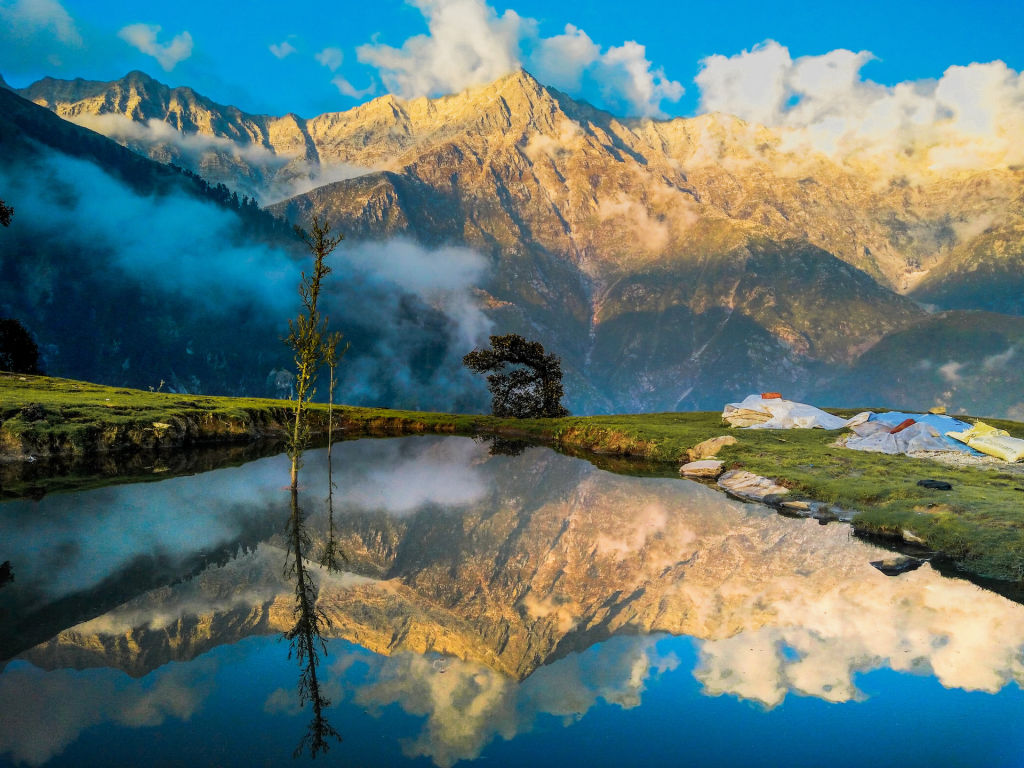
Kangra experiences a temperate sub-Himalayan climate, making Bajreshwari Devi Temple accessible throughout the year. However, the months from September to April are widely considered the most pleasant for visiting the valley. During autumn and spring, the skies remain clear, offering sharp views of the distant snow-clad peaks, while daytime temperatures stay comfortable for exploring the town on foot.
Winter brings a crisp chill to Kangra, with cool winds descending from the Dhauladhar mountains. It is a peaceful time to visit if you wish to avoid large crowds, although warm woollens are essential, especially during early mornings and evenings. Summer runs from May to June, bringing warmer days, yet mornings and late afternoons remain relatively mild compared to the plains. Monsoon brings heavy rainfall to the Kangra region between July and August, which revitalises the tea gardens and green meadows, but slippery paths and occasional regional landslides mean travellers should exercise caution.
How to reach Bajreshwari Devi Temple
Kangra is well-connected by road, rail, and air to major hubs across Himachal Pradesh and neighbouring states. The temple sits centrally in Kangra town, making it easy to reach once you arrive in the district. Kangra Airport at Gaggal is the nearest airfield, situated just a short drive away, with scheduled flights connecting to Delhi and Chandigarh.
Travellers arriving by train can use the broad-gauge railway stations at Pathankot, from where public buses, private cabs, or the historic Kangra Valley toy train run toward Kangra. A comprehensive network of state transport and intercity buses connects Kangra directly with towns like Dharamshala, McLeod Ganj, Palampur, Pathankot, and Chandigarh. Within Kangra town, local auto-rickshaws, shared taxis, and walking are convenient ways to reach the temple entrance.
Things to do around Bajreshwari Devi Temple
Beyond offering prayers at the main sanctum, visitors can explore the lively bazaars that surround Bajreshwari Devi Temple. The narrow alleys leading to the entrance are filled with stalls selling traditional Kangra sweets, wooden handicrafts, brass puja items, and local handlooms. Spending time browsing these shops offers a candid look into the daily culture of the valley.
The town of Kangra also has a rich artistic heritage, being the cradle of the famed Kangra school of miniature painting. Taking time to visit local art studios or cultural centres allows you to appreciate the fine line work and natural pigments that define this historic art tradition.
Places to visit nearby
A visit to Bajreshwari Devi Temple pairs naturally with several significant cultural and historical landmarks in the Kangra Valley. Just about two kilometres away stands the massive Kangra Fort, perched on a high cliff at the confluence of the Banganga and Majhi rivers. It is one of the oldest fortresses in India, featuring ancient courtyards, historical bastions, and panoramic valley views.
Roughly thirteen kilometres away, the rock-cut temples of Masroor showcase monolithic eighth-century stone carvings facing the Dhauladhar range. Nature enthusiasts and spiritual seekers can also head around sixteen kilometres north toward McLeod Ganj and Dharamshala to explore Tibetan monasteries, mountain trails, and viewpoints. Other nearby sacred sites include Baba Baroh Temple, Machhial Lake, and Haripur Fort, each offering a distinct window into the region's geography and folklore.
Tips for your visit
To experience the temple in tranquility, consider arriving during early morning aarti before the general flow of daytime pilgrims begins. Modest clothing that covers shoulders and knees is expected, as is standard practice at revered Hindu shrines. You will need to take off your footwear before entering the temple complex, and designated storage stalls are available near the entrance.
Photography is typically restricted inside the sanctum sanctorum, so respect posted notices and verbal guidance from temple priests and caretakers. Keep small change handy if you wish to purchase offerings such as flowers, coconuts, or regional sweets from the surrounding market. During major celebrations like Chaitra and Sharad Navratri, expect high footfall and longer queues for darshan.
Where to stay in Kangra
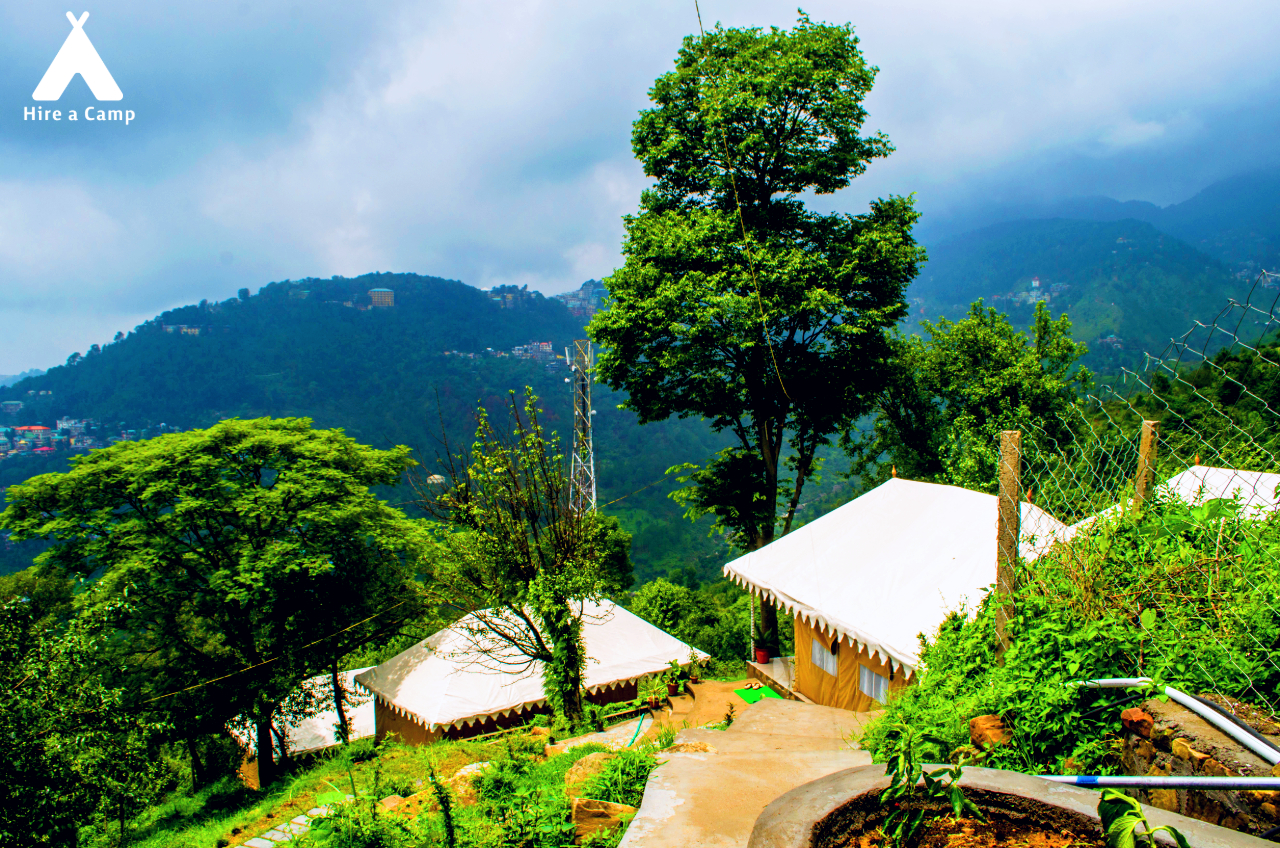
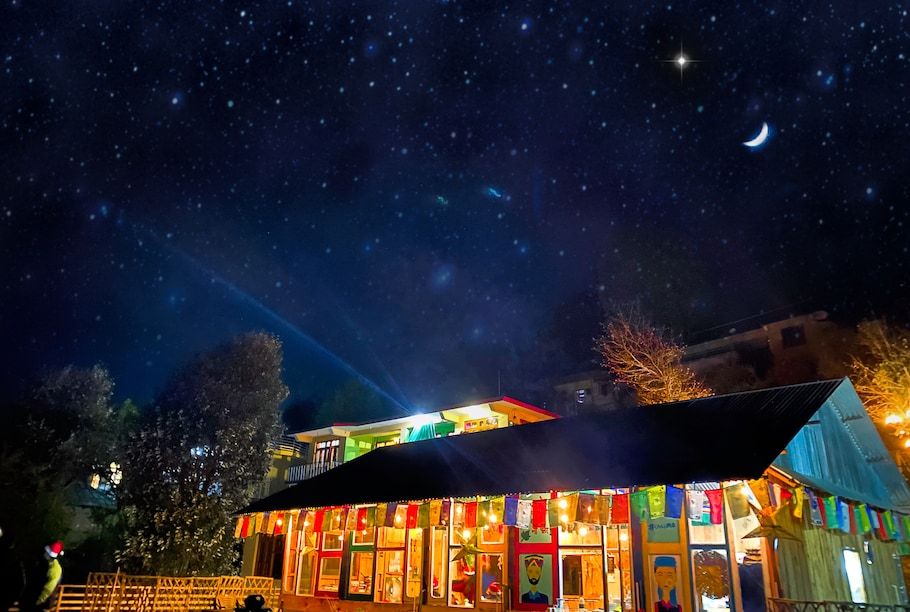
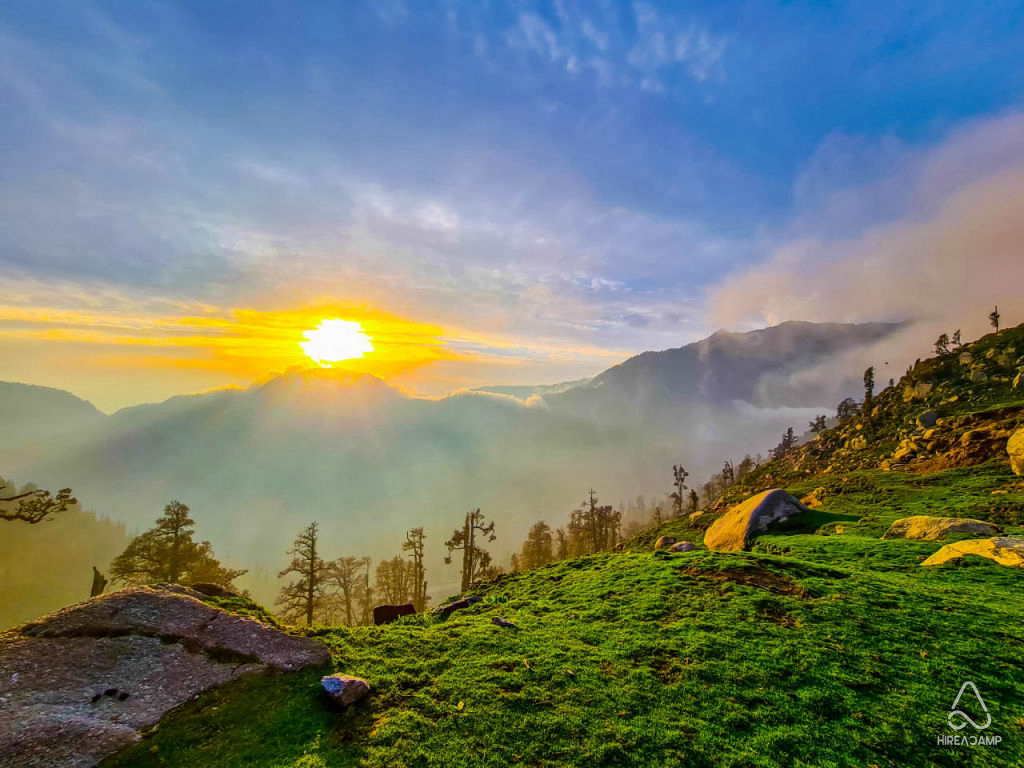
Kangra town and its adjacent valleys provide varied accommodation choices for every type of traveller. Whether you prefer traditional homestays run by local families, quiet countryside getaways amidst pine groves, or riverside campsites near Dharamshala and Palampur, the region accommodates diverse travel styles.
You can explore and book handpicked homestays, nature retreats, and outdoor camps across the Kangra Valley directly on HireACamp, ensuring a comfortable base for your pilgrimage and mountain exploration.
Frequently asked questions
Which deity is worshipped at Bajreshwari Devi Temple?
The temple is dedicated to Goddess Bajreshwari, also known as Vajreshwari or Kangra Devi, an incarnation of Goddess Durga worshipped here as a sacred Shakti Peetha.
How far is Bajreshwari Devi Temple from Kangra Fort?
The temple is located approximately two kilometres from Kangra Fort, making it easy to visit both heritage landmarks on the same day.
What is the best time of year to visit Bajreshwari Devi Temple?
The months from September to April offer pleasant weather, clear Himalayan views, and comfortable conditions for sightseeing throughout the Kangra Valley.
Is footwear allowed inside the temple?
Footwear is not permitted within the temple sanctum and courtyard. Visitors must leave their shoes at the shoe stalls located outside the complex entrance.
Can I visit Bajreshwari Devi Temple from McLeod Ganj on a day trip?
Yes, McLeod Ganj is roughly sixteen kilometres away, and regular taxis, private vehicles, and local buses connect the two destinations easily within a single day.
Where you'll be
Kangra · 4 stays nearby shown with prices
Stays near Bajreshwari Devi Temple
Book a place to stay close by
More places near Bajreshwari Devi Temple
Within 20 km


Built from 0 Instagram posts by 0 creators. Every tip links back to the post it came from, and where creators disagree we show both sides.


