
Maharaja Sansar Chandra Museum
Museum near Kangra, Himachal Pradesh
2.1 km from Kangra
The nearest town, for stays, food and fuel.
The Maharaja Sansar Chandra Museum is a private heritage museum situated right next to the historic Kangra Fort in Himachal Pradesh. Established to honour the legacy of Maharaja Sansar Chandra, a legendary ruler of the Katoch dynasty and renowned patron of Kangra miniature paintings, the museum houses royal artefacts, weaponry, traditional costumes, and historical photographs. Travellers and history enthusiasts visit to discover the rich cultural heritage and royal lineage of the Kangra Valley before or after exploring the adjacent ancient ramparts.
Getting there
By road
- From KangraNearest town6 min · 2.7 km
- From Ludhiana3 hr 55 min · 181 km
- From Amritsar4 hr 10 min · 206 km
- From Chandigarh4 hr 55 min · 233 km
Typical drive times without traffic. Stations and airports from OLA Maps; distances and typical drive times from OpenStreetMap (© OpenStreetMap contributors); notes from creators' Reels.
About Maharaja Sansar Chandra Museum
Written with AI from map data and general knowledge. Check prices and timings locally before you go.
Heritage and history of the museum
The Maharaja Sansar Chandra Museum offers an intimate glimpse into the lives and legacy of the Katoch rulers, one of the oldest surviving royal dynasties in the world. Maharaja Sansar Chandra II, who ruled the Kangra region during the late eighteenth century, was not only an ambitious military strategist but also a passionate patron of the arts. Under his patronage, the Kangra school of miniature painting flourished, establishing delicate brushwork, poetic themes, and vibrant natural pigments that became world-renowned.
The museum was set up by the descendants of the Katoch royal family to preserve and display heirlooms that survived centuries of regional upheaval, including Mughal invasions, Sikh conflicts, and the devastating Kangra earthquake of 1905. Housed in a thoughtfully maintained building adjoining Kangra Fort, the galleries celebrate the artistic brilliance, martial traditions, and day-to-day royal customs of Kangra. Walking through the exhibits gives visitors a coherent historical context that enriches an excursion to the rugged stone battlements next door.
Exhibits at Maharaja Sansar Chandra Museum
The museum's collection is arranged systematically across several curated galleries, tracing the trajectory of the Kangra royal family. Prominent among the displays are authentic miniature paintings depicting mythological scenes, classical ragas, and courtroom moments. These detailed artworks capture the romance and spiritual devotion characteristic of Pahari painting, allowing visitors to study the fine details up close.
In addition to paintings, the museum preserves an impressive armoury containing swords, daggers, matchlocks, shields, and ornate suits of armour used by Katoch soldiers in regional battles. Other galleries showcase ceremonial silver palanquins, vintage royal apparel, intricate gold and silver embroidery, royal decrees known as farmans, and historical photographs capturing the region across the nineteenth and early twentieth centuries. An audio guide or information plaques help contextualise the exhibits, explaining how the royal house interacted with empires across northern India.
Read more
Best time to visit Kangra
The best time to visit the Maharaja Sansar Chandra Museum and the surrounding Kangra region is between September and June, when the weather remains pleasant for outdoor sightseeing. Autumn, from September to November, brings crisp mountain air, clear skies, and spectacular views of the snow-tipped Dhauladhar range towering beyond the valley floor.
Winter, spanning December to February, is cool and crisp during daytime, though temperatures drop significantly after sunset. It is an excellent season for unhurried museum tours and exploring the fort complex without the harsh sun. Spring, from March to April, brings flowering valleys and mild temperatures ideal for general travel. The summer months from May to June can feel warm in the valley during the middle of the day, making early morning museum visits preferable. The monsoon season between July and August brings heavy downpours to the Kangra Valley, which can cause roadblocks, though the surrounding hills turn lush and emerald green.
How to reach Maharaja Sansar Chandra Museum
The museum is conveniently located right outside the entry gates of Kangra Fort, situated a few kilometres south of Kangra town. For travellers arriving by air, the nearest airport is Kangra Airport at Gaggal, located around 13 kilometres away. Taxis and local buses run regularly between the airport, Kangra town, and the fort.
If you are travelling by rail, Pathankot is the nearest major broad-gauge railway station, located roughly 85 kilometres away. From Pathankot, you can board the scenic Kangra Valley heritage toy train to Kangra Mandir railway station, which lies close to the fort and museum, or hire a private cab for a comfortable road journey. Road connectivity is robust, with frequent state and private buses operating from Dharamshala, McLeod Ganj, Chandigarh, and Delhi directly into the Kangra bus stand. From Kangra town, shared autos and local taxis provide straightforward transport up to the museum gates.
Tips for your visit
Plan to spend between forty-five minutes and an hour inside the museum before or after your walk through Kangra Fort. Combining both sites makes for a balanced half-day excursion, as the museum provides the human and political narrative behind the stone fortifications outside. Photography policies and ticket requirements should be verified locally at the reception counter before entering the exhibition rooms.
Wear comfortable walking shoes because visiting the museum and the fort together involves walking over stone pathways and gentle steps. Carry a refillable water bottle and a sun hat, especially if you visit in the warmer months. Modest, comfortable casual wear is appropriate. Visitors who enjoy regional history may also appreciate taking time to read the accompanying informational panels, which detail the genealogy and historic alliances of the Katoch line.
Places to visit nearby
A visit to the Maharaja Sansar Chandra Museum pairs seamlessly with the adjacent Kangra Fort, one of the oldest recorded forts in India. Perched high on a cliff above the confluence of the Banganga and Manjhi rivers, the fort features expansive courtyards, ancient stone gateways, and panoramic viewpoints overlooking the surrounding countryside.
A short drive away lies the sacred Brajeshwari Devi Temple in Kangra town, an important pilgrimage destination renowned for its spiritual aura. Further out in the countryside, roughly eleven kilometres away, you can visit the monolithic Masroor Rock Cut Temple, an extraordinary eighth-century stone complex carved out of living rock. For nature lovers and spiritual travellers, the peaceful Machhial Lake and Temple offers a quiet stopover. Those exploring the higher reaches of the Dhauladhar foothills can easily venture north to McLeod Ganj and Dharamshala to experience Tibetan culture, monastery visits, and mountain treks.
Where to stay around Kangra
Travellers planning a trip to Kangra will find a variety of comfortable lodging options spread across the valley. Staying near Kangra town provides quick access to heritage landmarks like the fort and temple complexes, while opting for the nearby foothills around Dharamshala and McLeod Ganj provides cooler mountain temperatures and pine-fringed scenery.
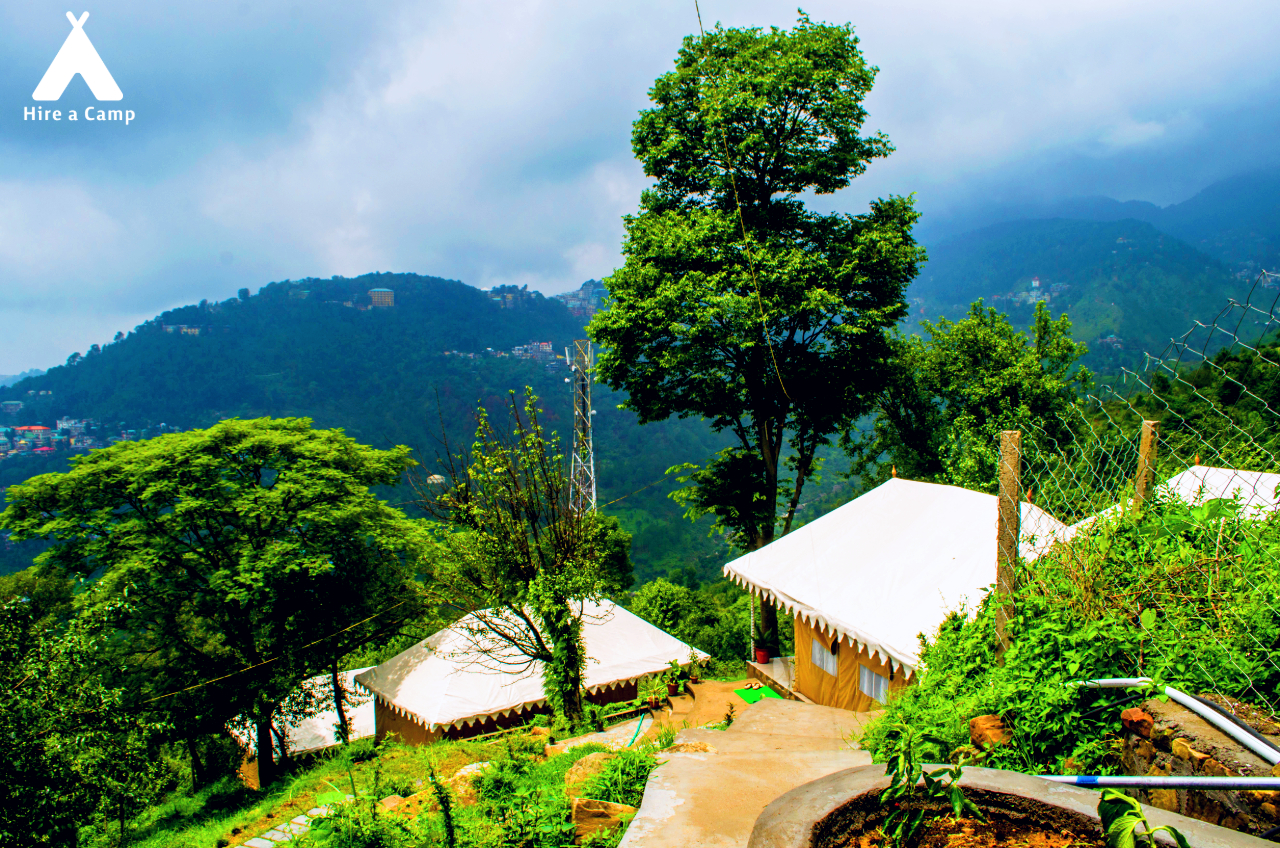
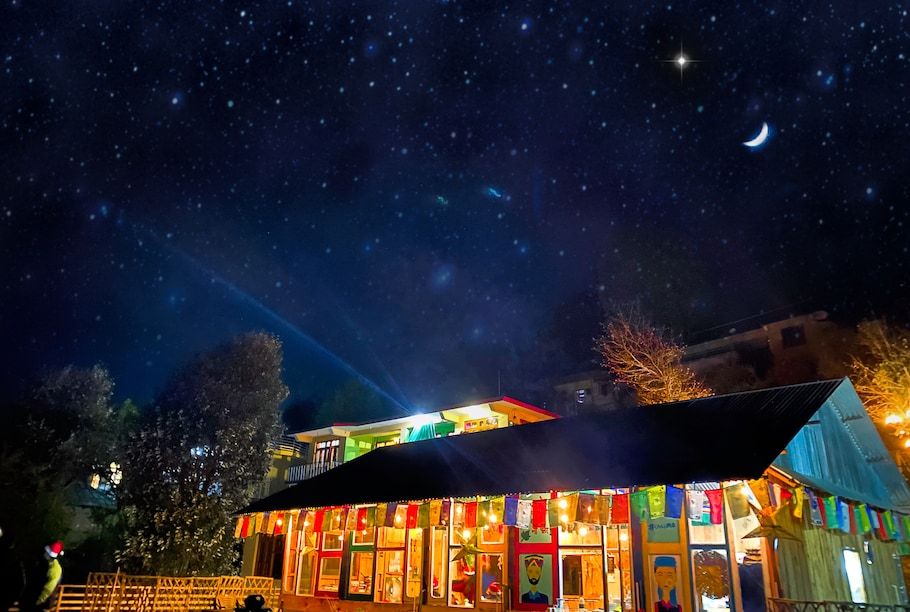
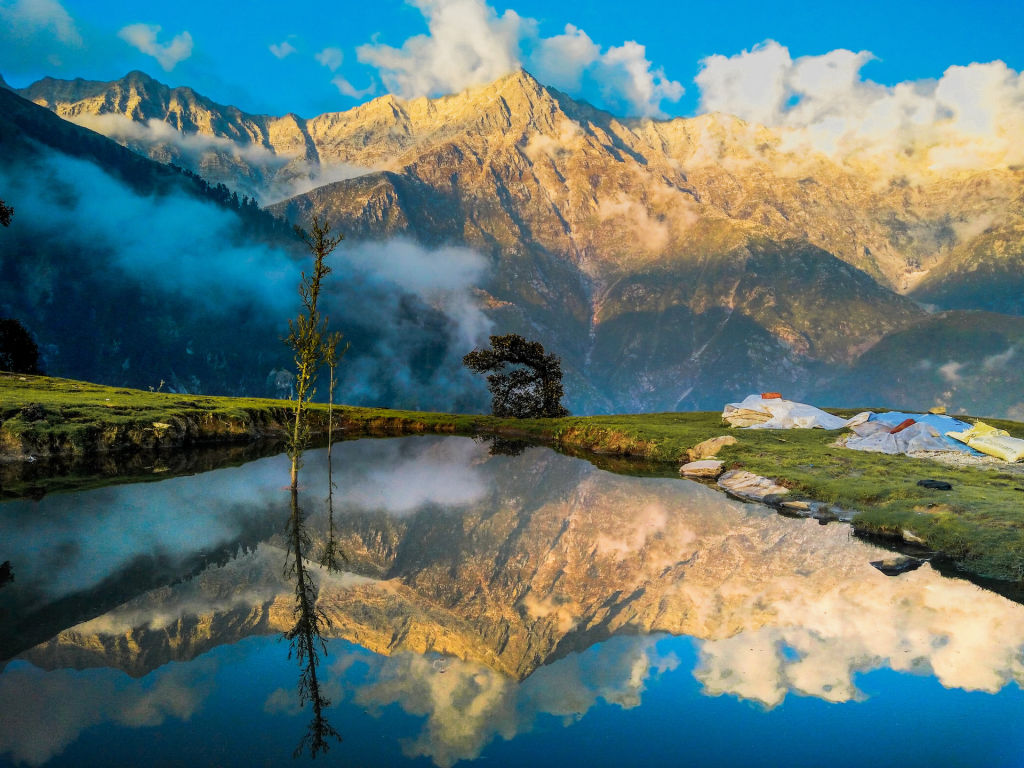
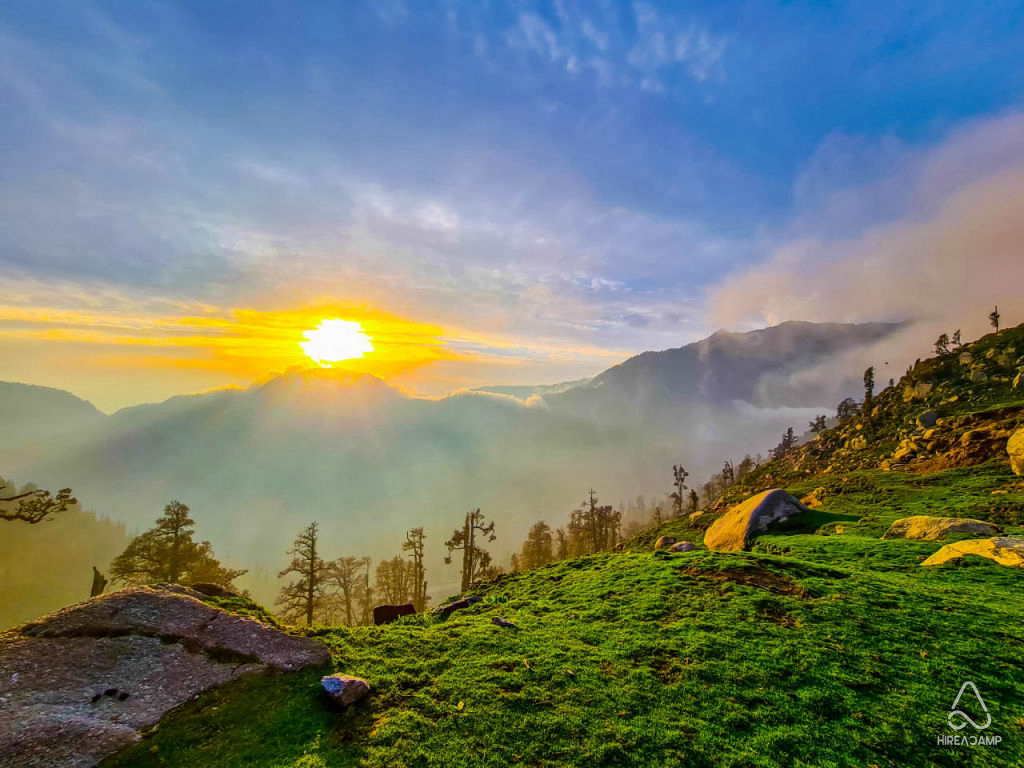
Those looking for memorable, immersive accommodation can choose from experiential riverside campsites, rustic nature lodges, and traditional homestays that offer home-cooked Himachali cuisine. Stays and camps throughout Kangra and surrounding hill valleys can be discovered and booked on HireACamp, giving you a relaxing home base to return to after a day immersed in regional history.
Frequently asked questions
Where is the Maharaja Sansar Chandra Museum located?
The museum is located immediately adjoining the entrance of the ancient Kangra Fort, a few kilometres from the main market of Kangra town in Himachal Pradesh.
What can visitors see inside the museum?
Visitors can see authentic Kangra miniature paintings, historical weaponry, suits of armour, royal costumes, palanquins, old coins, and archival photographs of the Katoch royal family.
Can I visit Kangra Fort and the museum together?
Yes, because the museum stands directly next to the entrance gate of Kangra Fort, most travellers easily explore both sites during the same visit.
How long does a visit to the museum take?
Most visitors spend roughly 45 to 60 minutes exploring the museum exhibits, allowing sufficient time to view the miniature paintings and historical artefacts.
What is the best way to reach the museum from Dharamshala?
Dharamshala is located around 20 kilometres north, and you can easily reach the museum by taking a local bus, taxi, or driving down through Kangra town.
Where you'll be
Adjoining Kangra Fort, Kangra · 4 stays nearby shown with prices
Stays near Maharaja Sansar Chandra Museum
Book a place to stay close by
More places near Maharaja Sansar Chandra Museum
Within 20 km


Built from 0 Instagram posts by 0 creators. Every tip links back to the post it came from, and where creators disagree we show both sides.


