
Baba Baroh Temple
Temple near Baroh, Himachal Pradesh
200 m from Baroh
The nearest town, for stays, food and fuel.
Baba Baroh Temple is a revered religious sanctuary situated in the tranquil countryside near the town of Baroh in the Kangra district of Himachal Pradesh. Surrounded by rolling hills, terraced fields, and peaceful rural hamlets, this shrine draws devotees and travellers seeking spiritual solace away from crowded tourist circuits. Its serene ambiance and proximity to major heritage sites across the Kangra Valley make it an enriching stop for anyone exploring the cultural heart of lower Himachal.
Getting there
By road
- From Ludhiana4 hr 15 min · 195 km
- From Amritsar4 hr 30 min · 220 km
- From Chandigarh5 hr 5 min · 228 km
- From Dehradun8 hr 30 min · 409 km
Typical drive times without traffic. Stations and airports from OLA Maps; distances and typical drive times from OpenStreetMap (© OpenStreetMap contributors); notes from creators' Reels.
About Baba Baroh Temple
Written with AI from map data and general knowledge. Check prices and timings locally before you go.
About Baba Baroh Temple
Set against the gentle foothills of the lower Himalayas, Baba Baroh Temple stands as an important spiritual center for communities in the Baroh area and the broader Kangra district. The temple is dedicated to local divine traditions, offering visitors an authentic glimpse into the religious life and folklore that have shaped Himachal Pradesh for generations.
The complex provides a quiet, unhurried space for prayer and contemplation. Unlike bustling city shrines, Baba Baroh Temple retains a deeply calm environment where ringing bells, fragrant incense, and natural surroundings create an immersive sense of stillness. Whether visiting for personal worship or to appreciate the architecture and traditional rituals, travellers will find a welcoming, soulful retreat.
The surrounding landscape and atmosphere
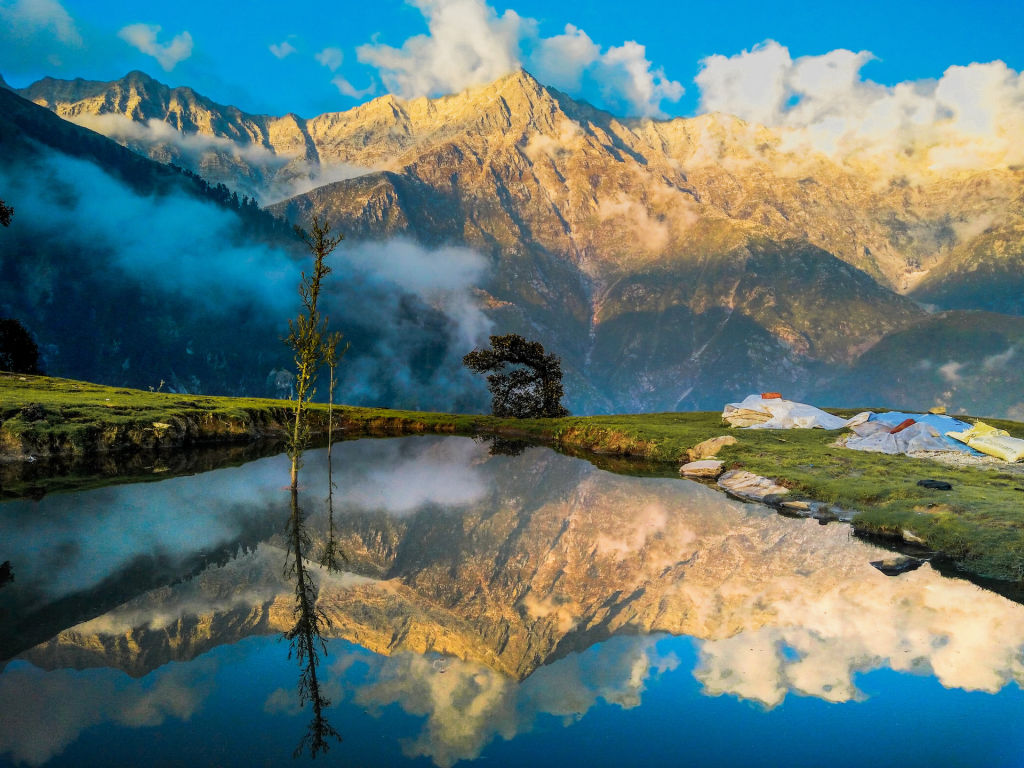
The setting of Baba Baroh Temple reflects the quintessential beauty of the lower Kangra Valley. Terraced farmland, groves of pine and subtropical trees, and meandering village paths frame the temple grounds. On clear mornings, cool mountain air drifts across the fields, carrying with it the subtle fragrance of pine and damp earth.
Because the temple is removed from major highway corridors, birdsong and rustling leaves dominate the soundscape. Exploring the perimeter of the shrine allows visitors to absorb the unhurried rhythm of life in Himachal's traditional rural communities, where hospitality and devotion remain closely tied to nature.
Read more
Best time to visit
Baba Baroh Temple can be visited throughout the year, but the post-monsoon and winter months, from October through March, are generally the most comfortable. During this window, the skies remain predominantly clear, humidity levels drop, and the pleasant daytime temperatures make walking and temple exploration delightful. Nights can become crisp and cold, particularly between December and February, requiring warm layers.
Spring, running from late March to May, brings pleasant warmth and blooming flora across the Kangra Valley, making it another fine season to travel. The monsoon months between July and September bring heavy rain to the region, revitalizing the greenery and filling local streams, but visitors should check local road and weather forecasts before setting out, as showers can cause occasional travel delays.
How to reach Baba Baroh Temple
The temple is located near the settlement of Baroh in the Kangra district of Himachal Pradesh. The nearest major regional transit hubs include the towns of Kangra and Dharamshala, both well connected by road to major cities in northern India such as Chandigarh, Delhi, and Pathankot.
Travellers arriving by train can disembark at Pathankot, which is connected to the Indian broad-gauge railway network, or travel on the historic Kangra Valley toy train toward nearby stops. The nearest commercial air terminal is Kangra Airport at Gaggal. From Kangra or Dharamshala, local buses, shared vehicles, and private taxis can take you through rural roads directly to Baroh. Confirm route directions and travel conditions locally before heading into the countryside.
Tips for your visit
When visiting Baba Baroh Temple, dress modestly and comfortably out of respect for local customs and traditions. Removing footwear before entering sanctum areas is standard practice, so choosing easy slip-on shoes is helpful. Carrying a light scarf or shawl can be useful for covering your head during prayer ceremonies.
Photography is often restricted inside inner sanctums across Himachali shrines, so be sure to observe posted signage or inquire with local caretakers before taking pictures. Carry some cash for local purchases, offerings, or refreshments, as digital payment connectivity can be sporadic in rural stretches. Keeping personal litter contained and respecting the peaceful nature of the shrine helps preserve its beauty.
Places to visit nearby
A visit to Baba Baroh Temple pairs naturally with several prominent historical and spiritual landmarks in the region. The historic Kangra Fort, perched high above the confluence of the Banganga and Majhi rivers, lies roughly twelve kilometers away and provides an absorbing look into centuries of regional history and warfare. In the same general direction stands the revered Maa Baglamukhi Temple, an important destination for pilgrims seeking blessings.
Heading slightly further afield, travellers can journey to the tranquil waters and open panoramas around Pong Lake, or visit the historic Dada Siba Fort. For those keen on exploring cafe culture, mountain walks, and Tibetan heritage, the hill town of McLeod Ganj is situated under thirty kilometers away, providing a stark and rewarding contrast to the rural atmosphere of Baroh.
Where to stay near Baroh
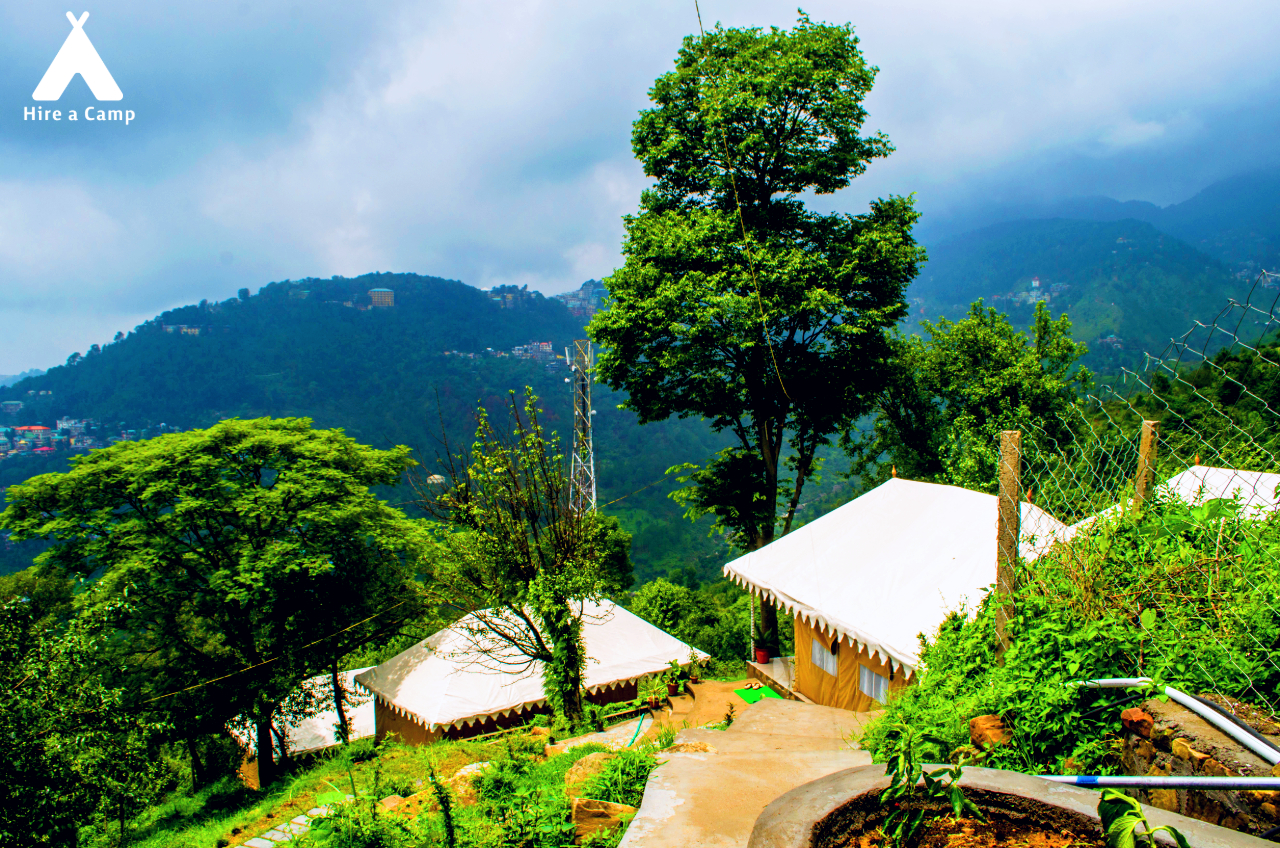
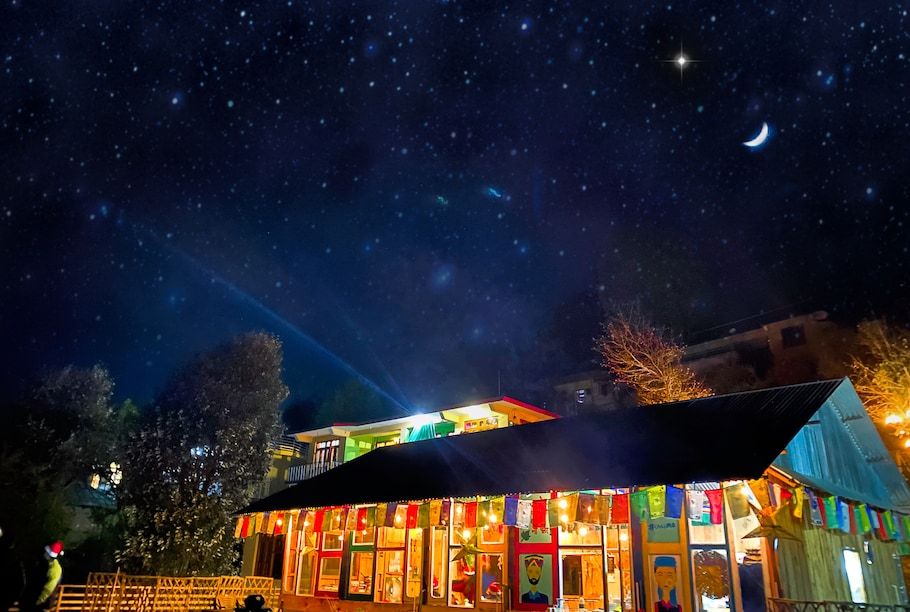
Accommodations around Baroh and the Kangra Valley cater to a wide spectrum of travel styles, from scenic rural homestays tucked among farmsteads to relaxed riverside campsites along the foothills. Staying in a village homestay offers travellers a warm introduction to local Himachali cuisine, regional architecture, and slow-paced living.
Those interested in exploring authentic farmstays, homestays, and outdoor camping grounds in and around the Kangra Valley can discover a variety of curated options on HireACamp. Booking in advance is recommended during holiday weekends and festive periods to secure comfortable lodging.
Frequently asked questions
Where is Baba Baroh Temple located?
Baba Baroh Temple is located in the vicinity of Baroh in the Kangra district of Himachal Pradesh, roughly twelve kilometers from Kangra Fort.
What is the best season to visit Baba Baroh Temple?
The most pleasant time to visit is from October to April, when the weather across the Kangra Valley is clear, mild, and comfortable for exploring.
Are there other attractions near Baba Baroh Temple?
Yes, nearby highlights include the historic Kangra Fort, Maa Baglamukhi Temple, Dada Siba Fort, and the scenic vantage points around Pong Lake.
What should visitors wear when visiting the temple?
Visitors should dress modestly with shoulders and knees covered, and remove their footwear before entering the temple's sanctum.
Where can I find accommodation near Baroh?
You can find local homestays, village stays, and camping retreats in the Kangra region listed on HireACamp.
Where you'll be
Near Kali Nath Bhole Shankar, Mcleod Ganj, Baroh · 3 stays nearby shown with prices
Stays near Baba Baroh Temple
Book a place to stay close by
More places near Baba Baroh Temple
Within 20 km

Built from 0 Instagram posts by 0 creators. Every tip links back to the post it came from, and where creators disagree we show both sides.


