
Basukedar
Destination in Uttarakhand
Basukedar is a serene mountain town located in the Rudraprayag district of Uttarakhand, known for its historic stone temple dedicated to Lord Shiva. Set amid rolling terraced slopes, pine forests, and distant views of the Garhwal Himalayas, the town offers a quiet alternative to the busier pilgrim hubs along the river valleys. Travellers visit Basukedar to experience its deep spiritual heritage, slow-paced village life, and proximity to scenic trekking trails.
Getting there
By road
- From Dehradun4 hr 55 min · 214 km
- From New Delhi8 hr 10 min · 426 km
- From Chandigarh8 hr 35 min · 383 km
Typical drive times without traffic. Stations and airports from OLA Maps; distances and typical drive times from OpenStreetMap (© OpenStreetMap contributors); notes from creators' Reels.
About Basukedar
Written with AI from map data and general knowledge. Check prices and timings locally before you go.
About Basukedar
Basukedar occupies a quiet ridge in the Garhwal region of Uttarakhand, situated between the valleys of the Mandakini and surrounding tributaries. Named after its revered ancient Shiva shrine, the town carries deep roots in Himalayan folklore. According to local lore, Lord Shiva stayed at this spot during his journey towards Kedarnath, giving the settlement enduring spiritual significance across the Garhwal hills.
Unlike the bustling highway towns along the Char Dham route, Basukedar retains a traditional, unhurried mountain rhythm. Slate-roofed homes, stone-paved walkways, and stepped agricultural fields define the townscape. Oak, rhododendron, and deodar trees fringe the nearby slopes, providing a green buffer that keeps the air fresh and cool throughout most of the year. For visitors, Basukedar serves as a peaceful base to reflect, walk quiet village trails, and connect with rural Uttarakhand.
Things to do in Basukedar
The focal point of any visit to Basukedar is the ancient Basukedar Temple. Built in the classical stone nagara architectural style characteristic of medieval Himalayan shrines, the temple features intricate carvings, stone pillars, and weathered sculptures. Spending an early morning here, listening to temple bells ring against the backdrop of mist rising from the valley, offers an intimate glimpse into regional devotion.
Beyond temple visits, walking through the surrounding settlement reveals the beauty of rural mountain life. You can wander along hillside paths flanked by terraced farms where locals cultivate seasonal crops and mountain millets. The higher vantage points around the town provide expansive views of the Kedarnath range on clear mornings, making it rewarding for landscape photographers and birdwatchers who want to spot Himalayan thrushes, magpies, and barbet species in the surrounding tree line.
Evenings are best spent quietly watching the sunset cast warm tones across the opposite ridges. Because commercial tourism remains modest here, nights are exceptionally dark and quiet, creating excellent conditions for stargazing.
Read more
Places to visit around Basukedar
Basukedar is well situated for exploring both prominent cultural landmarks and tranquil natural escapes across Rudraprayag district. A short journey away lies Badhani Tal, a scenic lake surrounded by meadows and forests that serves as an inviting day excursion for nature lovers and walkers seeking open space.
Down in the valley, the town of Rudraprayag is known for the confluence of the Alaknanda and Mandakini rivers. At the Rudraprayag Sangam View Point, you can watch the two distinct glacial rivers merge into a single powerful current. Nearby, Koteshwar Mahadev features cave temples carved into the rock face alongside the rushing waters of the Alaknanda, where pilgrims have gathered for generations.
Those interested in mountain landscapes can venture towards the Chopta Valley, a high-altitude area celebrated for alpine meadows and access to high mountain vistas. Other culturally significant sites within reach include the historic Triyuginarayan Temple, famous for its eternal sacred flame, and the revered Dhari Devi Temple perched above the river upstream. Travellers venturing towards the higher pilgrimage routes will also find Basukedar a natural stepping stone on the broader journey towards Kedarnath Dham and the high-altitude lake of Vasuki Tal.
Best time to visit Basukedar
Basukedar experiences a temperate mountain climate with distinct seasonal shifts. Spring and early summer, from March through June, bring pleasant daytime weather and vibrant blooms along the hillsides. Daytime temperatures remain comfortable for walking and sightseeing, while nights are refreshingly cool, making this period the most popular time for travelers.
The monsoon months of July and August bring heavy rains to the Garhwal Himalayas. The landscape turns lush and green, but mountain roads in the region are prone to landslides and unexpected delays. Those traveling during the rains should check local weather and road conditions before departure.
Autumn, running from mid-September through November, offers some of the clearest skies of the year. The post-monsoon air is crisp, and distant snow-capped Himalayan peaks are regularly visible from high points around the town. Winter arrives by December and lasts until February, bringing biting cold and chilly winds. While snowfall may occasionally touch higher adjoining ridges, Basukedar remains largely accessible, appealing to visitors who enjoy brisk winter days and quiet surroundings.
How to reach Basukedar
Basukedar can be reached by road through the well-connected highway network of Uttarakhand. Most journeys begin from the foothills at Haridwar or Rishikesh, which serve as the primary rail terminals connecting to major Indian cities. The nearest airport is Jolly Grant Airport in Dehradun, which handles regular domestic flights from major hubs.
From Rishikesh or Haridwar, travelers follow the scenic Badrinath and Kedarnath highway corridors passing through Devprayag and Srinagar before reaching Rudraprayag. From Rudraprayag, a network of state roads and mountain links branches off towards Basukedar. Public buses and shared mountain utility vehicles operate regularly along the main river valleys, though private taxis or personal vehicles offer greater flexibility for navigating the winding hill roads.
Tips for your visit to Basukedar
When planning a trip to Basukedar, pack warm clothing regardless of the season, as mountain temperatures drop rapidly after dark. A light jacket is useful even in summer, while thermal wear, heavy woollens, and windproof outer layers are essential during late autumn and winter.
Carry sufficient cash for your daily expenses, as automated teller machines in small mountain towns may run out of currency or experience connectivity drops. Larger commercial centers like Rudraprayag and Agastyamuni have more reliable banking facilities. Wear sturdy, slip-resistant walking shoes suited for uneven stone steps and dirt trails.
Basukedar is a community with deep-seated religious traditions. Dress modestly when visiting temple premises, remove footwear before entering, and ask for permission before photographing local residents or private homes. Please carry reusable water bottles and take all personal trash back to larger towns with proper waste management facilities to help preserve the fragile mountain environment.
Where to stay around Basukedar
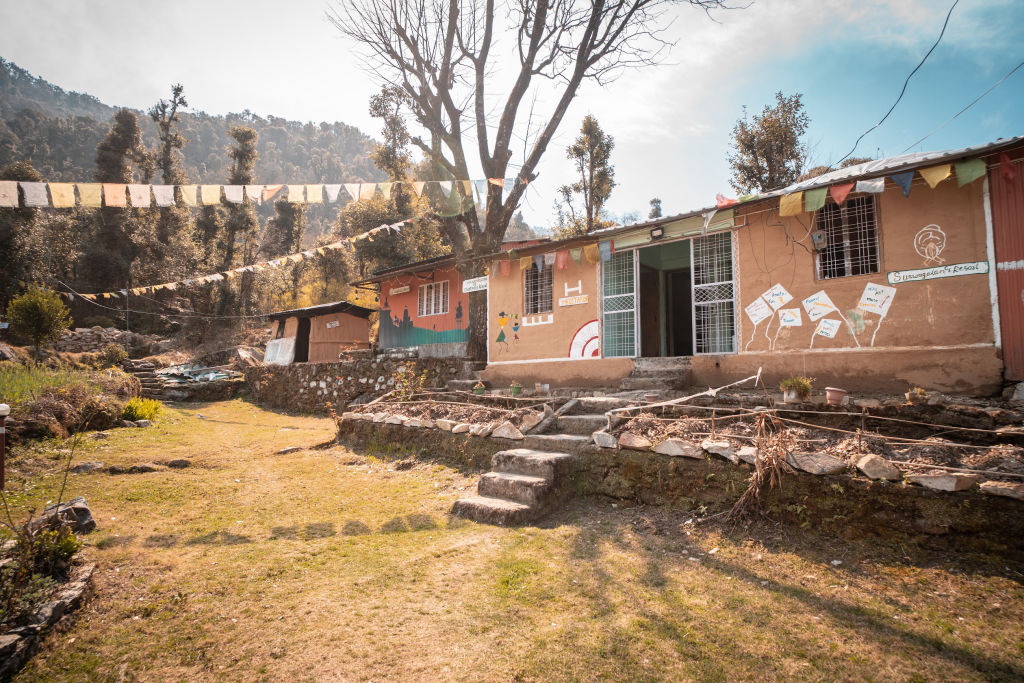
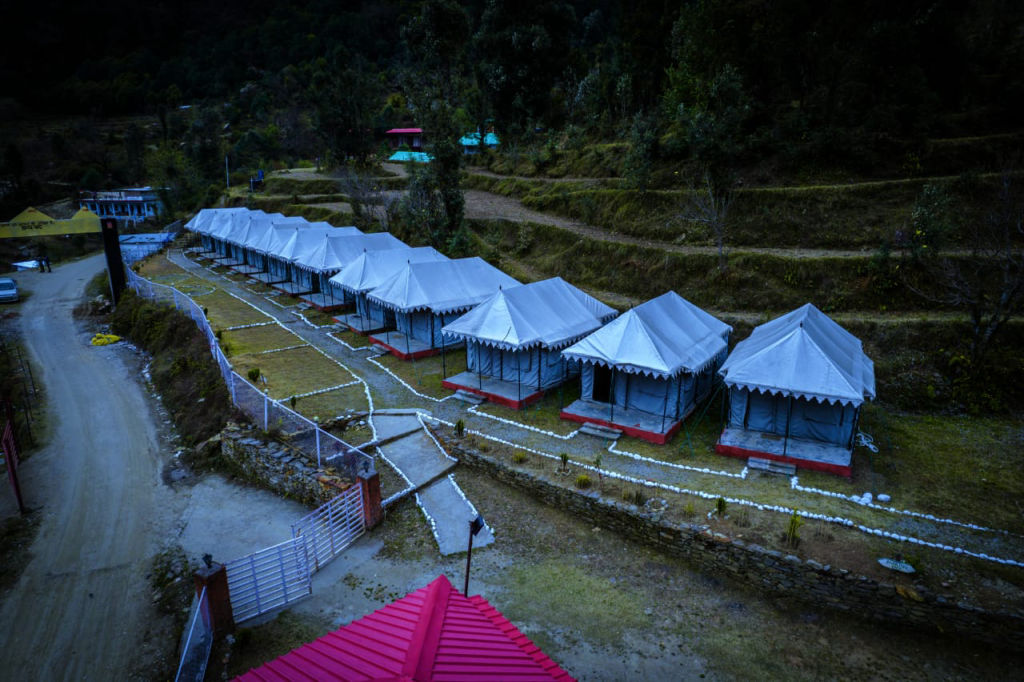
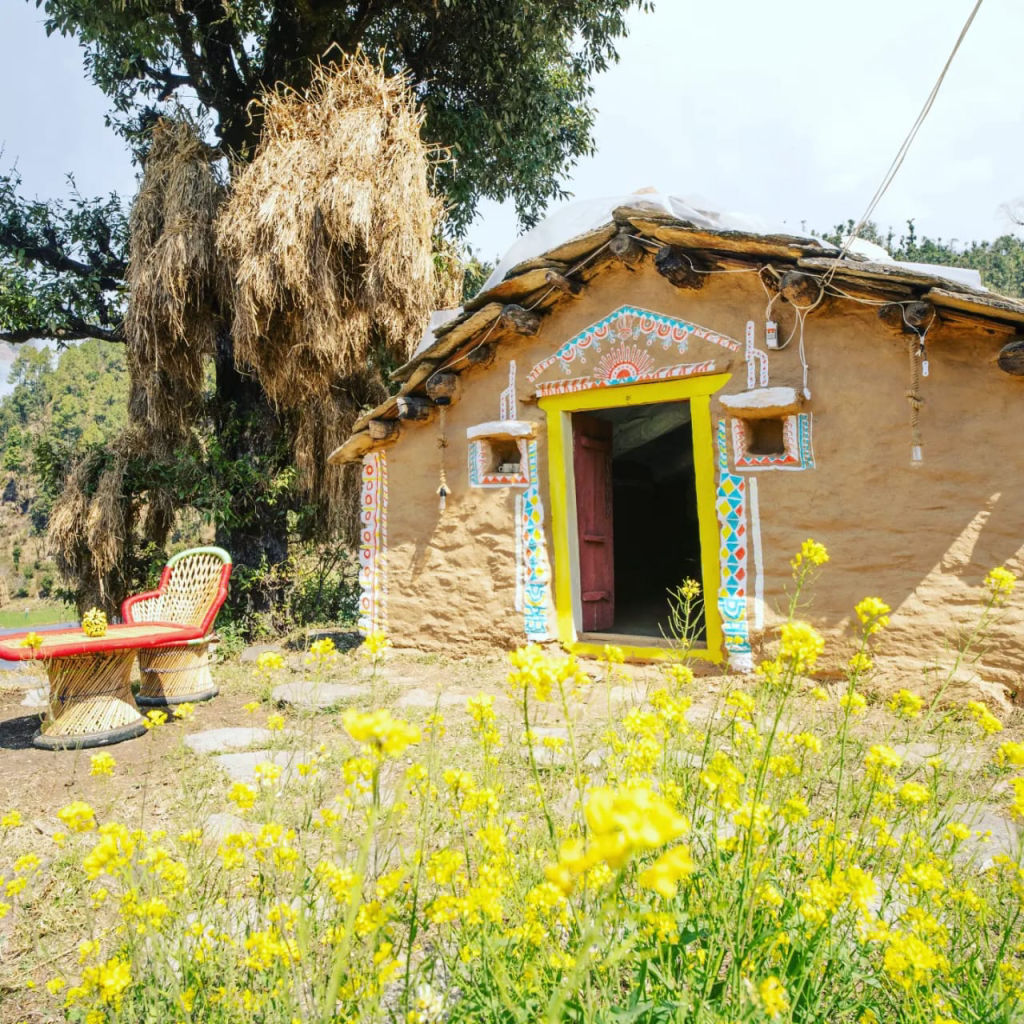
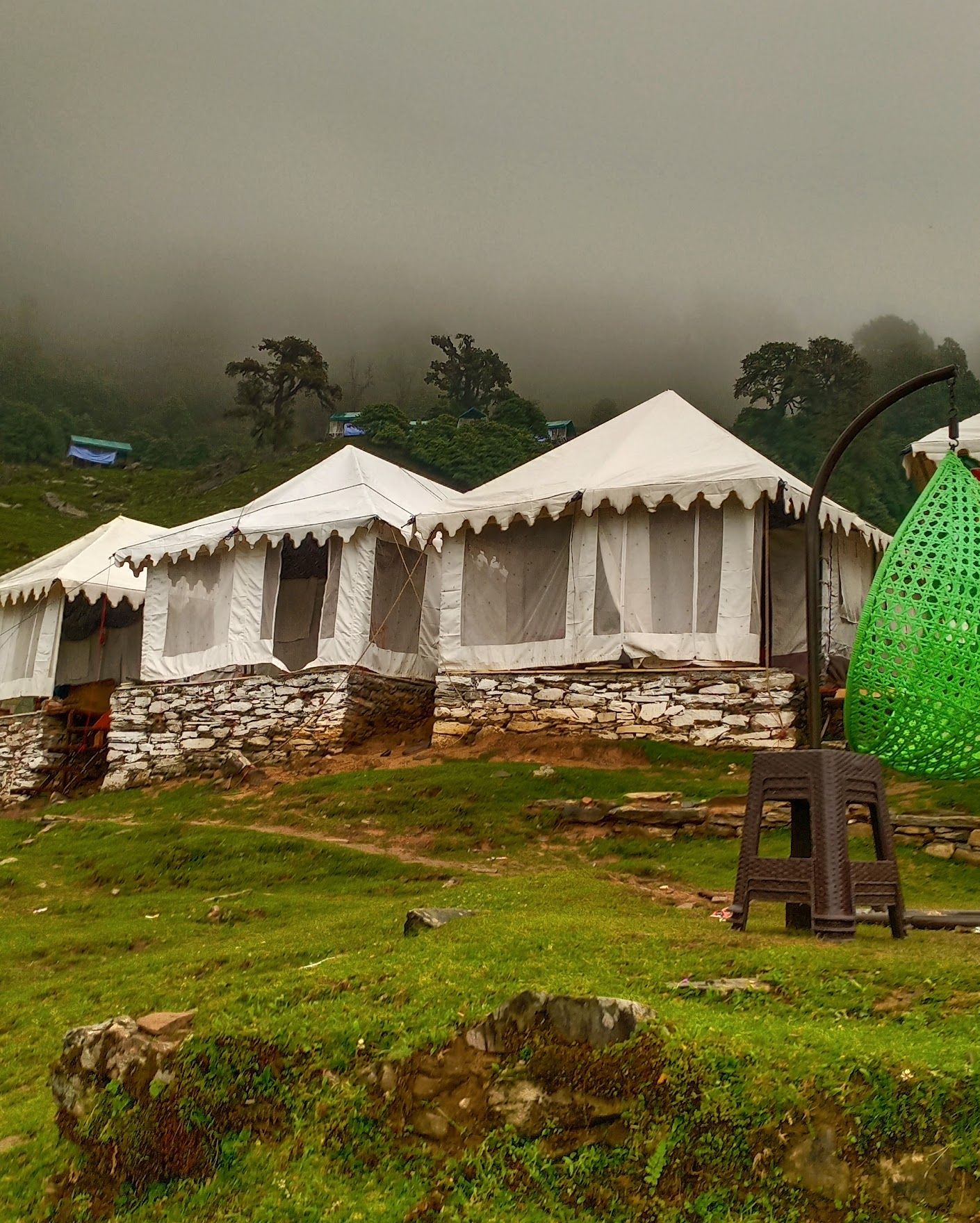
Accommodations directly within Basukedar consist primarily of basic guesthouses, pilgrim rest houses, and traditional village homestays that offer a warm glimpse into local Garhwali hospitality and homemade regional food. These stays provide clean, rustic shelter with authentic mountain simplicity.
If you prefer outdoor settings, eco-lodges, or serene riverside campgrounds, you can explore a variety of homestays and outdoor stays across the surrounding valleys and ridges on HireACamp. Staying slightly outside the town lets you enjoy peaceful valley views, starlit nights, and easy access to walking trails.
Frequently asked questions
What is Basukedar known for?
Basukedar is best known for its ancient stone temple dedicated to Lord Shiva, which carries significant mythological importance in the Garhwal region as a traditional stop along the sacred Kedarnath pilgrimage route.
Which is the best season to visit Basukedar?
The ideal time to visit is from March to June for pleasant weather and clear trails, or from September to November for crisp air, clear blue skies, and broad mountain views.
How can I reach Basukedar by public transport?
You can take a bus or shared vehicle from Rishikesh or Haridwar to Rudraprayag, and then board local taxis or connecting mountain buses that head towards the Basukedar area.
Can I visit Chopta and Rudraprayag from Basukedar?
Yes, Basukedar is located within comfortable driving distance of both Rudraprayag and Chopta Valley, making it a convenient base for exploring both cultural river confluences and alpine meadows.
What should I pack for a trip to Basukedar?
Bring comfortable walking shoes, basic personal medicines, sufficient cash, and layered clothing, including warm woollens for chilly evenings and early mornings.
Where you'll be
4 stays nearby shown with prices
Stays near Basukedar
Book a place to stay close by
Things to do in Basukedar
48 places creators recommend within 30 km
Built from 0 Instagram posts by 0 creators. Every tip links back to the post it came from, and where creators disagree we show both sides.






