
Bharmour
Heritage & Culture near Bharmour, Himachal Pradesh
1.7 km from Bharmour
The nearest town, for stays, food and fuel.
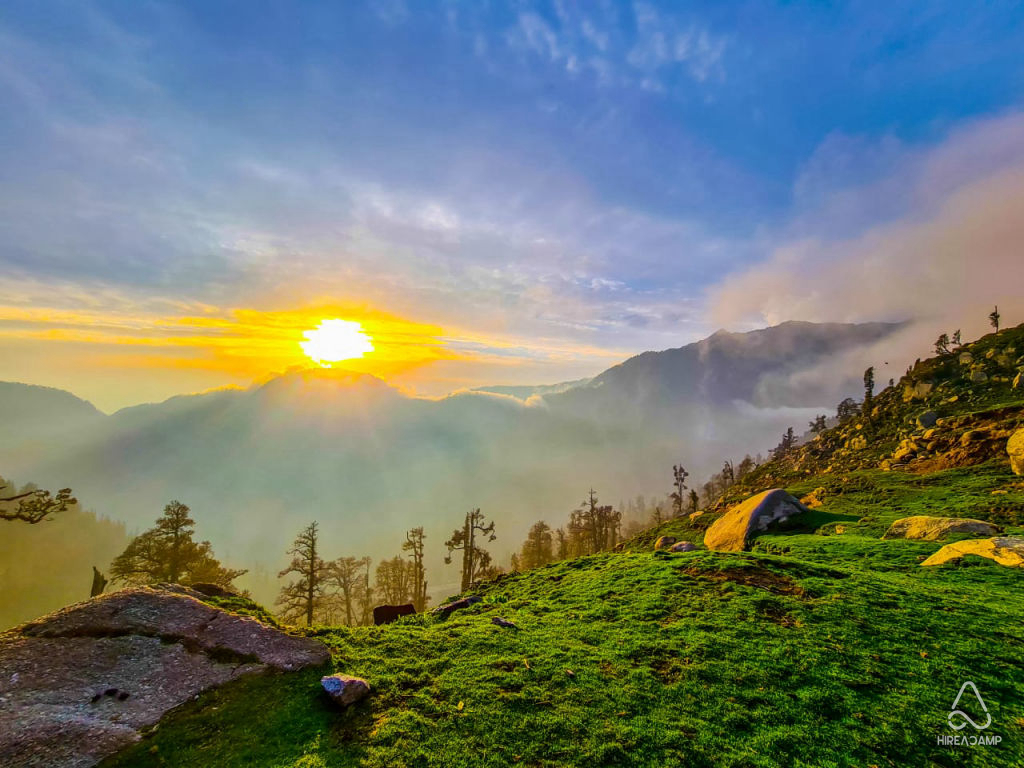
Bharmour is a historic mountain settlement situated in the Budhil valley of Himachal Pradesh, celebrated as the ancient seat of the Chamba kingdom. Encircled by high alpine peaks and fragrant deodar woods, the town draws pilgrims, heritage enthusiasts, and mountain travellers alike. Visitors come to marvel at its remarkably preserved seventh-century stone and wood shrines and to experience the gateway to the sacred Manimahesh region.
Getting there
By road
- From BharmourNearest town10 min · 3.3 km
- From Amritsar6 hr 10 min · 296 km
- From Ludhiana7 hr 25 min · 352 km
- From Chandigarh9 hr 5 min · 416 km
Typical drive times without traffic. Stations and airports from OLA Maps; distances and typical drive times from OpenStreetMap (© OpenStreetMap contributors); notes from creators' Reels.
About Bharmour
Written with AI from map data and general knowledge. Check prices and timings locally before you go.
Heritage and history of Bharmour
Originally known as Brahmpura, Bharmour holds a prominent position in the annals of Western Himalayan history. It served as the capital of the Chamba kingdom for nearly four centuries, beginning around the sixth century, before the royal seat was shifted downstream to Chamba. Despite the passage of centuries, the town preserves a distinct aura of timelessness rooted in its ancient architecture and local folklore.
At the spiritual and architectural core of the town lies the Chaurasi Temple complex, a sanctified gathering of eighty-four distinct shrines. The complex was commissioned by King Meru Varman and later rulers, blending local post-Gupta craftsmanship with typical Pahari wood and stone construction. The main temples, dedicated to deities such as Manimahesh, Lakshana Devi, Ganesha, and Narsingh, display intricately carved deodar timber ceilings, brass idols, and classical stepped shikhara profiles. The shrine of Dharmeshwar Mahadev, associated with the god of justice, adds a unique mythological dimension to the complex.
Things to see and do in Bharmour
A primary highlight of visiting Bharmour is wandering quietly through the open courtyard of the Chaurasi Temple complex. Here, travellers can study centuries-old stone reliefs, observe traditional morning rituals, and appreciate the woodwork inside the older wooden sanctums. The atmosphere in the temple precinct is unhurried, reflecting the deep spiritual traditions kept alive by local priests and devotees.
Beyond temple visits, walking through the surrounding village hamlets reveals the enduring pastoral heritage of the Gaddi people. This semi-nomadic community has inhabited the upper Ravi and Budhil valleys for generations, herding sheep and goats across high passes in the summer months. Exploring the narrow stone-paved lanes offers glimpses of traditional two-storey slate-roofed homes, wooden balconies, and apple orchards lining the slopes. Gentle day hikes lead up through terraced fields and pine forests, providing panoramic vistas of the surrounding snow-clad peaks.
Read more
Places to visit around Bharmour
Several captivating locations surround Bharmour, making it an excellent base for cultural day excursions and wilderness expeditions. A short journey downstream leads to Chatrari, celebrated for the ancient Chatrari Devi Temple. Dedicated to Shakti Devi, this temple shares architectural kinship with the shrines in Bharmour and is famous for its masterfully carved wooden pillars and classical metal cast idol.
For adventurous trekkers and mountaineers, the region acts as a gateway to challenging high-altitude terrain. Trailheads leading toward glacial lakes, such as Nag Chhatri Dal, Nag Dal, and Lam Dal, venture deep into the Dhauladhar and Pir Panjal fringes. High mountain passes like Indrahar Pass, Talang Pass, and Singhar Pass connect the valley to Kangra and the vicinity of McLeod Ganj across the ridge. Above all, Bharmour is the key staging point for the annual Manimahesh Yatra, which leads pilgrims along the roaring Budhil torrent up to the glacial waters of Manimahesh Lake resting beneath Mount Manimahesh Kailash.
Best time to visit Bharmour
The climate in Bharmour varies significantly across the seasons, offering different experiences depending on the time of year. Spring and summer, stretching from April to June, bring comfortable daytime temperatures, clear blue skies, and blooming orchards. It is during this period that the town is most pleasant for sightseeing, walking, and exploring the wider valley without facing severe weather.
The monsoon period between July and August brings heavy rainfall to the lower approaches, increasing the likelihood of road blockages and landslides, though the late summer also coincides with the traditional pilgrimage period. Autumn, from September through November, is widely regarded as an exceptional season. The skies turn exceptionally clear, the air becomes crisp and fresh, and the hillside forests take on warm seasonal shades. Winters, from December to March, are cold and often see substantial snowfall, transforming the landscape into a peaceful, snowbound winter wonderland.
How to reach Bharmour
Reaching Bharmour requires travelling along winding mountain highways through the rugged valleys of western Himachal Pradesh. The town is connected by road from the historic district headquarters at Chamba, following the scenic course of the Ravi River before ascending along the Budhil stream. Public buses and shared transport operate between Chamba and Bharmour, though private taxis can also be hired locally.
For those travelling from farther away, the nearest major railhead is located at Pathankot in Punjab, which is linked to broad-gauge trains across northern India. From Pathankot, travellers can take buses or hire vehicles to reach Chamba and onwards to Bharmour. The closest regional airport is at Gaggal near Kangra and Dharamshala, from where the journey can be continued by road. Because mountain roads can be narrow and prone to maintenance work, travel times should always be planned with extra leeway.
Tips for your visit to Bharmour
When planning a trip to Bharmour, packing warm clothing is advisable regardless of the season, as high-altitude evenings and early mornings can become chilly very quickly. If you are visiting during late autumn or winter, heavy woollens, thermal innerwear, and sturdy walking shoes with good grip are essential.
Visitors should maintain cultural sensitivity when entering the sacred temple complexes. Leather articles such as belts and wallets are traditionally kept outside the sanctum sanctorum in several shrines, and shoes must be removed before stepping onto temple floors. While basic mobile connectivity is present in town, mobile data speeds can be unpredictable, and local banking terminals occasionally run out of cash. It is wise to carry adequate physical cash for small purchases, local meals, and transport.
Where to stay in Bharmour
Accommodation options in Bharmour cater primarily to pilgrims, backpackers, and cultural travellers looking for genuine hospitality rather than commercial opulence. The town features simple guesthouses, valley-view homestays managed by local families, and seasonal outdoor tent setups along scenic village fringes. Staying in a homestay allows travellers to taste traditional Pahari food and observe daily mountain routines up close.
Whether you are looking for a peaceful riverside tent, a traditional wooden homestay among apple orchards, or a simple village base for your trek, you can explore vetted homestays and outdoor camps across the Bharmour region on HireACamp.
Frequently asked questions
What is Bharmour best known for?
Bharmour is best known for its historic Chaurasi Temple complex, which houses eighty-four ancient shrines dating back to the seventh century. It is also famous as the cultural homeland of the Gaddi community and the base for the sacred Manimahesh pilgrimage.
Can I visit Bharmour during the winter?
Yes, Bharmour can be visited during the winter months, but travellers should expect freezing temperatures and snowfall. Road access can occasionally be disrupted after heavy snowstorms, so checking local weather and road conditions beforehand is recommended.
How far is Bharmour from Chamba?
Bharmour is situated roughly sixty kilometres upstream from the historic town of Chamba. The mountain drive typically takes between two and three hours depending on road conditions and local traffic.
What is the Chaurasi Temple complex?
The Chaurasi Temple complex is a cluster of eighty-four ancient stone and wooden shrines located in the centre of Bharmour. Built primarily between the seventh and tenth centuries, the complex honours various deities and stands as an architectural treasure of Himachal Pradesh.
Where you'll be
Bharmour, Brahmaur(T) · 1 stay nearby shown with prices
Stays near Bharmour
Book a place to stay close by
More places near Bharmour
Within 20 km
Built from 0 Instagram posts by 0 creators. Every tip links back to the post it came from, and where creators disagree we show both sides.






