
Chaurasi Temple
Temple near Bharmour, Himachal Pradesh
200 m from Bharmour
The nearest town, for stays, food and fuel.
Chaurasi Temple is an ancient temple complex located in the historic mountain town of Bharmour in Himachal Pradesh. Centred around eighty-four distinct shrines, the complex holds immense spiritual significance as a historic seat of Shaivite worship and Himachali temple architecture. Travellers and pilgrims visit Bharmour to experience its wooden craftsmanship, deep religious heritage, and panoramic views of the surrounding Pir Panjal range.
Getting there
By road
- From BharmourNearest town4 min · 1.2 km
- From Amritsar5 hr 55 min · 292 km
- From Ludhiana7 hr 15 min · 348 km
- From Chandigarh8 hr 55 min · 412 km
Typical drive times without traffic. Stations and airports from OLA Maps; distances and typical drive times from OpenStreetMap (© OpenStreetMap contributors); notes from creators' Reels.
About Chaurasi Temple
Written with AI from map data and general knowledge. Check prices and timings locally before you go.
About Chaurasi Temple
Chaurasi Temple sits at the heart of Bharmour, an ancient capital of the Chamba region before the seat of power moved to Chamba town. The name Chaurasi translates to eighty-four, signifying the cluster of eighty-four shrines constructed within a single open courtyard against the backdrop of pine-clad slopes.
According to local lore and traditional accounts, these shrines were built to honour eighty-four siddhas or revered yogis who visited Bharmour and blessed the local king. Among the prominent temples within the perimeter are the Manimahesh Temple, the Lakshana Devi Temple with its finely carved deodar timber doorway, the Narsingh Temple, and the unique Dharmeshvar Mahadev temple associated with Yamraj, the lord of justice. The architecture displays a transition of classical wooden craftsmanship and stone Shikhara designs dating back to the seventh and tenth centuries.
Things to see and do at the complex
The main attraction is wandering unhurriedly through the stone-paved courtyard to examine the details of each shrine. The classical wood carvings of Lakshana Devi Temple showcase intricate scrollwork, figurative reliefs, and traditional hill temple design that has stood preserved for well over a millennium.
A visit to the shrine of Dharmeshvar Mahadev offers an interesting glimpse into regional folklore. Pilgrims often pay respects here before proceeding on arduous treks into the higher mountains. Outside the temples, the open courtyard serves as a gathering space for locals, offering travellers a chance to observe traditional Himachali customs and mountain life.
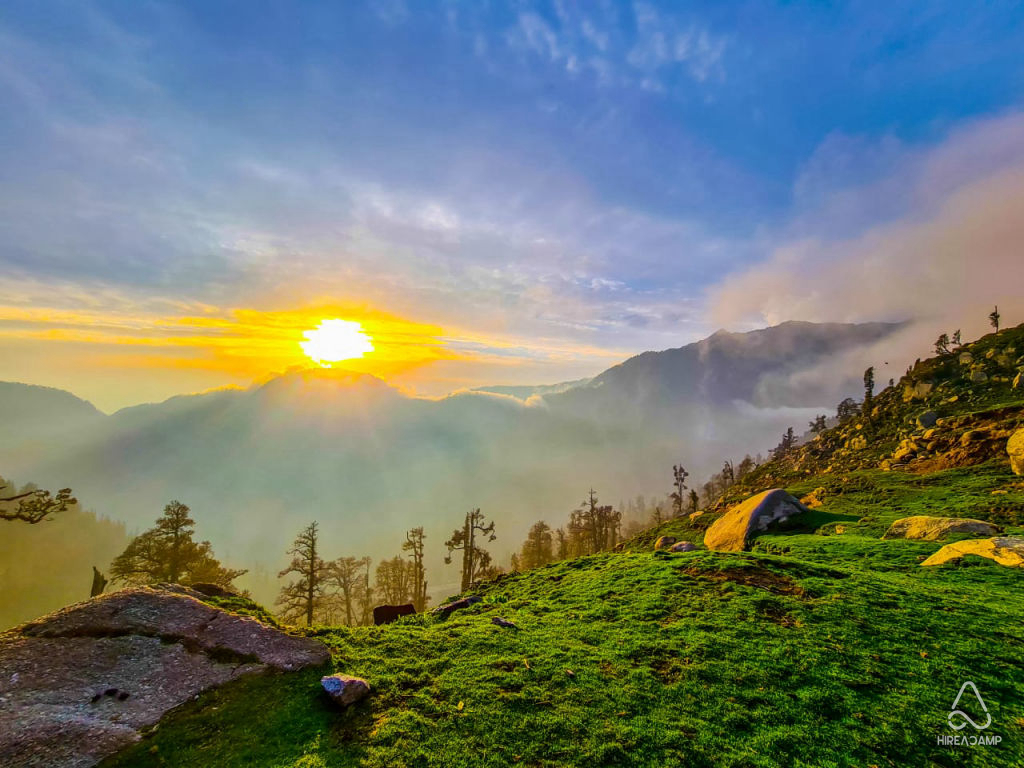
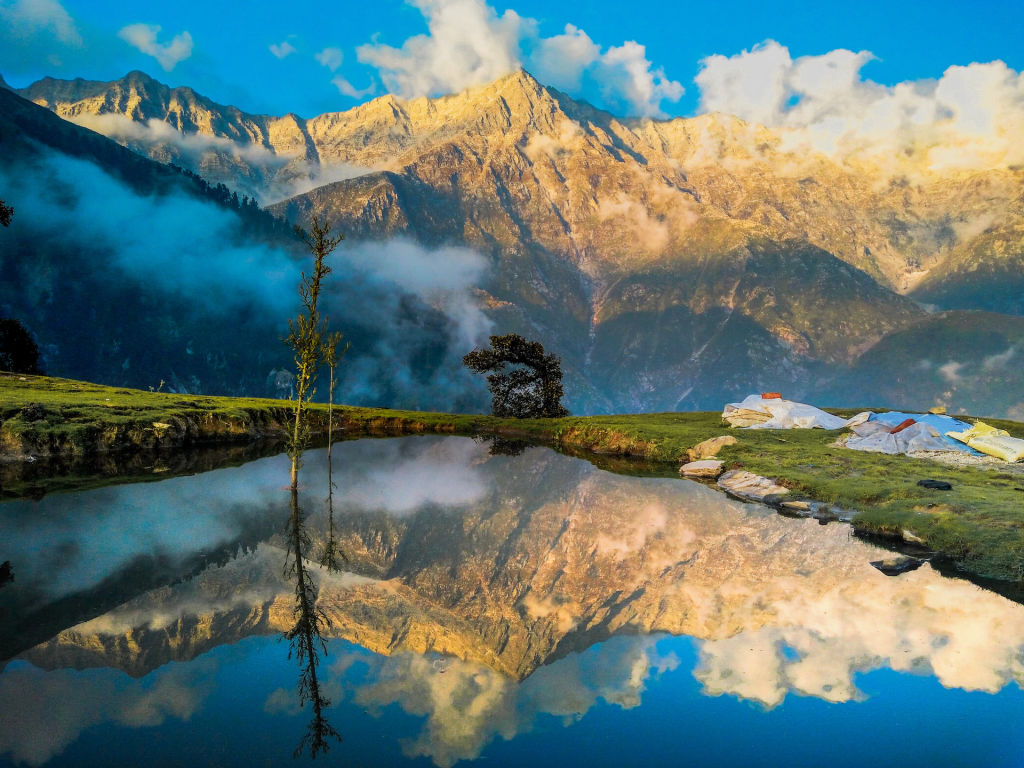
For outdoor enthusiasts, the courtyard also serves as a peaceful vantage point to admire the rugged peaks of the Pir Panjal range. Sitting on the steps of the larger stone shrines in the quiet morning light allows you to take in the rhythm of prayer bells and mountain breezes.
Read more
Best time to visit
The ideal period to visit Chaurasi Temple is from April to October, when high mountain roads are generally clear and daytime weather remains pleasant. Spring brings blooming alpine valleys and cool temperatures, making sightseeing in Bharmour refreshing.
Monsoon brings heavy rainfall between July and August, which can cause landslides along mountain corridors such as the route between Chamba and Bharmour. Travellers arriving during late August and September often encounter the festive buzz linked with high-altitude pilgrimages, including the traditional yatra towards Manimahesh Lake.
Winters, lasting from November to March, are cold and often see snowfall covering the temple courtyard. While the scenery is stunning under snow, winter travel requires careful monitoring of road conditions and appropriate cold-weather clothing.
How to reach Chaurasi Temple
Bharmour is situated in the upper reaches of the Chamba district. The most common access route is via the historic town of Chamba, which is linked by road to Pathankot in Punjab and major cities across northern India.
The closest major broad-gauge railway junction is Pathankot, from where road transport is readily available. From Pathankot, the drive leads uphill past Dalhousie and Chamba along winding valley routes following the Ravi River and the Budhil stream.
Travellers approaching from Dharamshala or McLeod Ganj can travel through Kangra and Jot or via the Pathankot highway before ascending to Bharmour. Local buses and shared taxis ply frequently between Chamba town and Bharmour throughout the daytime, though services may be limited after dark.
Places to visit nearby
The mountain valleys surrounding Bharmour are rich in cultural landmarks and alpine trailheads. A short excursion down the valley leads to Chatrari Devi Temple, another revered wooden temple dedicated to Shakti with classical architectural value.
Bharmour is also the primary base for legendary high-altitude trekking routes. High passes like Indrahar Pass, Talang Pass, and Singhar Pass connect the Bharmour valley to the Kangra side across the crest of the Pir Panjal. Trekkers venturing deeper into the wilderness pass glacial tarns such as Nag Dal, Nag Chhatri Dal, and the alpine meadows leading towards the Lam Dal temple and lakes.
For broader cultural exploration, the town of Chamba offers the famous Chaugan ground, historic palaces, and river walks, making it a natural companion stop for any itinerary visiting Bharmour.
Tips for your visit
Dress conservatively when visiting Chaurasi Temple out of respect for local traditions. Shoes must be removed before stepping onto the sacred stone platforms of the individual shrines.
Because mountain weather changes quickly, carrying light woollens or a windproof jacket is wise even in the summer months. In winter, thermal layers, warm socks, and heavy jackets are necessary.
Carry sufficient cash, as cellular signals and automated teller machines in high mountain valleys can occasionally face downtime due to weather disruptions. Always enquire about local road conditions with local transport drivers before starting your return journey towards lower valleys.
Where to stay
Bharmour and the surrounding valley offer a selection of traditional homestays, simple guesthouses, and scenic mountain campsites. Staying in town gives you easy walking access to the temple courtyard for early morning and evening aartis.
If you prefer secluded outdoor settings, riverside camps and valley homestays are located along the approaches to Bharmour. Stays and experiential campsites across the region can be explored and booked on HireACamp.
Frequently asked questions
Why is the complex named Chaurasi Temple?
The complex is named Chaurasi, meaning eighty-four in Hindi, because it houses eighty-four distinct small and large shrines dedicated to various deities within one large open courtyard.
Is Chaurasi Temple accessible throughout the year?
The temple remains open throughout the year, but visits during peak winter depend on snowfall and road conditions between Chamba and Bharmour. Spring through autumn is the most comfortable time to travel.
Can Chaurasi Temple be covered in a day trip?
Yes, travellers based in Chamba town can visit Chaurasi Temple as a day excursion by car or bus. However, staying overnight in Bharmour allows for a more relaxed visit and time to explore nearby alpine villages.
Are there photography restrictions at the temple complex?
Photography is generally permitted in the open courtyard, but it is strictly prohibited inside the inner sanctums of the older shrines. Check local signboards or ask the resident priests before filming.
Where you'll be
Brahmaur(T) · 2 stays nearby shown with prices
Stays near Chaurasi Temple
Book a place to stay close by
More places near Chaurasi Temple
Within 20 km
Built from 0 Instagram posts by 0 creators. Every tip links back to the post it came from, and where creators disagree we show both sides.






