
Kartik Swami Temple, Kugti
Temple near Bharmour, Himachal Pradesh
1.7 km from Bharmour
The nearest town, for stays, food and fuel.
Kartik Swami Temple in Kugti is an ancient mountain shrine dedicated to Lord Kartikeya, located in the remote Kugti village of the Bharmour region in Chamba, Himachal Pradesh. Perched high amidst pine and deodar forests against rugged Himalayan peaks, it serves as a deeply revered pilgrimage site for the local Gaddi community. Visitors journey here to experience its timeless wooden architecture, quiet alpine isolation, and scenic wilderness at the gateway to high-altitude Himalayan passes.
Getting there
By road
- From BharmourNearest town10 min · 3.3 km
- From Amritsar6 hr 10 min · 296 km
- From Ludhiana7 hr 25 min · 352 km
- From Chandigarh9 hr 5 min · 416 km
Typical drive times without traffic. Stations and airports from OLA Maps; distances and typical drive times from OpenStreetMap (© OpenStreetMap contributors); notes from creators' Reels.
About Kartik Swami Temple, Kugti
Written with AI from map data and general knowledge. Check prices and timings locally before you go.
About Kartik Swami Temple, Kugti
Kartik Swami Temple stands in the remote village of Kugti, situated within the high valleys of the Bharmour tehsil in Chamba district. Kugti is the last inhabited village on the trekking trail leading toward the formidable Kugti Pass, which connects the Chamba valley with the Lahaul valley. The shrine is dedicated to Lord Kartikeya, the son of Lord Shiva and Goddess Parvati, and occupies a position of tremendous spiritual significance among the indigenous Gaddi pastoralists of the region.
The shrine is built following traditional western Himalayan architectural styles, making extensive use of indigenous deodar timber and hand-cut stone. Carved wooden pillars and panels depict motifs rooted in regional folklore and classical Hindu traditions. Because of its remote setting, the temple retains an unhurried, preserved spiritual atmosphere far removed from crowded pilgrimage circuits, drawing mountain travellers who seek authentic culture set within unspoiled natural surroundings.
Landscape and wildlife around Kugti
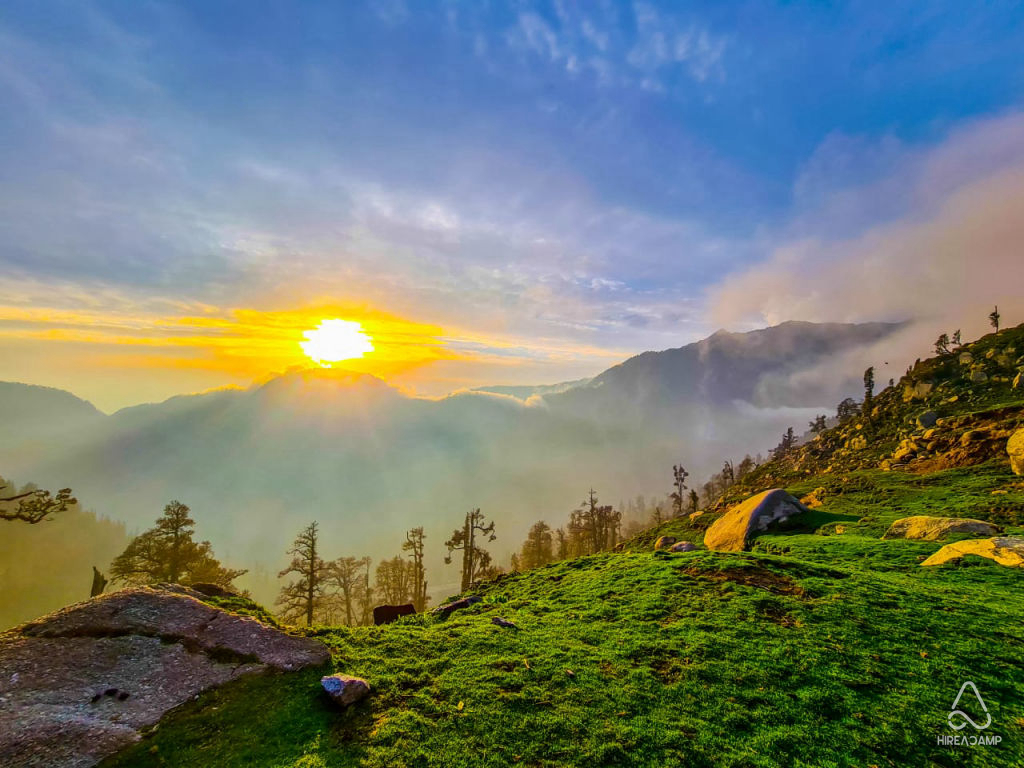
The terrain surrounding Kugti is dramatic, shaped by deep gorges carved by mountain streams, sprawling apple orchards, and dense temperate forests of cedar, pine, and birch. As you move slightly higher, these forests give way to high-altitude alpine meadows that are carpeted with wild blossoms during the brief summer months.
The temple borders the Kugti Wildlife Sanctuary, which is one of the largest sanctuaries in Himachal Pradesh. This protected landscape is home to rare and threatened Himalayan fauna, including the snow leopard, Himalayan tahr, musk deer, brown bear, and the colourful western tragopan. The pristine soundscape is broken only by the rush of glacier-fed rivers and the calls of mountain birds, making the trek to the temple an immersive natural journey.
Read more
Best time to visit
The ideal period to visit Kartik Swami Temple is between May and October, when the roads leading toward Bharmour and the trail to Kugti are generally clear of heavy snow. During late spring and early summer, daytime temperatures are pleasantly cool, and the surrounding meadows are lush and green, creating ideal conditions for hiking.
From late July through August, the monsoon brings cloud cover and occasional heavy rainfall to lower parts of Chamba, which can cause landslides along mountain roads. Autumn, spanning September and October, brings crisp air, exceptionally clear skies, and brilliant golden foliage. Winters in Kugti are severe, with thick snowfall covering the village and surrounding slopes, often rendering vehicular access impossible and freezing high-altitude trails until late spring.
How to reach Kartik Swami Temple
Reaching Kartik Swami Temple requires a journey through the Chamba valley up to Bharmour. Travellers arriving by air typically land at Kangra Airport in Gaggal, while the nearest major broad-gauge railway hub is Pathankot in Punjab. From either Pathankot or Gaggal, one must travel by road along the Ravi River gorge toward Chamba town and continue on to Bharmour.
From Bharmour, a rural mountain road leads toward Kugti. Depending on seasonal road conditions, vehicles can travel up to the roadhead near Kugti village. From the roadhead, visitors must walk or trek up mountain pathways to reach the temple grounds. Because conditions on these interior roads can fluctuate due to weather and rockfall, travellers should verify local transit schedules and road statuses before setting out.
Tips for your visit
A trip to Kugti requires good physical preparation and mindful respect for local customs. The trail to the temple involves steady elevation gain over uneven stone paths and dirt tracks, so sturdy walking boots or trekking shoes with good grip are essential. Wear layered clothing, as high-altitude mountain weather can shift quickly from warm sunshine to sharp winds and cold rain.
Kugti is a traditional village with deep religious roots. Visitors should dress modestly, remove footwear before stepping onto temple platforms, and ask for permission before taking photographs of local residents or ceremonial rituals. There are no automated teller machines or reliable high-speed cellular networks in remote corners of Kugti, so carrying sufficient cash and essential personal supplies from Bharmour is strongly advised.
Places to explore nearby
The wider Bharmour region is steeped in history and outdoor adventure. Down valley from Kugti lies Bharmour town, celebrated for the ancient Chaurasi Temple complex, a cluster of stone shrines dating back over a thousand years. Nearby village temples, such as the historical Chatrari Devi Temple, offer further insight into classical mountain art and metalcraft.
For trekkers and mountaineers, Kugti is the primary staging ground for the high-altitude trek across the Kugti Pass into Lahaul, as well as routes linking toward sacred mountain lakes such as Nag Chhatri Dal and the wider Manimahesh pilgrimage trails. These alpine routes pass through glacial moraines and high passes that test experienced trekkers while offering views of towering Pir Panjal and Dhauladhar summits.
Where to stay
Accommodation options in Kugti itself are modest, consisting mainly of basic village homestays and community arrangements that allow visitors to experience everyday Gaddi hospitality. Staying in a local home offers a direct connection to traditional architecture, wood-fired hearths, and simple regional meals prepared from locally grown grains.
For those seeking a wider selection of lodging, Bharmour provides several guesthouses and rest houses. Travellers looking to experience the area under open skies or in rustic rural settings can browse available homestays, rustic retreats, and camps near the Chamba and Bharmour valleys on HireACamp.
Frequently asked questions
Where is Kartik Swami Temple located?
Kartik Swami Temple is located in Kugti village within the Bharmour tehsil of Chamba district in Himachal Pradesh, India.
Do you need to trek to reach Kartik Swami Temple?
Yes, while motorable roads run from Bharmour toward the village, the final stretch to Kugti and the temple requires walking along steep mountain pathways.
Is Kartik Swami Temple open during the winter months?
Kugti experiences heavy snowfall throughout the winter months, often cutting off trail access and road connectivity until temperatures warm in late spring.
Can I find mobile network connectivity in Kugti?
Mobile network reception in Kugti is extremely limited and often unavailable. It is best to complete critical communications in Bharmour or Chamba before heading up the valley.
What wildlife lives near Kartik Swami Temple?
The temple borders the Kugti Wildlife Sanctuary, a protected habitat for Himalayan tahr, musk deer, brown bears, snow leopards, and diverse high-altitude bird species.
Where you'll be
Village kugti tehsil bharmour distt chamba(hp), Brahmaur(T) · 1 stay nearby shown with prices
Stays near Kartik Swami Temple, Kugti
Book a place to stay close by
More places near Kartik Swami Temple, Kugti
Within 20 km
Built from 0 Instagram posts by 0 creators. Every tip links back to the post it came from, and where creators disagree we show both sides.






