
Bharmani Mata Mandir
Temple near Bharmour, Himachal Pradesh
1.9 km from Bharmour
The nearest town, for stays, food and fuel.
Bharmani Mata Mandir is a sacred mountain shrine situated high above the town of Bharmour in the Chamba district of Himachal Pradesh. Dedicated to Goddess Bharmani, the temple holds deep religious importance across the region, where tradition dictates that pilgrims must bathe in its holy spring pool and seek blessings here before undertaking the journey to Manimahesh Lake. Surrounded by towering deodar forests and crisp mountain air, the temple also attracts trekkers seeking sweeping panoramas of the Pir Panjal range and the Budhil valley.
Getting there
By road
- From BharmourNearest town11 min · 3.6 km
- From Amritsar6 hr 10 min · 296 km
- From Ludhiana7 hr 30 min · 352 km
- From Chandigarh9 hr 10 min · 416 km
Typical drive times without traffic. Stations and airports from OLA Maps; distances and typical drive times from OpenStreetMap (© OpenStreetMap contributors); notes from creators' Reels.
About Bharmani Mata Mandir
Written with AI from map data and general knowledge. Check prices and timings locally before you go.
The Legend and Sacred Heritage of Bharmani Mata
Bharmani Mata Mandir occupies a central place in the spiritual landscape of the Chamba valley. Local lore holds that Goddess Bharmani originally resided on the mountain slopes overlooking Bharmour. According to regional legend, when Lord Shiva arrived in Bharmour on his way to Mount Kailash, he sought a brief resting place for his entourage of holy men. The Goddess granted them shelter for the night. In the morning, charmed by the sanctity of the high mountains, Shiva decided to make the valley his eternal playground and requested Bharmani Mata to make her permanent abode higher up on the forested ridge.
In recognition of her generosity, Lord Shiva decreed that any pilgrimage to his seat at Manimahesh Kailash would remain incomplete without first paying homage to Bharmani Mata. To this day, thousands of devotees journey up the mountain slopes each year to honour this ancient custom. The temple grounds house a natural freshwater spring and pool known as Bharmani Kund, where pilgrims take a sacred bath before prayer, undeterred by the icy temperatures of the Himalayan water.
The Trek to Bharmani Mata Mandir
Reaching Bharmani Mata Mandir typically involves a scenic uphill walk from the town of Bharmour. The trail winds through dense forests of Himalayan cedar, oak, and pine, offering a peaceful climb away from town traffic. The pathway is well defined and frequented by local residents, sadhus, and travelling pilgrims. Along the route, natural clearings provide broad vantage points across the Budhil river gorge and the stone-roofed houses of Bharmour resting below.
While the path is steep in certain stretches, it is accessible to walkers of average fitness. Those who prefer a gradual pace can pause at stone benches along the way, taking in the rustle of pine needles and the mountain breeze. A narrow motorable road also extends toward the ridge, making it possible for local taxis to ferry visitors closer to the complex when weather and road conditions allow, leaving only a short climb on foot to the sanctum.
Read more
Landscape and Surroundings
The setting of Bharmani Mata Mandir is characteristic of the upper reaches of Himachal Pradesh. Perched at an elevation of more than two thousand metres, the temple complex looks out over tiered alpine ridges, terraced apple orchards, and grazing pastures used by Gaddi shepherds. Across the valley, the high peaks of the Pir Panjal range rise into the skyline, carrying snow along their crags well into late spring.
The forest around the shrine supports rich Himalayan birdlife, and the quiet surroundings make the temple a natural sanctuary for contemplative visitors. The sound of ringing bells mingling with the trickling spring water gives the grounds an atmosphere of quiet reverence that contrasts sharply with busier pilgrimage hubs.
Best Time to Visit
The ideal time to visit Bharmani Mata Mandir depends on what kind of mountain experience you seek. Summer, from May to June, brings mild daytime temperatures, clear trails, and vibrant greenery across the slopes. This period offers pleasant conditions for hiking up from Bharmour without having to contend with heavy rain or slippery paths.
The late monsoon months of August and September coincide with the annual Manimahesh Yatra, when Bharmour and the Bharmani shrine come alive with religious processions, chanting, and a festive atmosphere. For travellers seeking solitude and crisp mountain views, autumn from October to November provides dry weather, exceptionally clear skies, and snow-dusted ridges in the distance. During winter, from December to March, heavy snow frequently cloaks the trail and temple, creating a serene white landscape but demanding proper winter gear and local route checks.
How to Reach Bharmani Mata Mandir
The journey to Bharmani Mata begins in Bharmour, which is connected by road to the historic town of Chamba. Chamba itself serves as the regional hub and is accessible by bus and private taxi from major transit points including Pathankot in Punjab and Dharamshala in Himachal Pradesh. The nearest broad-gauge railway station is at Pathankot, while Gaggal Airport near Kangra provides regional flight connections.
From Chamba, the drive follows the Ravi and Budhil rivers along winding mountain roads to reach Bharmour. Once in Bharmour, visitors can choose between trekking directly up the traditional footpath through the forest or taking local transport along the steep approach road to the trail base. Travellers should check local mountain road conditions before setting out, especially during the monsoon season.
Places to Visit Nearby
A visit to Bharmani Mata Mandir is naturally combined with exploring Bharmour and the broader Chamba district. Down in the valley, the ancient Chaurasi Temple complex in Bharmour contains a cluster of stone shrines dating back over a thousand years, dedicated to various Hindu deities under the shelter of grand deodar trees.
Further down the valley sits the historic Chatrari Devi Temple, celebrated for its exquisite wood carvings and classical architecture. Adventurous trekkers also use the region as a staging ground for journeys into the high mountains, including crossing high-altitude passes such as Indrahar Pass and exploring pristine glacial lakes like Lam Dal, Nag Dal, and Nag Chhatri Dal scattered across the Dhauladhar and Pir Panjal ranges.
Tips for Your Visit
When planning your walk to Bharmani Mata Mandir, wear sturdy walking shoes with good tread, as the trail can be uneven and rocky in sections. If you plan to bathe in the holy Bharmani Kund, carry a quick-drying towel and a change of modest clothing that respects regional religious norms.
Weather in the mountains can shift swiftly, so carry a light waterproof jacket and a warm layer even on sunny days. Ensure you stay well hydrated on the climb, and take time to acclimatise to the altitude if you have arrived directly from lower plains. Keep in mind that plastic waste should always be carried back down to Bharmour for proper disposal to maintain the cleanliness of this sacred alpine habitat.
Where to Stay near Bharmani Mata Mandir
Most travellers stay in or around Bharmour town, which offers a variety of base options including traditional homestays, simple guesthouses, and scenic mountain lodges. Staying within the town allows easy morning access to both the Chaurasi Temple complex and the trail ascending to Bharmani Mata.
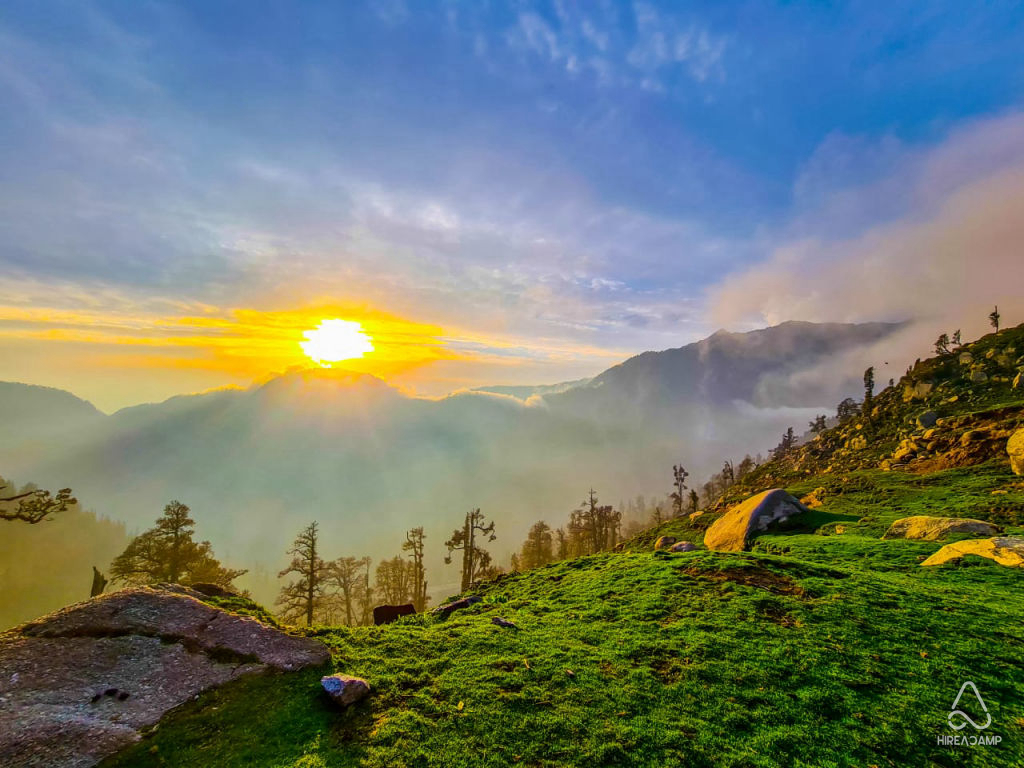
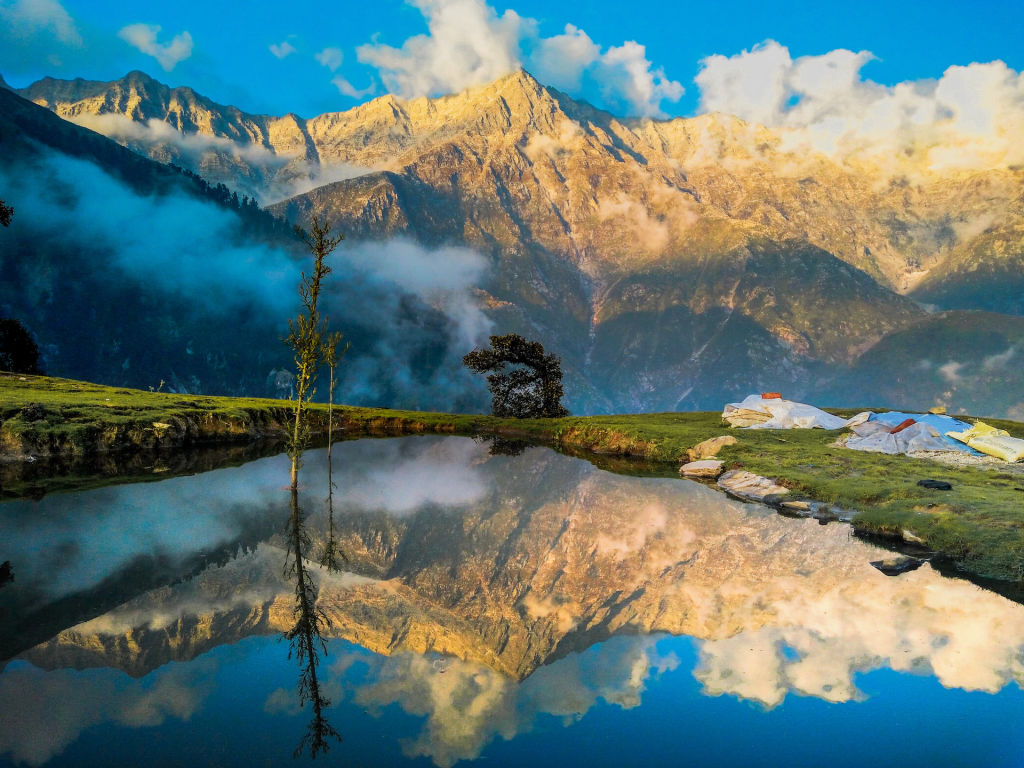
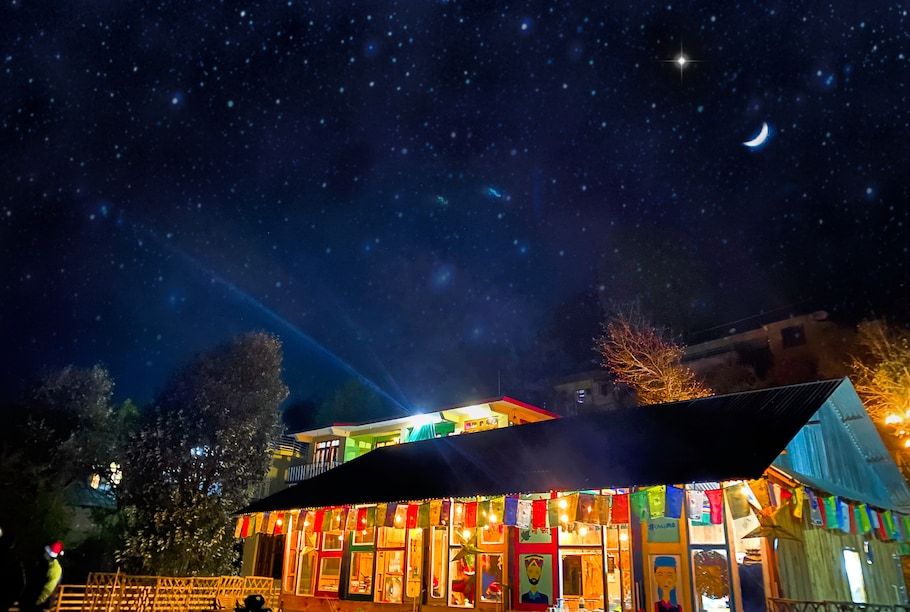
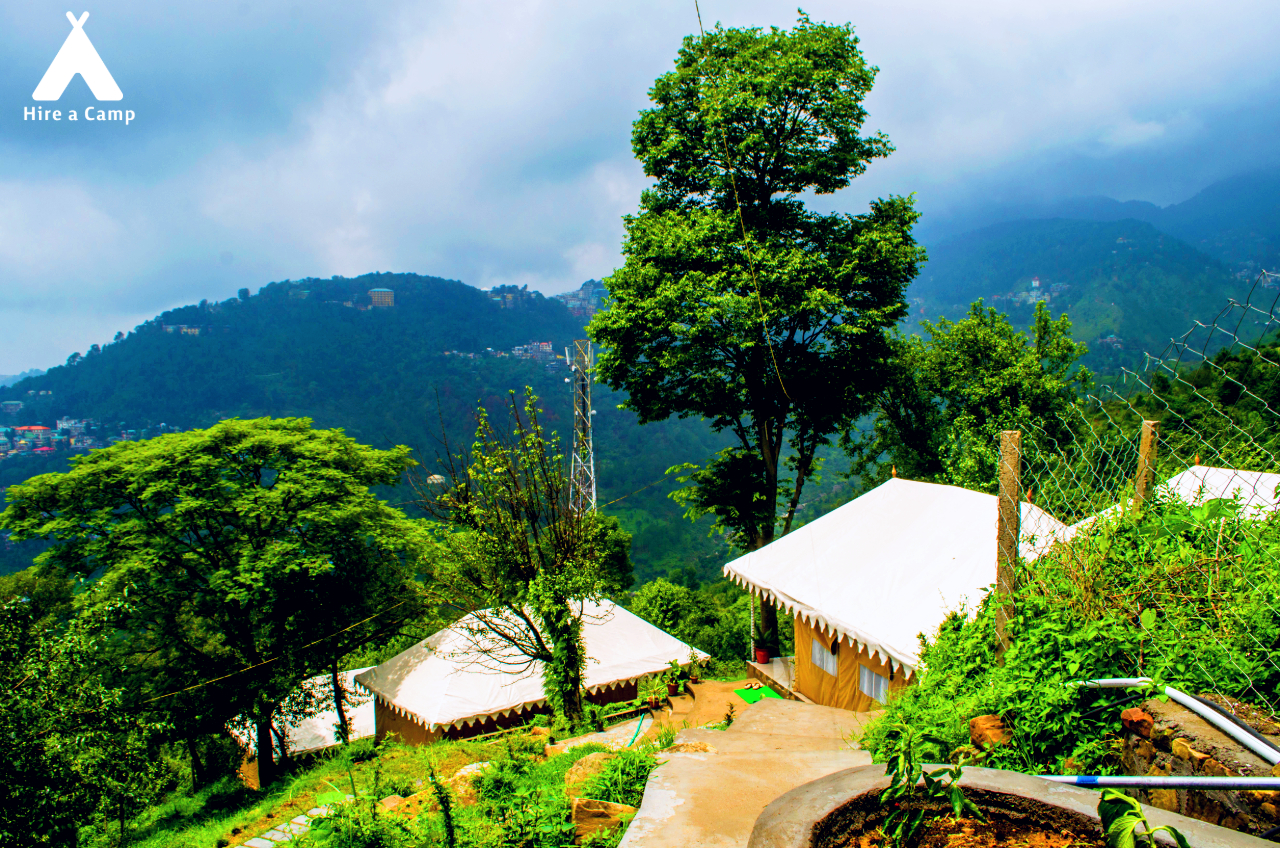
For those who prefer peaceful outdoor locations surrounded by cedar woods and apple orchards, verified camps, homestays, and rustic getaways across the Bharmour and Chamba regions can be booked on HireACamp. Staying with a local host offers a genuine glimpse into Gaddi culture and hospitality.
Frequently asked questions
Why is Bharmani Mata Mandir important for Manimahesh pilgrims?
According to regional tradition and the boon granted by Lord Shiva, a holy dip at the Bharmani Kund and prayers at this shrine are mandatory before embarking on the Manimahesh Kailash Yatra to ensure the pilgrimage is accepted.
How long does it take to trek to Bharmani Mata Mandir?
The uphill walk from Bharmour town generally takes between one and two hours depending on individual fitness, while driving up the link road leaves only a short walk of ten to fifteen minutes to the temple grounds.
Can I visit Bharmani Mata Mandir during winter?
Yes, but winter visits require careful planning as the trail and temple area experience significant snowfall between December and March, making routes slippery and cold.
Is water from the Bharmani Kund safe for bathing?
Pilgrims regularly take a ceremonial bath in the natural mountain pool at Bharmani Kund, though the water originates from high-altitude springs and remains extremely cold throughout the year.
Where you'll be
Bharmour, Brahmaur(T) · 4 stays nearby shown with prices
Stays near Bharmani Mata Mandir
Book a place to stay close by
More places near Bharmani Mata Mandir
Within 20 km
Built from 0 Instagram posts by 0 creators. Every tip links back to the post it came from, and where creators disagree we show both sides.






