
Kugti Wildlife Sanctuary
Wildlife sanctuary near Bharmour, Himachal Pradesh
300 m from Bharmour
The nearest town, for stays, food and fuel.
Kugti Wildlife Sanctuary is a high-altitude protected reserve situated in the Bharmour subdivision of Chamba district, Himachal Pradesh. Spanning high alpine meadows, hanging glaciers, and dense conifer forests in the Pir Panjal range, it offers a dramatic wilderness escape for trekkers, naturalists, and nature enthusiasts. Travellers head here to explore unspoiled Himalayan trails, spot rare high-altitude wildlife, and experience traditional pastoral culture.
Getting there
By road
- From BharmourNearest town4 min · 1.1 km
- From Amritsar5 hr 55 min · 292 km
- From Ludhiana7 hr 15 min · 348 km
- From Chandigarh8 hr 55 min · 412 km
Typical drive times without traffic. Stations and airports from OLA Maps; distances and typical drive times from OpenStreetMap (© OpenStreetMap contributors); notes from creators' Reels.
About Kugti Wildlife Sanctuary
Written with AI from map data and general knowledge. Check prices and timings locally before you go.
About Kugti Wildlife Sanctuary
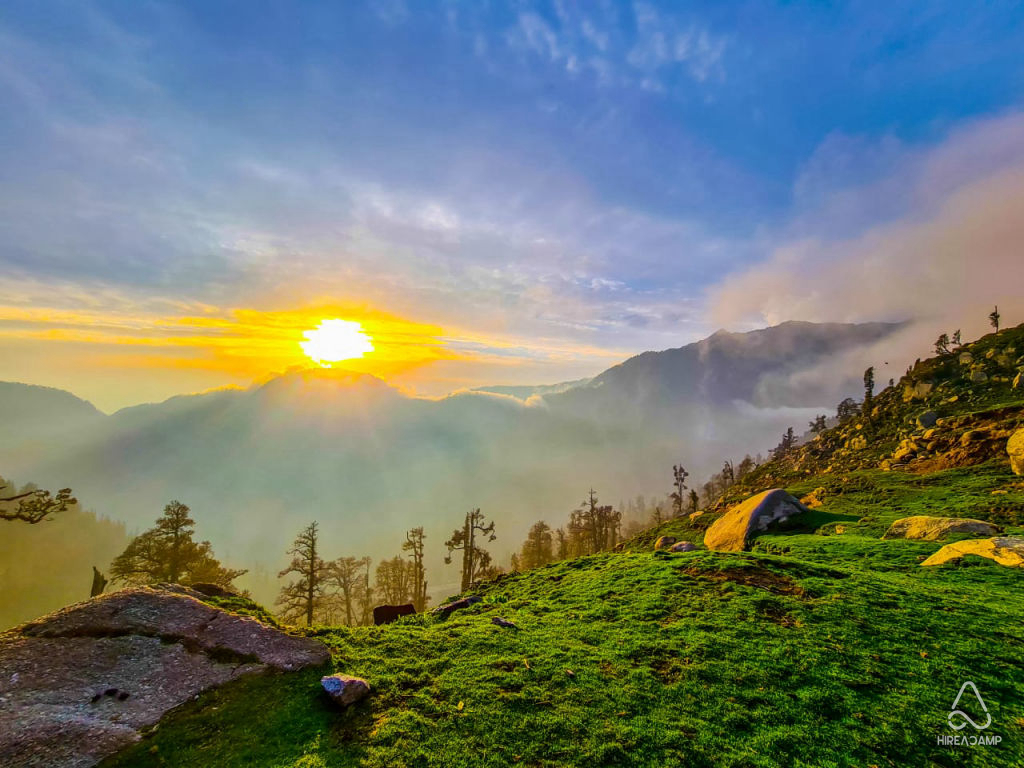
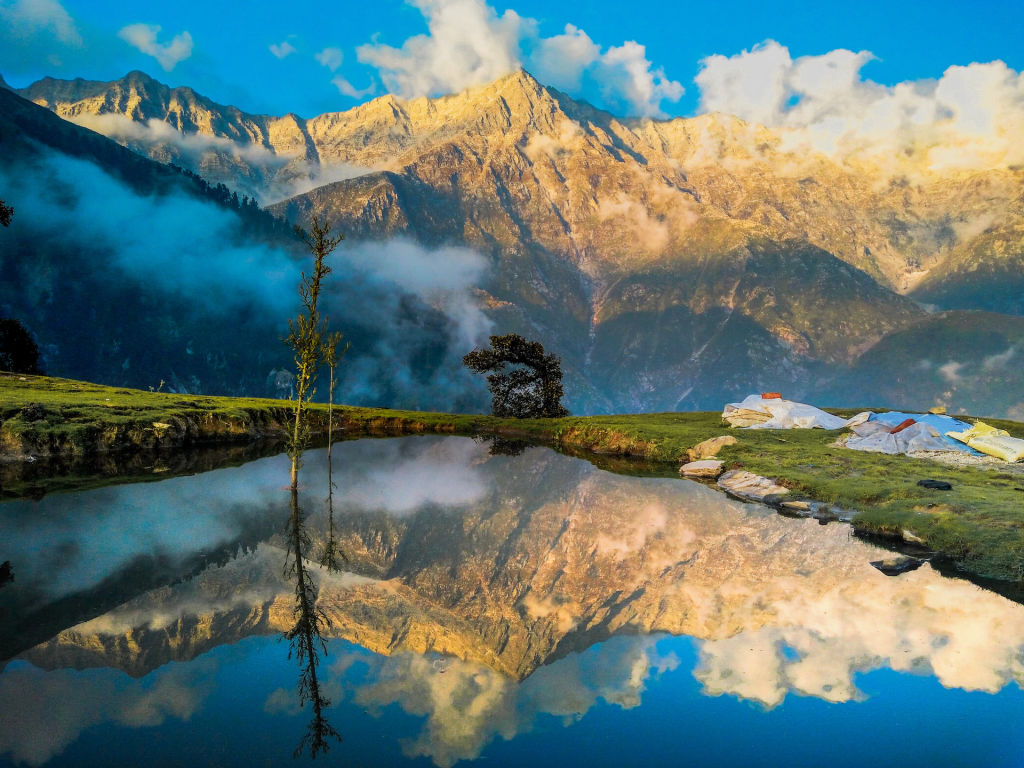
Perched at elevations ranging from roughly two thousand to over five thousand metres above sea level, Kugti Wildlife Sanctuary is the second largest protected sanctuary in Himachal Pradesh. Located in the upper catchment of the Budhil river near the border with Lahaul, the sanctuary encompasses a classic trans-Himalayan ecosystem characterised by stark granite crests, glacial streams, deep gorges, and expansive alpine pastures.
The sanctuary takes its name from Kugti village, one of the last inhabited settlements on the trail leading to Kugti Pass. The area is steeped in the seasonal rhythms of the Gaddi community, semi-nomadic pastoralists who have grazed their flocks of sheep and goats along these high bugyals for generations. Because the region is relatively remote and untouched by large-scale tourism infrastructure, it preserves a rare sense of quiet and pristine mountain character.
Wildlife and Natural Flora
The diversity of elevation and aspect within Kugti Wildlife Sanctuary creates varied microclimates that support an impressive assortment of wildlife. The lower reaches are blanketed by moist temperate forests consisting of deodar, silver fir, blue pine, and spruce, with rhododendron thickets providing colour in the early summer. Higher up, the trees give way to dwarf birch, juniper scrub, and expansive meadows carpeted with wild herbs and alpine flowers.
This protected habitat provides refuge for some of the rarest and most elusive animals of the Western Himalayas. Mammals found here include the endangered snow leopard, Himalayan brown bear, Asiatic black bear, Himalayan tahr, musk deer, and ibex. The sanctuary is also an exceptional destination for bird enthusiasts, hosting the western tragopan, Himalayan monal, cheer pheasant, koklass, snow cock, and various raptors soaring on thermal updrafts above the rocky ridges.
Read more
Trekking and Things to Do
Trekking is the primary way to explore Kugti Wildlife Sanctuary, with routes that cater to day hikers as well as seasoned high-altitude adventurers. A popular route within the sanctuary is the hike from Kugti village to the revered Kelang Wazir temple, nestled amidst deodar trees with spectacular views of surrounding peaks and cascading waterfalls. Continuing beyond leads up to the sprawling meadows of Alyas, which serve as base camp for crossing the formidable Kugti Pass into the Lahaul valley.
Apart from high-altitude trekking, nature photography and birdwatching are exceptionally rewarding across the sanctuary's varying elevations. Spending time along the glacial riverbeds and streams lets travellers observe endemic bird life and unique mountain plants undisturbed. The area also offers cultural immersion for those interested in the architecture, folk customs, and traditional agrarian lifestyles of the upper Chamba valley.
Best Time to Visit
The sanctuary experiences distinct seasons, with accessible travel largely confined to the warmer months between May and October. Spring and early summer, from May to June, bring pleasant daytime temperatures and melting snowfields. The forests come alive with birdsong and blossoming rhododendrons, making this an ideal time for day hikes and lower-elevation exploring.
Monsoon arrives between July and August, bringing cloud cover and occasional heavy showers. While the rain transforms the high bugyals into lush green carpets, trails can become slippery and river crossings more unpredictable. Autumn, from September to late October, provides crisp air, exceptionally clear blue skies, and optimal conditions for long-distance treks and photography. From November through April, the entire sanctuary is buried under heavy snow, cutting off access to upper trails.
How to Reach Kugti
Reaching Kugti Wildlife Sanctuary involves a journey into the upper Chamba region of Himachal Pradesh. The nearest major town is Bharmour, which is connected by road to Chamba, roughly sixty kilometres away. Pathankot serves as the nearest major railway junction, located around one hundred and eighty kilometres from Bharmour, with regular buses and private cabs available for the climb up into the mountains.
From Bharmour, a winding mountain road leads to Hadsar and onward towards Kugti village. The motorable road ends near the village periphery, after which exploration proceeds on foot along marked mule paths and shepherd tracks. Because road conditions in these mountain valleys can fluctuate depending on weather and maintenance, it is wise to verify local travel advisories before setting out.
Places to Visit Nearby
The region surrounding Kugti Wildlife Sanctuary is rich in historic and natural landmarks. Bharmour, formerly the ancient capital of the Chamba kingdom, is famous for the Chaurasi Temple complex, a cluster of eighty-four stone temples dating back to the seventh century. Pilgrims and cultural travellers frequently explore these historic shrines before heading higher into the sanctuary.
To the west and south, the trails over high mountain passes such as Indrahar Pass, Talang Pass, and Singhar Pass connect the Bharmour valley to the Kangra region and McLeod Ganj. In the higher ranges lie sacred alpine water bodies, including Lam Dal and Nag Dal, revered by locals and visited on seasonal pilgrimage circuits. For those keen on heritage architecture, the historic wooden temple of Chatrari Devi stands further down the valley, showcasing exquisite ancient hill craftsmanship.
Stays and Tips for Your Visit
Because Kugti Wildlife Sanctuary is a protected wilderness zone, commercial stays inside the reserve itself are strictly regulated. Travellers generally base themselves in Bharmour or homestays in Kugti and neighbouring hamlets. You can find well-curated homestays, guesthouses, and scenic camping options in and around Bharmour through HireACamp.
When planning a trip into the sanctuary, self-sufficiency and environmental awareness are essential. Pack sturdy trekking boots, high-SPF sun protection, layered woollens, and reliable waterproof gear, as weather conditions can change rapidly in the high mountains. Always obtain any required forest department permissions locally before embarking on multiday routes, hire local guides who know the terrain, and carry all plastic waste back to major towns for proper disposal.
Frequently asked questions
Where is Kugti Wildlife Sanctuary located?
Kugti Wildlife Sanctuary is located in the Bharmour subdivision of Chamba district in Himachal Pradesh, near the border with the Lahaul valley.
What animals can be spotted in Kugti Wildlife Sanctuary?
The sanctuary is home to high-altitude wildlife including the snow leopard, Himalayan brown bear, Himalayan tahr, musk deer, Asiatic black bear, and birds like the Himalayan monal and western tragopan.
Which is the best season to explore the sanctuary?
The best months to visit are from May to June for pleasant weather and wildflowers, and from September to October for clear mountain views and good trekking conditions.
Can beginners trek in Kugti Wildlife Sanctuary?
Yes, shorter walks from Kugti village to Kelang Wazir temple are manageable for beginners with basic fitness, while crossing high-altitude routes like Kugti Pass requires prior trekking experience and local guidance.
Where can travellers stay when visiting Kugti?
Visitors typically stay in Bharmour or in local village homestays near the trailhead. You can discover authentic homestays, camps, and nearby lodging on HireACamp.
Where you'll be
kugti wildlife sanctuary \n, Brahmaur(T) · 2 stays nearby shown with prices
Stays near Kugti Wildlife Sanctuary
Book a place to stay close by
More places near Kugti Wildlife Sanctuary
Within 20 km
Built from 0 Instagram posts by 0 creators. Every tip links back to the post it came from, and where creators disagree we show both sides.






