
Bhimashankar Temple
Temple near Bhimashankar, Maharashtra
100 m from Bhimashankar
The nearest town, for stays, food and fuel.
Bhimashankar Temple is an ancient pilgrimage site situated in the Sahyadri mountains of Maharashtra, revered as one of the twelve sacred Jyotirlinga shrines dedicated to Lord Shiva. Surrounded by dense evergreen forests and rolling mountain slopes in the Western Ghats, the temple marks the origin of the sacred Bhima River. Travellers and devotees flock to the area to offer prayers, hike through thick forest trails, and experience the misty wilderness of the surrounding wildlife sanctuary.
Getting there
By road
- From Pune2 hr 5 min · 110 km
- From Mumbai 3 hr 40 min · 221 km
- From Nashik3 hr 45 min · 209 km
- From Surat7 hr 10 min · 440 km
By train, bus or air
- Panvel MSRTC Bus DepotNearest bus stand3 hr 30 min · 181 km
- DB Patil International AirportNearest airport3 hr 40 min · 186 km
Typical drive times without traffic. Stations and airports from OLA Maps; distances and typical drive times from OLA Maps and OpenStreetMap (© OpenStreetMap contributors); notes from creators' Reels.
About Bhimashankar Temple
Written with AI from map data and general knowledge. Check prices and timings locally before you go.
About Bhimashankar Temple
Bhimashankar Temple stands perched high in the Sahyadri range within Pune district, serving as one of the twelve sacred Jyotirlingas spread across India. According to regional beliefs and Hindu lore, the shrine is built where Lord Shiva defeated the demon Tripurasura, after which the sweat from the deity's brow flowed down to form the Bhima River. The site is a central pillar of spiritual life in Maharashtra, drawing hundreds of thousands of pilgrims throughout the year.
The architecture of the temple exhibits classic Nagara style craftsmanship blended with Hemadpanthi influences. Intricate stone carvings adorn the exterior walls and pillars, depicting celestial beings, motifs from ancient texts, and regional iconography. A prominent iron bell hangs at the entrance, often noted as a gift from the Peshwa era. The inner sanctum houses the swayambhu, or self-manifested lingam, set low into the stone floor, creating a reverent and timeless atmosphere for visitors entering from the mountain mist.
The Wildlife Sanctuary and Forest Setting
The shrine is enveloped by the Bhimashankar Wildlife Sanctuary, a sprawling protected area of tropical evergreen and semi-evergreen forest recognized as a critical biodiversity hotspot in the Western Ghats. The high-altitude canopy shelters an impressive range of flora and fauna, functioning as an essential watershed for the surrounding valleys.
Nature enthusiasts visit the sanctuary primarily to catch a glimpse of the Shekru, or Indian Giant Squirrel, which serves as the state animal of Maharashtra. These shy, rust-colored arboreal animals can often be spotted jumping through the upper canopies during the quiet morning hours. Along with the giant squirrel, the surrounding jungles shelter barking deer, leopards, civets, and an extraordinary variety of forest birds, butterflies, and amphibians that become particularly active when humidity rises.
Read more
Best Time to Visit Bhimashankar
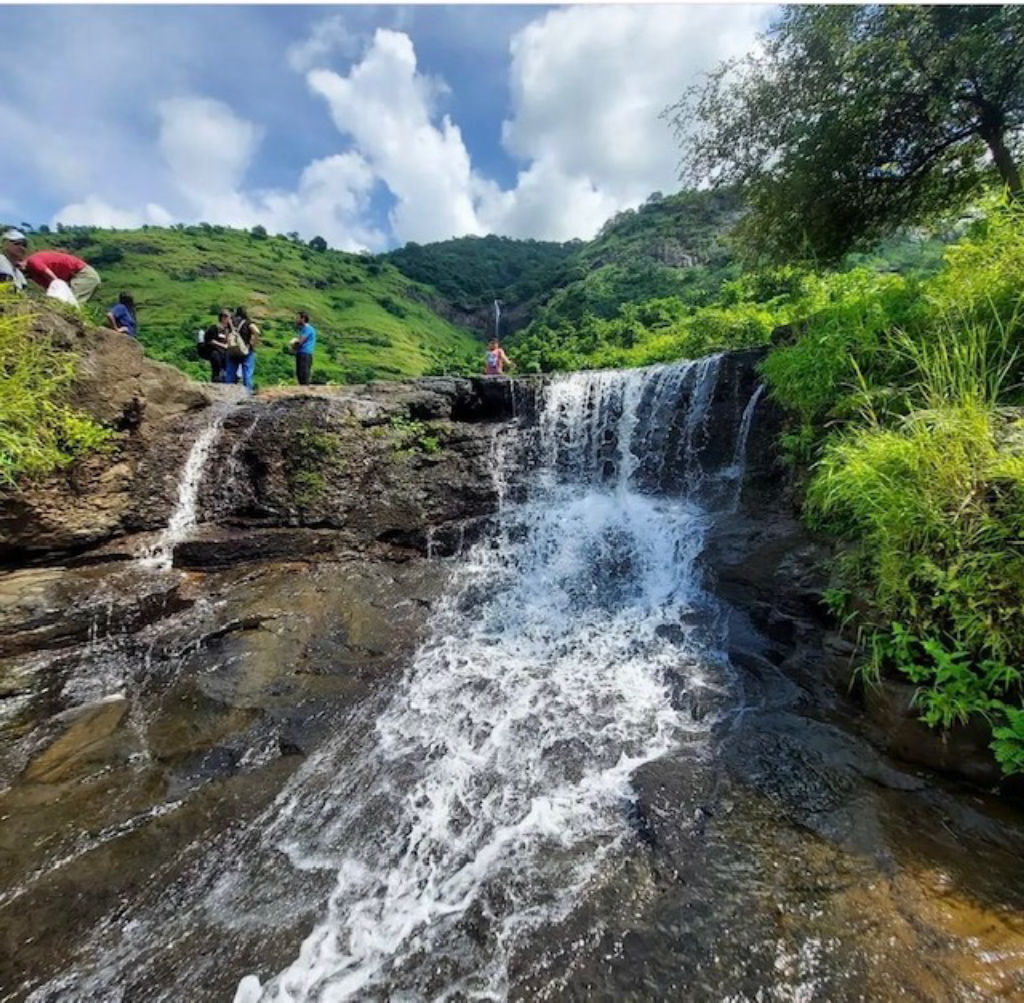
The atmosphere at Bhimashankar changes dramatically across the seasons, making the right time to visit dependent on what you wish to experience. The monsoon months, from late June through September, transform the entire mountain landscape into a lush green haven. Fog sweeps across the temple courtyards, streams gush down nearby rocky slopes, and the air stays cool and rain-drenched. This season is exceptionally popular among trekkers and monsoon travelers, though the forest trails and temple steps become slippery.
From October to February, the weather is crisp, dry, and mild, with clear blue skies and pleasantly cool nights. This is the most comfortable period for older family members, wildlife spotters, and long-distance hikers who want to explore the sanctuary without navigating heavy downpours. Summer arrives from March to May, bringing warmer days and lower humidity. While midday heat can be taxing, mornings and evenings remain relatively comfortable, and the temple attracts fewer crowds outside major festival days.
How to Reach Bhimashankar Temple
Bhimashankar is well connected by road from major cities in western Maharashtra. If you are travelling from Pune, the drive takes you north through Manchar and Khed before ascending the winding ghat roads that lead straight to the sanctuary entrance. The road journey from Pune typically takes around four hours by car or state transport bus.
From Mumbai or Thane, motorists typically travel via the Mumbai-Pune Expressway or national highways leading to Alephata and Manchar, completing the mountain ascent from the eastern approach. Those travelling without personal transport can reach nearby railway junctions like Pune or Kalyan and catch local buses or hired cabs heading towards the plateau. Alternatively, adventurous hikers can reach the temple on foot by climbing the classic trekking trails starting from Khandas village in the Karjat foothills.
Trekking and Outdoor Trails Around Bhimashankar
For outdoor travelers, the journey to Bhimashankar Temple can be as rewarding as the destination itself. The ascent from the base village of Khandas through either the Ganesh Ghat or Shidi Ghat routes is considered one of the classic mountain treks in the Sahyadris. Ganesh Ghat offers a longer, more gradual hike through winding forests and open meadows, while Shidi Ghat features vertical ladders fastened to sheer rock faces for thrill-seekers.
Once near the temple plateau, lighter nature walks lead to scenic viewpoints such as Nagphani, also known as the Duke's Nose of Bhimashankar, which delivers panoramic views across the Konkan plains below. Another peaceful forest trail leads towards Gupt Bhimashankar, an older subterranean shrine hidden amidst a dense woodland stream where the Bhima River is said to collect before emerging openly into the valleys.
Places to Visit Nearby
A trip to Bhimashankar can easily be combined with visits to several historical and natural landmarks scattered across the Northern Sahyadris. Towards the southwest, the rugged pinnacle of Kothaligad Fort and the challenging monolith of Gorakhgad Fort offer testing climbs and sweeping views of Maharashtra's canyon landscapes.
Further down along the mountain fringes lie the ancient rock-cut Buddhist sanctuaries of Karla Caves and the misty valleys of Malshej Ghat. For those who enjoy peaceful water bodies and rural greenery, the reservoirs and valleys scattered around Lonavala and Karjat offer quiet detours after visiting the holy shrine.
Tips for Your Visit
Because Bhimashankar is both an active religious center and a protected wildlife reserve, travelers should plan their journey carefully. Wear modest, comfortable clothing suitable for entering a sacred shrine, and carry slip-resistant footwear since the stone paths leading to the temple and surrounding viewpoints can be wet and mossy.
Be mindful of the bonnet macaques and langurs that inhabit the trees around the temple precinct. Avoid keeping food or plastic bags visible in your hands, as monkeys are bold and may snatch belongings. Because cloud cover and heavy rainfall are standard during several months of the year, carrying a sturdy rain jacket, a waterproof cover for electronic gear, and a warm layer for the evening breeze is always advisable.
Where to Stay Near Bhimashankar
Accommodations directly around the temple village consist primarily of simple pilgrim lodges, guesthouses, and rural dormitories run by local communities. These cater well to devotees seeking a place to rest before early morning ceremonies or those completing late evening prayers.
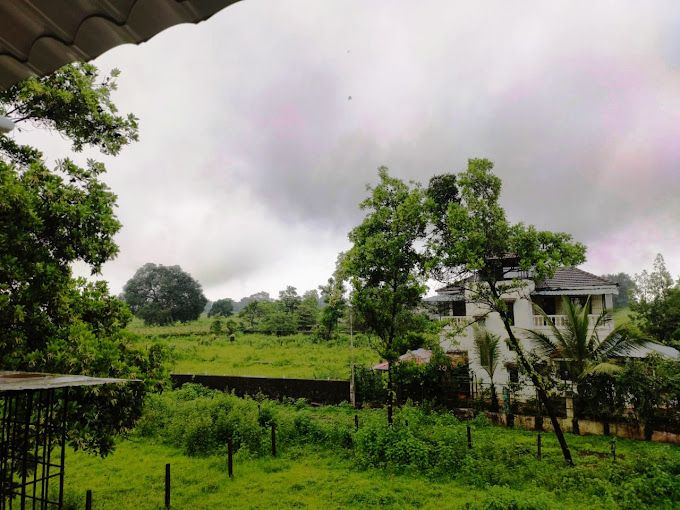
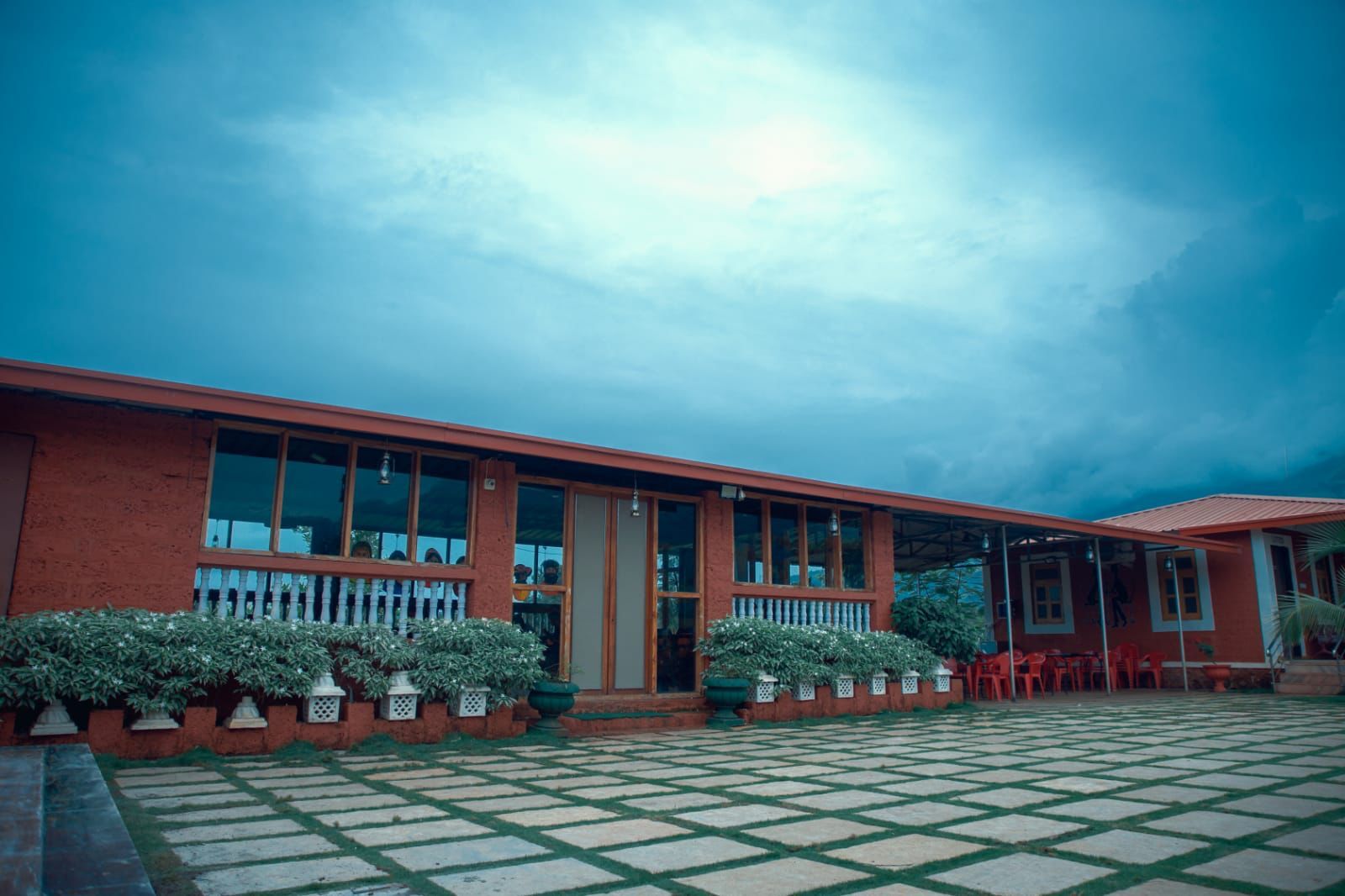
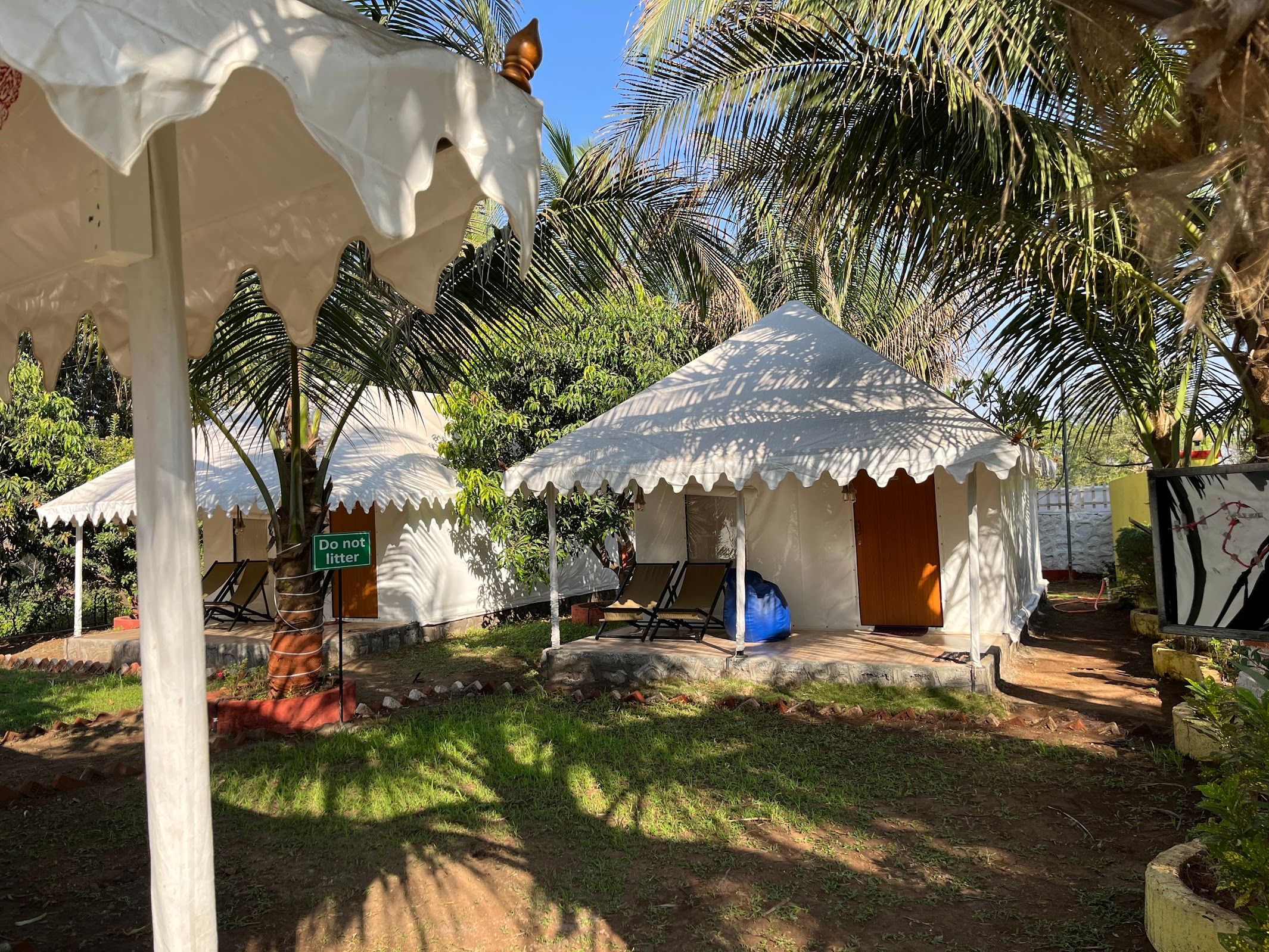
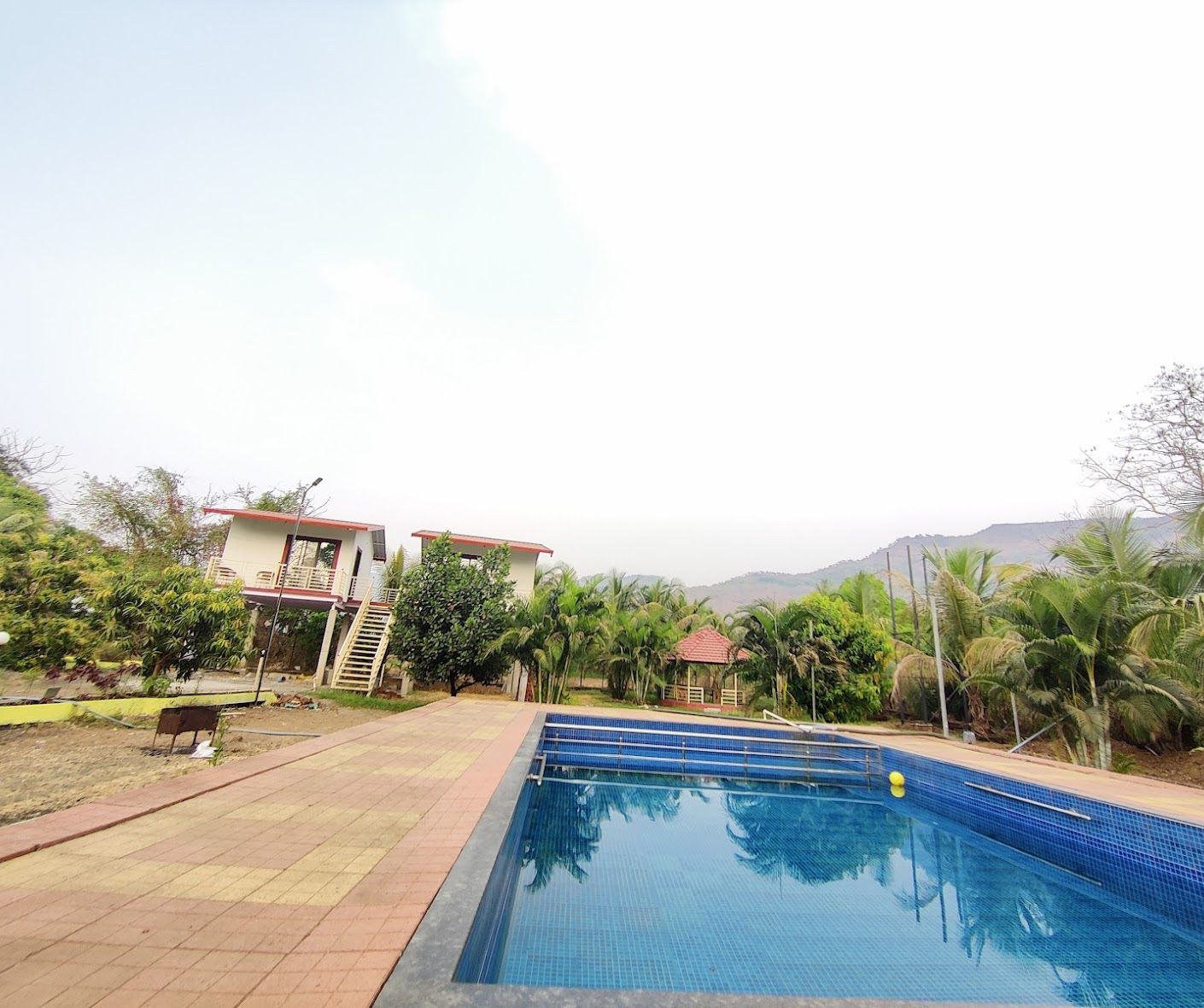
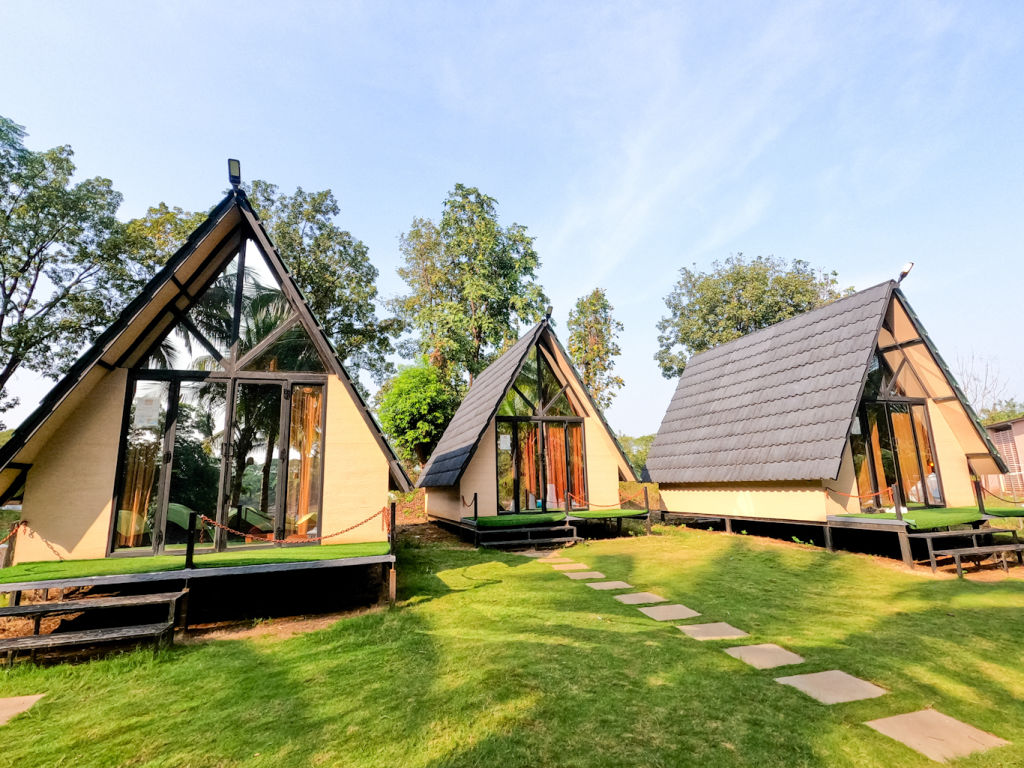
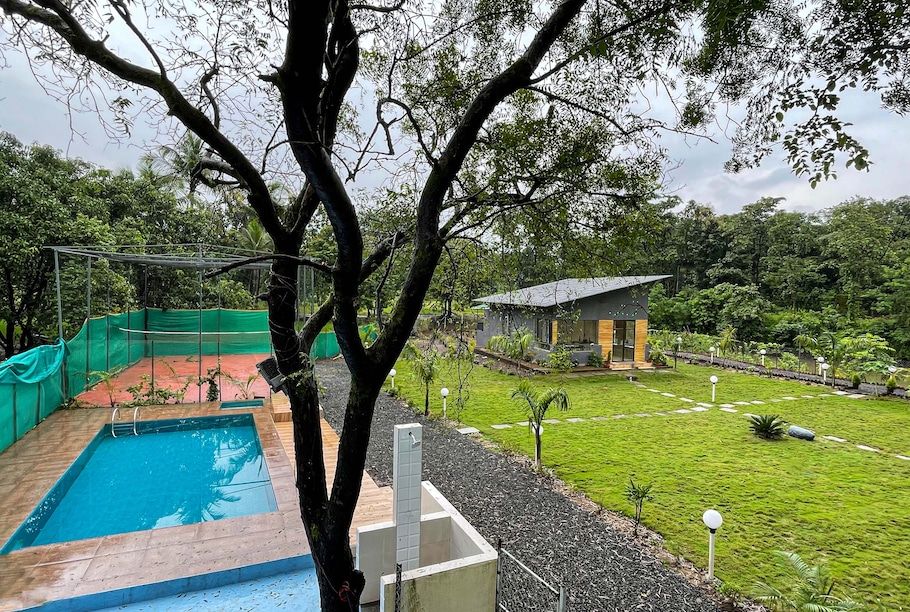
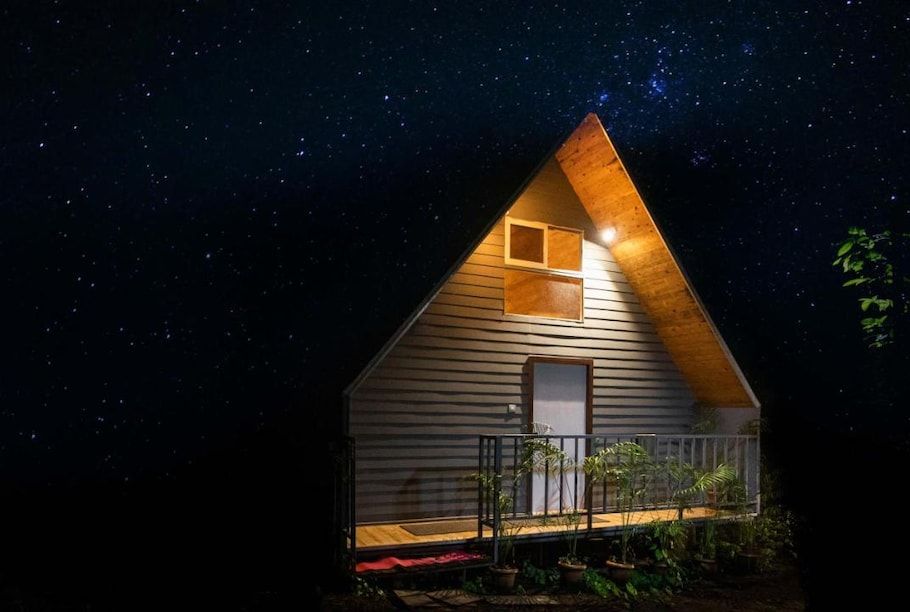
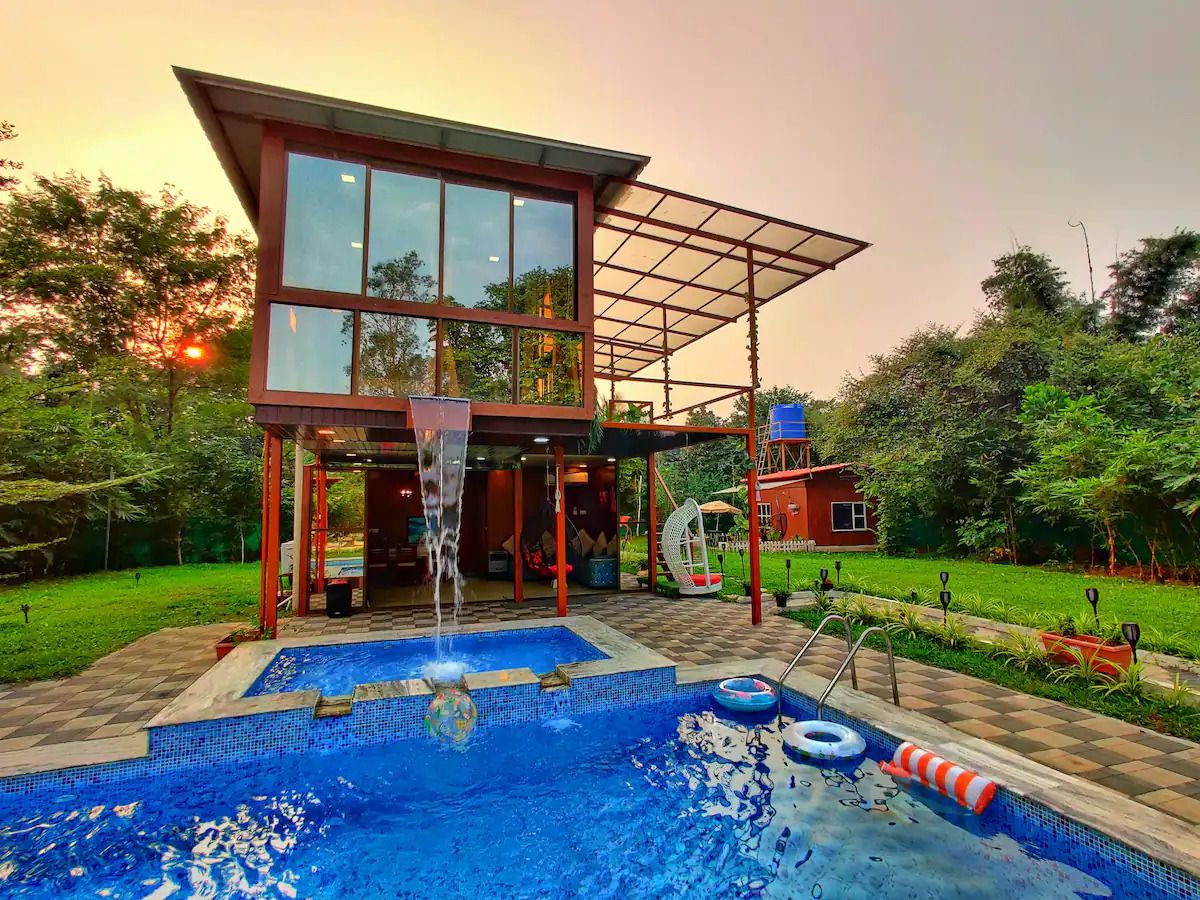
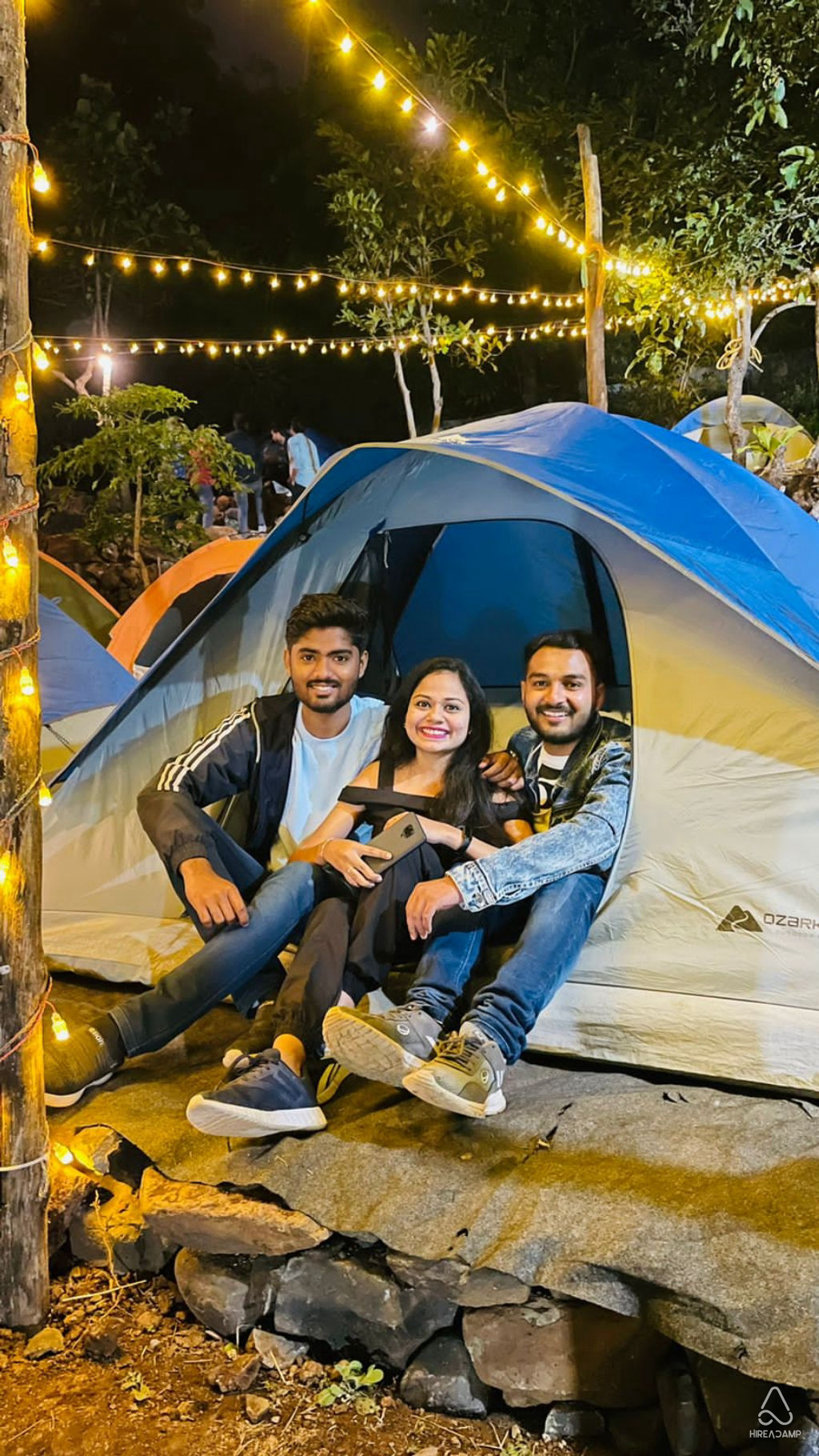
Travelers looking for deeper comfort, tranquil riverside stays, rustic farmhouses, or outdoor campsites can find plenty of scenic options in the nearby valleys, foothills, and outskirts of the sanctuary. HireACamp lists verified homestays, nature retreats, and eco-friendly campsites across the region, providing a comfortable and atmospheric base to unwind after spending the day exploring the mountains.
Frequently asked questions
What is the best time to see the giant squirrel at Bhimashankar?
The Indian Giant Squirrel is most active in the early morning and late afternoon hours within the Bhimashankar Wildlife Sanctuary. Walking along quiet forest trails outside of peak festival weekends offers the best chance of spotting them feeding high in the tree canopy.
Can I trek to Bhimashankar Temple on foot?
Yes, experienced hikers often trek up from the base village of Khandas near Karjat using either the scenic Ganesh Ghat route or the steep Shidi Ghat ladder route. The trek takes between four to six hours depending on your pace and weather conditions.
Are there parking facilities near Bhimashankar Temple?
Yes, designated vehicle parking zones are located near the sanctuary entry and village checkpost. From the main parking areas, visitors walk down a paved staircase lined with local shops to reach the temple complex.
Is photography permitted inside Bhimashankar Temple?
While photography is generally permitted in the outdoor courtyard, surrounding temple grounds, and nature trails, taking pictures inside the inner sanctum where the Jyotirlinga is situated is strictly prohibited to maintain sanctity.
What should I wear when visiting the temple?
Visitors should dress conservatively in modest clothing that covers shoulders and knees, as is customary at Indian pilgrimage sites. During the monsoon and winter, carry a waterproof jacket or light woolen sweater to stay warm in the chilly mountain air.
Where you'll be
Bhimashankar Temple, Khed, Bhimashankar, Nigdale, Maharashtra, 412402, India · 12 stays nearby shown with prices
Stays near Bhimashankar Temple
Book a place to stay close by


More places near Bhimashankar Temple
Within 20 km


Lists for this area
Ranked by how many creators recommend each place


Built from 0 Instagram posts by 0 creators. Every tip links back to the post it came from, and where creators disagree we show both sides.






