
Bhimashankar Wildlife Sanctuary
Wildlife sanctuary near Ahupe, Maharashtra
5.4 km from Ahupe
The nearest town, for stays, food and fuel.
Bhimashankar Wildlife Sanctuary spans the crest of the northern Western Ghats near Ambegaon in Maharashtra, preserving a rich pocket of moist deciduous and semi-evergreen forests. Established primarily to protect the habitat of the Indian Giant Squirrel, the sanctuary draws nature lovers, wildlife photographers, and hikers seeking lush Sahyadri wilderness. Its high-elevation terrain is also the revered source of the Bhima River and surrounds one of the twelve sacred Jyotirlinga shrines.
Getting there
By road
- From AhupeNearest town1 hr 50 min · 54 km
- From Pune3 hr 10 min · 114 km
- From Mumbai 4 hr 30 min · 224 km
- From Nashik4 hr 50 min · 212 km
Typical drive times without traffic. Stations and airports from OLA Maps; distances and typical drive times from OpenStreetMap (© OpenStreetMap contributors); notes from creators' Reels.
About Bhimashankar Wildlife Sanctuary
Written with AI from map data and general knowledge. Check prices and timings locally before you go.
About Bhimashankar Wildlife Sanctuary
Spread across the rugged hills of the Western Ghats in the Ambegaon region, Bhimashankar Wildlife Sanctuary is one of Maharashtra's most ecologically valuable protected areas. The sanctuary ranges in altitude from lowland valleys to high plateau ridges, creating diverse microclimates that nurture dense evergreen, semi-evergreen, and moist deciduous vegetation. The forest canopy is exceptionally thick in several pockets, allowing mosses, ferns, and epiphytes to thrive on towering wild fig and mango trees.
The sanctuary serves as a vital catchment area for the Krishna basin, with the Bhima River originating within these forested folds. The combination of deep ravines, steep cliff faces, and perennial moisture makes it an essential biological corridor. Beyond its ecological significance, the region holds cultural reverence due to the ancient Bhimashankar temple situated deep within the forest, drawing a mix of pilgrims and outdoor enthusiasts throughout the year.
Wildlife and Biodiversity
The star resident of Bhimashankar Wildlife Sanctuary is the Indian Giant Squirrel, known locally as the Shekru, which is also the official state animal of Maharashtra. These arboreal mammals, sporting rich maroon, buff, and black coats, build distinctive large leaf nests high up in the forest canopy. Observing them leap between sprawling treetops is one of the premier highlights for visitors walking the forest trails.
In addition to the Shekru, the sanctuary shelters leopards, barking deer, sambar, golden jackals, striped hyenas, and Indian pangolins, though the dense undergrowth makes mammal sightings a game of patience. For birdwatchers, Bhimashankar is a true treasure trove. The canopy echoes with the calls of Malabar grey hornbills, emerald doves, scarlet minivets, Asian paradise flycatchers, and various raptors. During the wet months, the forest floor and stream banks come alive with amphibians, including several endemic bush frogs, as well as an incredible assortment of butterflies.
Read more
Hiking and Viewpoints in Bhimashankar
Walking through the sanctuary is the best way to experience its distinct forest zones. One of the most famous walks leads out to Nagphani, also known as the Duke's Nose viewpoint due to its resemblance to a cobra's hood. Perched on a dramatic cliff edge, Nagphani offers panoramic vistas across the Konkan plains far below and the dramatic ridgelines of the Western Ghats.
Another favored path leads through the dense sacred grove, or Devrai, preserved by local communities for generations. Here, traditional conservation practices have left the ancient forest almost untouched, resulting in gigantic woody vines and colossal tree specimens. Several hiking trails also climb up to Bhimashankar from the base villages in the Konkan plains, taking trekkers through dramatic ladders, rocky gullies, and mist-covered meadows.
Best Time to Visit
The sanctuary presents very different moods depending on when you choose to travel. The post-monsoon and winter months, running from October to February, offer the most comfortable weather for general exploring, wildlife watching, and hiking. During this period, the air is clear, temperatures are cool, and forest canopies remain lively with migratory and resident birds.
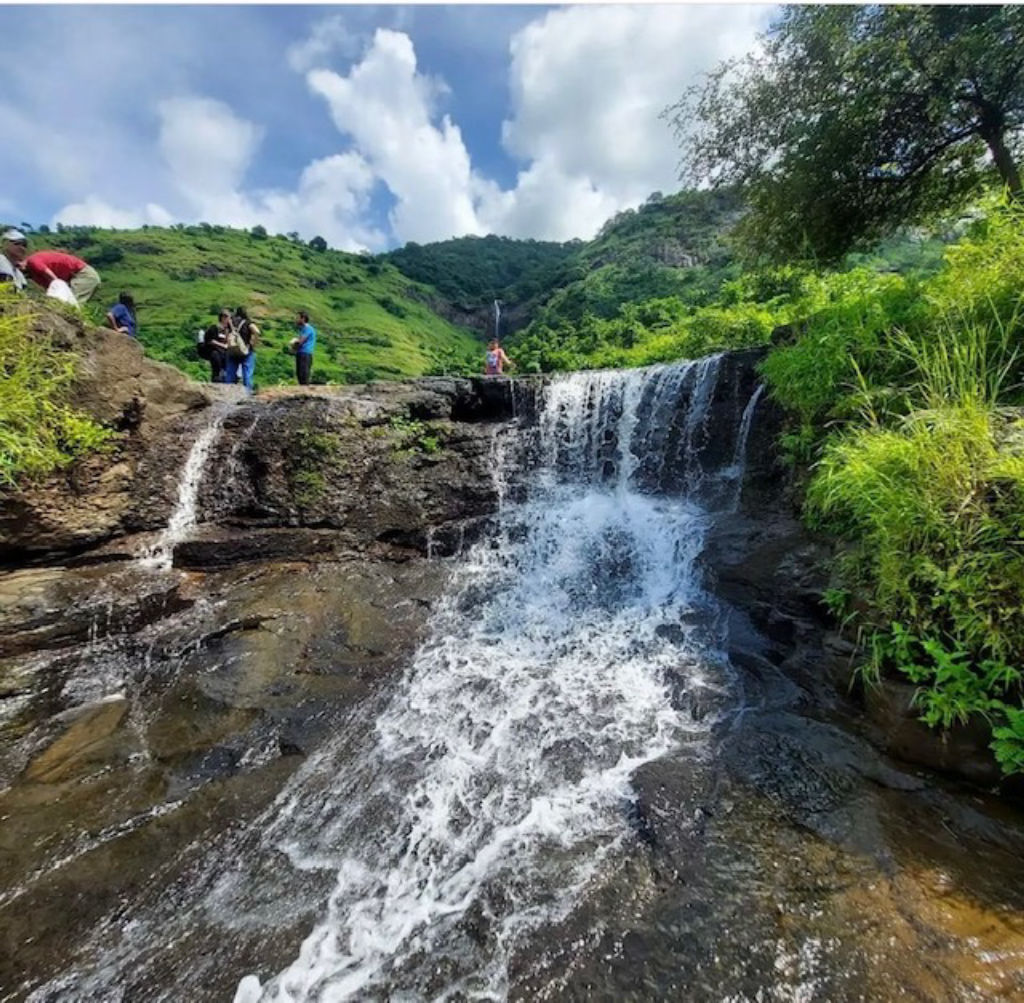
The monsoon season, from June to September, transforms the sanctuary into a rain-soaked haven. Cascading waterfalls emerge along the roadsides, thick cloud cover blankets the plateau, and rare bioluminescent fungi occasionally cause parts of the dripping forest floor to glow softly at night. However, heavy rains also bring abundant leeches and slippery trails. The dry summer months from March to May can be warm during midday, but early morning and dusk safaris around watering holes can yield rewarding wildlife encounters.
How to Reach Bhimashankar Wildlife Sanctuary
Bhimashankar Wildlife Sanctuary is located in the Ambegaon taluka of Pune district and is easily accessible by road from both Pune and Mumbai. The approach from Pune heads north via the Pune-Nashik highway toward Manchar before branching west onto the winding country roads of Ambegaon toward the sanctuary gates.
From Mumbai, travelers can take the route through Talegaon and Chakan to connect with the Manchar road, or choose mountain routes passing through Malshej Ghat depending on road conditions. The nearest major railway stations are in Pune and Kalyan, while the nearest international airport is Pune Airport. Regular state transport buses run to the temple area from nearby towns, though having private transport offers greater flexibility to visit various trailheads and viewing points along the sanctuary perimeter.
Places to Visit Nearby
The landscape surrounding Bhimashankar is studded with historic forts and natural viewpoints that make excellent additions to a regional itinerary. To the west, down across the Karjat valley, lie the classic Sahyadri trekking destinations of Gorakhgad Fort and Kothaligad, famous for their steep rock-cut steps and historic watchtower architectures.
Further north, the massive plateau of Harishchandragad and the misty mountain pass of Malshej Ghat offer dramatic seasonal waterfalls, high-altitude cliff views, and excellent birding stops. For those interested in ancient rock-cut architecture, Karla Caves sits toward the south near Lonavala, featuring ancient Buddhist chaityas and viharas carved out of the basalt bedrock.
Tips for Your Visit
Because Bhimashankar is a sensitive protected forest, visitors should follow strict eco-friendly practices. Avoid playing loud music, dispose of all trash responsibly, and strictly refrain from carrying single-use plastics into the deep trails. The sanctuary operates under forest department oversight, so always stay on designated trails and verify local permissions or check with checkposts before venturing deep into wilderness paths.
If visiting during or right after the monsoon, prepare properly for leeches by wearing high boots, long trousers, and applying neem oil or salt paste around your ankles. Carry adequate drinking water, sturdy footwear with reliable grip, and a waterproof cover for any cameras or optical gear. Since phone connectivity can be sporadic across several valleys within the forest, downloading offline maps ahead of time is highly recommended.
Where to Stay near Bhimashankar
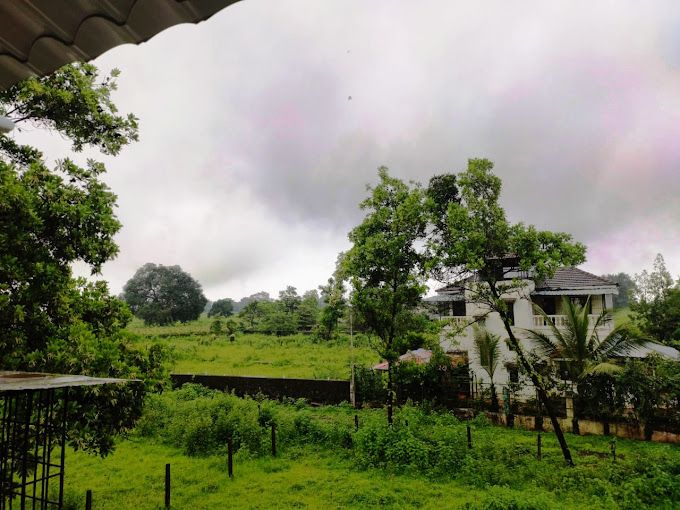
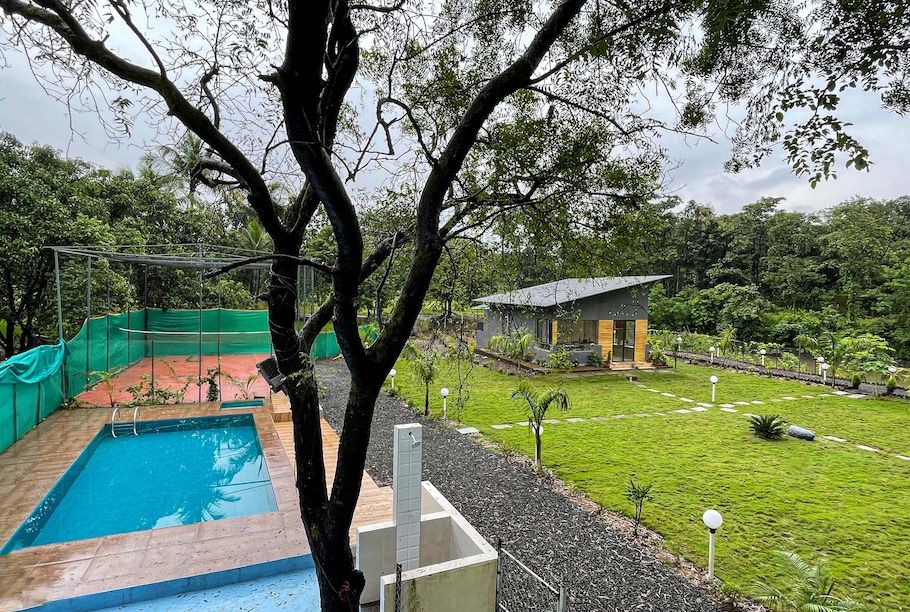
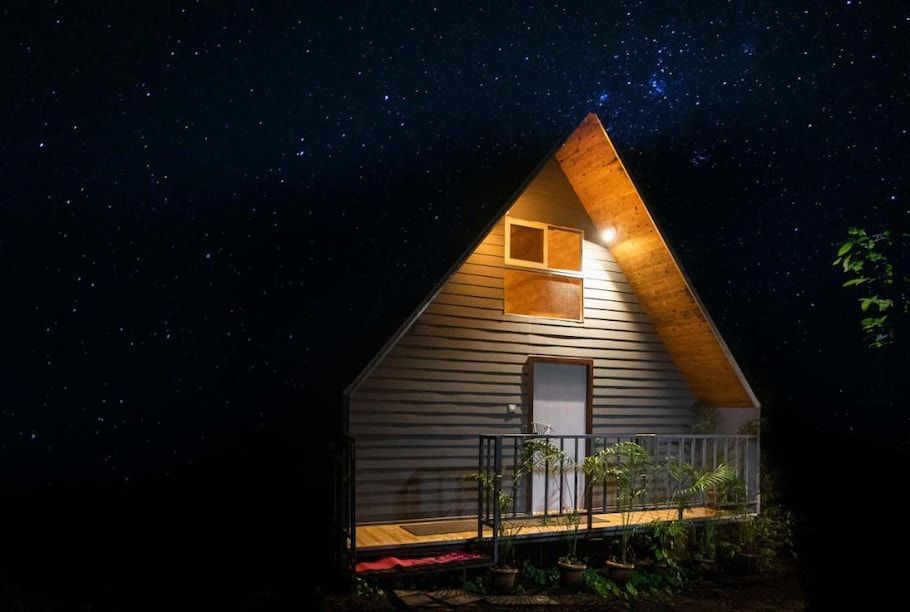
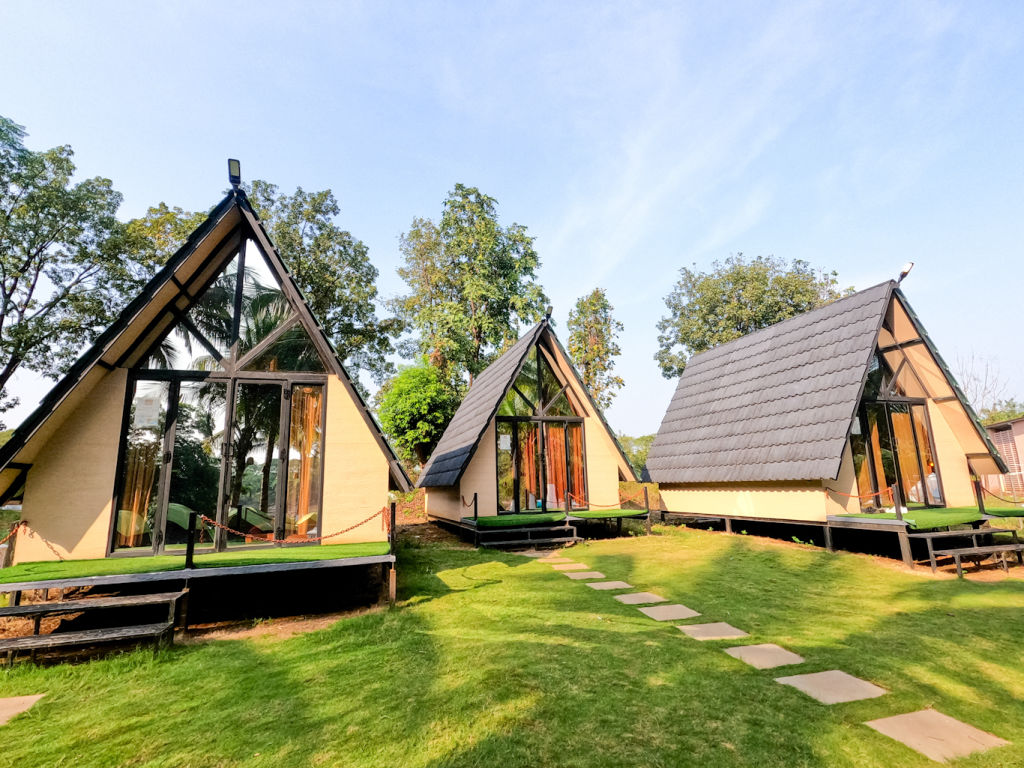
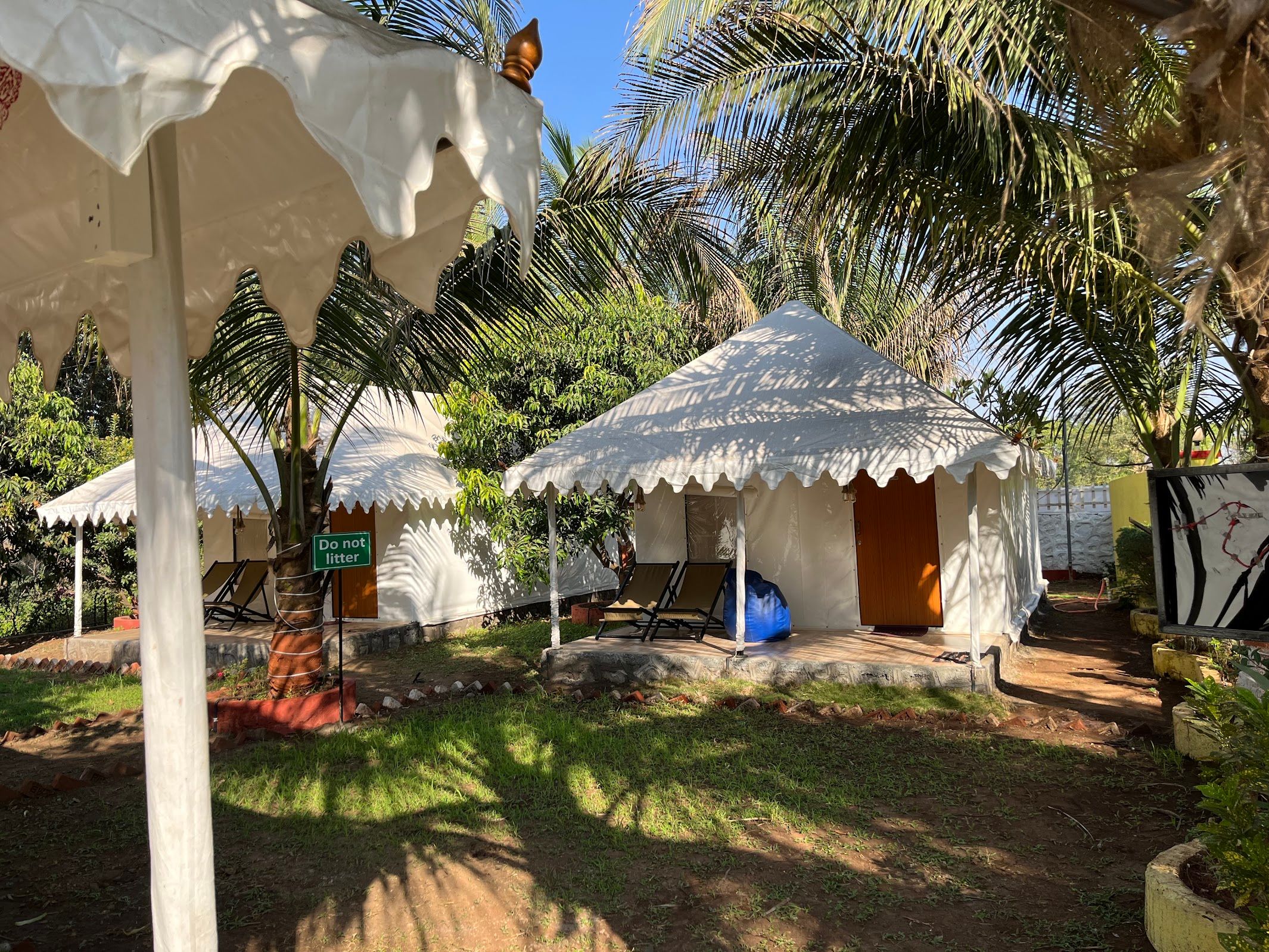
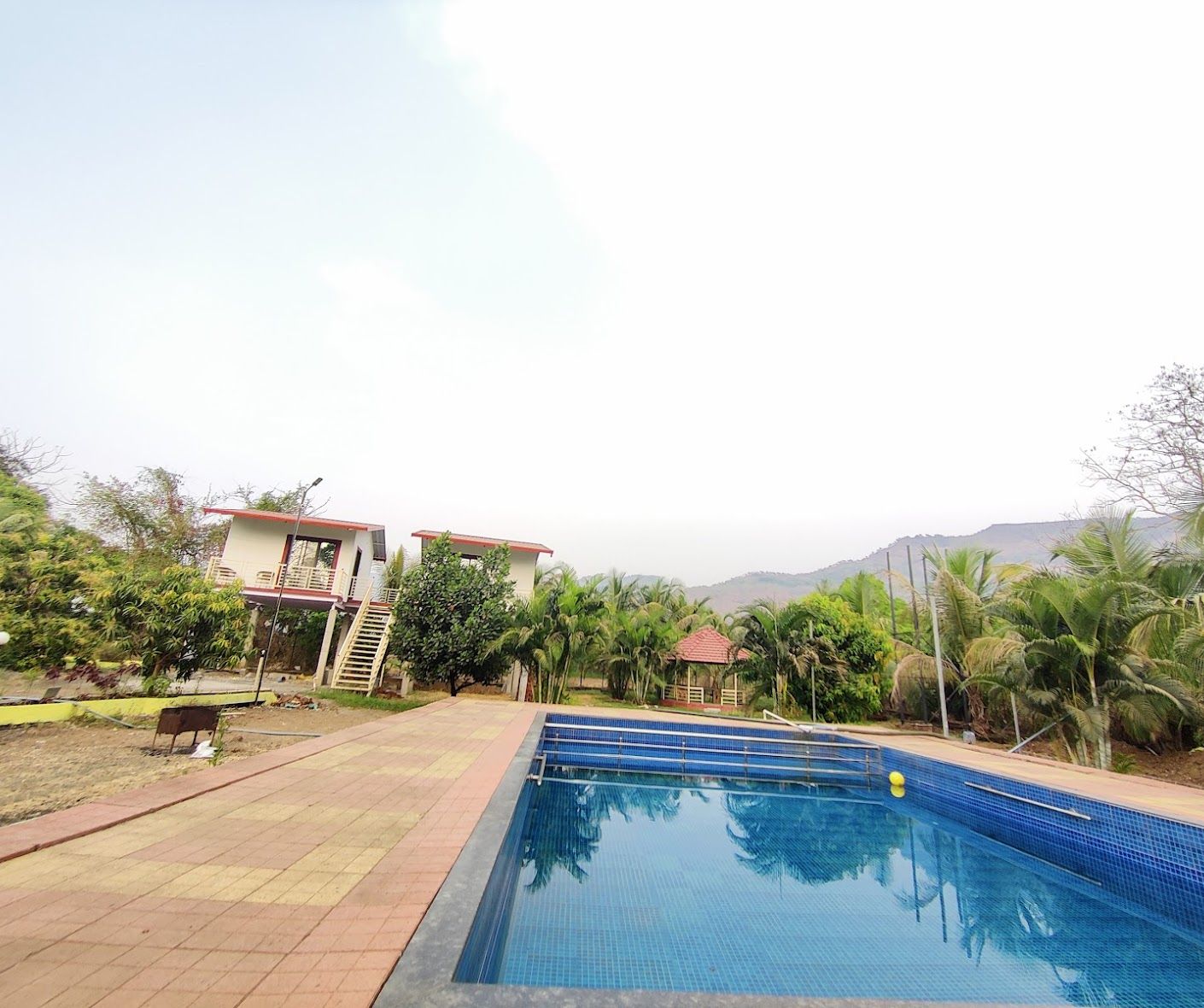
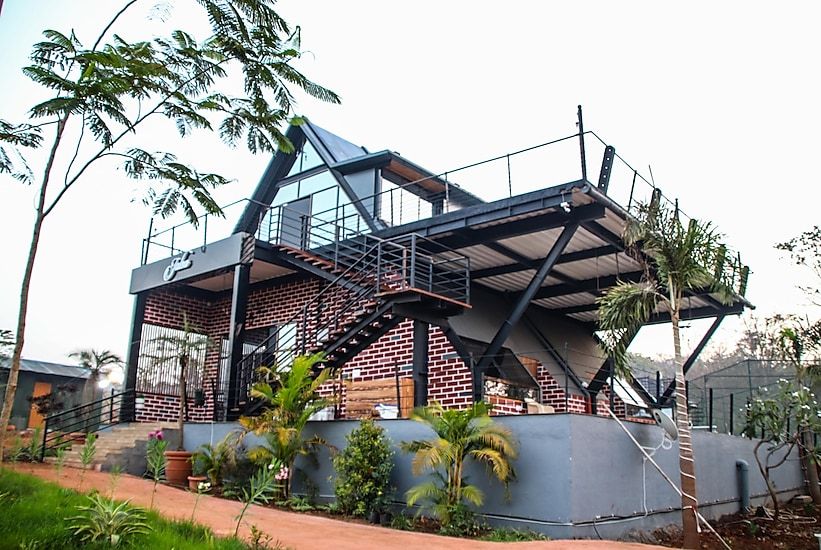
Accommodations around Bhimashankar Wildlife Sanctuary cater to nature lovers looking for quiet retreats rather than luxury stays. Options range from rustic village homestays near the forest fringes to eco-camps set amidst farm orchards and rolling hills in the Ambegaon countryside.
Staying close to the sanctuary allows you to start your forest walks early in the morning, which is the most active time for the Indian Giant Squirrel and local birdlife. You can explore and book handpicked nature stays, rural farm stays, and scenic campsites around Bhimashankar on HireACamp.
Frequently asked questions
What is Bhimashankar Wildlife Sanctuary famous for?
The sanctuary is most famous as the protected home of the Indian Giant Squirrel, or Shekru, the state animal of Maharashtra. It is also celebrated for the sacred Bhimashankar Jyotirlinga temple, ancient sacred groves, and dense Western Ghats biodiversity.
What is the best time of day to spot the Indian Giant Squirrel?
Early mornings between sunrise and mid-morning, as well as late afternoons before dusk, are the best times to spot the giant squirrel feeding and leaping through the high canopy.
Are private vehicles allowed inside the sanctuary?
Vehicles are permitted on the main arterial roads connecting Ambegaon to the temple area, but private vehicles are strictly prohibited on inner forest footpaths and core trails.
Do I need a local guide for hiking in Bhimashankar?
While shorter trails near the temple and paved viewpoints can be visited independently, hiring a local guide is strongly recommended for longer forest routes and cliffside treks like Nagphani to avoid getting lost in dense mist.
Is the sanctuary open during the monsoon season?
Yes, the sanctuary remains accessible during the monsoon, when it is lush and covered in waterfalls, though heavy rain and leeches require careful preparation and proper hiking gear.
Where you'll be
Ambegaon · 11 stays nearby shown with prices
Stays near Bhimashankar Wildlife Sanctuary
Book a place to stay close by



More places near Bhimashankar Wildlife Sanctuary
Within 20 km


Lists for this area
Ranked by how many creators recommend each place


Built from 0 Instagram posts by 0 creators. Every tip links back to the post it came from, and where creators disagree we show both sides.


