
Chhota Shigri
Nature
Chhota Shigri is a prominent high-altitude valley glacier nestled amidst the rugged peaks of Himachal Pradesh. Framed by formidable summits and expansive lateral moraines, it is a key destination for experienced trekkers, mountaineers, and alpine researchers. Visitors journey into this remote wilderness to experience the raw grandeur of hanging ice, glacial streams, and vast mountain panoramas.
Getting there
By road
- From Chandigarh7 hr · 335 km
- From Ludhiana7 hr 30 min · 375 km
- From Amritsar9 hr 35 min · 486 km
- From Dehradun10 hr 25 min · 527 km
Typical drive times without traffic. Stations and airports from OLA Maps; distances and typical drive times from OpenStreetMap (© OpenStreetMap contributors); notes from creators' Reels.
About Chhota Shigri
Written with AI from map data and general knowledge. Check prices and timings locally before you go.
The Landscape of Chhota Shigri
Chhota Shigri occupies a dramatic transition zone between the verdant slopes of the Pir Panjal range and the arid alpine expanses of the Chandra Valley in Himachal Pradesh. The glacier itself descends through a massive trough carved by centuries of moving ice, flanked on all sides by towering rocky ridges and debris-strewn lateral moraines. Because it is surrounded by sheer mountain topography, the region features striking contrasts between white glacial tongues, grey granitic boulders, and turquoise meltwater streams cutting through the scree.
Prominent Himalayan peaks dominate the horizon around the glacier, with nearby giants like Papsura, Dharamsura, Indrasan, and Deo Tibba creating a majestic arena of rock and ice. The upper reaches of the glacier feed into complex crevasse fields and icefalls, while the lower terminus dissolves into fast-flowing glacial torrents that eventually drain into the Chandra River. The sheer scale and barren beauty of the valley offer an immersive encounter with true Himalayan backcountry terrain.
Trekking and Mountaineering Around Chhota Shigri
Reaching and exploring Chhota Shigri is primarily an expedition-style undertaking tailored for self-sufficient hikers, glaciology teams, and seasoned alpine adventurers. The trail into the glacier valley leads through rugged terrain without marked paths, requiring travelers to navigate loose scree, boulders, and active moraines. As you push deeper toward the upper cirques, panoramic vantage points open up toward high mountain passes such as the demanding Sara Umga Pass and routes connecting across to the Parvati Valley.
Due to the presence of crevasses, shifting ice, and scree slopes, foot travel across the glacier demands constant awareness, sound route-finding skills, and proper high-altitude hiking experience. The journey offers rare solitude, far removed from standard tourist circuits. Trekkers typically spend multiple days establishing backcountry camps along the lateral ridges, watching the play of light across the ice sheet and listening to the occasional rumble of distant serac falls.
Read more
Best Time to Visit Chhota Shigri
The window for visiting Chhota Shigri is relatively narrow, confined mainly to the mid-summer and early autumn months from July through late September. During the peak of winter and spring, heavy snow accumulation completely covers the approach valleys and mountain roads, making access virtually impossible and greatly heightening avalanche hazards.
By July and August, the lower snowfields recede, exposing the approach trails, although trekkers must still contend with monsoonal weather systems that occasionally spill over the Pir Panjal divide. Late August to mid-September generally provides the clearest skies, crisper temperatures, and the most stable ground conditions across the moraines. However, high-altitude weather remains unpredictable, and sudden drops in temperature or unseasonal snowfall can occur at any time of year.
How to Reach Chhota Shigri
Reaching Chhota Shigri typically begins from Manali or the Chandra Valley in Lahaul. Travelers commonly drive from major northern hubs toward Manali, from where the journey proceeds across the high mountain passes or transit corridors into the lower Chandra Valley along the road leading toward Batal and Kaza.
The vehicular approach ends along the unpaved stretches flanking the Chandra River, from which any expedition to Chhota Shigri must continue entirely on foot. Footpaths wind up through steep side valleys, crossing glacier-fed torrents and climbing steep moraine embankments before arriving at the foot of the ice sheet. Because mountain roads in this part of Himachal Pradesh are prone to seasonal closures, landslides, and weather delays, travelers should verify road conditions locally before setting out.
What to Pack for an Expedition
Given the remote setting and severe climate of Chhota Shigri, thorough preparation and specialized gear are essential. Even during mid-summer, nighttime temperatures regularly dip below freezing, necessitating multi-layered thermal wear, an insulated down jacket, windproof shells, and a high-grade sleeping bag rated for sub-zero alpine conditions.
Footwear should consist of sturdy, waterproof mountaineering or trekking boots with good ankle support to handle sharp scree and unstable moraine rocks. Depending on how far onto the ice sheet you plan to venture, glacier safety equipment such as crampons, microspikes, trekking poles, and ropes may be required. Trekkers must also carry comprehensive medical supplies, altitude sickness medications, water purification gear, reliable navigation tools, and all required self-catering equipment.
Places to Explore Nearby
The territory surrounding Chhota Shigri is packed with dramatic alpine landmarks that appeal to outdoor enthusiasts. To the west and south lie the legendary trekking trails of Hampta Pass and the scenic crossover towards Sara Umga Pass, which connects the Chandra catchment with the lush, forested slopes of the Parvati Valley. Farther downstream, the village settlements of Pulga and the trails leading up toward Kheerganga showcase the stark ecological transition from barren scree to dense deodar and pine forests.
Nature lovers can also consider excursions toward the protected bio-reserves of the Kanawar Wildlife Sanctuary on the outer flanks of the range, or venture deeper along the Chandra River towards vast high-altitude lakes and classic mountain viewpoints. The surrounding peaks, including Deo Tibba and Indrasan, remain revered focal points for both trekking observers and ambitious climbing expeditions.
Where to Stay Near Chhota Shigri
There are no permanent hotels, guest houses, or commercial facilities in the immediate vicinity of Chhota Shigri. Travelers venturing to the glacier must rely on wilderness camping, pitching expedition-grade four-season tents in protected natural clearings along the valley floor or atop stable moraine flats.
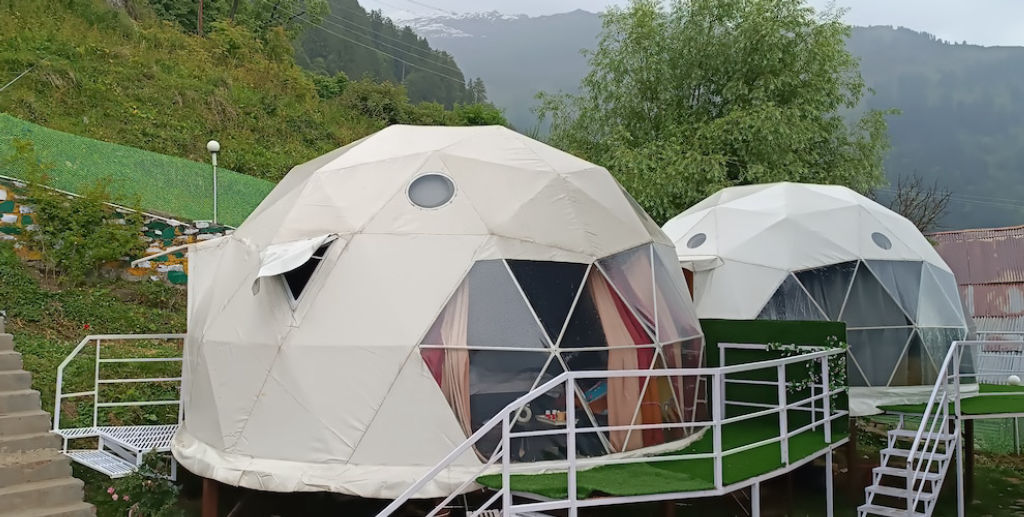
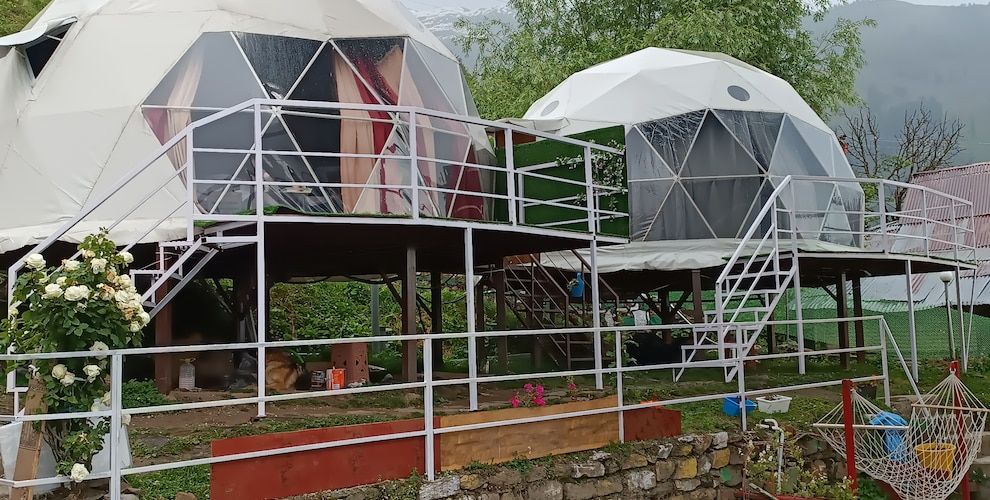
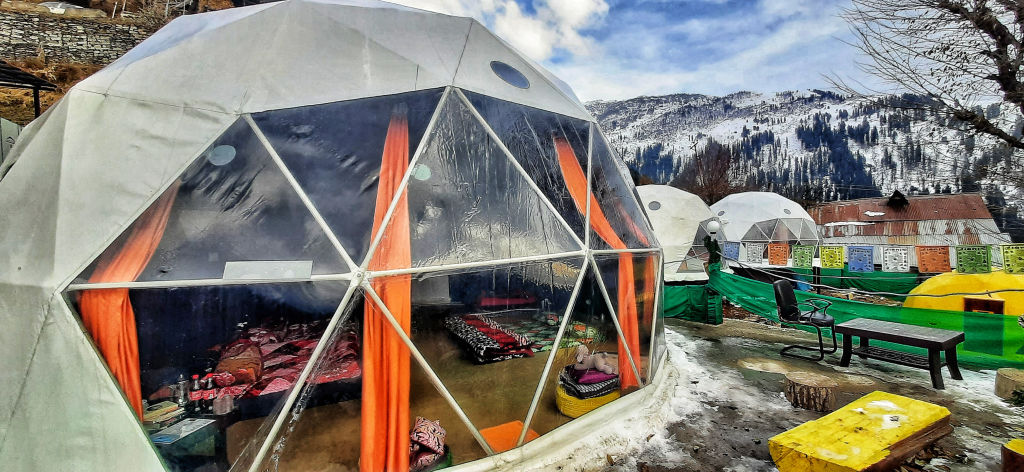
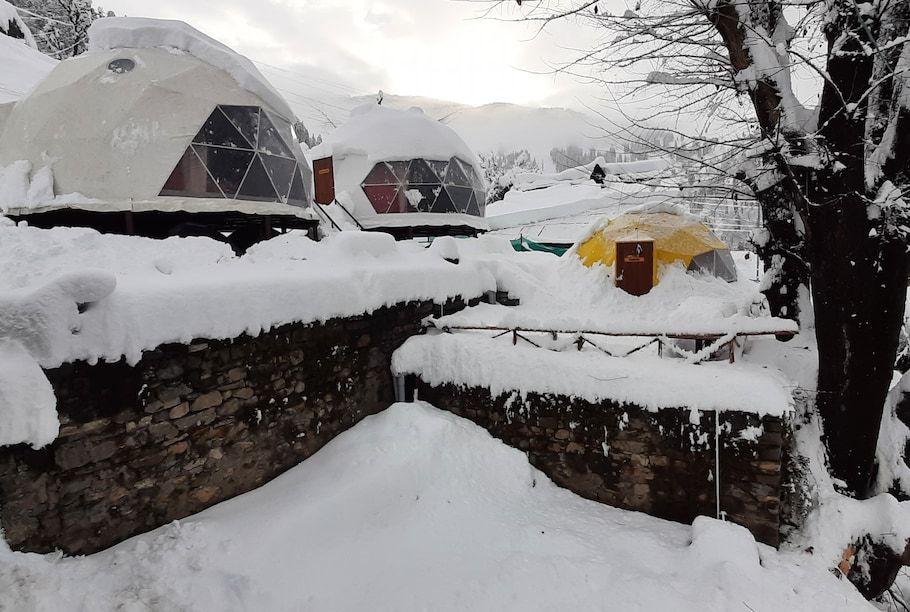
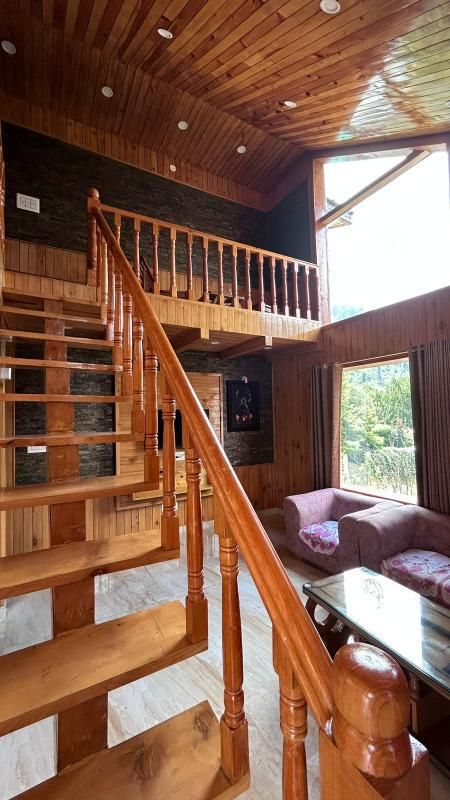
For those seeking comfortable shelter before or after their trek, base accommodations can be arranged in the inhabited valleys of Lahaul, Spiti, or the Kullu and Parvati regions. A variety of riverside camps, traditional village homestays, and rustic guesthouses can be discovered on HireACamp. Staying in these nearby valley hamlets allows adventurers to acclimatize adequately before tackling the challenging ascent into the glacial realm.
Frequently asked questions
What is Chhota Shigri known for?
Chhota Shigri is known as a major alpine valley glacier in Himachal Pradesh, recognized for its dramatic moraines, surrounding high peaks, and significance in Himalayan glaciology studies.
Is Chhota Shigri suitable for beginner hikers?
No, Chhota Shigri is situated in challenging, high-altitude terrain without marked trails or facilities, making it suitable only for experienced hikers and well-equipped mountaineering teams.
Can I visit Chhota Shigri during the winter months?
Winter visits are generally not feasible due to extreme sub-zero temperatures, heavy snow accumulation, avalanche hazards, and road closures across the mountain passes.
Are there any hotels or restaurants at Chhota Shigri?
There are no built structures, hotels, or restaurants at the glacier. Trekkers must be entirely self-sufficient with their own tents, food, and cooking equipment.
Do I need special permits to trek near the glacier?
Permit requirements for high-altitude trekking and scientific expeditions in this sensitive border and wildlife region can change seasonally, so it is best to check locally with administrative authorities before departure.
Where you'll be
9 stays nearby shown with prices
Stays near Chhota Shigri
Book a place to stay close by
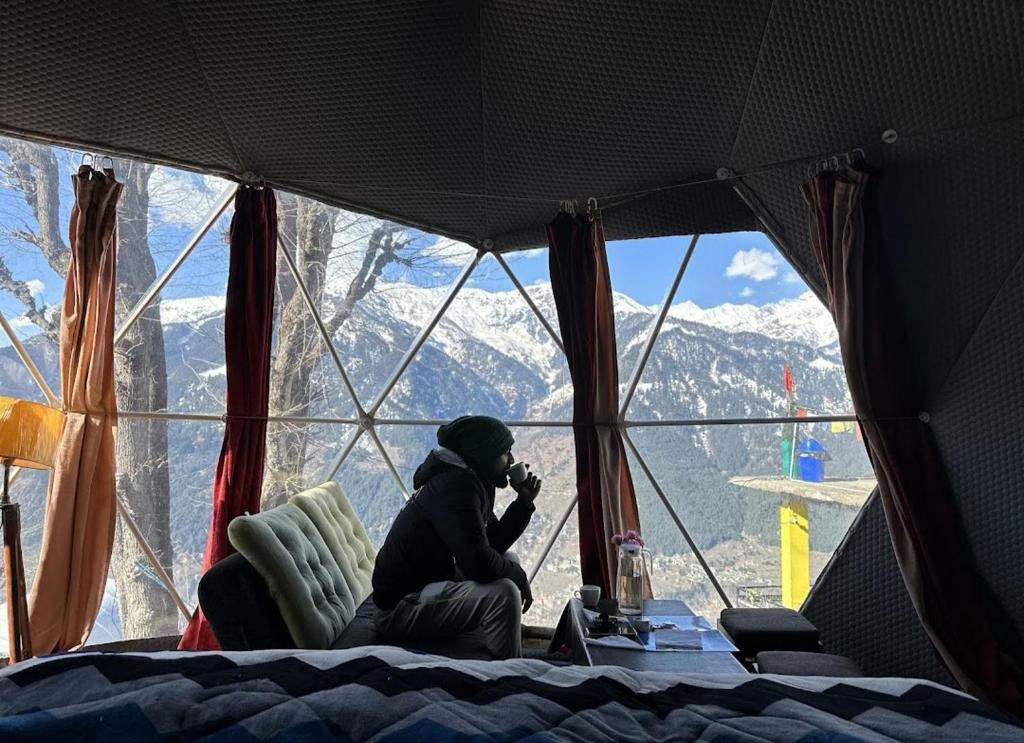
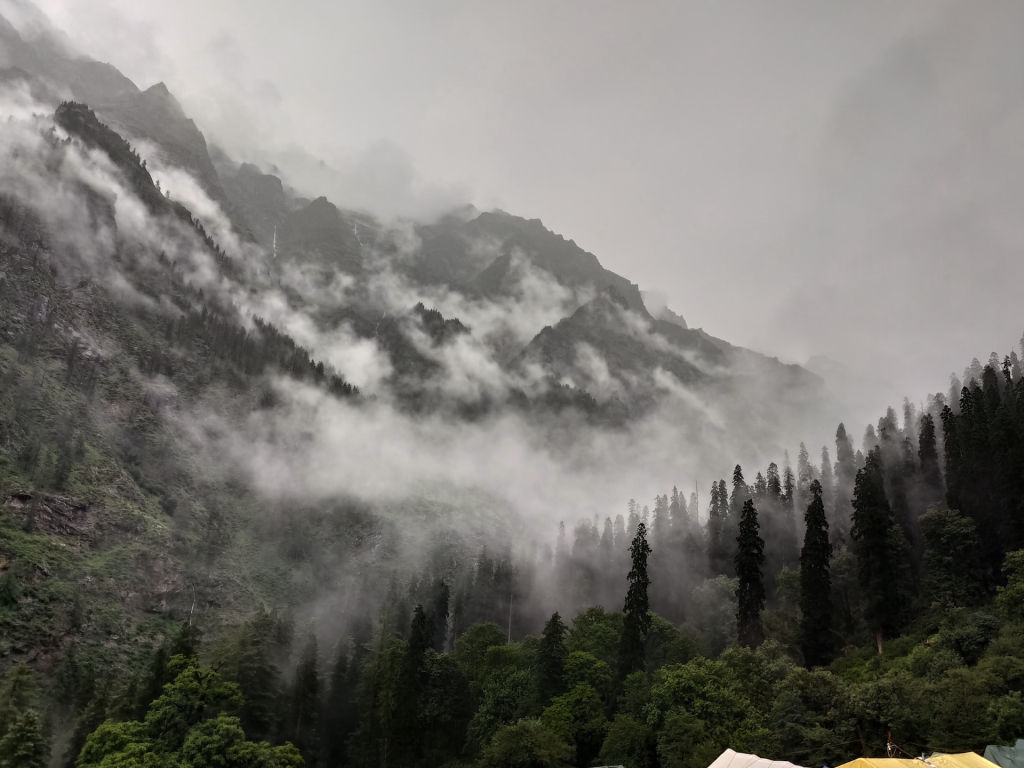
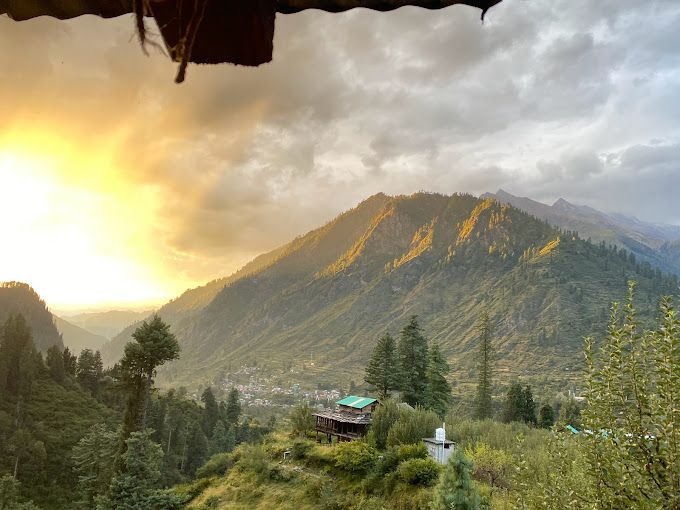
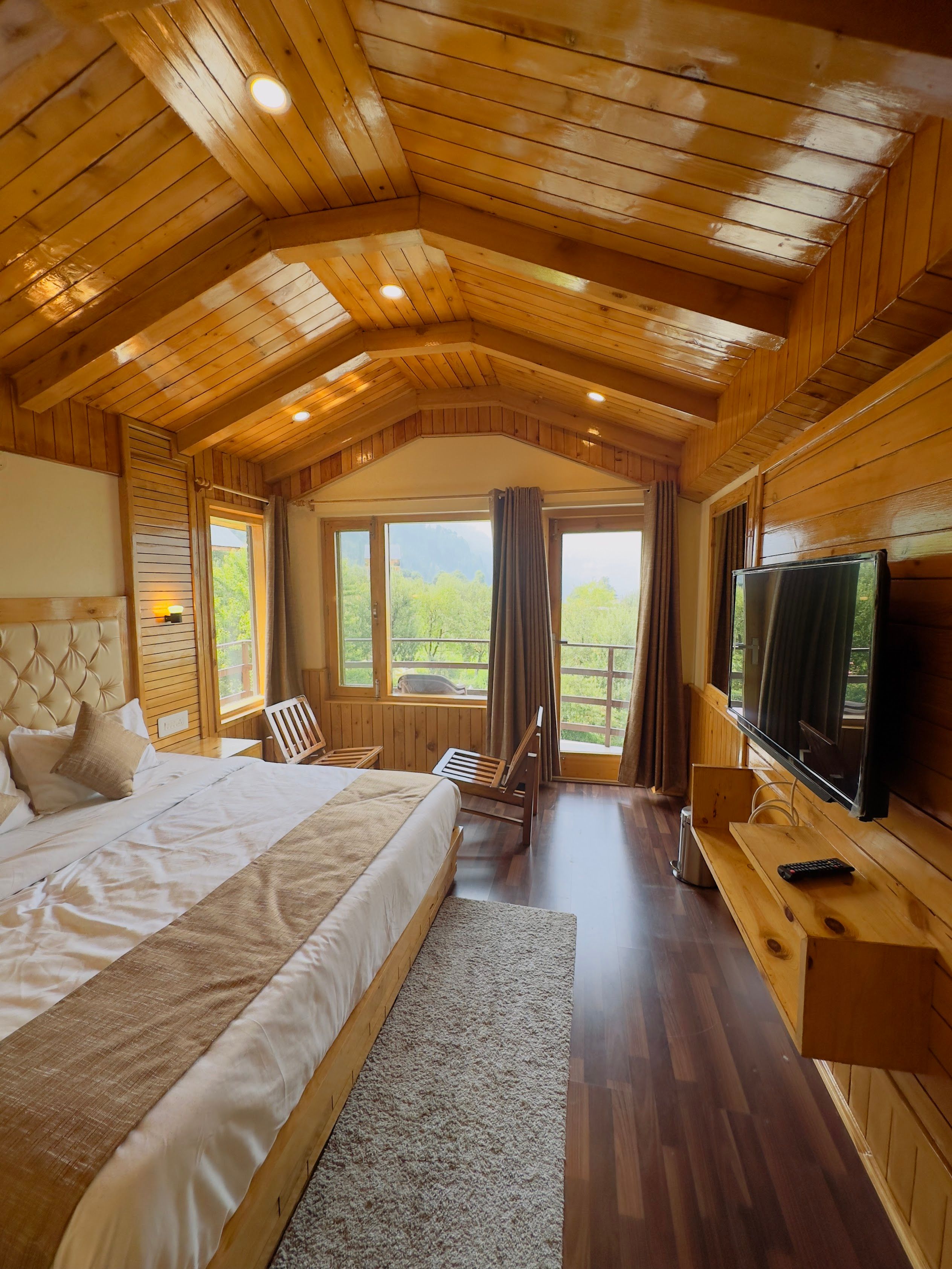
More places near Chhota Shigri
Within 20 km
Built from 0 Instagram posts by 0 creators. Every tip links back to the post it came from, and where creators disagree we show both sides.






