
Deo Tibba
Peak near Jagatsukh, Himachal Pradesh
17 km from Jagatsukh
The nearest town, for stays, food and fuel.
Deo Tibba is a prominent mountain peak rising in the Pir Panjal range of Himachal Pradesh. Standing above the eastern rim of the Kullu Valley, it draws mountaineers, seasoned trekkers, and alpine wilderness enthusiasts who come to experience its glaciers, high-altitude meadows, and rugged ridgelines. The trails toward its base offer some of the most dramatic mountain scenery in the western Himalayas.
Getting there
By road
- From JagatsukhNearest town1 hr 30 min · 74 km
- From Chandigarh6 hr 45 min · 323 km
- From Ludhiana7 hr 20 min · 364 km
- From Amritsar9 hr 20 min · 475 km
Typical drive times without traffic. Stations and airports from OLA Maps; distances and typical drive times from OpenStreetMap (© OpenStreetMap contributors); notes from creators' Reels.
About Deo Tibba
Written with AI from map data and general knowledge. Check prices and timings locally before you go.
Understanding Deo Tibba and Its Landscape
Deo Tibba is situated in the Kullu district of Himachal Pradesh and forms an imposing high point along the Pir Panjal mountain range. The summit rises to an elevation of over six thousand metres above sea level, presenting a distinct dome-shaped crown flanked by hanging glaciers, deep moraines, and sheer rock walls. It holds a sacred place in local mountain lore, traditionally revered as a divine throne in Himachali culture, which lends the mountain its name.
The approach to Deo Tibba takes hikers through a transition of Himalayan ecological zones. Starting in dense temperate woodlands of pine, deodar, oak, and silver birch, the paths gradually give way to broad subalpine grazing grounds. Beyond the tree line, vast boulder-strewn meadows like Chikka and Seri dominate the terrain, carpeted in alpine blossoms during the warmer months. Glacial streams cut through flat valleys before the ground rises steeply toward high glacial tarns such as Chota Chandratal and the base of the peak itself.
The Trek to Deo Tibba Base Camp
While scaling the actual summit of Deo Tibba requires advanced technical mountaineering equipment, glacier travel expertise, and fixed ropes, the trek to the Deo Tibba Base Camp is one of the most rewarding high-altitude treks in the region for fit adventurers. The route typically begins near the historical village of Jagatsukh, located south of Manali, and traces the course of the Duhangan river.
Over several days of steady ascent, trekkers navigate lush forests, riverside boulder fields, and the wide, marshy expanse of Seri, an ancient glacial bed where delicate flora thrives in the summer. Further up, the route leads past moraine ridges to the turquoise waters of Chota Chandratal and the amphitheatre formed by Deo Tibba and its companion peaks, including Indrasan. The trail demands good cardiovascular endurance, sure-footedness across rocky sections, and proper acclimatisation to manage the increasing altitude safely.
Read more
Best Time to Visit Deo Tibba
The window for trekking and exploring the valleys around Deo Tibba generally spans from mid-June to early October. In late spring and early June, snow lingers across the higher passes and moraines, creating icy conditions that require specialised equipment and careful navigation.
From late June through July, the lower valleys come alive with wild blooms and lush greenery, though this coincides with the monsoon season across northern India. While the Pir Panjal range receives significant rainfall that can cause slick trails and localized landslips, clear spells reveal vibrant, emerald landscapes. September and October are widely considered the ideal months. Post-monsoon, the mountain air turns crisp and clear, daytime temperatures remain pleasant for hiking, and the chances of unhindered views of the snow-clad peaks are highest before deep winter brings heavy snowfall.
How to Reach the Deo Tibba Region
Travellers heading toward Deo Tibba usually base themselves around the Kullu Valley, with Manali and the heritage settlement of Jagatsukh serving as the standard departure points for trails leading up the mountain.
By road, the Kullu Valley is connected to major northern hubs including Chandigarh and Delhi via regular intercity bus services and private taxis. The scenic drive follows the Beas river upstream into the heart of Himachal Pradesh. For those travelling by air, the closest airport is Bhuntar Airport near Kullu, from where local taxis and regional buses continue north into the upper valley. Train travellers generally alight at Chandigarh or the broad-gauge station at Kalka before completing the journey by mountain road. From Jagatsukh, rough mountain tracks lead toward the trailhead, where all travel proceeds on foot.
Places to Explore Nearby
The geographic pocket around Deo Tibba is rich with natural landmarks, alpine routes, and ancient settlements. The historic village of Jagatsukh, positioned near the foot of the Duhangan valley, is home to traditional wood-and-stone architecture and classic Himachali shrines that showcase intricate regional craftsmanship.
To the northwest lies the famed Hampta Pass route, a classic alpine crossing that bridges the verdant Kullu Valley with the arid, high-desert expanse of Lahaul. Further down the Parvati Valley to the south and east, paths wind toward villages such as Pulga and the renowned thermal springs of Kheerganga, known for peaceful pine forests and wilderness routes. Higher up along the highway axis, Rohtang Pass offers broad panoramic vantage points over neighbouring peaks and glaciers.
Essential Tips for the Deo Tibba Trail
Trekking in the Deo Tibba region requires thorough preparation, as routes lead into remote mountain terrain with no permanent settlements or shops once you leave the valley floor. High-altitude mountain weather can shift quickly from calm sunshine to biting winds, rain, or sleet, making multi-layered moisture-wicking clothing, thermal inner wear, and a dependable waterproof jacket essential.
Acclimatisation should be prioritised to avoid mountain sickness. Allow your body time to adjust by pacing your climbs sensibly and drinking plenty of water throughout the day. Sturdy, broken-in trekking boots with good ankle support are indispensable across boulder sections and scree slopes. Travellers must practice complete self-sufficiency regarding waste management: pack out every piece of plastic, food wrapper, and non-biodegradable item to keep these delicate alpine watersheds pristine.
Where to Stay around Deo Tibba
During a trek toward Deo Tibba, accommodation consists entirely of wilderness camping in designated meadow locations like Chikka and Seri, where adventurers pitch tents under starry Himalayan skies. Campers must carry high-grade four-season tents, insulated sleeping mats, and warm sleeping bags rated for freezing temperatures.
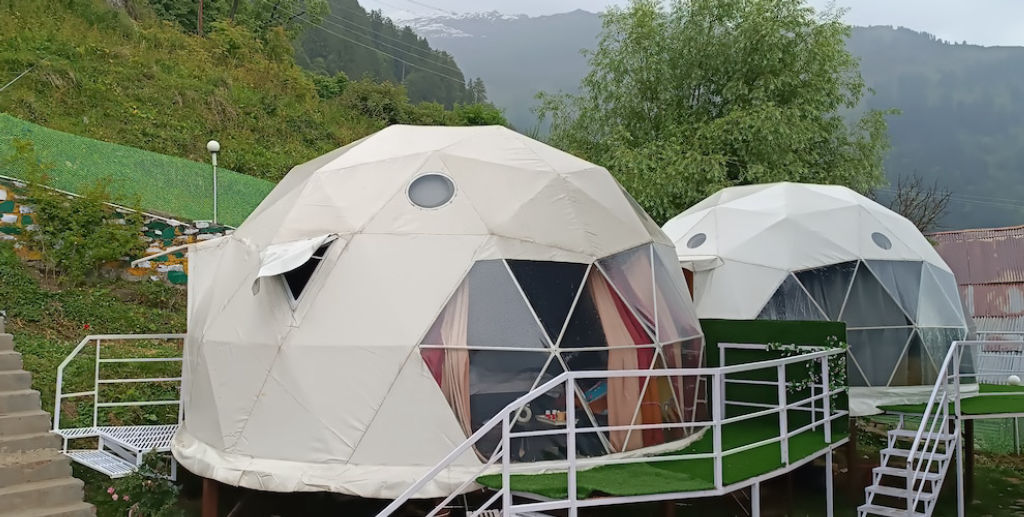
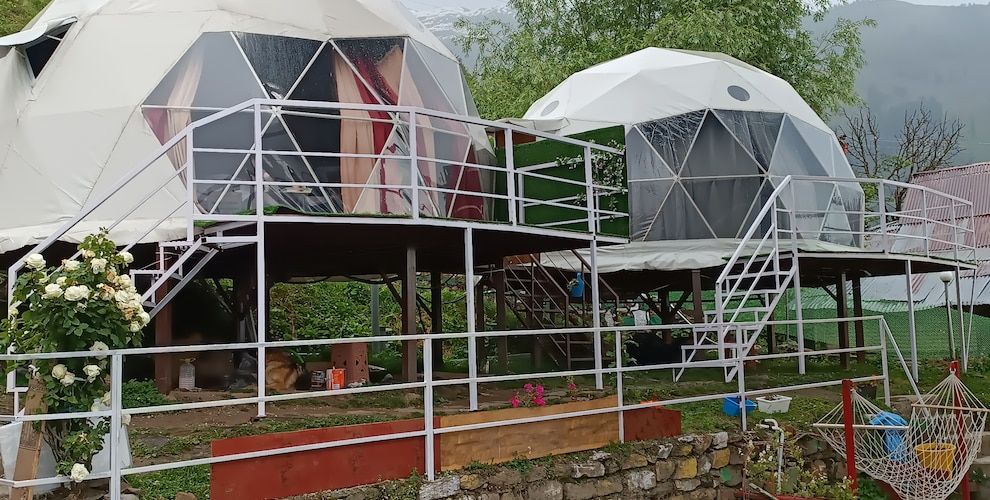
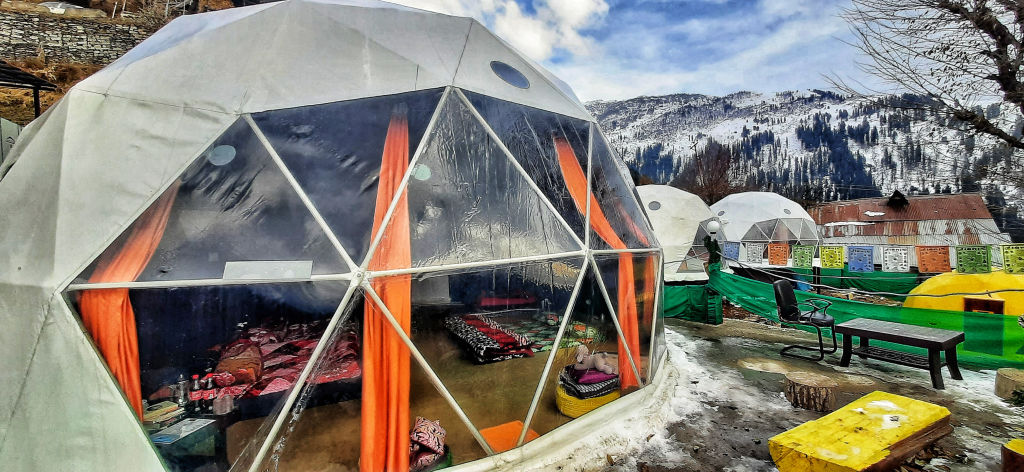
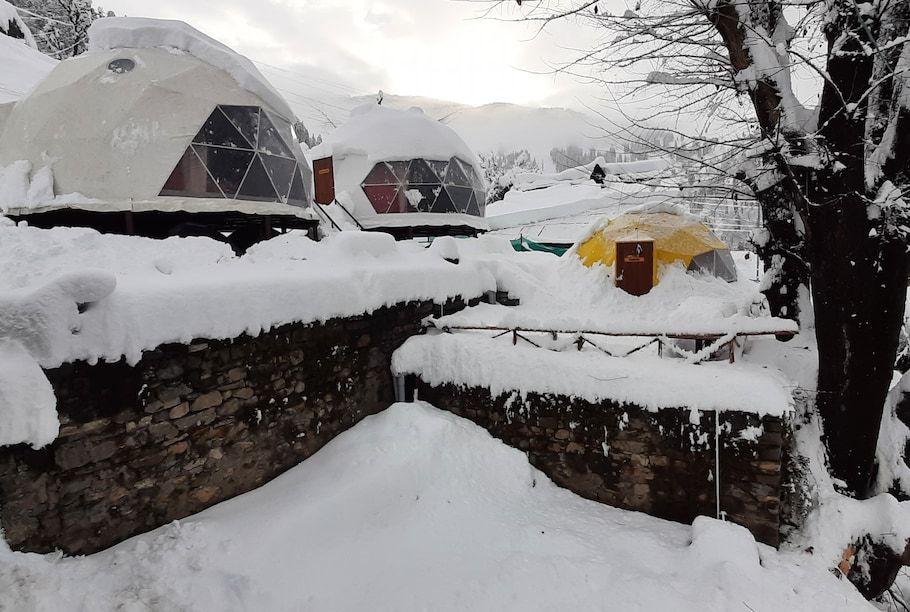
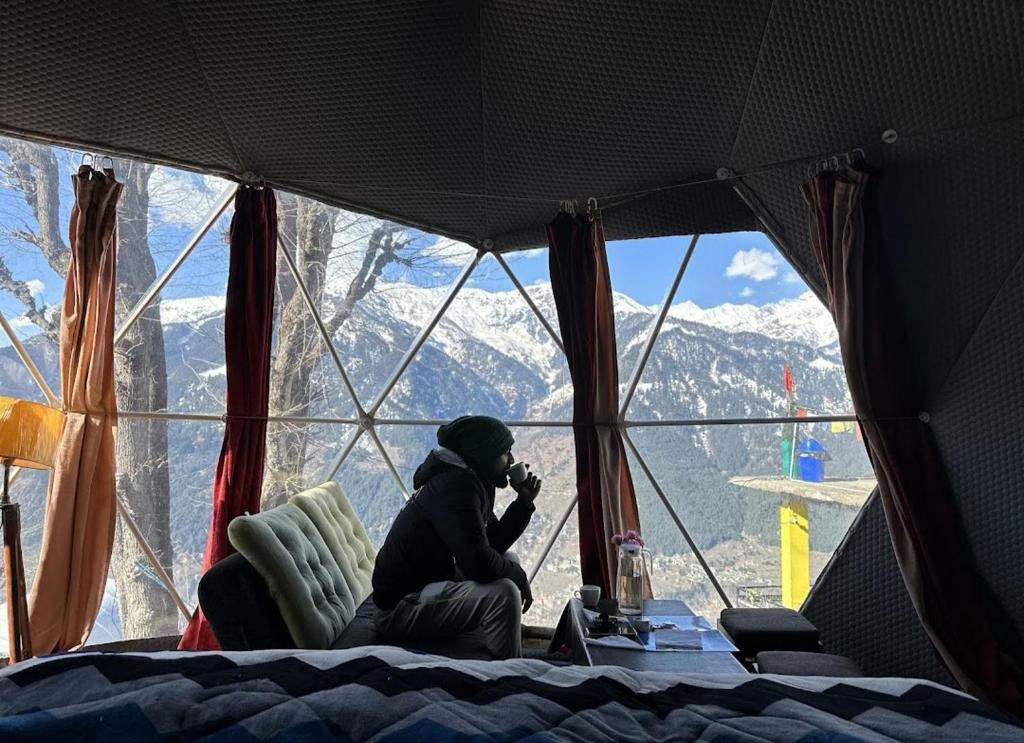
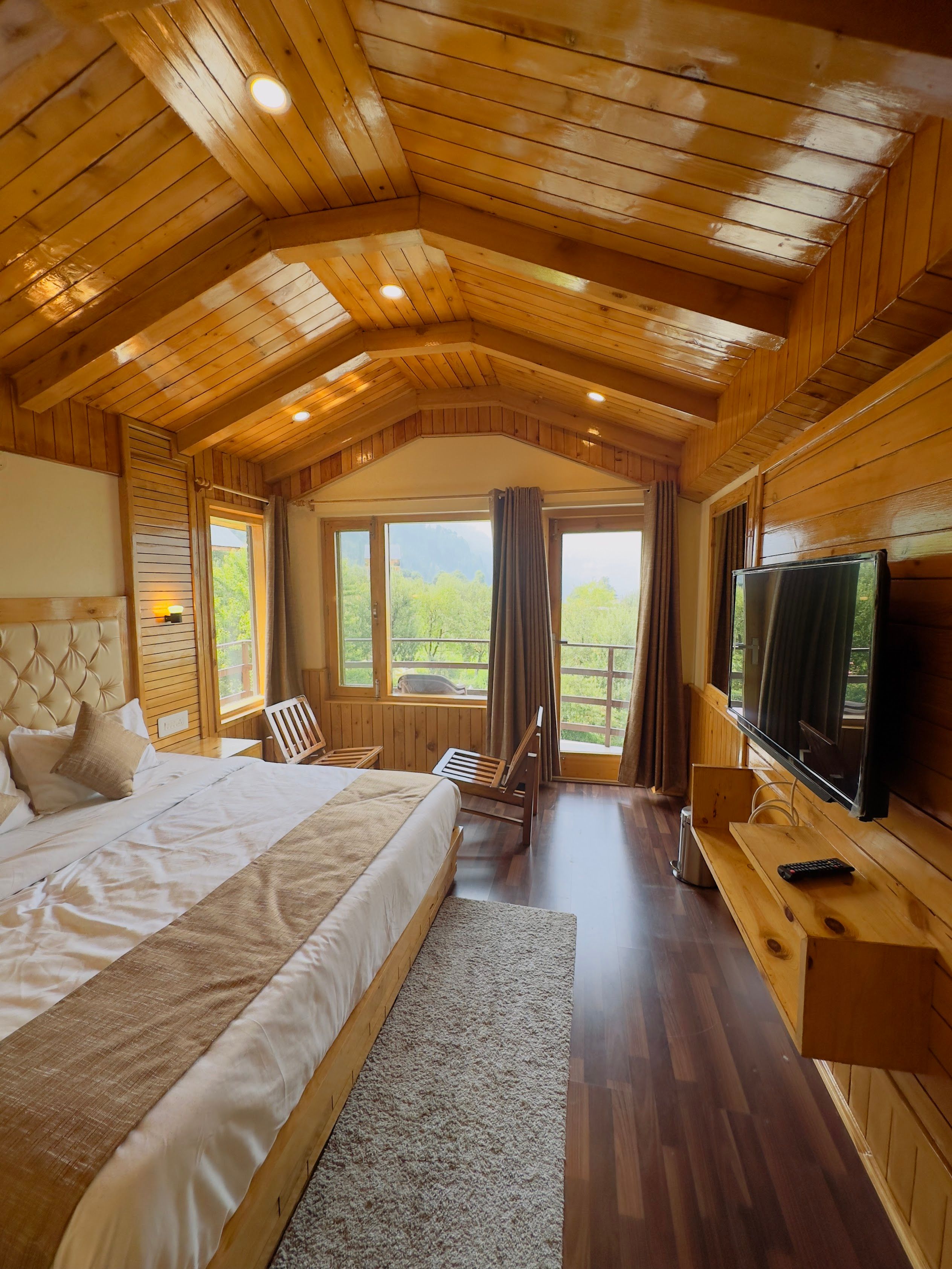
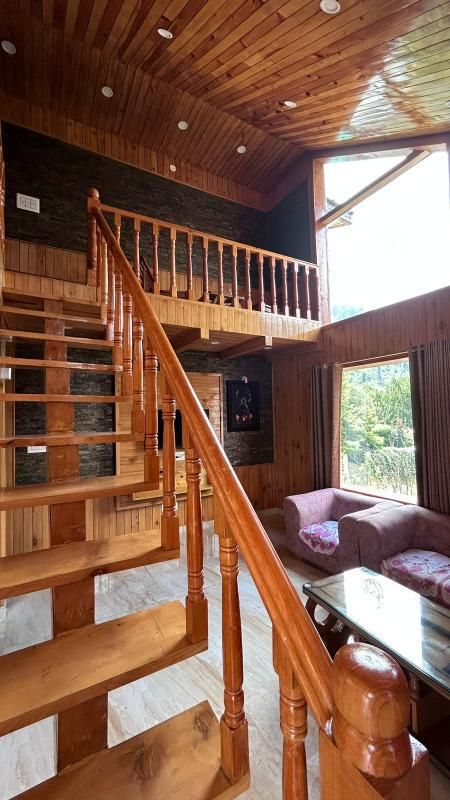
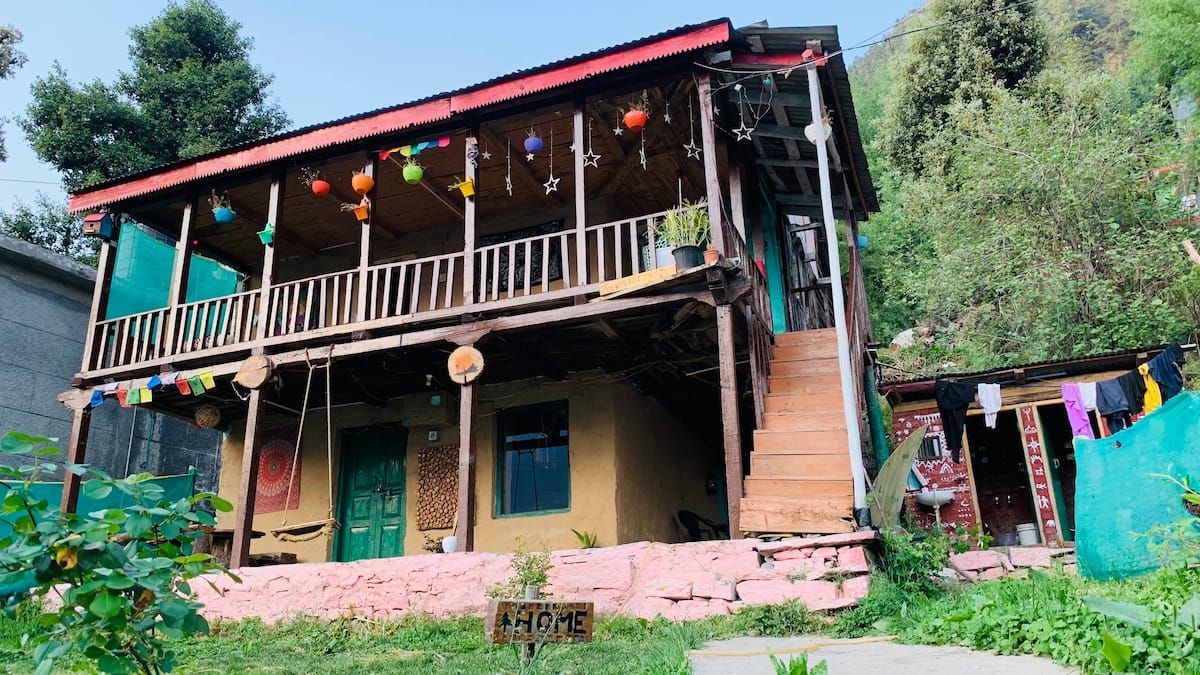
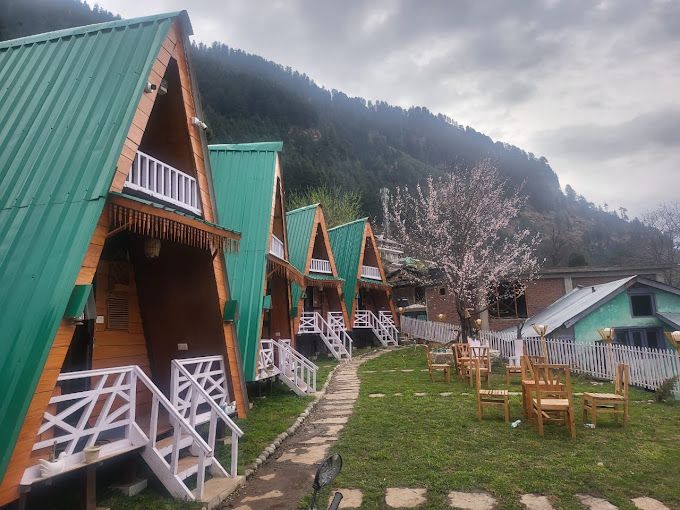
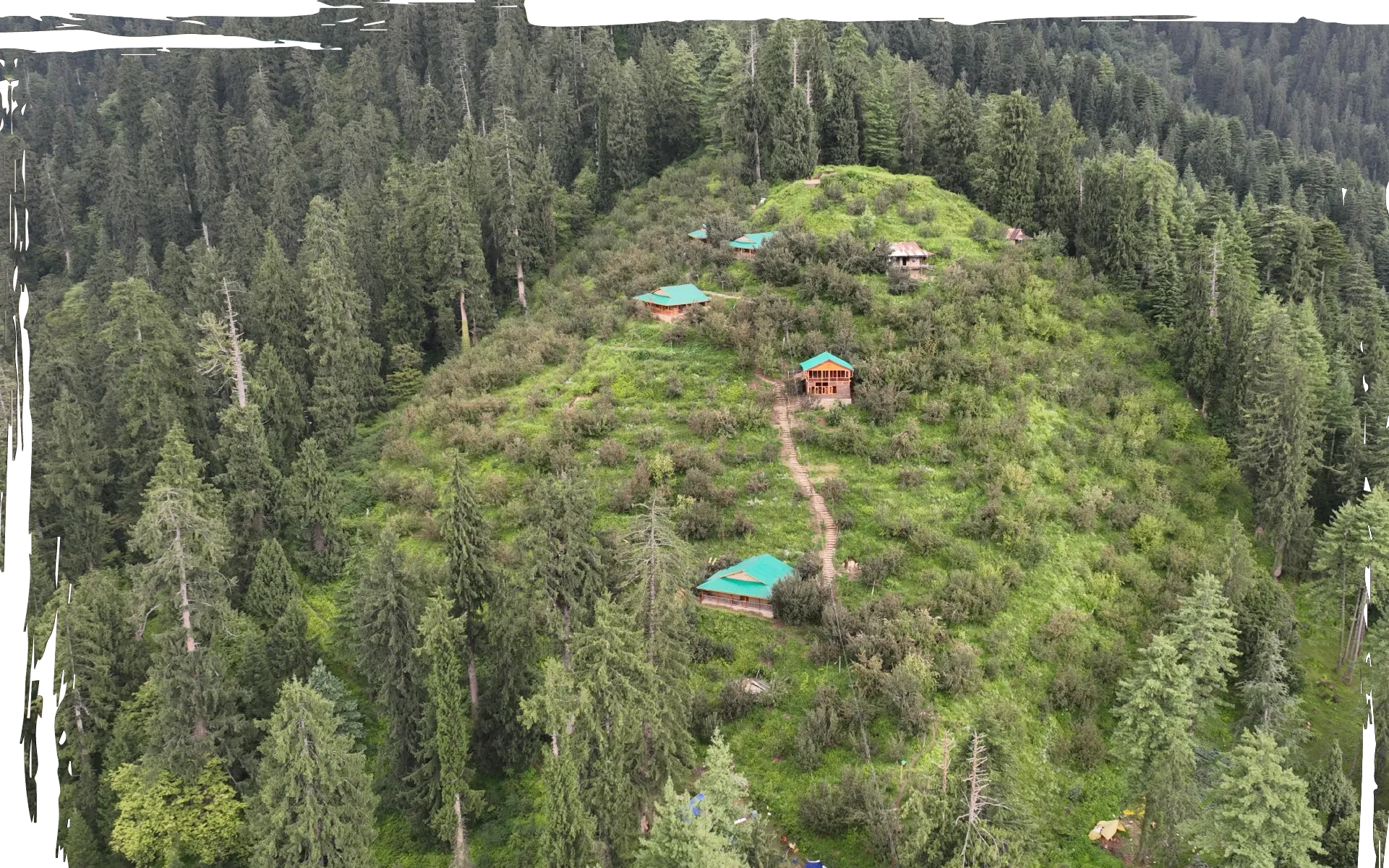
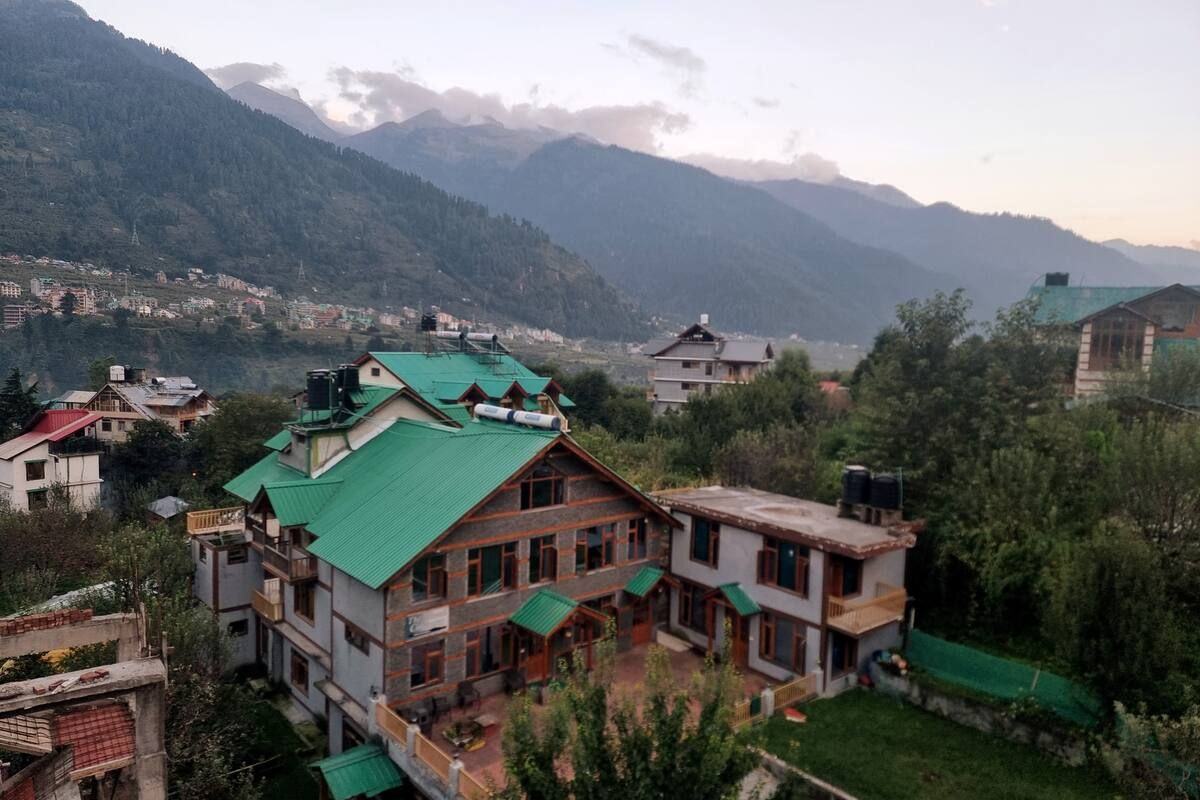
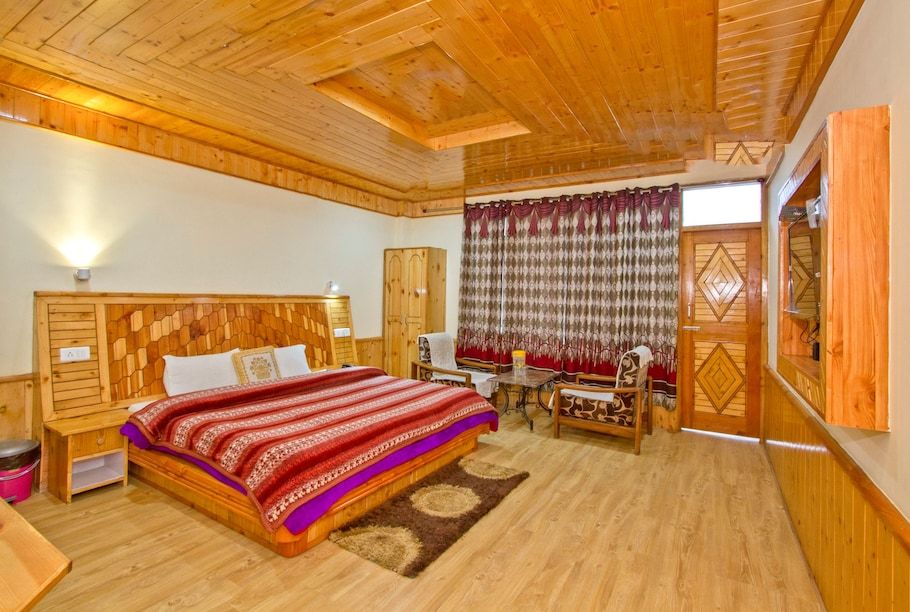
For nights before and after your trek, the lower valley offers a relaxed, comfortable base. A wide variety of riverside campsites, heritage village stays, and authentic Himachali homestays can be found on HireACamp. Staying in the nearby villages around Jagatsukh and the upper Kullu Valley allows you to experience warm local hospitality, home-cooked regional meals, and a peaceful environment while preparing for your high-altitude journey.
Frequently asked questions
Where is Deo Tibba located?
Deo Tibba is located in the Pir Panjal range in the Kullu district of Himachal Pradesh, situated east of the Kullu Valley and near the historic village of Jagatsukh.
Can beginners trek to Deo Tibba Base Camp?
The trek to Deo Tibba Base Camp is classified as moderately challenging. It is suitable for beginners with good physical fitness, proper conditioning, and experienced guidance, though the high elevation requires careful acclimatisation.
What is the best season to trek near Deo Tibba?
The best months are September and October for stable weather and clear skies, along with mid-June to July when alpine meadows are in bloom, though trekkers in summer should prepare for monsoon showers.
Do I need special permits to trek near Deo Tibba?
While casual trekking up to base camp points often only requires local trail registration, full mountaineering expeditions attempting the summit require formal clearances. Travellers should verify current permit guidelines locally before heading out.
What kind of accommodation is available near Deo Tibba?
On the trail, accommodation is limited to expedition camping in wilderness meadows. In the surrounding valley around Jagatsukh and Manali, you can book homestays, cottages, and riverside camps through HireACamp.
Where you'll be
Himachal Pradesh · 12 stays nearby shown with prices
Stays near Deo Tibba
Book a place to stay close by
More places near Deo Tibba
Within 20 km


Built from 0 Instagram posts by 0 creators. Every tip links back to the post it came from, and where creators disagree we show both sides.






