
Fort Vaghera
Fort near Trimbak, Maharashtra
13 km from Trimbak
The nearest town, for stays, food and fuel.
Fort Vaghera is a historical hill fort nestled in the rugged Sahyadri ranges near Trimbakeshwar in Maharashtra. The fort is known for its peaceful trekking routes, panoramic perspectives of nearby peaks, and remnants of rock-cut architecture. Outdoor enthusiasts and heritage lovers visit the area to experience unspoilt mountain terrain away from crowded tourist circuits.
Getting there
By road
- From TrimbakNearest town41 min · 24 km
- From Nashik1 hr 20 min · 53 km
- From Mumbai 4 hr 20 min · 217 km
- From Surat5 hr 25 min · 234 km
Typical drive times without traffic. Stations and airports from OLA Maps; distances and typical drive times from OpenStreetMap (© OpenStreetMap contributors); notes from creators' Reels.
About Fort Vaghera
Written with AI from map data and general knowledge. Check prices and timings locally before you go.
About Fort Vaghera
Fort Vaghera, also known locally as Vaghera Fort, sits amidst the undulating geography of the Western Ghats in the Nashik district of Maharashtra. In centuries past, hill forts in this corridor served primarily as strategic outposts and watchtowers, allowing garrisons to monitor movement along vital trade and transit routes connecting the Deccan plateau with the Konkan plains below.
While the fort no longer retains large architectural complexes, it preserves evocative structural elements typical of Maratha-era hill fortifications. Visitors walking across the summit can find carved rock cisterns designed to store rainwater, weathered defensive stonework, and traces of pathways cut directly into the mountain stone. The setting itself is the primary draw, presenting wide vistas that sweep over neighbouring ridgelines, farmland, and rural hamlets.
The trek to Fort Vaghera
The ascent up Fort Vaghera is a rewarding day hike suitable for people with a moderate level of physical fitness. The trail generally commences from the base settlements near Vaghera village, passing initially through open fields, dry scrub, and patches of seasonal deciduous foliage before gaining elevation along the rocky spine of the hill.
As the trail climbs higher, the path turns steeper and demands careful foot placement over loose scree, boulders, and narrow earthen pathways. During the latter half of the climb, remnants of carved stone steps become visible, guiding hikers through natural rocky clefts toward the summit plateau. Once on top, hikers are greeted by expansive views of surrounding peaks like Brahmagiri and Harihar, as well as the broad valleys defining the Trimbak landscape.
Because navigation along the trail can occasionally be obscured by overgrown vegetation or multiple branching cattle tracks, checking with villagers at the base or hiring a local escort is always advisable.
Read more
Best time to visit Fort Vaghera
The ideal period to visit Fort Vaghera spans the post-monsoon and winter months from October to February. During this window, the daytime temperatures remain moderate, humidity drops significantly, and clear skies afford sweeping views across the Nashik countryside and distant Sahyadri ridges.
The monsoon season, running from June through September, transforms the surrounding hills into vibrant green corridors filled with rolling fog, seasonal brooks, and cascading waterfalls. While the landscape is at its most scenic during rains, the trail becomes notoriously slippery, and heavy cloud cover can occasionally obscure walking paths and panoramic viewpoints. Trekkers venturing out during the monsoon should be prepared with proper rain gear and slip-resistant footwear.
Summer months between March and May are hot and arid, with high daytime temperatures that can make exposed climbs physically demanding. Trekkers choosing to visit in summer should start their ascent at dawn to complete the hike before the midday sun peaks.
How to reach Fort Vaghera
Fort Vaghera is located close to the town of Trimbakeshwar, which serves as the most practical staging point for any journey to the fort. Nashik is the nearest major city and transportation hub, situated roughly thirty to forty kilometres away depending on the specific approach taken.
Travellers arriving by train can alight at Nashik Road railway station, which connects to major cities across India, including Mumbai and Pune. From Nashik, state transport buses, shared jeeps, and private taxis run frequently to Trimbakeshwar. From Trimbak, private vehicles or hired local transport can be used to reach the base village near Vaghera.
If driving from Mumbai or Pune, the journey passes through scenic ghat roads before reaching the Trimbakeshwar belt. The approach roads to the base village consist of paved rural roads transitioning into gravel stretches near the trailhead. Parking space is typically informal and arranged in coordination with local villagers.
Tips for your visit
Fort Vaghera is an undeveloped mountain location with no commercial stalls, shops, or managed facilities along the trail or on the summit plateau. Trekkers should carry an adequate supply of drinking water and lightweight snacks or packed meals to sustain themselves throughout the journey.
Sturdy trekking shoes with dependable grip are essential due to loose gravel, rocky scrambles, and uneven surfaces. Sun protection, including hats, sunglasses, and sunscreen, is recommended, particularly during the drier months when tree shade along the upper ridges is limited.
Cellular network coverage in the valley and along the slopes can be patchy, so it is wise to coordinate travel logistics and download offline maps in advance. As a matter of outdoor responsibility, ensure you carry all trash and plastic wrappers back with you to keep the mountain environment clean and intact.
Places to explore nearby
A visit to Fort Vaghera can be easily combined with several well-known natural and cultural destinations in the Trimbak and Nashik sub-regions. Trimbakeshwar Jyotirling Mandir, one of the twelve sacred Jyotirlinga shrines of Lord Shiva, is situated only a short drive away at the foot of Brahmagiri mountain.
Adventure seekers can explore other notable hiking landmarks in the immediate vicinity, including the distinctive rock tower of Harihar Fort and the religious and natural sanctuary of Anjaneri Hill, widely revered as the birthplace of Lord Hanuman. The Brahmagiri peak itself features well-trodden stone stairways leading to the traditional origin point of the Godavari River.
For those interested in relaxing by scenic bodies of water, Dugarwadi Waterfall and Gangapur Dam offer picturesque environments. Wine tourism hubs like Sula Vineyards and cultural heritage sites such as the ancient rock-cut Pandav Leni caves near Nashik are also within comfortable driving reach for day excursions.
Where to stay near Fort Vaghera
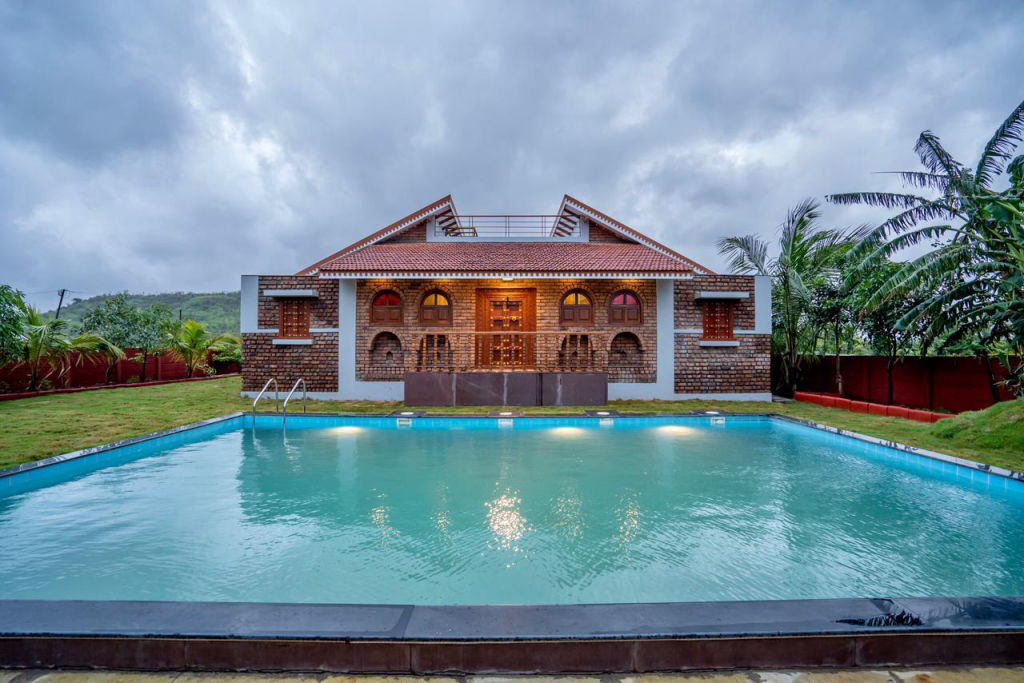
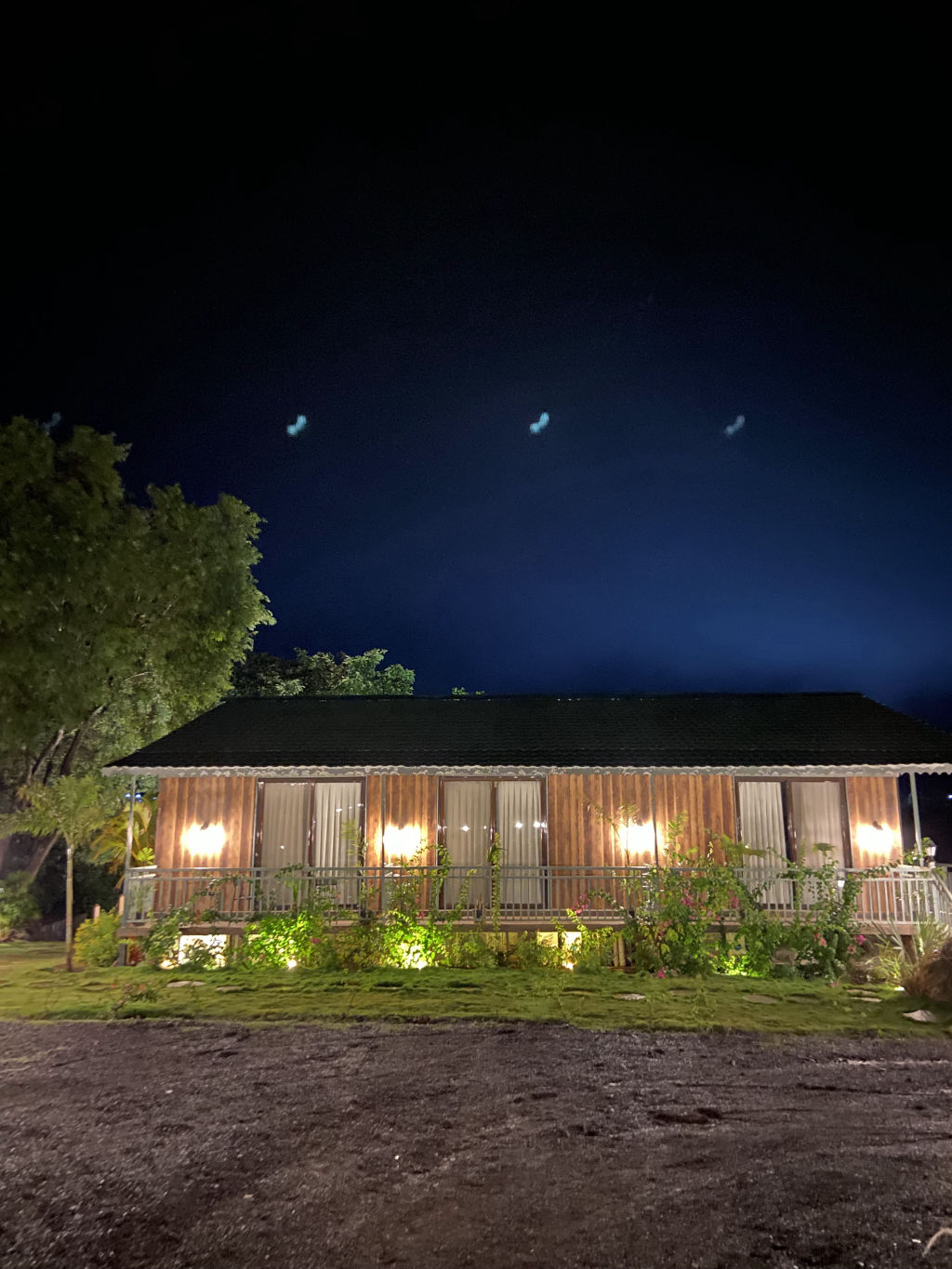
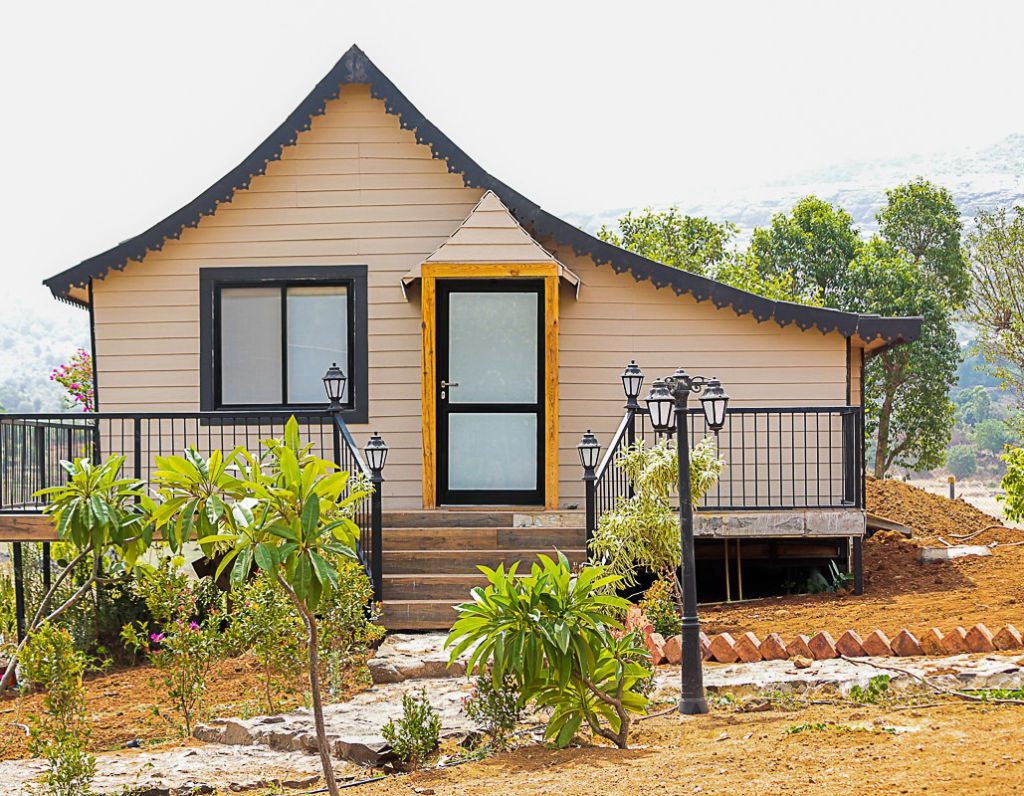
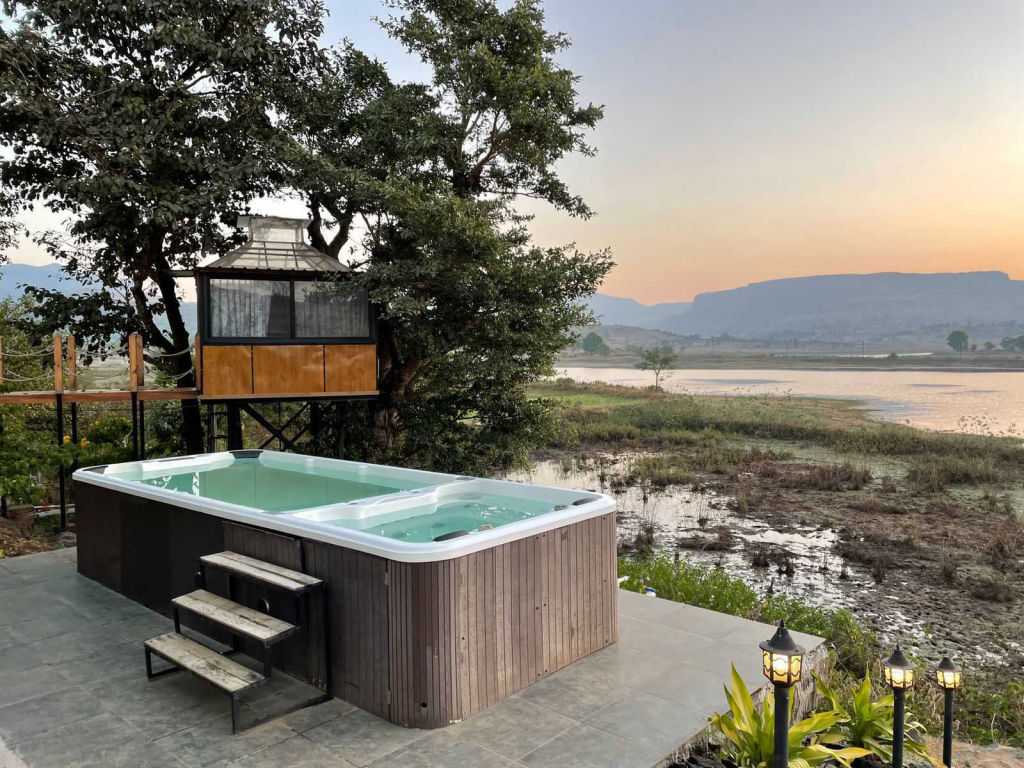
While there are no accommodation options directly on Fort Vaghera, comfortable lodging can be found in the nearby towns and scenic rural belts surrounding Trimbakeshwar and Nashik. Options range from traditional pilgrim guest houses in Trimbak to peaceful rural homestays, lakeside cottages, and private campsites tucked into the surrounding hills.
Outdoor travellers looking to stay close to nature can browse curated camping setups, nature stays, and family-run homestays throughout the Trimbakeshwar region on HireACamp. Booking in advance is recommended during holiday weekends and festive periods when regional travel demand rises.
Frequently asked questions
Where is Fort Vaghera located?
Fort Vaghera is situated in the Western Ghats near the town of Trimbakeshwar in the Nashik district of Maharashtra, India.
How long does it take to climb Fort Vaghera?
The trek generally takes between one and a half to two and a half hours each way, depending on your physical fitness, pace, and trail conditions.
Are there food and water stalls at Fort Vaghera?
No, there are no food or water facilities on the trail or atop the fort. Hikers should bring enough water and light meals from Trimbakeshwar or the base village.
Is Fort Vaghera safe for solo trekkers?
While the fort trail is generally safe, the route is quiet and infrequently visited. Solo hikers should ideally hire a local village guide or travel with companion trekkers to avoid getting disoriented on unmarked paths.
What is the best time of year to trek Fort Vaghera?
The best time to visit is from October to February when the weather is pleasant and skies are clear, though the monsoon months offer lush greenery for experienced hikers comfortable with wet trails.
Where you'll be
Trimbakeshwar, MH · 7 stays nearby shown with prices
Stays near Fort Vaghera
Book a place to stay close by

More places near Fort Vaghera
Within 20 km


Lists for this area
Ranked by how many creators recommend each place


Built from 0 Instagram posts by 0 creators. Every tip links back to the post it came from, and where creators disagree we show both sides.






