
Manikdoh Dam
Dam near Junnar, Maharashtra
9.6 km from Junnar
The nearest town, for stays, food and fuel.
Manikdoh Dam is a large gravity dam constructed across the Kukadi River near the historic town of Junnar in Maharashtra. Surrounded by the rugged peaks of the Western Ghats, the reservoir is known for its wide water expanse, quiet backwaters, and scenic vantage points. Travellers often visit Manikdoh Dam while exploring the mountain passes and historic forts of the Pune and Ahmednagar border region.
Getting there
By road
- From JunnarNearest town23 min · 12 km
- From Pune2 hr 35 min · 106 km
- From Nashik3 hr 35 min · 162 km
- From Mumbai 4 hr 5 min · 195 km
Typical drive times without traffic. Stations and airports from OLA Maps; distances and typical drive times from OpenStreetMap (© OpenStreetMap contributors); notes from creators' Reels.
About Manikdoh Dam
Written with AI from map data and general knowledge. Check prices and timings locally before you go.
About Manikdoh Dam
Manikdoh Dam was built across the Kukadi River to provide irrigation and drinking water to the surrounding agricultural plains of Junnar taluka. The dam forms a massive catchment area that swells during the monsoon months, creating a sprawling reservoir flanked by rolling hills, rocky outcrops, and quiet rural settlements.
The region around the reservoir is characterized by semi-evergreen and scrub forests, providing a vital water source for local wildlife and diverse bird species. Beyond its functional role in regional water management, Manikdoh Dam has become a favored spot for road trippers, nature enthusiasts, and photographers looking for unhurried views of the Sahyadri mountains away from crowded tourist viewpoints.
Things to do at Manikdoh Dam
The primary draw of Manikdoh Dam is the landscape itself. Walking along accessible stretches of the shoreline gives you uninterrupted views of the water reflecting the distant peaks of the Ghats. Photographers frequent the area early in the morning and late in the evening when the light highlights the ridges and the mist settles low over the backwaters.
Birdwatching is particularly rewarding around the reservoir edges, especially in the cooler months following the monsoon. Cormorants, egrets, pond herons, and various waterfowl can often be spotted foraging along the shallows. The area is also well-suited for peaceful picnics and quiet contemplation, provided visitors ensure they pack out all their litter and leave the natural habitat undisturbed.
Driving or motorcycling along the rural roads hugging the perimeter of the reservoir offers a leisurely way to take in changing perspectives of the water, passing through pastoral farmland and quiet villages along the way.
Read more
Best time to visit
The climate around Junnar and Manikdoh Dam changes significantly across seasons, with each offering a distinct experience. The post-monsoon and winter period, extending from October to February, is generally considered the best time to visit. During these months, the reservoir is filled to capacity, the surrounding hills retain a lush green carpet, and the daytime temperatures remain pleasantly cool.
The monsoon season, from late June to September, brings heavy rainfall across the Western Ghats. The landscape turns vibrant and misty, with streams cascading into the Kukadi catchment. Visiting during active rains offers dramatic scenery, though driving requires extra caution due to fog and wet road surfaces.
Summer spans from March to May and tends to be warm and dry. Water levels recede, exposing rocky banks and dry flats. While early mornings and sunsets can still be serene, daytime temperatures can get quite high, making long outdoor explorations less comfortable.
Places to visit nearby
Manikdoh Dam sits in an area dense with natural attractions, ancient mountain fortifications, and scenic passes. The famous valley of Malshej Ghat lies just a short drive away, renowned for its dramatic monsoon waterfalls, misty cliffs, and winding mountain roads.
For trekkers and history enthusiasts, the historic mountain fort of Harishchandragad stands nearby, offering ancient rock-cut caves, sweeping vistas, and the sheer drop of Konkan Kada. Other notable forts in the wider vicinity include Gorakhgad Fort, Ratangad, and Pabargad, each popular with hiking communities for their rugged approach trails and panoramic views of the Sahyadri range.
Another significant body of water nearby is the Pimpalgaon Joga Dam, celebrated among birdwatchers as an important winter habitat for migratory birds, including flamingos. Those willing to journey slightly farther north into the Bhandardara region can visit the deep gorge of Sandhan Valley, the ancient Shree Amruteshwar Temple, and seasonal cascades like the Vasundhara Waterfall.
How to reach Manikdoh Dam
Manikdoh Dam is located near the town of Junnar in the Pune district of Maharashtra. Junnar serves as the primary base for road travel to the dam and connects directly to state highways running towards Pune, Mumbai, and Nashik.
Travelers driving from Pune typically take the route via Chakan, Manchar, and Narayangaon before heading west from Junnar toward the dam. Those travelling from Mumbai generally climb up via Kalyan and the Malshej Ghat road on National Highway 61, turning toward Junnar after crossing the ghats.
The nearest major rail stations are located in Pune and Kalyan, from where private taxis and Maharashtra State Road Transport Corporation buses run regularly to Junnar bus station. From Junnar town, local auto-rickshaws or private vehicles can be hired to reach the banks of Manikdoh Dam.
Tips for your visit
Because Manikdoh Dam is an operational water storage facility, access to the main dam wall and high-security zones may be restricted by irrigation authorities. Always respect posted signboards, stay within permitted public zones, and avoid entering the water for swimming, as submerged currents and uneven muddy bottoms pose serious hazards.
Facilities near the reservoir edge are minimal. It is advisable to carry drinking water, snacks, sun protection, and a simple first-aid kit. Junnar town has the nearest markets, pharmacies, and automotive repair shops.
The surrounding countryside is known to be leopard habitat, particularly around agricultural fields and scrub patches. Visitors should stick to well-trodden paths, avoid roaming into isolated brush areas after dark, and always travel in groups if walking in rural outskirts.
Where to stay
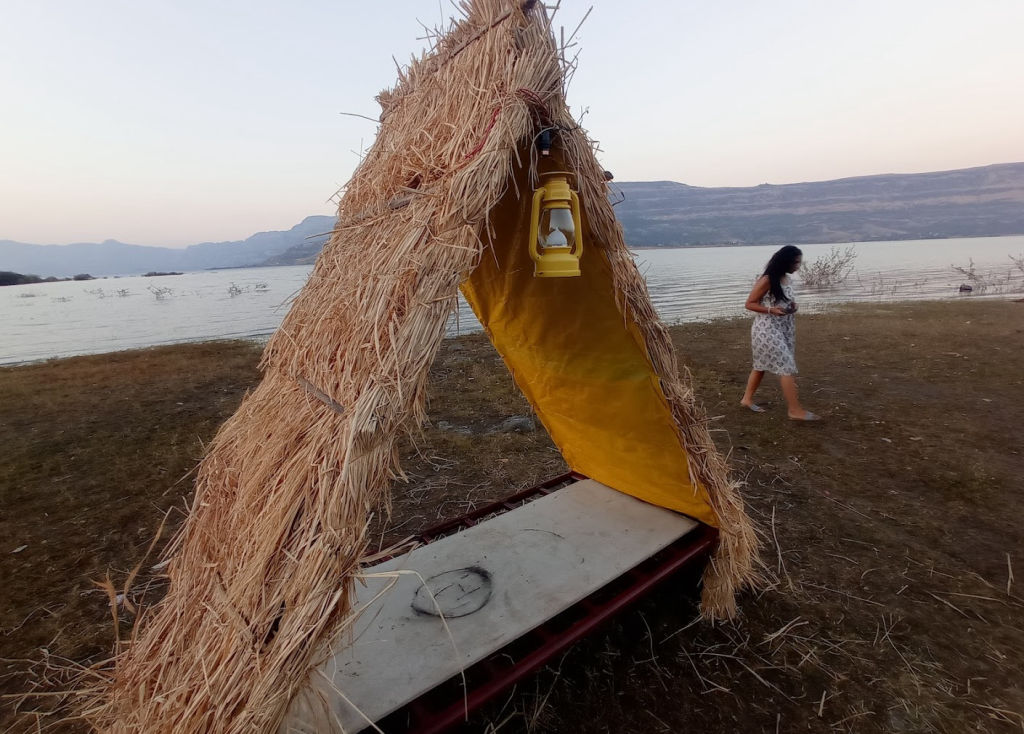
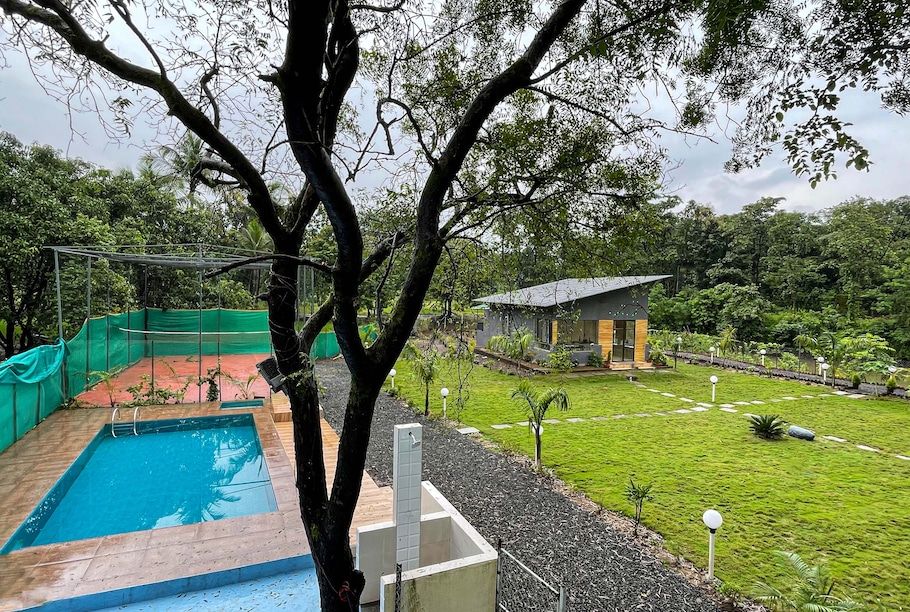
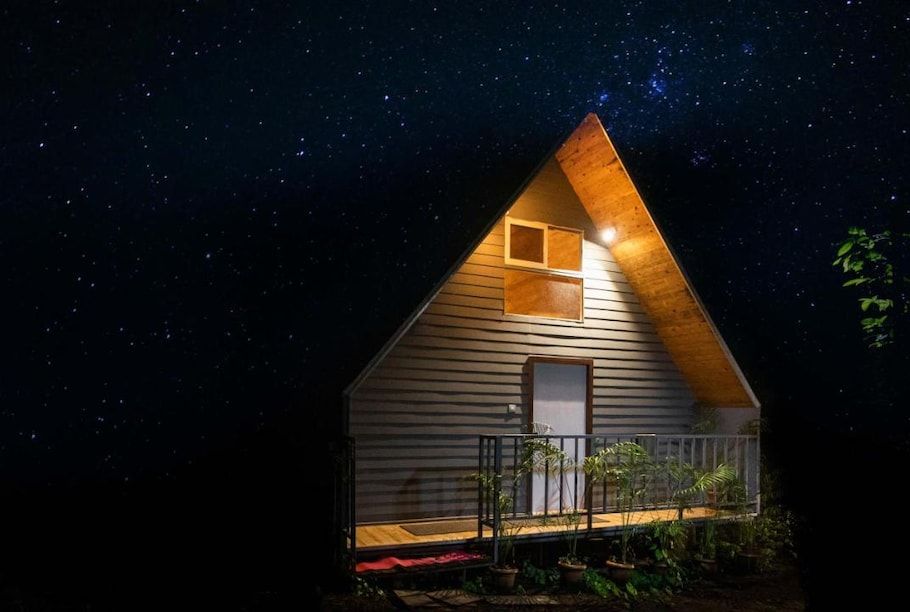
Travellers visiting Manikdoh Dam and the surrounding Junnar region can choose from a range of rural stays, lakeside campsites, farm retreats, and family-run homestays. Staying near the backwaters allows you to experience early morning mist, clear night skies, and easy access to nearby trails.
You can find and book vetted campsites, rustic homestays, and outdoor getaways in the area around Manikdoh Dam on HireACamp.
Frequently asked questions
Where is Manikdoh Dam located?
Manikdoh Dam is situated on the Kukadi River near the historic town of Junnar in the Pune district of Maharashtra.
Can you swim in Manikdoh Dam?
Swimming in the Manikdoh Dam reservoir is strongly discouraged due to deep drop-offs, hidden currents, and thick silt beds that make open-water swimming hazardous.
What is the best time to visit Manikdoh Dam?
The ideal time to visit is between October and February, when water levels are high, the surrounding hills are green, and the winter weather is cool and pleasant.
Are there food stalls near Manikdoh Dam?
Basic tea stalls and small local eateries may be found in nearby villages, but comprehensive dining options, restaurants, and convenience stores are located in Junnar town.
Can I visit Malshej Ghat and Manikdoh Dam in one trip?
Yes, Malshej Ghat is located only a short driving distance from Manikdoh Dam, making it easy to combine both destinations in a single day or weekend itinerary.
Where you'll be
MH · 3 stays nearby shown with prices
Stays near Manikdoh Dam
Book a place to stay close by
More places near Manikdoh Dam
Within 20 km


Lists for this area
Ranked by how many creators recommend each place


Built from 0 Instagram posts by 0 creators. Every tip links back to the post it came from, and where creators disagree we show both sides.






