
Govind Pashu Vihar Wildlife Sanctuary
Wildlife sanctuary near Uttarkashi, Uttarakhand
700 m from Uttarkashi
The nearest town, for stays, food and fuel.
Govind Pashu Vihar Wildlife Sanctuary is a vast protected wilderness nestled in the higher reaches of the Garhwal Himalayas in the Uttarkashi district of Uttarakhand. Renowned for its dramatic alpine landscapes, rushing river valleys, and rare Himalayan biodiversity, it serves as a vital refuge for endangered species like the snow leopard and the Himalayan musk deer. Outdoor enthusiasts and nature travellers visit the sanctuary to explore remote trekking routes, ancient timber villages, and sweeping alpine meadows.
Getting there
By road
- From UttarkashiNearest town1 min · 700 m
- From Dehradun3 hr 25 min · 138 km
- From Chandigarh6 hr 40 min · 328 km
- From New Delhi7 hr · 368 km
Typical drive times without traffic. Stations and airports from OLA Maps; distances and typical drive times from OpenStreetMap (© OpenStreetMap contributors); notes from creators' Reels.
About Govind Pashu Vihar Wildlife Sanctuary
Written with AI from map data and general knowledge. Check prices and timings locally before you go.
About Govind Pashu Vihar Wildlife Sanctuary
Govind Pashu Vihar Wildlife Sanctuary spans over nine hundred square kilometres of rugged mountainous terrain in the upper Tons river basin of Uttarkashi district. Established in 1955 and later reinforced under high-altitude wildlife conservation initiatives, the sanctuary was created to protect the fragile ecological balance of the Western Himalayas. Its altitude ranges dramatically from around fourteen hundred metres in the lower valley beds to over six thousand metres above sea level along snowbound glacial summits.
The terrain is marked by deep gorges, cascading mountain torrents, dense temperate woodlands, and expansive high-altitude grasslands known locally as bugyals. The sanctuary plays a crucial role in safeguarding the upper catchments of the Tons River, a major tributary of the Yamuna. Because of its remote setting, the wilderness within Govind Pashu Vihar retains an undisturbed character where traditional mountain cultures co-exist alongside protected natural habitats.
Wildlife and flora in Govind Pashu Vihar
The diverse elevation profiles across Govind Pashu Vihar create several distinct ecological zones, making it an extraordinary home for high-altitude Himalayan flora and fauna. In the lower valleys, forests of chir pine, deodar cedar, blue pine, and oak carpet the mountain slopes. As the trails climb higher, silver fir, birch, spruce, and dense thickets of rhododendron take over, bursting into shades of red and pink during spring before yielding to open alpine tundra and glacial fields.
The sanctuary is celebrated for harboring rare and endangered mammalian species. It is one of the recognized habitats for the elusive snow leopard and was among the early regions included in Project Snow Leopard. Visitors and researchers may also encounter signs of the Himalayan musk deer, bharal or Himalayan blue sheep, serow, black bear, brown bear, and common leopard. The avian life is equally remarkable, featuring the brilliant Himalayan monal, Uttarakhand's state bird, alongside the western tragopan, koklass pheasant, bearded vulture, and golden eagle soaring above craggy ridge tops.
Read more
Trekking and outdoor activities
Govind Pashu Vihar Wildlife Sanctuary is widely considered one of the premier trekking corridors in northern India. Several historic trails wind through its deep valleys and mountain passes. The most famous route leads through the cradle-shaped Har Ki Dun valley, taking trekkers past centuries-old wooden villages, terraced fields, and ancient deodar forests up to views of the Swargarohini massif. Other renowned trail networks lead to high-altitude glacial lakes like Ruinsara Tal and onwards across remote passes into neighboring Himachal Pradesh or the upper Yamunotri basin.
Apart from multi-day expeditions, the sanctuary offers rewarding day hikes for birdwatchers, botanists, and landscape photographers. Spending quiet days by the glacial streams, exploring sub-alpine forest trails, and witnessing the traditional architecture of local hamlets provide an immersive window into mountain living. Birdwatching is especially rewarding during early mornings when pheasants and songbirds move actively across forest clearings.
Best time to visit Govind Pashu Vihar
The ideal time to visit Govind Pashu Vihar Wildlife Sanctuary depends on the experiences you wish to pursue. The spring and summer months, running from April through June, bring pleasant daytime temperatures, blossoming wildflowers, and clear hiking trails. During this window, snow melts from the lower passes, making it the most comfortable time for trekking and observing waking wildlife.
Autumn, from September to November, offers the crispest weather and exceptional mountain visibility. The monsoon rains retreat, leaving the skies brilliant blue and the valleys lush green before golden autumn hues set in. Winters between December and March are severe, with heavy snowfall closing higher trail networks and transforming the sanctuary into a silent, frozen landscape. While lower perimeter walks remain possible for winter adventurers, extensive expeditions during peak winter require specialized equipment and preparation.
How to reach the sanctuary
Govind Pashu Vihar Wildlife Sanctuary is accessible by road from Dehradun, which serves as the primary transit hub with regular rail and air connections. From Dehradun, the journey travels through scenic hill towns such as Mussoorie, Naugaon, and Purola before reaching Sankri, the traditional gateway settlement located at the edge of the sanctuary. Travellers arriving from the district administrative centre of Uttarkashi can travel via Naugaon and Mori to connect onto the Sankri road.
Public buses and shared utility vehicles operate between Dehradun, Purola, and the gateway villages, though private taxis and self-drive vehicles allow greater flexibility along the winding mountain routes. Road journeys in the hills can be affected by weather conditions and seasonal maintenance, so travellers should plan for relaxed transit schedules and verify local road statuses before setting out.
Practical tips for your visit
Entering Govind Pashu Vihar Wildlife Sanctuary requires registration and permits administered by the forest department, which should be checked and settled at the entry checkposts or regional forestry offices. Because the sanctuary encompasses fragile mountain ecosystems, visitors are expected to adhere strictly to leave-no-trace ethics by packing out all non-biodegradable waste, avoiding single-use plastics, and keeping noise levels minimal.
Weather conditions in the high Himalayas change rapidly even during fair seasons. Always pack versatile layered clothing, including windproof outer shells, thermal innerwear, sturdy waterproof trekking boots, and reliable rain protection. Mobile network coverage becomes intermittent or non-existent once you travel past the main gateway villages, so make logistical arrangements, carry adequate cash, and inform family members of your itinerary in advance.
Places to visit nearby
The surrounding landscape of Uttarkashi and Tehri Garhwal holds numerous natural and cultural points of interest that complement a journey to Govind Pashu Vihar. Travellers exploring the foothills south of the sanctuary can visit Devalsari, famous for its ancient deodar woods, rich butterfly diversity, and starting point for forest walks. The prominent Nag Tibba ridge rises farther southeast, offering popular weekend hiking routes that culminate in panoramic views across the Gangotri and Bandarpoonch mountain ranges.
Cultural landmarks in the broader area include the ancient Lakhamandal temple complex, noted for its intricate stone carvings associated with the Mahabharata, and the revered hill shrine of Surkanda Devi near Kanatal. Combining the raw wilderness of Govind Pashu Vihar with these historic hamlets and quieter hill outposts provides a rich and varied perspective on Garhwal's heritage.
Where to stay near Govind Pashu Vihar
Accommodation options around Govind Pashu Vihar Wildlife Sanctuary range from community-run village homestays and basic mountain lodges in gateway hamlets like Sankri to designated seasonal campsites set along permitted trekking routes. Staying in local village homes offers travellers an authentic taste of mountain hospitality, complete with home-cooked regional meals and wood-warmed interiors.
For travellers seeking curated outdoor stays, eco-friendly tented setups, and scenic rural homestays across the Garhwal valley, a variety of options can be discovered and reserved on HireACamp. Booking your accommodations well in advance is recommended, particularly during the peak spring and autumn trekking seasons.
Frequently asked questions
Where is Govind Pashu Vihar Wildlife Sanctuary located?
Govind Pashu Vihar Wildlife Sanctuary is situated in the upper reaches of the Tons River valley within the Uttarkashi district of Uttarakhand, India.
Which animals can be seen in Govind Pashu Vihar?
The sanctuary is home to high-altitude wildlife including the snow leopard, Himalayan musk deer, bharal or blue sheep, black bear, serow, and the vibrant Himalayan monal pheasant.
Do I need a permit to enter the sanctuary?
Yes, permits from the local forest department are required to enter Govind Pashu Vihar Wildlife Sanctuary, and visitors should inquire and register at local entry checkposts.
What is the best time of year to visit Govind Pashu Vihar?
The best months to visit are from April to June for pleasant weather and blooming flora, and from September to November for clear skies and crisp Himalayan mountain vistas.
What are the popular treks inside Govind Pashu Vihar?
Popular hiking routes inside and around the sanctuary include the trek to Har Ki Dun valley, the journey to Ruinsara Tal, and trails linking remote high-altitude passes.
Where you'll be
Uttar Pradesh · 1 stay nearby shown with prices
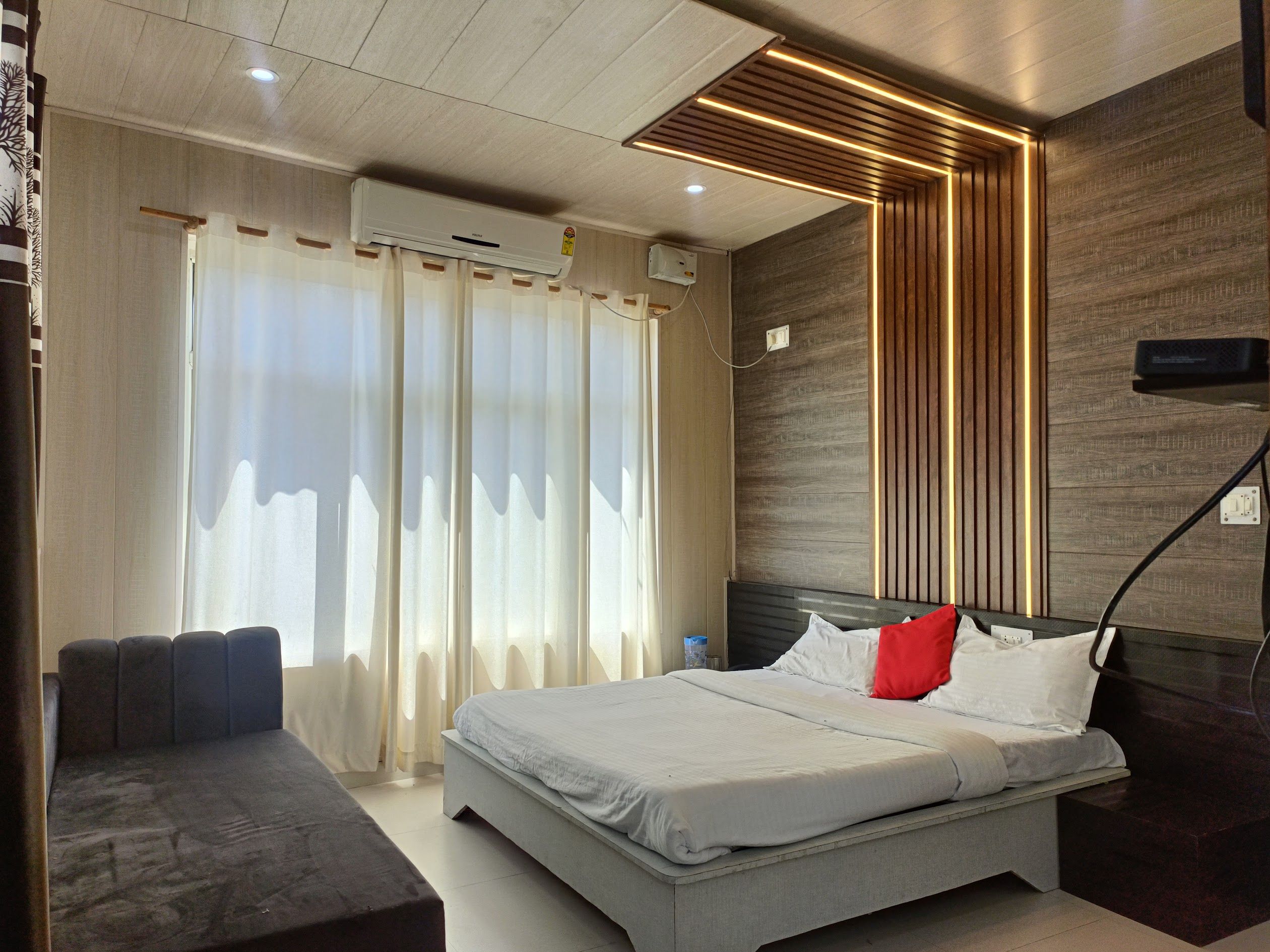
Stays near Govind Pashu Vihar Wildlife Sanctuary
Book a place to stay close by
More places near Govind Pashu Vihar Wildlife Sanctuary
Within 20 km


Built from 0 Instagram posts by 0 creators. Every tip links back to the post it came from, and where creators disagree we show both sides.






