
Juda Ka Talab
Lake near Uttarkashi, Uttarakhand
2.3 km from Uttarkashi
The nearest town, for stays, food and fuel.
Juda Ka Talab is a scenic high-altitude glacial lake nestled amid dense pine and oak woodlands in the Uttarkashi district of Uttarakhand. Widely recognized as a signature halting point and campsite on the path to high mountain ridges, the lake is celebrated for its serene natural setting and striking seasonal shifts. Outdoor lovers journey here to experience undisturbed Himalayan wilderness, quiet lake shores, and crisp alpine air.
Getting there
By road
- From UttarkashiNearest town6 min · 2.7 km
- From Dehradun3 hr 30 min · 140 km
- From Chandigarh6 hr 45 min · 330 km
- From New Delhi7 hr 5 min · 370 km
Typical drive times without traffic. Stations and airports from OLA Maps; distances and typical drive times from OpenStreetMap (© OpenStreetMap contributors); notes from creators' Reels.
About Juda Ka Talab
Written with AI from map data and general knowledge. Check prices and timings locally before you go.
The charm of Juda Ka Talab
Juda Ka Talab sits on a mountain clearing in the Garhwal Himalayas of Uttarkashi district, framed by dense woods of pine, oak, and deodar. The lake rests in an elevated hollow that gathers runoff from higher slopes, creating an emerald water body in the summer months and a solid expanse of ice through the winter. Local lore often speaks of the waters as interconnected or spiritually significant, yet for most travellers, the primary appeal is the absolute quietude of the surrounding landscape.
The immediate setting of Juda Ka Talab is a wide, gentle clearing hemmed in by tall trees that guard against fierce valley winds. Sunlight filters softly through the canopy during the day, illuminating the reflections of branches on the clear surface of the water. At night, the clearing opens up to uninterrupted vistas of high-altitude mountain skies, making the lake a beloved stop for naturalists, photographers, and trekkers.
The trek to Juda Ka Talab
Reaching Juda Ka Talab requires traversing scenic mountain paths that wind upward through the forested foothills of Uttarkashi. The trail climbs progressively through sheltered woodland corridors where the fresh aroma of pine needles and damp earth accompanies the journey. Along the way, hikers cross small seasonal brooks, traverse clearing pastures used by local herders, and catch occasional glimpses of far-off snow peaks peeking above the tree line.
The climb involves a moderate gradient that tests stamina without demanding technical climbing skills. The trail alternates between earthen footpaths cushioned with fallen leaves and steeper, stone-strewn switchbacks. Hikers frequently take breaks beneath broad oak branches to catch their breath and watch for regional Himalayan birds. Stepping out of the woodland cover onto the open, grassy banks of Juda Ka Talab provides an immense sense of reward.
Read more
Best time to visit Juda Ka Talab
The atmosphere at Juda Ka Talab changes dramatically across the seasons. Winter, from December through February, is when the lake takes on its most iconic look. Sub-zero temperatures freeze the entire water surface solid, while deep blankets of snow cover the shoreline and weigh down the surrounding tree branches. Trekking across snow-covered trails to reach a frozen lake is a classic winter mountaineering experience.
In contrast, spring and early summer from April to June bring warmth, vibrant green hues, and flowing mountain waters. The snow recedes to unveil lush meadows dotted with wild blossoms, and the lake mirrors bright blue skies. Daytime temperatures during these months are remarkably pleasant for hiking. Autumn, particularly October and November, provides crisp weather, extraordinarily sharp visibility across the surrounding valleys, and clear evening skies before the first major snowfalls arrive.
What to do around Juda Ka Talab
Because Juda Ka Talab is an undeveloped wilderness setting, the activities here focus on embracing nature and slowing down. Wilderness camping is the quintessential experience. Setting up tents on the open clearings near the lake allows visitors to experience the shift from the pink hues of sunset to the deep quiet of a mountain night.
Stargazing is another remarkable draw. Far from urban light pollution, the night sky displays countless constellations, shooting stars, and the glowing trail of the Milky Way arching over the dark pine canopy. Early mornings invite peaceful exploration along the lakeshore, observing local fauna, and photographing the morning mist lifting off the meadows as the sun crests the ridge.
How to reach Juda Ka Talab
Journeys to Juda Ka Talab typically commence from major transit hubs in Uttarakhand, such as Dehradun or Rishikesh, both of which are accessible by rail and extensive road networks from national centres like Delhi. Dehradun also provides air connectivity via the regional airport. From these hubs, the route heads into the interior valleys of Uttarkashi district.
Road travel winds alongside roaring rivers and through terrace-farmed hamlets towards the base trailheads. Public buses and shared regional vehicles operate across these hill corridors, though private vehicle hires provide greater convenience for carrying outdoor gear. Once you reach the mountain staging villages, the remainder of the trip to Juda Ka Talab is completed on foot along established mountain trails. Always check local road and weather forecasts before setting out.
Tips for your visit
Preparing properly is vital when visiting a high-altitude wilderness location like Juda Ka Talab. Weather conditions can change abruptly, so carrying reliable layers is essential. Even during summer, temperatures plunge after sunset, while winter calls for heavy thermal wear, insulated jackets, gloves, and warm headgear.
Wear broken-in trekking footwear with dependable grip to handle slick mud, loose rock, and snow. Stay well-hydrated during the ascent and carry a personal water bottle, as walking uphill at altitude can cause dehydration quickly. Most importantly, strictly practice Leave No Trace principles. Carry all plastic and waste back down the mountain, as there are no waste disposal systems at high altitudes, and preserving the lake's pristine condition is the collective responsibility of all visitors.
Where to stay near Juda Ka Talab
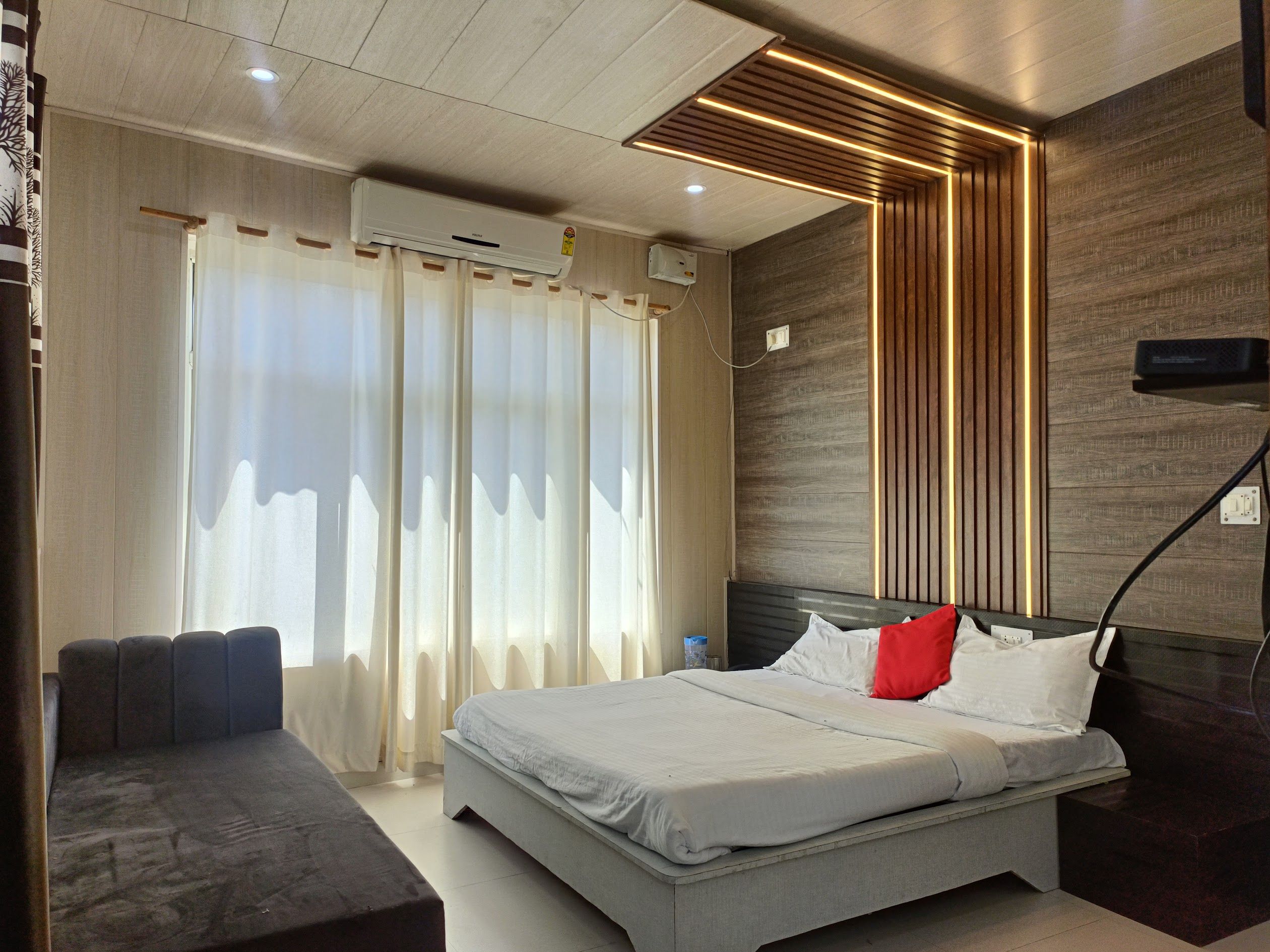
Directly at Juda Ka Talab, accommodation is limited to alpine camping in designated open spaces, where trekkers sleep in pitched tents amidst the woodland clearing. These setups offer an authentic outdoor experience immersed in the rhythms of the forest.
For those seeking traditional lodgings before beginning or after finishing their hike, the base villages and towns of Uttarkashi district offer a selection of rustic wooden homestays, rural retreats, and valley guesthouses. You can easily find and reserve pleasant riverside campsites, traditional homestays, and mountain cabins throughout the area on HireACamp.
Frequently asked questions
Does Juda Ka Talab freeze in the winter?
Yes, during the peak winter months from December to February, temperatures drop well below freezing, turning the lake into a thick sheet of solid ice.
How difficult is the hike to Juda Ka Talab?
The trek to Juda Ka Talab is considered moderately easy, involving a steady upward climb through forested trails that is accessible to beginners with basic physical fitness.
Can travellers camp at Juda Ka Talab?
Camping is widely permitted in designated open areas near the lake, providing travellers with a classic wilderness overnight experience under the stars.
What is the nearest major town to Juda Ka Talab?
Uttarkashi serves as the primary regional hub, while Dehradun is the nearest major transit city connecting to the trailhead routes.
What should I pack for a trip to Juda Ka Talab?
Essential gear includes sturdy trekking shoes, warm layered clothing, a windproof and waterproof outer jacket, a headlamp, and a reusable water bottle.
Where you'll be
uttrakhand, Uttarkashi · 1 stay nearby shown with prices
Stays near Juda Ka Talab
Book a place to stay close by
More places near Juda Ka Talab
Within 20 km


Built from 0 Instagram posts by 0 creators. Every tip links back to the post it came from, and where creators disagree we show both sides.






