
Irpu
Destination in Karnataka
Irpu is a tranquil hamlet nestled in the southern reaches of Kodagu district in Karnataka, right along the forested boundary where the Western Ghats meet northern Kerala. Renowned primarily for the cascading Irupu Falls and the ancient Rameshwara Temple, it draws nature lovers, pilgrims, and trekkers looking to immerse themselves in rich greenery and coffee estates. Its prime location near renowned wildlife corridors makes it a peaceful base for exploring the dense deciduous and evergreen forests of the region.
Getting there
By road
- From Mysuru2 hr 55 min · 119 km
- From Mangaluru4 hr 30 min · 205 km
- From Bengaluru5 hr 10 min · 266 km
- From Coimbatore6 hr 10 min · 258 km
Typical drive times without traffic. Stations and airports from OLA Maps; distances and typical drive times from OpenStreetMap (© OpenStreetMap contributors); notes from creators' Reels.
About Irpu
Written with AI from map data and general knowledge. Check prices and timings locally before you go.
What Irpu is known for
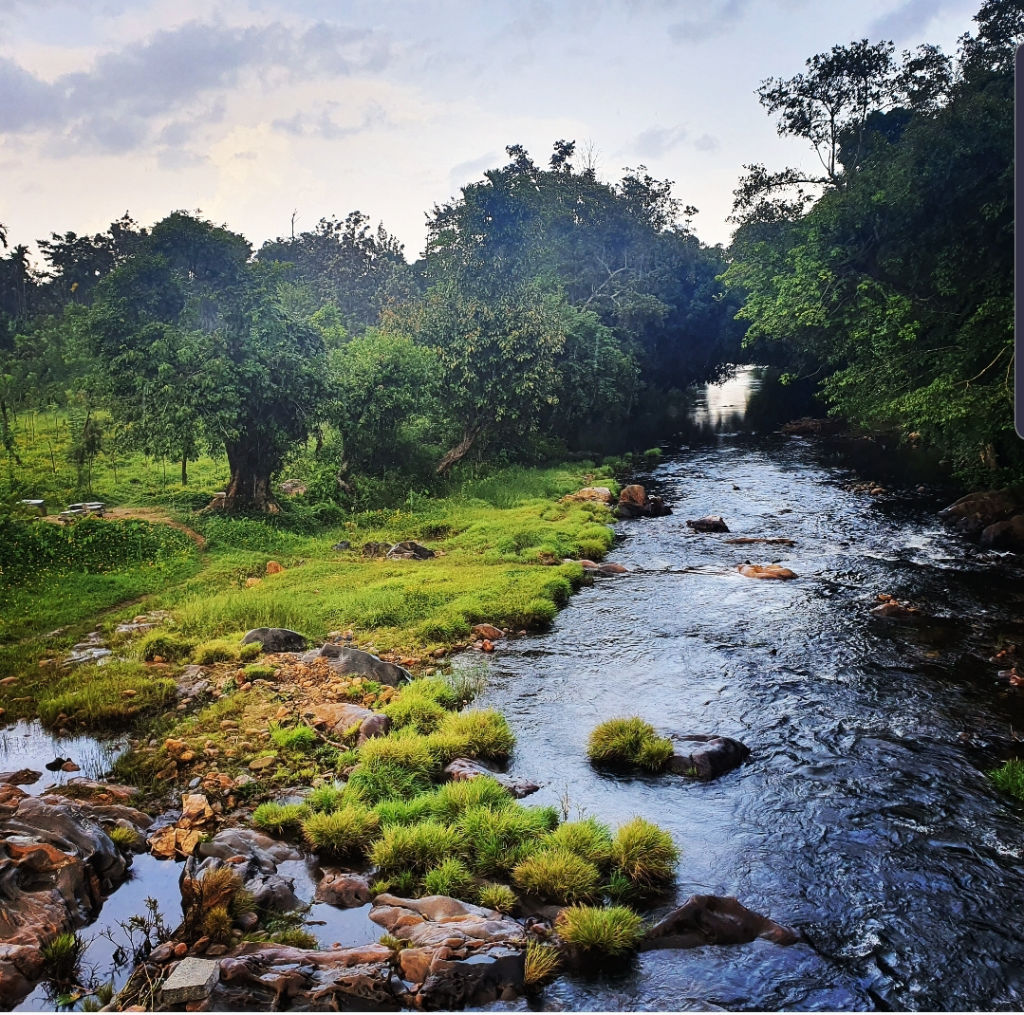
Irpu, often spelt Irupu, is celebrated across South India for its pristine natural beauty, deep spiritual roots, and prime position at the base of the Brahmagiri hill range. The settlement centres around the sacred Lakshmana Tirtha River, a tributary of the Cauvery, which plunges down a rocky cliff face to form the famed Irupu Falls. Legend links the river and the adjacent Rameshwara Temple to episodes from the Ramayana, making the town an enduring destination for pilgrims, especially during the festival of Shivaratri.
Beyond mythology, Irpu represents the quieter, wilder side of southern Coorg. Far from busy commercial centers, the village is enveloped by sprawling coffee and pepper plantations, bamboo thickets, and native shola woodland. It sits adjacent to protected forest reserves, allowing visitors to experience the vibrant biodiversity of the Western Ghats without the dense tourist crowds seen in larger district hubs.
Things to do in Irpu
The primary highlight for any traveller visiting the settlement is a scenic walk to Irupu Falls. A designated pathway leads through forested terrain and over wooden footbridges, tracing the course of the stream. Approaching the falls, the roar of water grows louder as the spray creates a refreshing mist beneath the canopy. Visitors often spend hours sitting along the boulder-strewn riverbed, watching the cool water rush past and listening to the calls of forest birds.
Near the base of the trail stands the historic Rameshwara Temple, dedicated to Lord Shiva. The temple features traditional regional architecture with a tiled roof and an open courtyard framed by tall trees. A quiet walk around the temple premises offers a look into local cultural traditions and classical Coorg temple customs.
Exploring the village on foot is another rewarding experience. Quiet country roads wind past expansive coffee estates where pepper vines cling to tall shade trees. Taking an early morning walk through Irpu reveals rural agricultural life, with plantation workers tending to crops and vibrant bird species flitting between the canopy branches.
Read more
Places to visit around Irpu
Irpu's geographic location near interstate borders places it within easy reach of several prominent wilderness reserves and cultural landmarks. Just a short drive to the east lies Nagarahole National Park, known for its high density of Asian elephants, tigers, leopards, and herds of spotted deer. A morning or afternoon safari through the national park offers an opportunity to experience one of India's premier tiger reserves.
Across the southern border in Kerala lies the Wayanad Wildlife Sanctuary, an integral part of the Nilgiri Biosphere Reserve. The contiguous forests between Nagarahole and Wayanad provide continuous habitat for wildlife, making scenic drives through the border area a memorable experience where wild ungulates and bird species are frequently spotted along forest edges.
Travelers interested in heritage and temple architecture can venture towards northern Wayanad to explore historic sites such as the ancient Trishileri Temple and the Valliyoorkavu Temple near Mananthavady. Further cultural stops in the vicinity include historical monuments like the Pazhassi Raja Tomb, as well as the Jain temple ruins around Panamaram, which reveal centuries of trade and religious history across the Kodagu and Wayanad hills.
Best time to visit
The best time to visit Irpu depends largely on whether you prefer roaring waterfalls or comfortable outdoor weather. The post-monsoon months from September to December are widely considered the most appealing. During this window, the surrounding forests are intensely green, the Lakshmana Tirtha River flows in full force, and temperatures remain pleasantly cool for walking and sightseeing.
Winter, lasting from December through February, brings clear blue skies, crisp mornings, and comfortable afternoons. This period is particularly suitable for birdwatching, plantation walks, and visiting nearby national parks for wildlife sightings.
The summer months between March and May are warmer, though temperatures in Irpu generally stay more moderate than in the lowland plains due to the elevation and forest cover. The monsoon season from June to August brings torrential downpours to this part of the Western Ghats. While heavy rain swells the waterfall to an impressive volume, slippery trails and regional travel disruptions mean that monsoon visits require careful preparation and appropriate waterproof gear.
How to reach Irpu
Irpu is situated in southern Kodagu and can be accessed comfortably by road from major cities in Karnataka and Kerala. The nearest major railhead is in Mysuru, located approximately 110 kilometers away, from where taxis and state transport buses are readily available. Kannur International Airport and Kozhikode Airport in Kerala, as well as Kempegowda International Airport in Bengaluru, serve as convenient air gateways for domestic and international travellers.
From Bengaluru, the drive spans roughly 250 kilometers via Mysuru, Hunsur, and Kutta. The journey passes through scenic agricultural plains before climbing gently into the plantation country and deciduous woodland bordering the district. Roads leading to Irpu are generally paved, though smaller approach lanes through villages and plantations can be narrow.
Local transport within the immediate area is limited, so having your own vehicle or hiring a private taxi from nearby towns like Kutta, Gonikoppal, or Mananthavady provides the most flexibility for exploring Irpu and surrounding attractions.
Tips for your visit
When planning an excursion to the falls and temple, wear sturdy footwear with good grip. The stone paths, wooden steps, and wet boulders near the water can become very slippery, particularly following rainfall. Staying on designated pathways ensures personal safety and helps protect the fragile riverine ecosystem from soil erosion.
Because Irpu sits near the buffer zones of dense forests, leeches are common along damp trails during and immediately after the monsoon season. Carrying salt, leech socks, or insect repellent is advisable if you intend to walk through forested paths or plantation borders. Always check the weather forecast before heading out on woodland walks.
Respect the local environment by carrying all non-biodegradable waste back out with you. Plastics and litter pose a severe hazard to native wildlife that frequently wanders near village boundaries. For local entry requirements, forest permits, or safari timings for neighbouring parks, enquire locally upon arrival to get up-to-date guidance.
Where to stay in Irpu
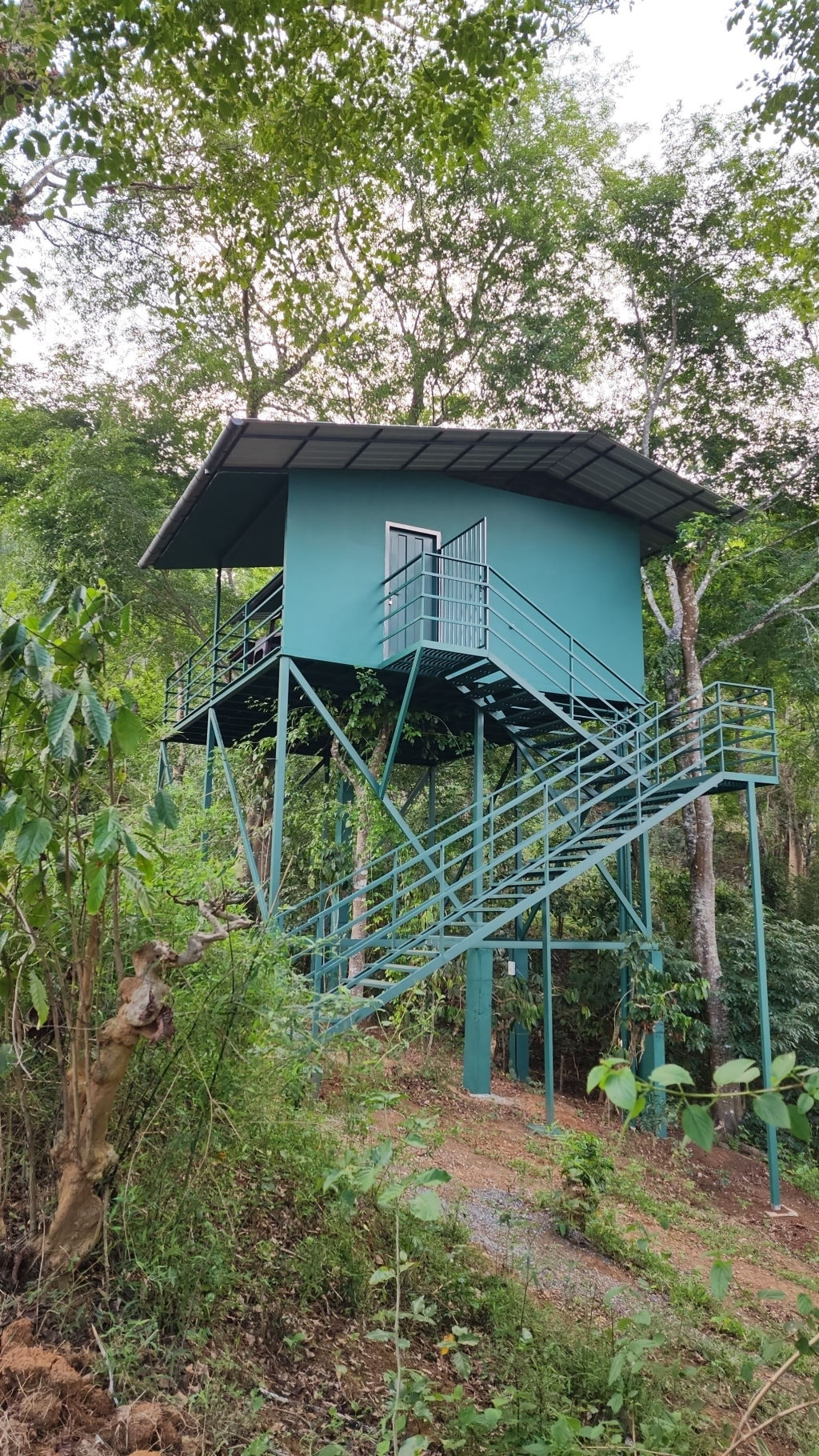
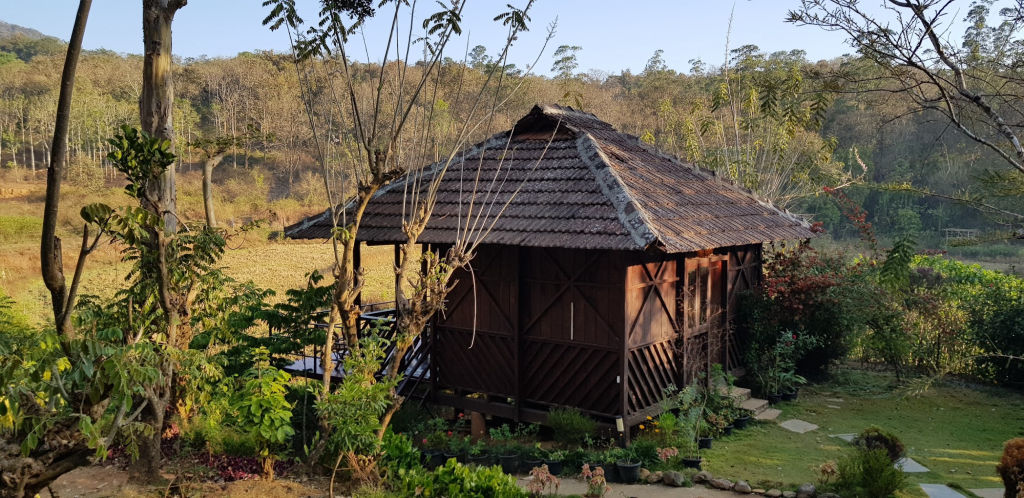
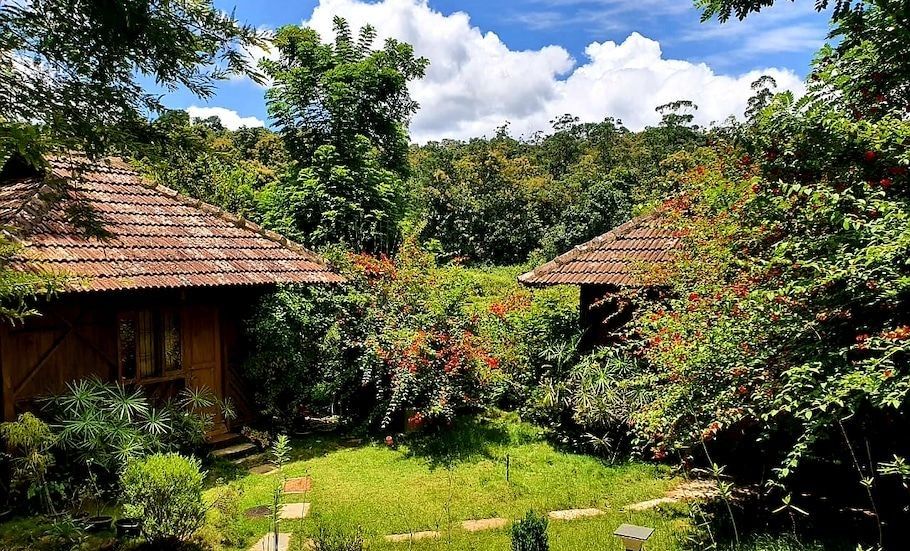
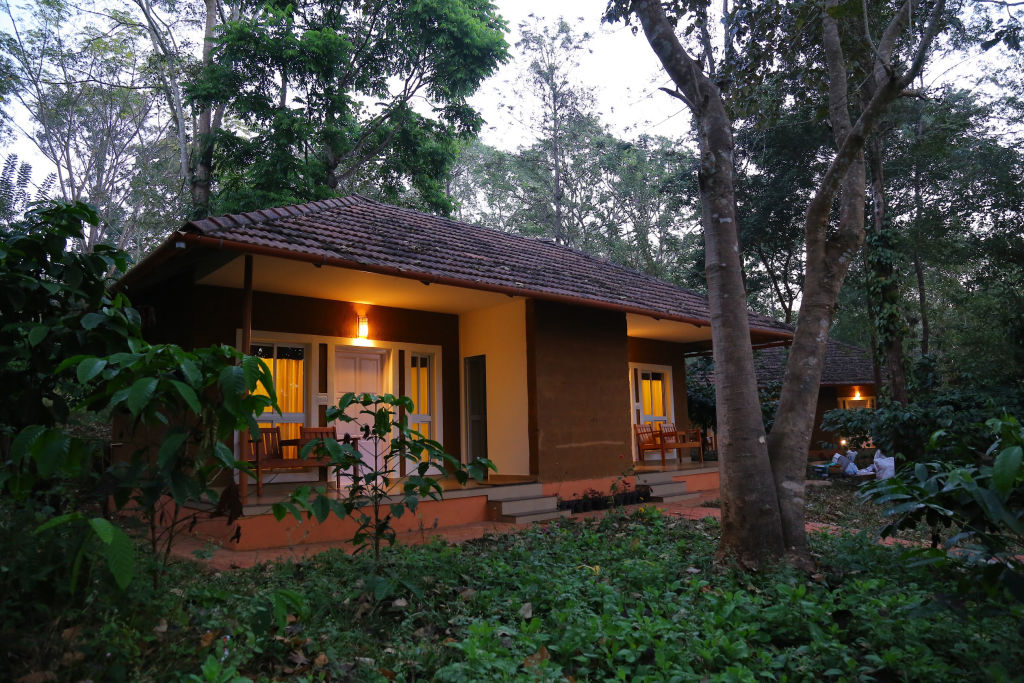
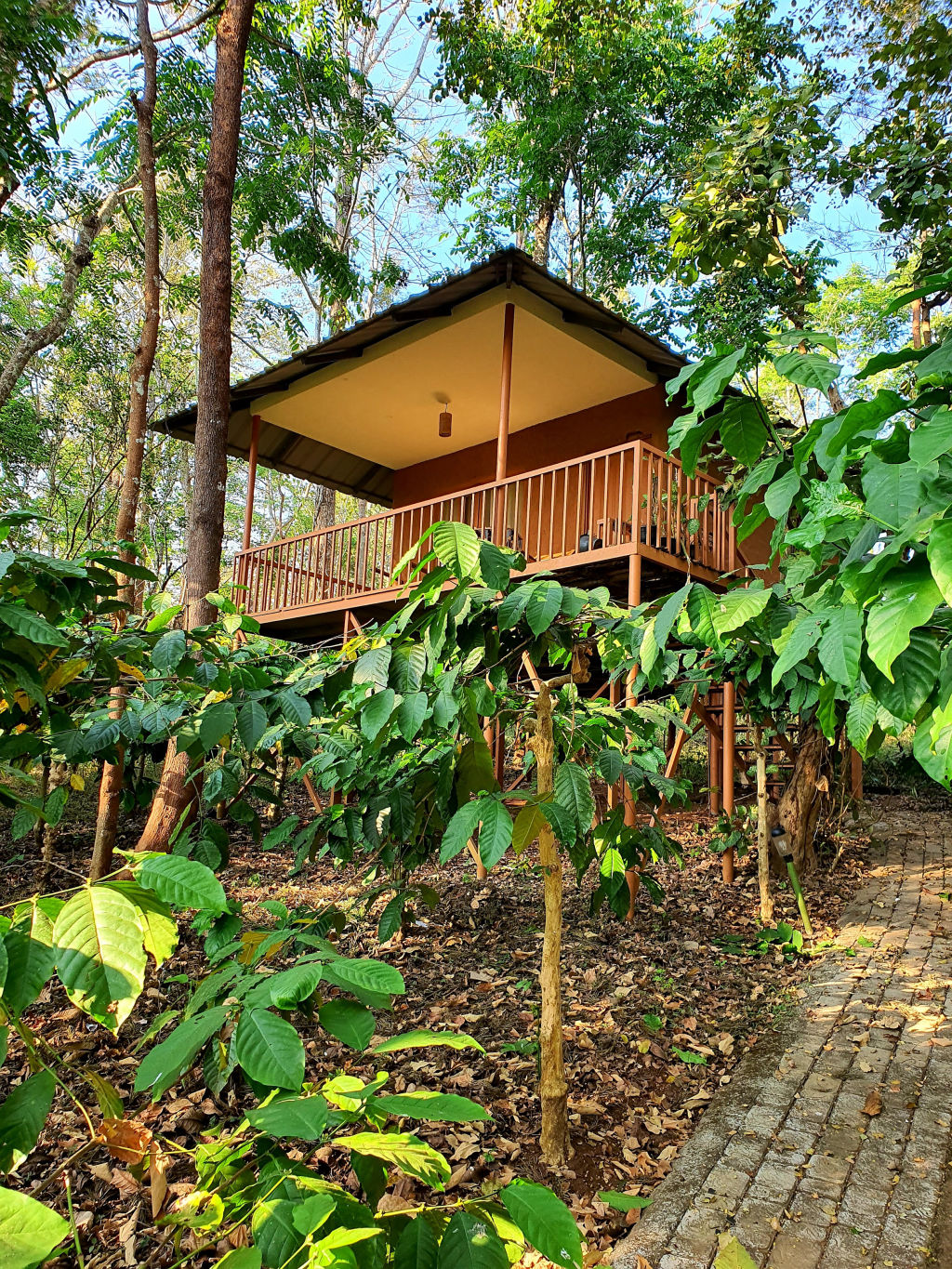
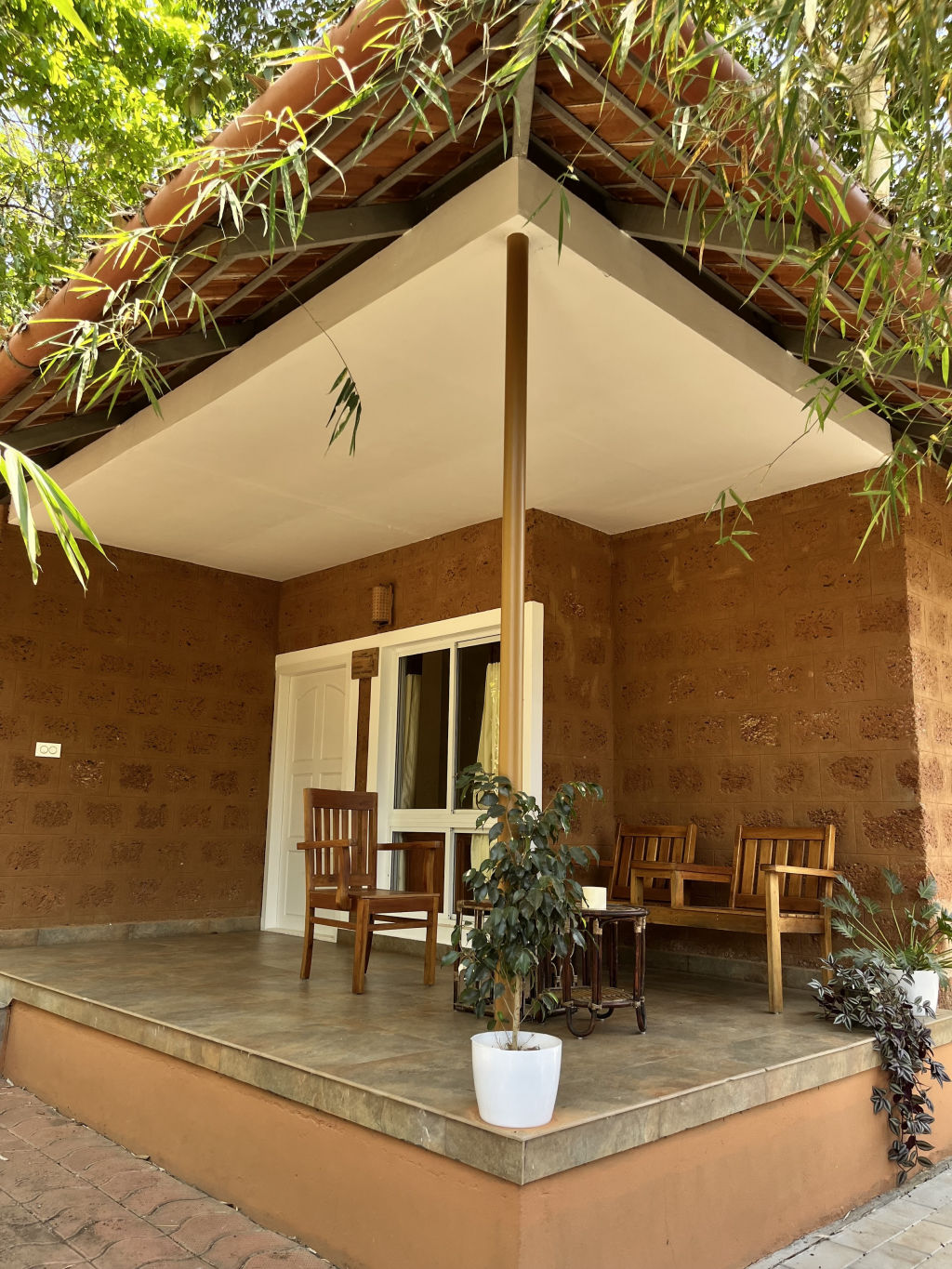
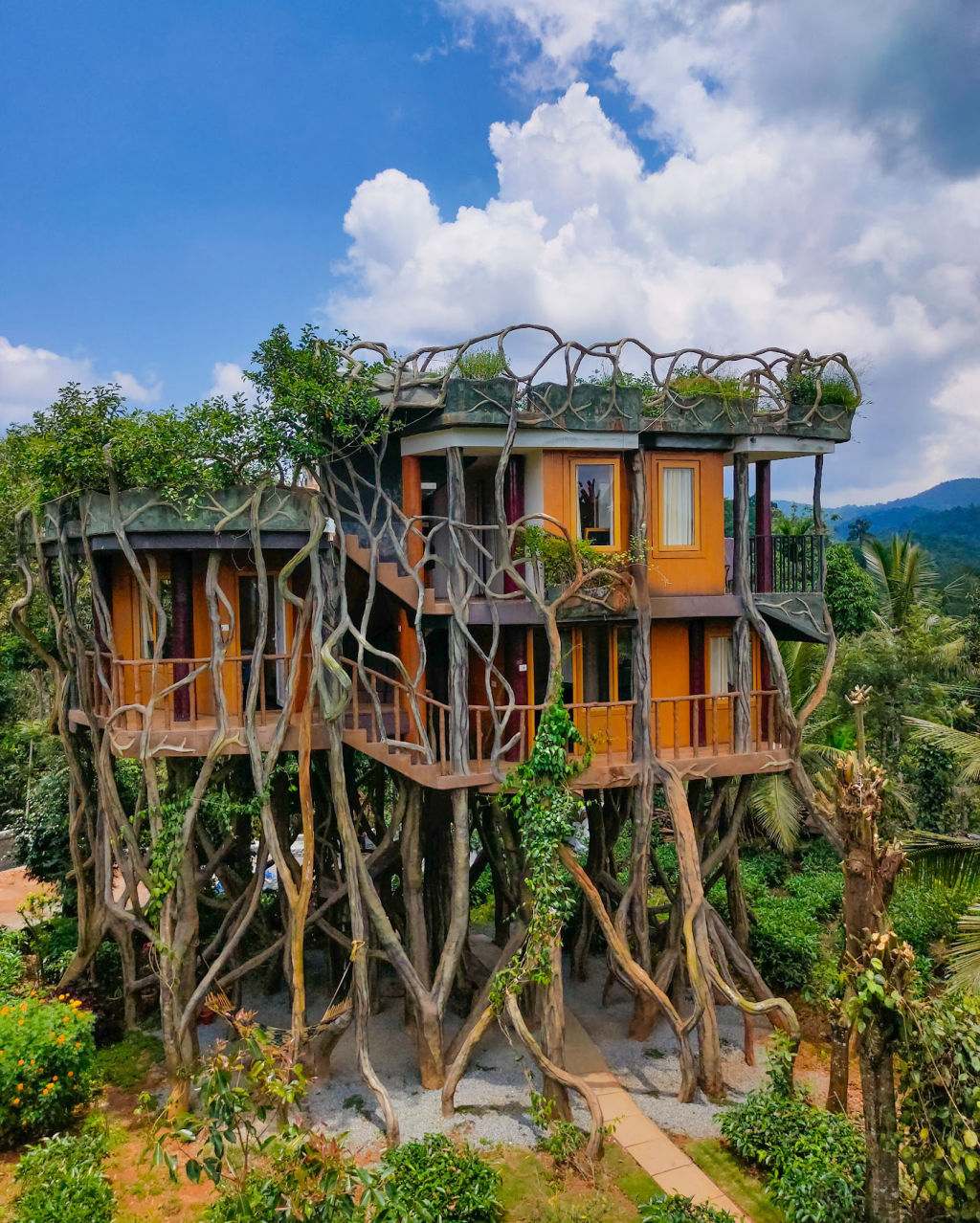
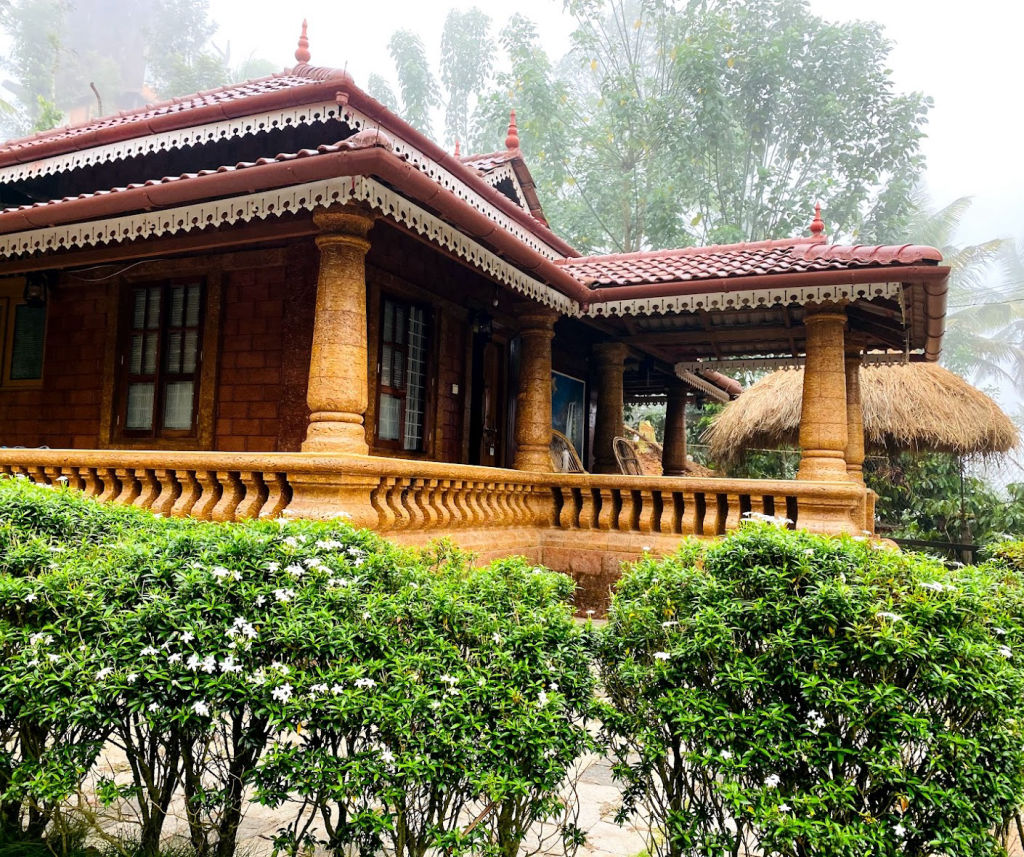
Accommodation options in and around Irpu cater primarily to travellers who appreciate tranquil settings and immersion in nature. Traditional plantation homestays set within working coffee and spice estates offer personal hospitality and home-cooked regional Kodava cuisine, allowing guests to experience the warm local way of life.
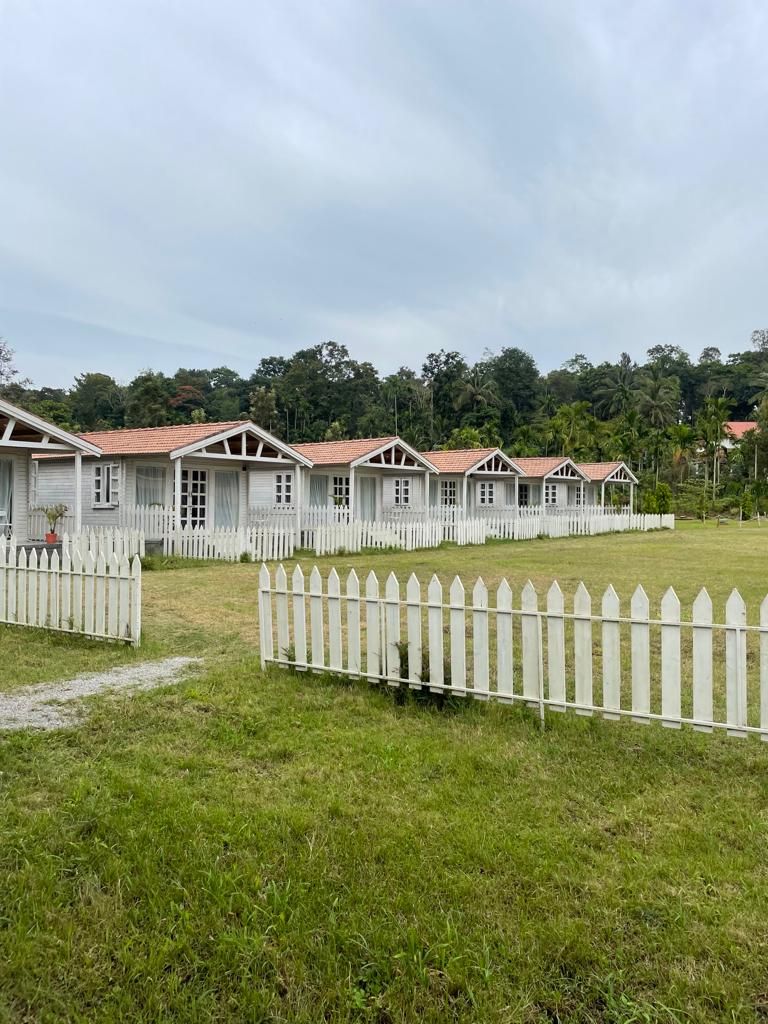
For those who prefer open-air living, rustic campsites and nature retreats operate in the nearby foothills, providing peaceful spots to stargaze beneath clear night skies. Stays, riverside camps, and nature retreats in and around Irpu can be easily discovered and booked on HireACamp to suit your travel style.
Frequently asked questions
What is Irpu most famous for?
Irpu is best known for the majestic Irupu Falls, a perennial cascade fed by the Lakshmana Tirtha River, and the sacred Rameshwara Temple situated along the route to the falls.
Is trekking allowed at Irupu Falls?
There is a well-maintained walking trail from the temple entrance up to the waterfall viewpoint. Longer treks leading into the Brahmagiri sanctuary require local forest department permissions, which should be verified on-site before your visit.
Which national parks are close to Irpu?
Both Nagarahole National Park in Karnataka and Wayanad Wildlife Sanctuary in Kerala are located within short driving distance from Irpu, making the village an excellent base for wildlife enthusiasts.
Can I visit Irpu during the monsoon?
Yes, but be prepared for heavy rainfall, slippery stone paths, and active leeches along trails. The waterfall is at its most dramatic during this time, but extra caution is necessary when walking near the river.
How do I find accommodation in Irpu?
You can find local plantation homestays, nature retreats, and outdoor stays around Irpu by exploring the listings on HireACamp.
Where you'll be
10 stays nearby shown with prices
Stays near Irpu
Book a place to stay close by
Things to do in Irpu
48 places creators recommend within 30 km


Built from 0 Instagram posts by 0 creators. Every tip links back to the post it came from, and where creators disagree we show both sides.






