
Jagatsukh
Destination in Himachal Pradesh
Jagatsukh is an ancient village located along the left bank of the Beas River in the Kullu Valley of Himachal Pradesh. Once the historic capital of the Kullu kingdom, it is celebrated for its centuries-old temples, quiet apple orchards, and sweeping views of the Pir Panjal range. Travellers come to Jagatsukh to experience authentic Himachali village life, explore scenic walking trails, and enjoy a peaceful mountain retreat away from crowded tourist hubs.
Getting there
By road
- From Chandigarh5 hr 40 min · 265 km
- From Ludhiana6 hr 5 min · 295 km
- From Amritsar8 hr 10 min · 406 km
- From Dehradun9 hr · 447 km
Typical drive times without traffic. Stations and airports from OLA Maps; distances and typical drive times from OpenStreetMap (© OpenStreetMap contributors); notes from creators' Reels.
About Jagatsukh
Written with AI from map data and general knowledge. Check prices and timings locally before you go.
The heritage and history of Jagatsukh
Jagatsukh holds a revered place in the cultural geography of Himachal Pradesh. Long before the seat of power was shifted to Naggar and later Sultanpur in Kullu, Jagatsukh served as the original capital of the ancient Kullu kingdom. Its historical lineage remains visible in the traditional architecture and classical monuments that dot the village landscape. The settlement exhibits an earthy charm where traditional kath-kuni style houses, built with alternating layers of interlocking deodar timber and local stone, sit comfortably against the backdrop of snow-dusted peaks.
The village is particularly famous for its sacred architecture, most notably the ancient Gaurishankar Temple dedicated to Lord Shiva. Constructed in the classic shikhara style of stone carving, this temple dates back many centuries and displays intricate reliefs etched into weathered grey stone. Another prominent spiritual site is the Sandhya Gayatri Temple, dedicated to the goddess Gayatri. Worshippers and history enthusiasts walk through the quiet temple courtyards to admire wooden carvings that depict mythological motifs and indigenous craftsmanship. These heritage structures anchor the village and provide a tangible connection to the early medieval history of the upper Kullu Valley.
Things to do in Jagatsukh
Wandering through the village lanes of Jagatsukh offers a calm alternative to the commercial bustle of larger tourist towns. Visitors can spend unhurried mornings walking through expansive apple and plum orchards that sweep across the valley slopes. During the blossoming season, the air carries a delicate floral perfume, while late summer brings branches weighed down with ripening fruit. Engaging with local residents offers a genuine glimpse into agrarian hill life, from seasonal farming practices to traditional loom weaving and woodcraft.
Photography is another rewarding pursuit in Jagatsukh. The elevated vantage points across the village provide panoramic views of the Pir Panjal range, deep pine-clad ravines, and the silver ribbon of the Beas River below. For those seeking quiet contemplation, spending an afternoon beside one of the bubbling mountain streams that feed into the river valley brings a deep sense of stillness. You can also sample freshly prepared regional dishes made from locally sourced grains, pulses, and wild mountain herbs in local village eateries and homestays.
Read more
Treks and outdoor trails around Jagatsukh
For trekkers and nature lovers, Jagatsukh serves as a premier starting point for diverse mountain expeditions. The most famous route originating from the village is the challenging trail towards the Deo Tibba Base Camp. This trek winds through dense deodar and oak forests, ascends across subalpine meadows, and leads up to moraine ridges offering close-up perspectives of Mount Deo Tibba and Indrasan. Along the way, hikers encounter vast meadows adorned with seasonal alpine wildflowers, gushing torrents, and shepherd encampments.
Apart from multi-day expeditions, the terrain surrounding the village is ideal for leisurely day hikes and forest walks. Narrow footpaths meander upwards from the village towards quiet clearing points in the woods, where one can look out across the broader valley. Birdwatchers often spot Himalayan monals, thrushes, and raptors soaring on the thermals above the treeline. Because trail conditions and weather can change swiftly in these high altitudes, hiring a local guide from the valley for backcountry routes is always advisable.
Best time to visit Jagatsukh
Jagatsukh experiences four distinct seasons, each lending a unique atmosphere to the landscape. Spring, spanning from March to April, brings the melting of winter snows, rushing streams, and the blossoming of fruit orchards across the terraces. Daytime temperatures remain pleasant, making it comfortable for sightseeing and village walks, though evenings can still be quite crisp.
Summer, from May to June, offers an escape from the sweltering heat of the northern plains. Days are clear, bright, and warm, ideal for trekking, camping, and extended outdoor exploration. The monsoon arrives in July and lingers through August, cloaking the valley in deep green hues and low-hanging mist. While the rain creates dramatic scenery, travelling during the peak monsoon requires caution due to slippery trails and occasional road interruptions. Autumn, during September and October, is arguably one of the most picturesque times to visit. The air becomes crisp, skies turn vibrant blue, and the orchards are harvested under warm golden light. Winter settles in from November to February, bringing cold snaps, frosty mornings, and periodic snowfall that covers the rooftops and pine needles in white.
How to reach Jagatsukh
Jagatsukh is conveniently positioned on the left bank road of the Kullu Valley, roughly midway between Naggar and Manali. If you are travelling by air, the nearest airfield is the Kullu-Manali Airport at Bhuntar. From the airport, local buses and private taxis are readily available to ferry travellers northward up the valley directly to Jagatsukh.
For rail travellers, the broad-gauge railway stations at Chandigarh and Una serve as major transit hubs. From there, regular long-distance state and private buses operate daily towards Manali along the primary highway corridor. Travellers can alight near Manali or take a diversion along the scenic left bank road through Naggar to reach Jagatsukh directly. Private vehicle drives and road trips from major cities like Chandigarh and New Delhi follow smooth highways through Punjab and Haryana before ascending into the winding hill routes of Himachal Pradesh.
Places to explore nearby
Staying in Jagatsukh allows convenient access to numerous attractions within the upper Beas basin. A short drive across the river brings you into the heart of Manali, known for its vibrant marketplaces, cedar reserves, and historic temples. Heading south along the left bank leads travellers to the historic settlement of Naggar, home to the centuries-old Naggar Castle, folk art museums, and stone-carved shrines overlooking the valley.
Further down the valley, adventurous travellers can explore the entryways into the Parvati Valley, venturing towards traditional villages and hiking trails such as the route towards Kheerganga. The entire region is dotted with hidden waterfalls, pristine riverbanks, and pine ridges that make for rewarding day excursions. Exploring these surrounding valleys provides a complete picture of the diverse landscapes and cultural traditions that define Kullu and its neighbouring districts.
Where to stay in Jagatsukh
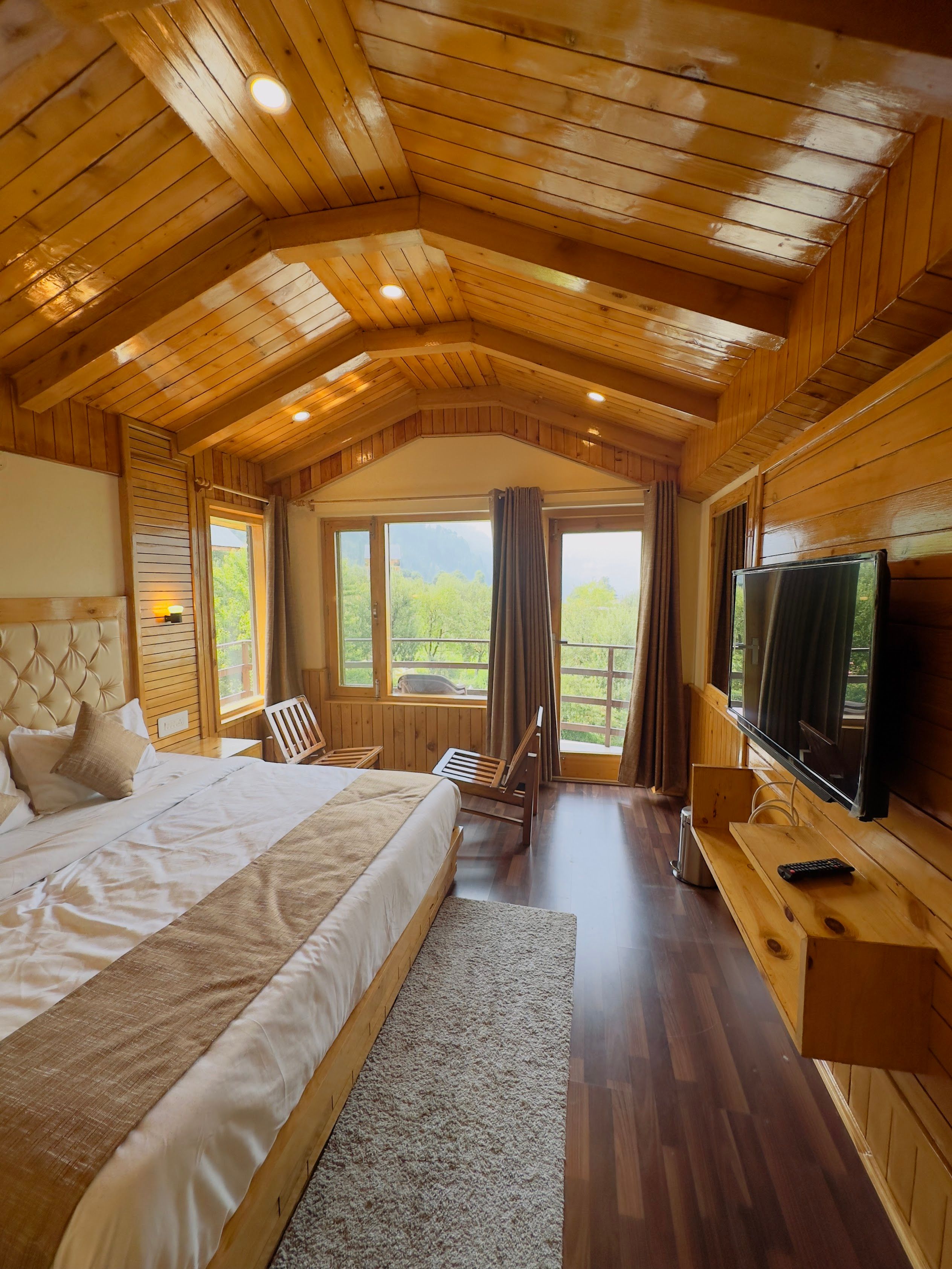
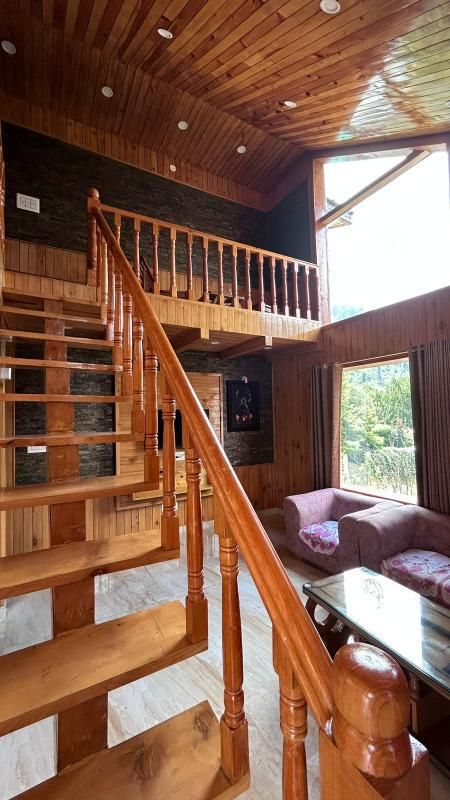
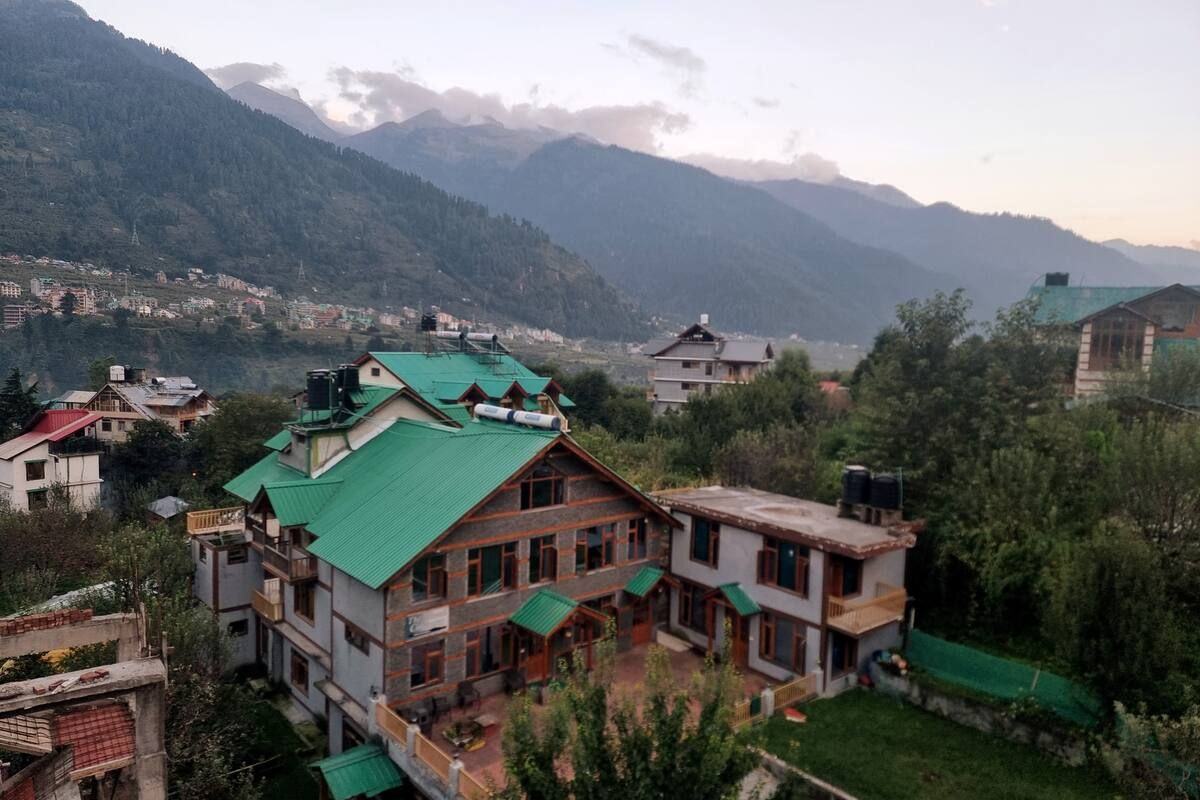
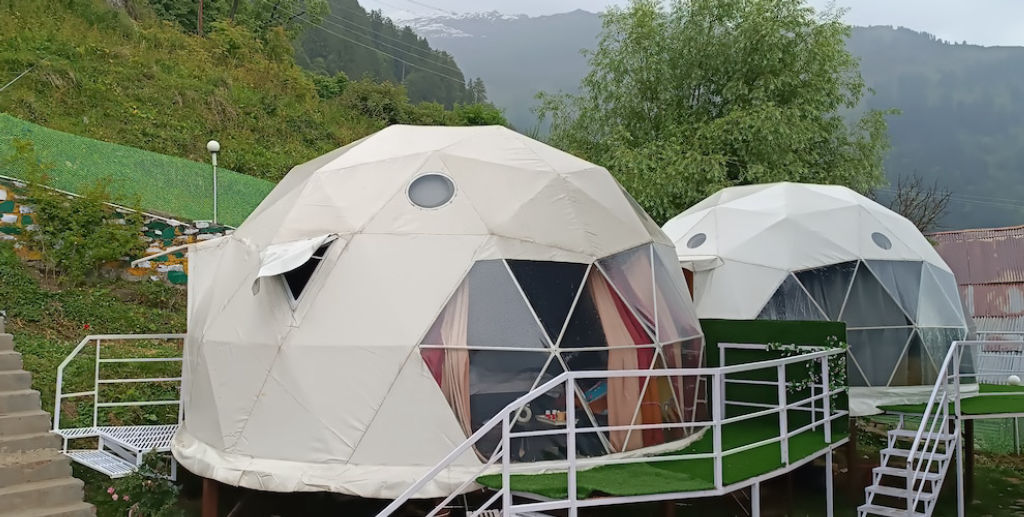
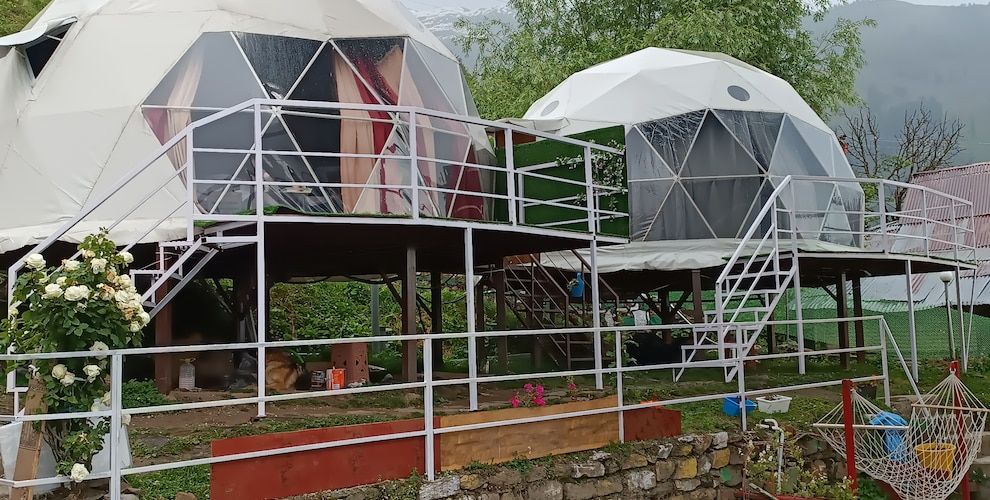
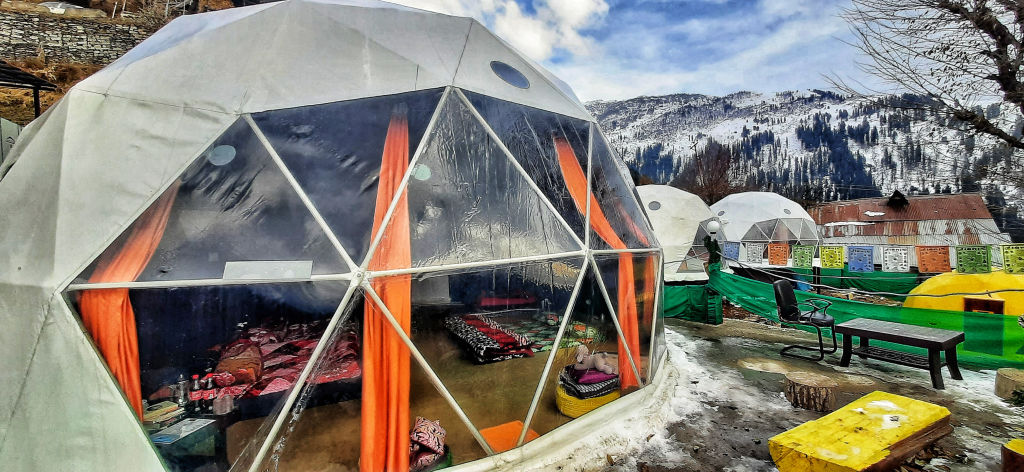
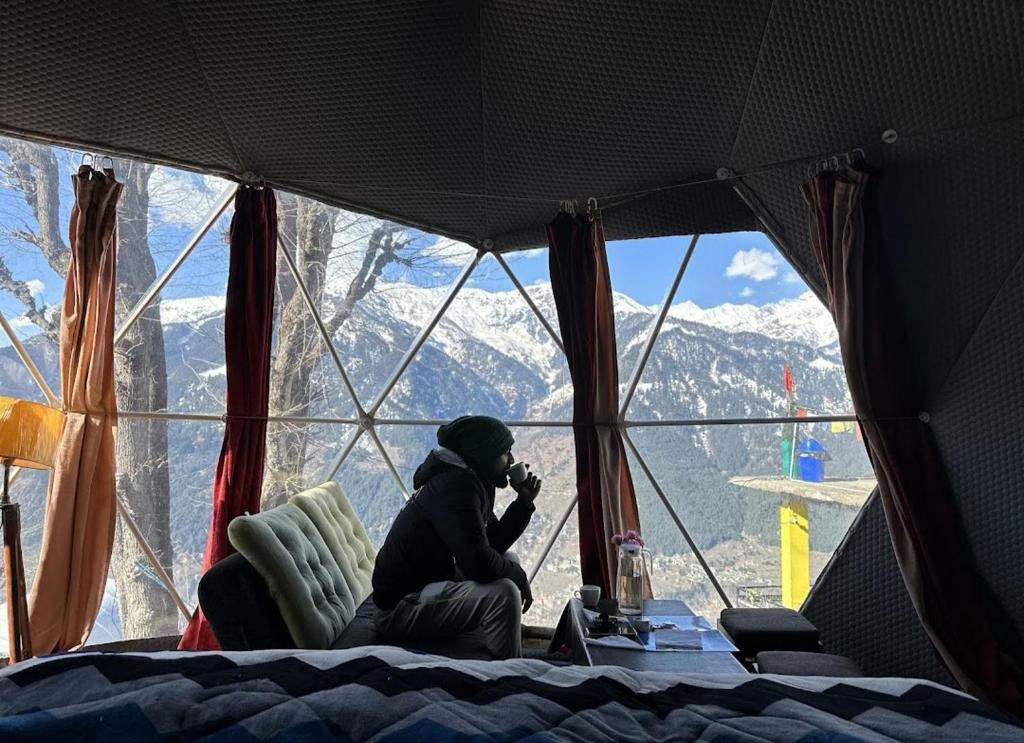
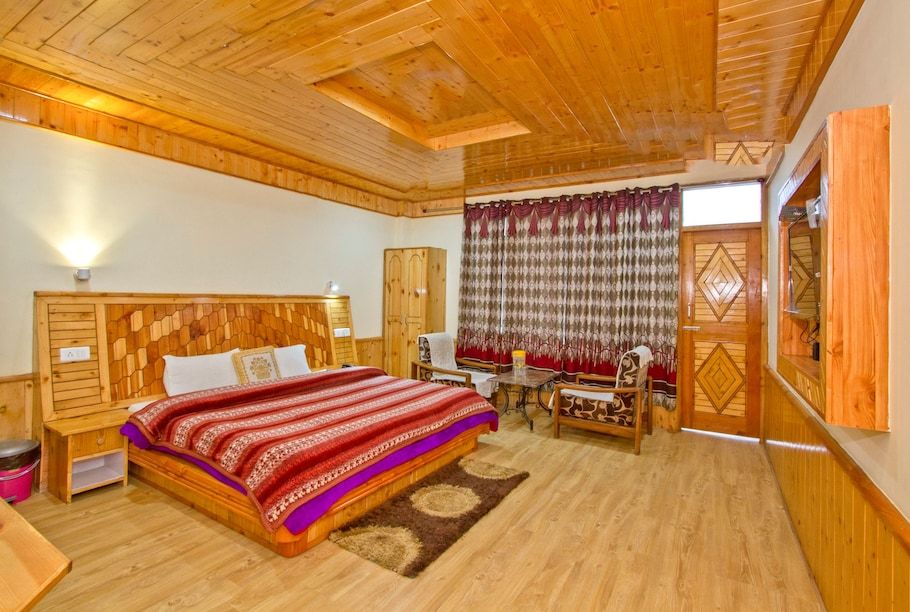
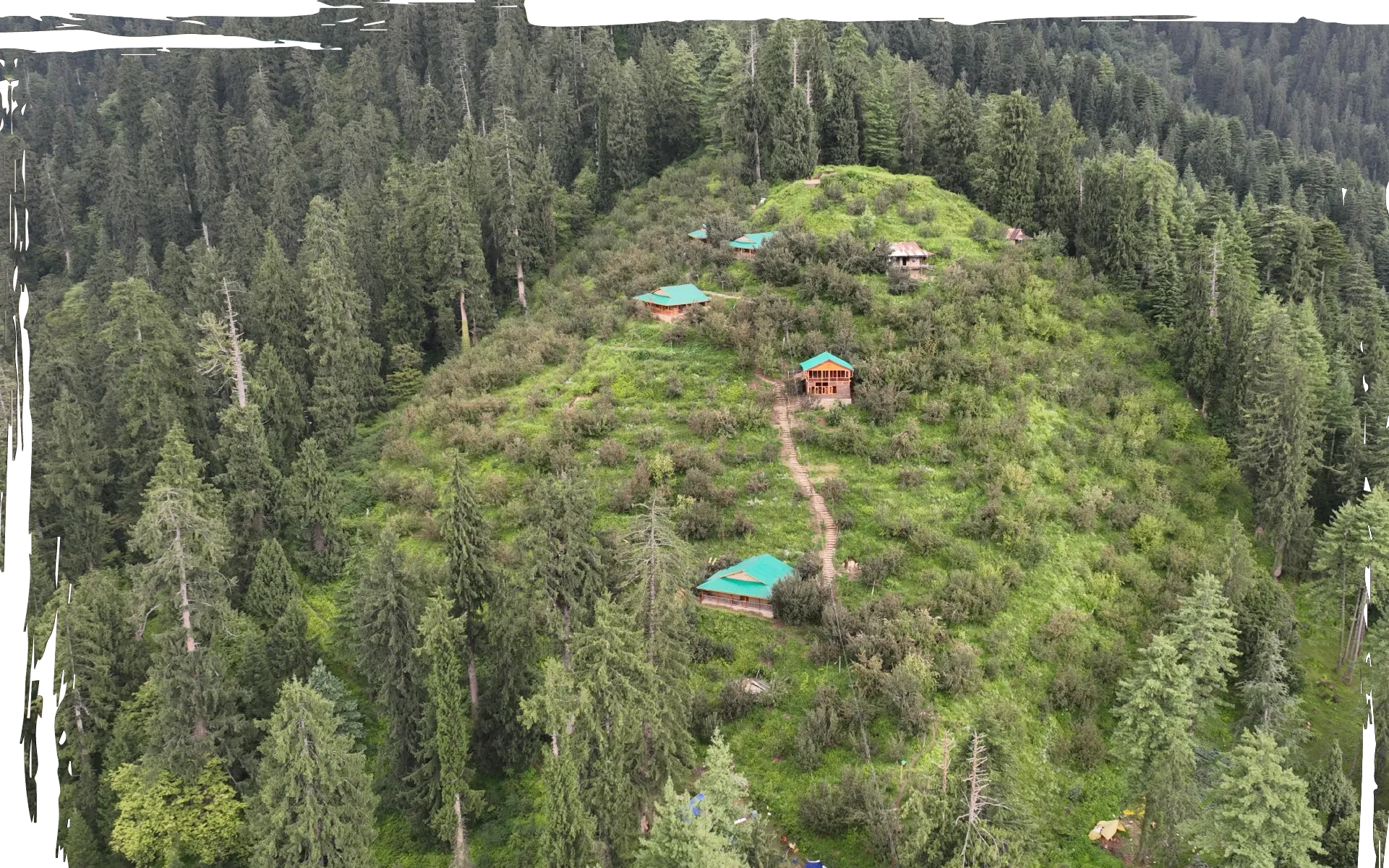
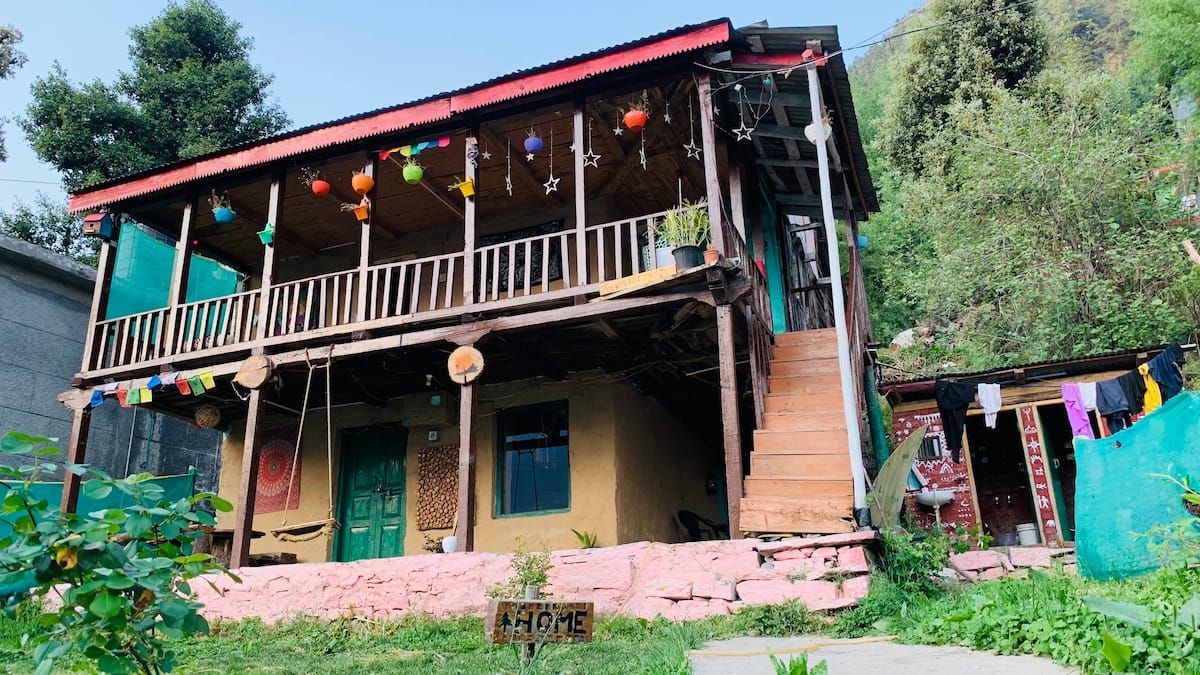
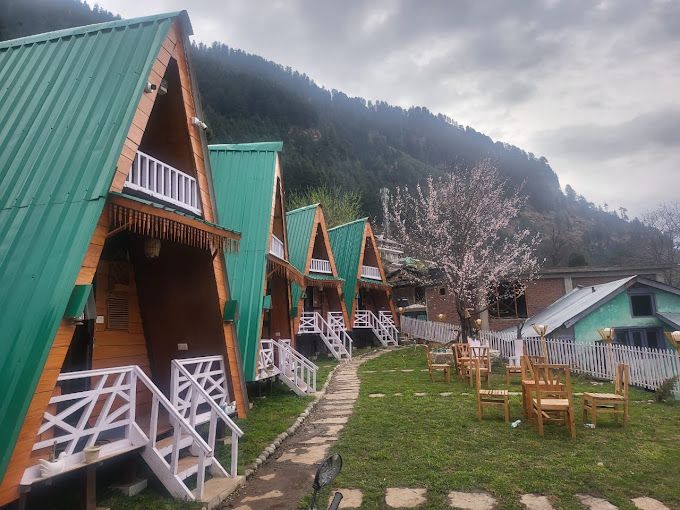
Accommodations in Jagatsukh cater to those who prefer authentic local hospitality away from crowded tourist hubs. The village features traditional wooden homestays, guesthouses, and scenic campsites set along the valley floor or nestled within apple groves. Staying in a family-run homestay offers the privilege of experiencing genuine mountain life, enjoying wholesome home-cooked Himachali meals, and listening to stories of the valley handed down over generations.
You can find and book vetted campsites, homestays, and outdoor retreats in and around Jagatsukh on HireACamp. Whether you are looking for a secluded spot to pitch a tent surrounded by pine trees or a rustic wooden cottage overlooking the snow peaks, HireACamp connects travellers with memorable outdoor stays across the region.
Frequently asked questions
What is Jagatsukh famous for?
Jagatsukh is famous for its rich history as the ancient capital of the Kullu kingdom, its traditional stone and wood architecture, and ancient spiritual sites like the Gaurishankar Temple and Sandhya Gayatri Temple.
How far is Jagatsukh from Manali?
Jagatsukh is located roughly six to seven kilometres south of Manali on the eastern bank of the Beas River, making it an easy drive or scenic walk away.
Can you do treks from Jagatsukh?
Yes, Jagatsukh serves as the traditional base for the multi-day Deo Tibba Base Camp trek, and it also features several gentle hiking trails through surrounding pine forests and apple orchards.
Does it snow in Jagatsukh?
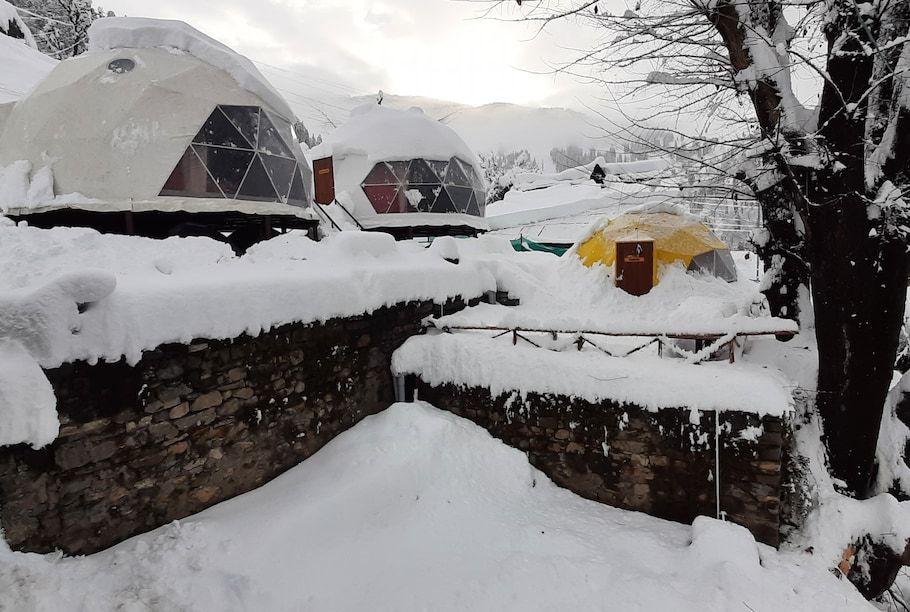
Yes, Jagatsukh receives periodic snowfall during the winter months, typically between late December and February, transforming the village and surrounding orchards into a white winter landscape.
What is the best time to visit Jagatsukh?
The best time to visit Jagatsukh depends on your preference: March to June offers pleasant weather and flowering orchards, September to October provides clear mountain vistas, and December to February is ideal for winter snow.
Where you'll be
12 stays nearby shown with prices
Stays near Jagatsukh
Book a place to stay close by
Things to do in Jagatsukh
48 places creators recommend within 30 km


Built from 0 Instagram posts by 0 creators. Every tip links back to the post it came from, and where creators disagree we show both sides.






