
Parihaspore
Ruins near Magam, Jammu and Kashmir
6 km from Magam
The nearest town, for stays, food and fuel.
Parihaspore is an ancient archaeological site located on an elevated plateau near Magam in the Kashmir Valley. Built in the eighth century as the grand capital of King Lalitaditya Muktapida, the site now features colossal stone ruins of temples, stupas, and royal chambers. Travellers and history enthusiasts visit to admire the monumental stone architecture and enjoy wide views across the surrounding paddies and mountain ranges.
Getting there
By road
- From MagamNearest town28 min · 8.8 km
Typical drive times without traffic. Stations and airports from OLA Maps; distances and typical drive times from OpenStreetMap (© OpenStreetMap contributors); notes from creators' Reels.
About Parihaspore
Written with AI from map data and general knowledge. Check prices and timings locally before you go.
The History of Parihaspore
Parihaspore, historically known as Parihaspura, was conceived and established by King Lalitaditya Muktapida of the Karkota dynasty during the eighth century. Lalitaditya envisioned the city as a thriving imperial capital, designed to outshine existing urban centres in northern India. Historical texts, including Kalhana's celebrated chronicle Rajatarangini, describe the city as a dazzling metropolis adorned with grand Buddhist stupas, expansive viharas, and magnificent Hindu shrines dedicated to Lord Vishnu.
The city remained an influential spiritual and administrative hub for decades before shifting political tides and floods altered the region's geography. Later rulers moved the administrative centre elsewhere and repurposed materials from the monuments. Over the centuries, earthquakes and natural weathering brought down the towering superstructures, leaving behind the massive monolithic foundations and carved plinths that remain scattered across the plateau today.
Archaeological Highlights of the Ruins
Walking through the archaeological remnants of Parihaspore reveals the sheer scale of ancient Kashmiri stonecraft. The complex is distinguished by its megalithic grey limestone blocks, many of which weigh several tonnes and were fitted together with remarkable precision using iron clamps. Although the upper walls and roofs have collapsed, the expansive layout of the main temple complexes and central courtyards remains clear.
Visitors can observe the remains of the Chaitya, an enormous Buddhist stupa base that once rose high into the Kashmiri sky. Nearby lie the foundations of the Raj Bhavan, or royal residence, and the plinths of major Hindu temples. Carved mouldings, floral medallions, stone drains, and fluted pillar segments sit among the grassy mounds. The weathered surfaces tell the story of artistic synthesis, where early classical influences blended seamlessly with regional craftsmanship.
Read more
The Landscape and Setting
The ruins of Parihaspore rest upon a vast karewa, a flat-topped tableland characteristic of the Kashmir Valley. Because of its elevation, the site commands uninterrupted views in every direction. Below the plateau, swathes of emerald rice fields stretch across the plains, bordered by meandering waterways and slender poplar trees. On clear days, the snow-dusted ridges of the Pir Panjal and the northern Himalayan ranges form a dramatic natural backdrop.
Unlike many crowded tourist destinations in Kashmir, Parihaspore retains an open, unhurried atmosphere. The site receives gentle breezes throughout the warmer months and offers quiet open lawns where visitors can stroll at their own pace. The gentle elevation makes it a rewarding location for landscape photography, especially in the early morning and late afternoon when long shadows accentuate the carved stonework.
Best Time to Visit Parihaspore
Parihaspore can be visited for most of the year, with spring, summer, and autumn each providing distinct charms. Spring, spanning from April to May, brings mild weather and lush greenery, with blooming orchards and vibrant wild grasses covering the surrounding karewa. The air is crisp and comfortable for walking across the exposed stone fields.
Summer months between June and August are warm and clear, ideal for exploring the plateau before sunset. Autumn, from September through November, transforms the valley into shades of gold and amber as the chinar trees change colour, and the weather becomes cool and dry. Winters are cold and often see snowfall, which drapes the ancient stone foundations in white; while striking, winter visits require warm layers and careful footwork over slippery stone paths.
How to Reach the Ruins
Parihaspore is situated near the town of Magam, accessible via the highway route connecting Srinagar and Baramulla. The capital city of Srinagar is the most convenient starting point, located approximately fifteen to twenty kilometres away. Travellers can hire local taxis or private cabs from Srinagar to reach the site easily, or take shared transport heading towards Magam and disembark near the plateau.
From the access road, a short ascent leads up to the archaeological grounds. Roads connecting the area are generally well-paved, though local traffic conditions can vary depending on the season. For the smoothest trip, check local road conditions before setting out, especially during the winter months.
Tips for Your Visit
The site is an open archaeological area with limited shaded shelters, so carrying sun protection such as a hat, sunglasses, and sunscreen is recommended during warm weather. Sturdy walking shoes are essential, as walking among the ruins involves traversing uneven grassy ground, loose gravel, and ancient stone slabs.
Facilities directly on the plateau are minimal, so carry adequate drinking water and light snacks. Visitors should also remember that Parihaspore is a protected heritage monument. Do not climb upon fragile stone carvings or deface any masonry, and ensure you carry all your litter back with you to help preserve the serene natural environment.
Places to Visit Nearby
The surrounding landscape offers a mix of natural beauty and cultural heritage that pairs well with a trip to Parihaspore. The Hokar Sar and Hokersar Wetland sanctuary lie just a short distance away, serving as critical resting grounds for thousands of migratory birds that arrive in the valley each year. Manasbal Lake, known for its deep clear waters and lotus blossoms, is also within easy driving reach.
Those interested in historical architecture can spend the latter part of the day exploring downtown Srinagar. The old city features significant monuments including the Jamia Masjid with its towering deodar pillars, the wooden facade of Khanqah-e-Moula, Pathar Masjid, and the imposing fortification atop Hari Parbat. Combining these stops provides a comprehensive look at the layered architectural history of the Kashmir Valley.
Where to Stay
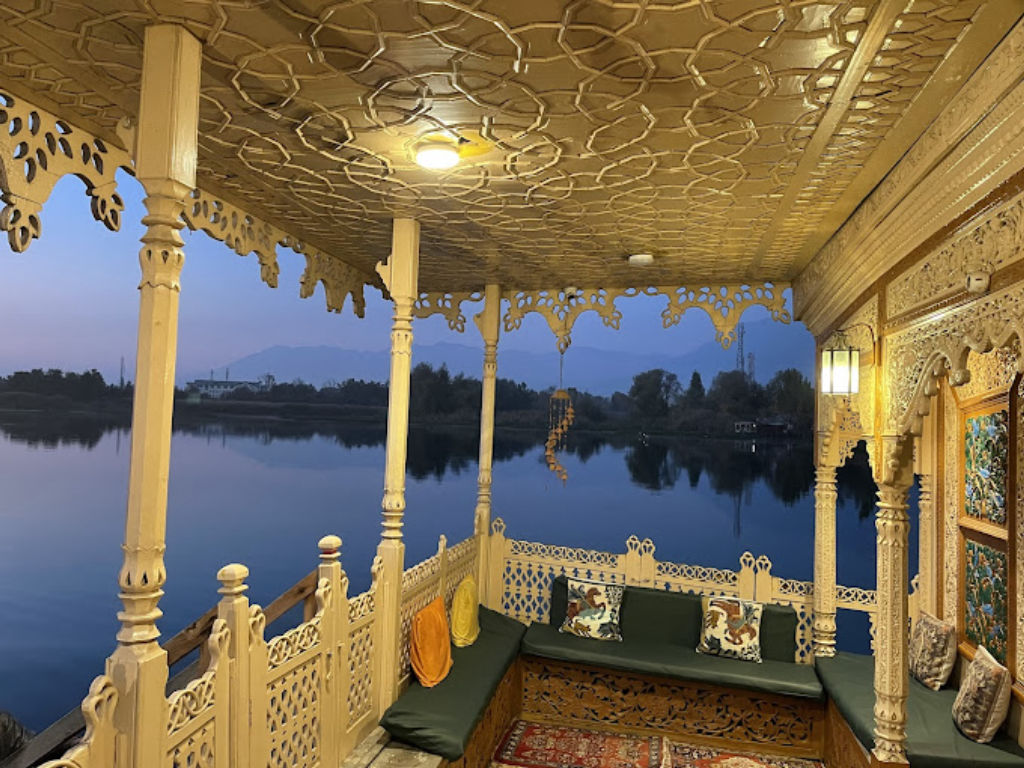
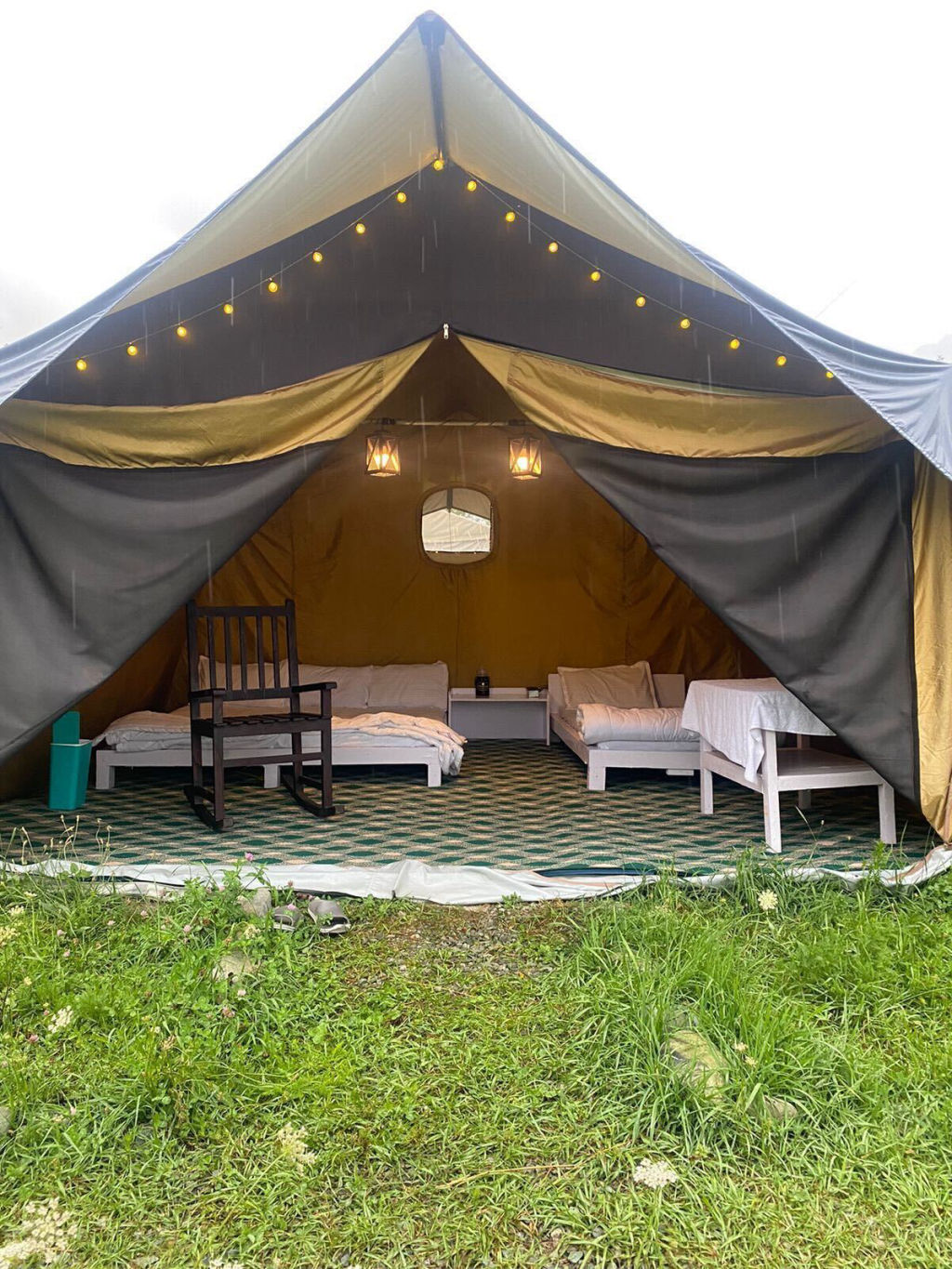
Visitors travelling to Parihaspore typically stay in the nearby areas of Srinagar, Magam, or surrounding rural pockets. Whether you prefer comfortable homestays hosted by local Kashmiri families, quiet riverside camps, or nature retreats nestled near orchards, a diverse range of accommodations can be found on HireACamp. Staying nearby allows you to explore the archaeological ruins early in the day and enjoy the peaceful rural rhythm of the valley.
Frequently asked questions
What is Parihaspore famous for?
Parihaspore is renowned for its vast eighth-century stone ruins, built by King Lalitaditya Muktapida as the grand imperial capital of the Kashmir Valley.
Where is Parihaspore located?
It is situated on an elevated plateau near the town of Magam, roughly fifteen to twenty kilometres northwest of Srinagar in Jammu and Kashmir.
How much time is needed to explore Parihaspore?
Most visitors spend between one and two hours walking among the stone structures, admiring the ancient architecture and taking in the panoramic valley views.
Are there amenities and food stalls at Parihaspore?
On-site facilities are very limited, so it is best to carry your own drinking water and snacks, or stop at nearby roadside eateries in Magam.
Is there an entry fee to visit the ruins?
Ticketing rules and entry requirements can vary, so it is best to check locally upon arrival for the most current information.
Where you'll be
Bandipora · 2 stays nearby shown with prices
Stays near Parihaspore
Book a place to stay close by
More places near Parihaspore
Within 20 km
Built from 0 Instagram posts by 0 creators. Every tip links back to the post it came from, and where creators disagree we show both sides.






