
Hokar Sar
Lake near Soyibug, Jammu and Kashmir
3 km from Soyibug
The nearest town, for stays, food and fuel.
Hokar Sar is an expansive natural wetland and lake located in the Kashmir Valley near Soyibug in Jammu and Kashmir. Often hailed as the queen of wetlands in the region, it serves as a critical refuge and feeding ground for hundreds of thousands of migratory waterfowl traveling along the Central Asian Flyway. Travellers and nature enthusiasts visit Hokar Sar to observe thriving bird colonies, explore marshland biodiversity, and experience the serene landscapes of rural Kashmir.
Getting there
By road
- From SoyibugNearest town17 min · 4.4 km
Typical drive times without traffic. Stations and airports from OLA Maps; distances and typical drive times from OpenStreetMap (© OpenStreetMap contributors); notes from creators' Reels.
About Hokar Sar
Written with AI from map data and general knowledge. Check prices and timings locally before you go.
About Hokar Sar
Spanning a vast expanse of fresh water, marshlands, and reed-covered banks, Hokar Sar is one of the most vital wetland ecosystems in northern India. Positioned in the scenic floodplains of the Jhelum River basin, the lake is fed by natural snowmelt streams and local channels. Its shallow waters support diverse aquatic flora, including water lilies, floating mats of vegetation, and dense clusters of reeds and willow trees along the perimeter.
The lake is recognized internationally under the Ramsar Convention due to its ecological importance. Over decades, it has served as an essential sanctuary for resident species and migratory birds that make seasonal transcontinental journeys. For local communities, Hokar Sar plays a silent yet indispensable role in recharging the regional water table, controlling flood waters during snowmelt, and maintaining the microclimate of the surrounding countryside.
Beyond its biological significance, Hokar Sar retains a peaceful, undisturbed character. Away from high-traffic tourist routes, visiting the lake offers a chance to experience the timeless rural rhythm of Kashmir, where traditional wooden flat-bottomed boats navigate winding water channels flanked by towering willow groves.
Birdlife and natural biodiversity
The primary draw of Hokar Sar is its remarkable avian diversity. Every year, as cold weather freezes high-altitude waterbodies across northern latitudes, immense flocks of birds descend on the lake. Travellers with binoculars can observe thousands of northern pintails, mallards, common teals, gadwalls, northern shovelers, and Eurasian wigeons swimming together in the deeper pools and feeding in the shallow marshes.
Apart from ducks and geese, the wetland attracts grebes, coots, herons, and egrets that stalk the shallows for fish and amphibians. The reed beds provide secure nesting grounds and cover for secretive marsh birds like rails and crakes. Birds of prey, including marsh harriers and occasional eagles, circle overhead in search of prey, completing an intricate and lively food web.
The surrounding terrestrial environment is equally green and lively. Willow and poplar thickets host songbirds, woodpeckers, and kingfishers, while the water itself supports numerous native fish and macroinvertebrate populations. The sheer density of wildlife makes every corner of the wetland an engaging classroom for natural history.
Read more
Best time to visit Hokar Sar
The optimal time to visit Hokar Sar largely depends on what you want to experience, though winter is indisputably the prime period for birdwatching. From late October through March, the wetland hosts peak numbers of migratory birds arriving from Siberia and Central Asia. During these colder months, mist often drapes the water at sunrise, creating an evocative atmosphere as massive flocks take flight across the frosted marshes.
Spring, spanning from April to May, brings a fresh renewal to the landscape. While many migratory waterfowl begin their journey northward, resident species commence their nesting cycles. The surrounding trees burst into fresh green leaf, and the weather warms up significantly, making walking along access tracks and perimeter trails pleasant.
Summer from June to August transforms the lake into a rich, lush expanse of floating vegetation and lotus blossoms. Autumn, running from September through October, offers stable clear skies, mild temperatures, and golden foliage, marking the arrival of the earliest winter birds. If your priority is seeing dense bird flocks, schedule your trip between November and February; if you prefer gentle walks under warmer skies, choose spring or early autumn.
How to reach Hokar Sar
Hokar Sar is situated close to the town of Soyibug and lies just west of Srinagar in Jammu and Kashmir. The nearest major transport hub is Srinagar, which connects to major Indian cities through regular commercial flights arriving at Sheikh Ul-Alam International Airport. From the airport, the wetland can be reached by road in a typical driving time of under an hour, depending on traffic.
For rail travellers, the nearest broad-gauge railway junction is at Jammu Tawi or Udhampur. From there, one can travel toward Srinagar by road or switch to regional rail services connecting Banihal with stations across the Kashmir Valley. Once in the valley, local shared taxis, private cabs, and auto-rickshaws provide straightforward access to the shores of the wetland via the roads branching off towards Soyibug.
Because roads around the wetland traverse rural farming hamlets and village pathways, hiring a taxi for the round trip or travelling with a local driver is generally the most convenient approach. Check local road conditions beforehand, particularly during the middle of winter when morning frost or snowfall can affect travel speeds.
Tips for your visit
Visiting Hokar Sar requires a thoughtful approach to preserve the sensitive wetland habitat and ensure you have an enjoyable time. Bring along a quality pair of binoculars or a spotting camera with a telephoto lens, as many birds maintain a cautious distance in open water pools. Staying low, speaking quietly, and wearing earth-toned clothing like greens, greys, and browns will help you blend in and observe natural behaviors without causing distress to the wildlife.
Winter mornings can be intensely cold in this part of Kashmir, with temperatures frequently dropping below freezing. Dress in warm thermal innerwear, heavy jackets, gloves, a woolen cap, and windproof outer layers. Sturdy, waterproof footwear is strongly advised, as dirt tracks near the marsh can be muddy, damp, and slippery.
Always adhere to wetland conservation norms by carrying all waste back with you and strictly avoiding single-use plastics. There are minimal commercial facilities directly on the water's edge, so bring your own drinking water and light refreshments. It is also wise to check locally with wildlife officials or residents on entry guidelines and recommended viewing points before setting off into the marsh.
Places to explore nearby
A trip to Hokar Sar can easily be combined with visits to several prominent historical and scenic attractions located around the outskirts of Srinagar. Approximately ten kilometers away lies Hari Parbat, a dramatic historic hill crowned by an imposing fort, offering panoramic views over the valley and significant religious shrines nestled along its slopes.
Nearby, Badamwari Park provides a tranquil setting, especially renowned during early spring when almond trees erupt in fragrant pink and white blossoms. Those interested in the cultural fabric and craft traditions of the region can explore craft centers and emporiums in central Srinagar, where master artisans display famous Kashmiri shawls, wood carvings, and papier-mache work.
Water enthusiasts can head to Nigeen Lake, located about eleven kilometers away. Known for its calmer waters compared to Dal Lake, Nigeen is bordered by old chinars and provides an ideal vantage point for an afternoon boat ride. Further south, the forested slopes of Shankaracharya Hill offer peaceful walking trails and elevated viewpoints taking in the full sweeping curve of the surrounding mountain ranges.
Where to stay near Hokar Sar
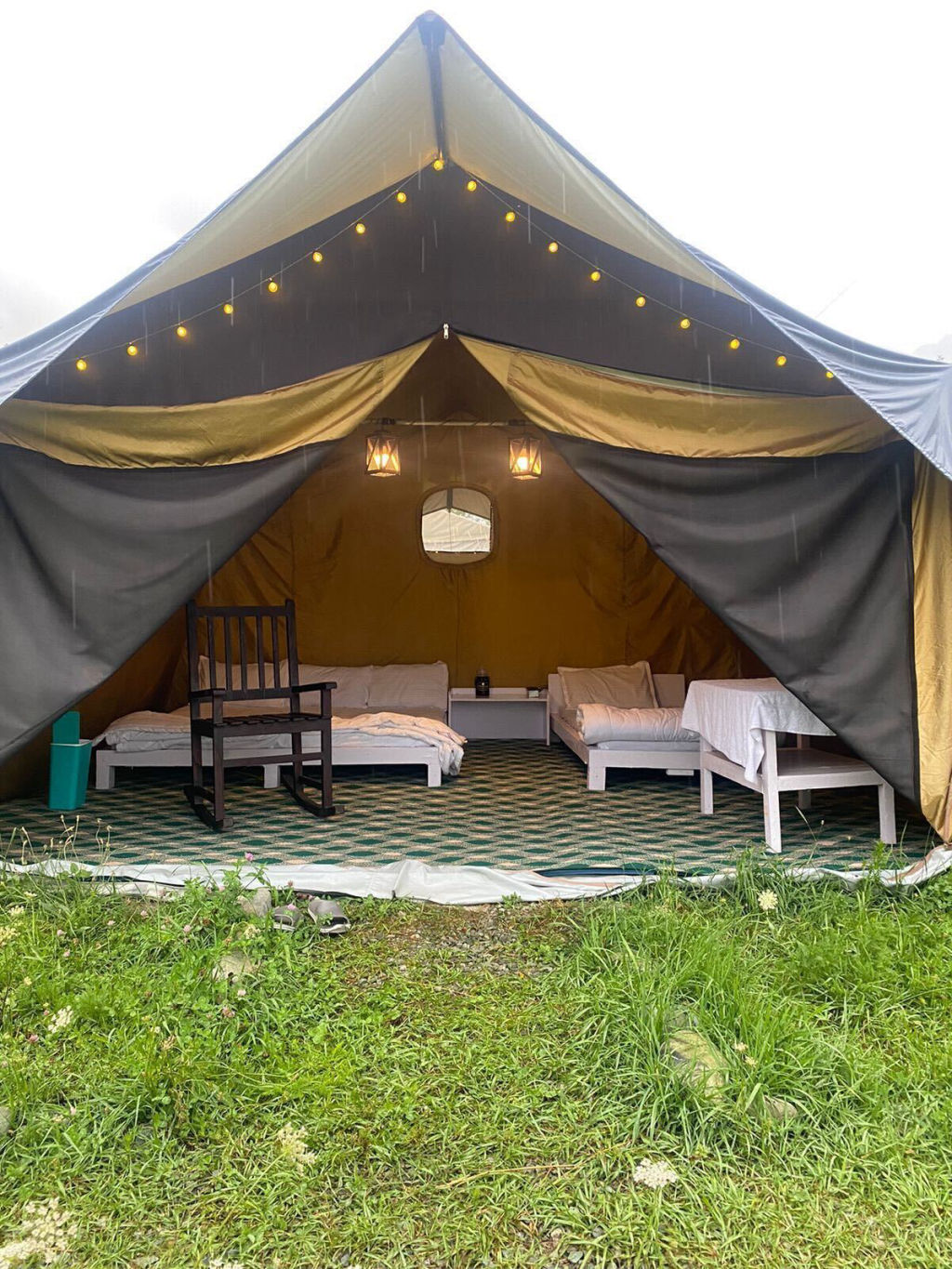
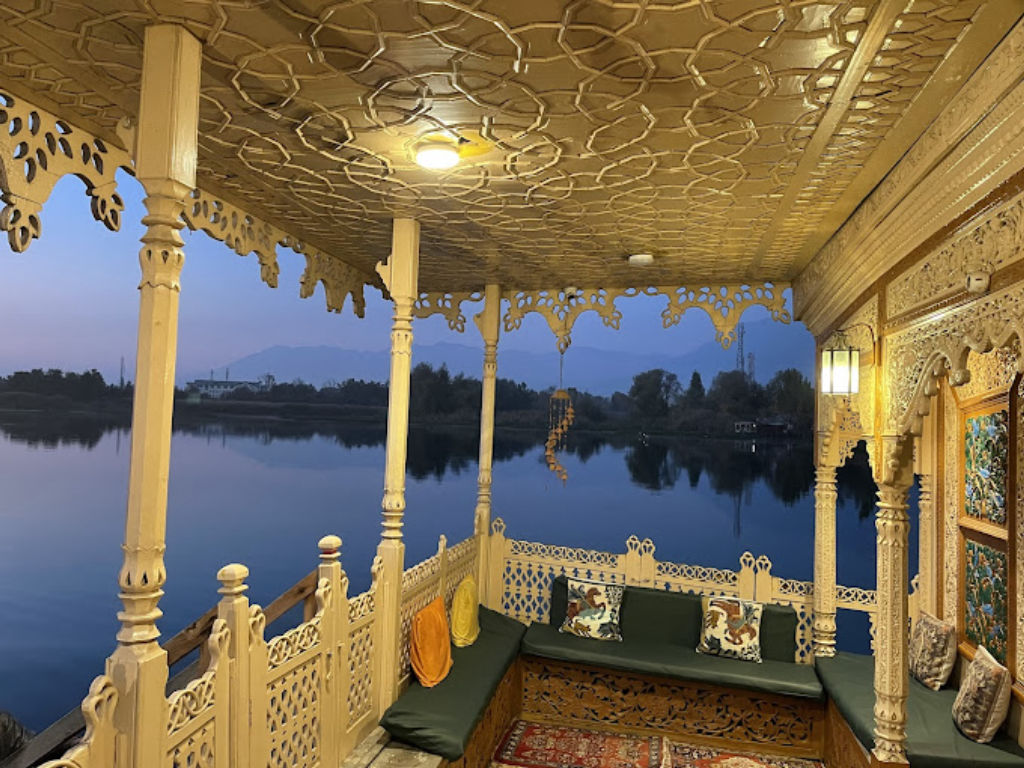
Choosing the right base makes exploring Hokar Sar and the surrounding valley relaxing and immersive. The area offers varied accommodation options, ranging from traditional family-run homestays nestled amidst apple orchards and village hamlets to scenic boutique camps and guesthouses on the fringes of the city.
Staying in a village homestay near Soyibug or in quiet suburban areas provides a direct glimpse into everyday Kashmiri hospitality and home-cooked regional meals. For those who enjoy outdoor living, seasonal camps offer crisp open air and clear mountain views. You can explore and book verified stays, rural retreats, and campsites near Hokar Sar on HireACamp.
Frequently asked questions
What is Hokar Sar famous for?
Hokar Sar is renowned as an internationally recognized Ramsar wetland that provides a crucial wintering habitat for hundreds of thousands of migratory waterfowl from Central Asia and Siberia.
Where is Hokar Sar located?
It is located in Jammu and Kashmir, near the town of Soyibug and a short drive west of Srinagar.
Which birds can you see at Hokar Sar?
Visitors can spot diverse bird species, including mallards, northern pintails, common teals, northern shovelers, wigeons, grebes, egrets, and birds of prey like marsh harriers.
What is the best time to see migratory birds at Hokar Sar?
The peak season for migratory birdwatching is during the winter months, specifically from November through February, when bird populations are at their highest.
Can you take a boat ride on Hokar Sar?
Traditional wooden flat-bottomed boats are sometimes used by local boatmen and wildlife staff, but recreational boating is strictly regulated to protect fragile nesting and roosting areas. Check locally for permitted observation options.
Where you'll be
Jammu and Kashmir · 2 stays nearby shown with prices
Stays near Hokar Sar
Book a place to stay close by
More places near Hokar Sar
Within 20 km
Built from 0 Instagram posts by 0 creators. Every tip links back to the post it came from, and where creators disagree we show both sides.






