
Khuldabad
Destination in Maharashtra
Khuldabad is a historic town perched on a plateau in the Chhatrapati Sambhaji Nagar district of Maharashtra. Revered for centuries as the Valley of Saints, it is celebrated for its spiritual Sufi heritage and its quiet, leafy monuments. Travellers visit Khuldabad to explore its venerable shrines, admire its serene stone architecture, and use it as a peaceful base for discovering the Deccan countryside.
Getting there
By road
- From Nashik2 hr 50 min · 178 km
- From Mumbai 5 hr 10 min · 342 km
- From Pune5 hr 25 min · 255 km
- From Surat7 hr 25 min · 358 km
Typical drive times without traffic. Stations and airports from OLA Maps; distances and typical drive times from OpenStreetMap (© OpenStreetMap contributors); notes from creators' Reels.
About Khuldabad
Written with AI from map data and general knowledge. Check prices and timings locally before you go.
Understanding Khuldabad and its heritage
Khuldabad, originally known as Rauza, carries deep historical significance shaped over several centuries of political and religious change in the Deccan plateau. The name translates roughly to the Abode of Eternity, earned because dozens of revered Sufi saints, scholars, and Deccan rulers chose this elevated ground for their final resting places.
The town rose to spiritual prominence in the fourteenth century when Sufi masters from the Chishti order settled here, establishing hospices that became major centres of faith and cultural exchange. Over time, prominent regional leaders and medieval rulers were buried in Khuldabad, creating an unusual landscape where simple spiritual courtyards stand alongside austere royal memorials.
Unlike the grand, sprawling mausoleums typical of northern imperial architecture, the monuments in Khuldabad are understated and introspective. Walk through the narrow lanes and you will find whitewashed archways, tranquil cloistered courtyards shaded by neem and banyan trees, and modest open-air graves that reflect deep personal piety and the quiet passage of time.
Things to see and do in Khuldabad
Walking through the spiritual quarter is central to any visit to Khuldabad. The town houses the dargah of Hazrat Khwaja Shaikh Burhanuddin Gharib and Hazrat Khwaja Muntajibuddin, also known as Zar Zari Zar Baksh, both pivotal figures in the spread of the Chishti tradition into western and southern India. Visiting these shrines provides a peaceful encounter with devotional music, traditional incense offerings, and centuries of preserved customs.
Within the complex of Shaikh Zainuddin Shirazi's dargah lies the modest, open-air grave of Mughal Emperor Aurangzeb. Built entirely according to his personal will, the tomb was funded only by the money he earned by hand-stitching prayer caps and copying the Quran. The unadorned marble enclosure open to the sky stands in stark, poignant contrast to the grand scale of Mughal monuments elsewhere in the subcontinent.
Take time to wander through the town's perimeter to see the surviving stone ramparts and historic gates, which once protected the town during turbulent medieval campaigns. The surrounding plateau features old stepwells, modest masonry tanks, and quiet vantage points looking out across the undulating hills of the Sahyadri range.
Read more
Places to visit around Khuldabad
Khuldabad serves as a convenient gateway to some of the most celebrated cultural landmarks in Maharashtra. Just downhill from the town lies the UNESCO World Heritage site of Ellora Caves, home to over thirty ancient rock-cut cave temples dedicated to Buddhist, Hindu, and Jain traditions. The magnificent Kailash Temple, carved top-down from a single basalt outcrop, is easily reached within a short drive.
A little further down the highway sits the formidable fortress of Daulatabad, previously known as Devagiri. Constructed on a dramatic conical hill with ingenious defensive mazes, moats, and bastions, it offers travellers an immersive trek into medieval Deccan warfare and broad views over the agricultural plains.
Nature lovers and outdoor enthusiasts can explore the nearby Gautala Autramghat Sanctuary, a protected reserve encompassing dry deciduous forests, rugged ravines, and seasonal streams that come alive after the monsoon. The landscape around Khuldabad is dotted with farming hamlets, seasonal lakes, and small rocky hillocks that reward quiet afternoon explorations.
Best time to visit Khuldabad
The best time to plan a journey to Khuldabad is between October and March. During these post-monsoon and winter months, daytime temperatures are pleasantly mild and the air is dry, making it comfortable to spend entire days on foot exploring monuments, open courtyards, and nearby hill tracks. Winter evenings can become notably cool on the plateau, so carrying light woollens or shawls is advisable.
The monsoon season, from July through September, brings a dramatic transformation to the landscape. The arid basalt terrain turns emerald green, low clouds drift across the plateau, and roadside waterfalls emerge along the ghat roads leading up from the plains. While occasional heavy showers may interrupt walking tours, the scenic appeal during these months is exceptional.
Summers, spanning April to June, bring intense dry heat with temperatures often climbing well above normal comfort levels. Travelling during this period requires early morning excursions, sun protection, and plenty of hydration, as sightseeing during the middle of the day can be challenging.
How to reach Khuldabad
Khuldabad is well connected by road to the rest of Maharashtra. The nearest major transport hub is Chhatrapati Sambhaji Nagar, situated roughly thirty kilometres to the southeast. The city has a domestic airport with regular flights connecting to key metropolitan centres across India, as well as a major railway station on the South Central Railway network.
From Chhatrapati Sambhaji Nagar, travellers can hire taxis or board local state transport buses that run regularly towards Khuldabad, Ellora, and Kannad. The drive climbs gradually through picturesque low ghats, offering sweeping views of the Deccan plains below.
If you are travelling from Pune or Mumbai, Khuldabad can be reached via well-paved state and national highways. The road trip from Mumbai typically takes between six and eight hours depending on traffic conditions, while the drive from Pune generally takes around five to six hours. Private cabs, overnight buses, and personal vehicles are all popular modes for making the trip.
Tips for your visit
Because Khuldabad is an active centre of pilgrimage and worship, respectful attire is essential. Visitors should dress modestly, covering their shoulders and knees. When entering shrines and dargahs, shoes must be removed at designated areas outside, and carrying a handkerchief, scarf, or head covering is recommended for both men and women.
Carry comfortable slip-on footwear, as you will frequently take off and put on your shoes when moving between different courtyards and stone thresholds. During sunny afternoons, stone floors can heat up quickly, so carrying a pair of clean socks can make walking on outdoor paving far more comfortable.
Keep sufficient cash handy, as small stalls and local offerings may not always support digital transactions. Check locally for prayer schedules or seasonal urs gatherings, during which the town fills with pilgrims and the streets bustle with vibrant markets and spiritual processions.
Where to stay in and around Khuldabad
Staying near Khuldabad allows travellers to experience the town during the calm morning and evening hours, away from the daytime tour bus traffic. Accommodations within the immediate vicinity tend to be modest, focusing on traditional regional hospitality and peaceful countryside settings.
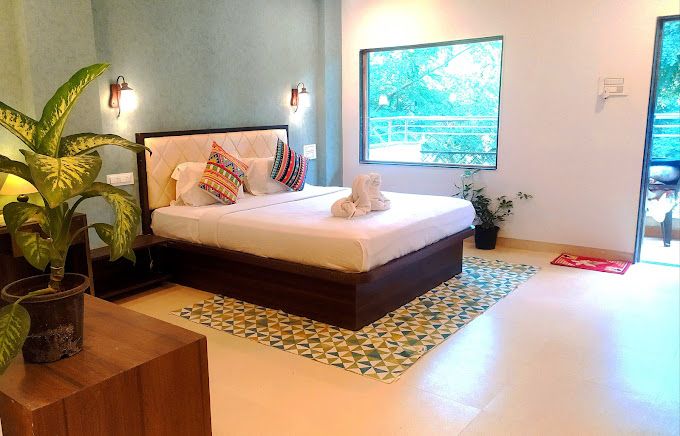
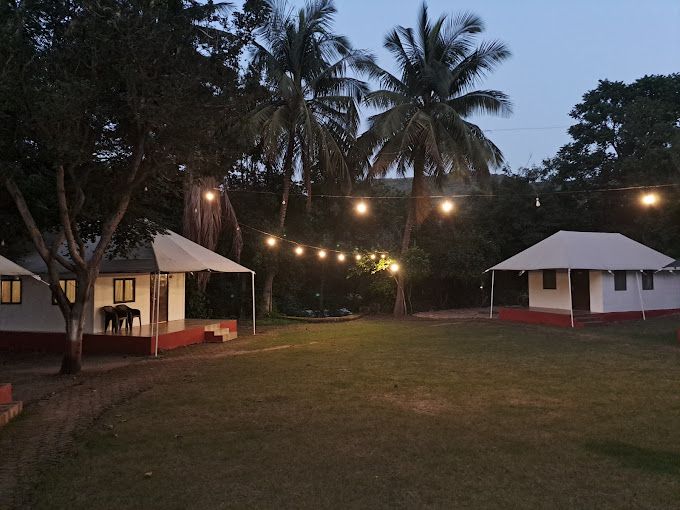
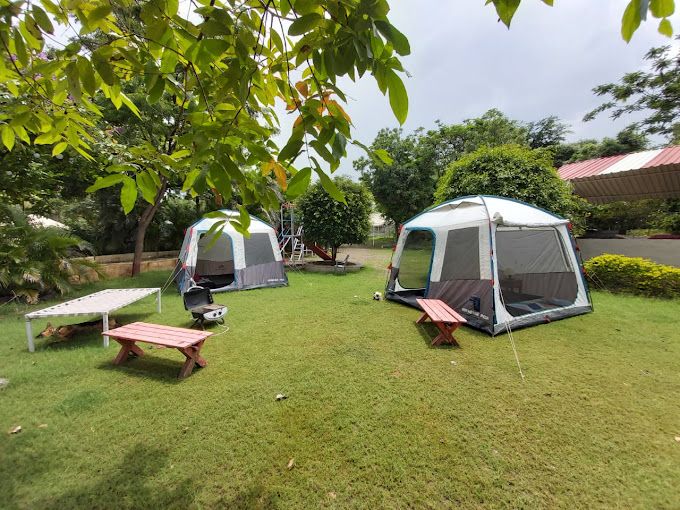
For those seeking closer contact with nature, the surrounding countryside and foothill valleys provide opportunities for outdoor retreats, rustic farm stays, and scenic eco-camps. Stays near the nearby hills and agricultural patches give you starry Deccan night skies, home-cooked regional Maharashtrian meals, and quiet surroundings after a day of sightseeing.
You can discover and reserve well-located camps, homestays, and unique rural getaways around Khuldabad on HireACamp, ensuring a memorable and comfortable base for your journey through the region.
Frequently asked questions
Why is Khuldabad called the Valley of Saints?
Khuldabad earned this name because dozens of prominent Sufi saints from the Chishti and other traditions settled, taught, and were buried here starting in the fourteenth century.
Whose tomb is located in Khuldabad?
Khuldabad houses the simple open-air grave of the Mughal Emperor Aurangzeb, along with the shrines of celebrated Sufi saints like Zar Zari Zar Baksh and Shaikh Burhanuddin Gharib, as well as several regional Deccan rulers.
How far is Khuldabad from Ellora Caves?
Khuldabad is located just a few kilometres above Ellora Caves, making it an easy drive of under fifteen minutes between the two locations.
What should visitors wear when visiting shrines in Khuldabad?
Visitors should dress conservatively with shoulders and legs covered, carry a head covering such as a scarf or handkerchief, and be prepared to remove their shoes before entering shrine complexes.
Can Khuldabad be covered in a day trip?
Yes, the main historical sites of Khuldabad can be explored in half a day, though many travellers pair it with nearby attractions like Ellora Caves and Daulatabad Fort over a full day or weekend trip.
Where you'll be
3 stays nearby shown with prices
Stays near Khuldabad
Book a place to stay close by
Things to do in Khuldabad
48 places creators recommend within 30 km
Built from 0 Instagram posts by 0 creators. Every tip links back to the post it came from, and where creators disagree we show both sides.






