
Netravali Bubbling Lake
Lake near Netravli, Goa
1.3 km from Netravli
The nearest town, for stays, food and fuel.
Netravali Bubbling Lake, locally known as Budbud Tali or Budbudyanchi Tali, is a unique freshwater pond situated in the quiet village of Netravali in South Goa. Famous for continuous streams of bubbles that rise rhythmically to the surface and intensify when people clap, the lake attracts travellers curious about natural oddities and Goan village traditions. Surrounded by the dense forests and spice plantations of Sanguem, it offers a peaceful glimpse into Goa's inland heritage far away from the coastal bustle.
Getting there
By road
- From NetravliNearest town5 min · 2.1 km
- From Mangaluru7 hr 5 min · 346 km
- From Pune10 hr 20 min · 479 km
Typical drive times without traffic. Stations and airports from OLA Maps; distances and typical drive times from OpenStreetMap (© OpenStreetMap contributors); notes from creators' Reels.
About Netravali Bubbling Lake
Written with AI from map data and general knowledge. Check prices and timings locally before you go.
The Mystery of Netravali Bubbling Lake
Netravali Bubbling Lake is essentially a stepped masonry tank, known locally as Budbud Tali. What sets this water body apart from any ordinary temple pond is the constant, energetic emergence of bubbles that rise from the silt and laterite base to break across the surface in delicate concentric rings. The phenomenon continues around the clock, creating an almost hypnotic visual pattern against the emerald-tinted water.
The most captivating aspect of the lake is its apparent reaction to sound. When visitors stand on the laterite steps and clap rhythmically or make loud acoustic sounds, the bubbles visibly accelerate and gather in greater clusters. While local legends hold that the water responds to devotion and human energy, scientific explanations point to trapped subterranean gases such as methane, carbon dioxide, or sulfur beneath the porous laterite basin. Acoustic vibrations from clapping or loud voices likely disturb the silt layer, loosening pockets of trapped gas and causing them to rise in rapid succession.
The Temple Setting and Cultural Heritage
The bubbling lake does not sit isolated in the wild; it forms an integral part of the local Gopinath Temple complex. Dedicated to Lord Krishna, the temple and its masonry tank are surrounded by towering areca nut palms, coconut groves, and thick native trees that provide cool shade throughout the day. The architecture reflects the quiet, understated style typical of inland Goan shrines, with stone steps leading down into the clear water.
Local villagers consider the pond sacred, and rituals are observed here during traditional festivities. In the center of the lake stands a carved stone pedestal, which serves as a traditional focal point for rituals. Travellers often sit quietly along the stepped stone edges, watching tiny freshwater fish dart beneath the bubbling surface. Because of its cultural significance, visitors are expected to maintain silence and respect the calm spiritual atmosphere of the shrine grounds.
Read more
Landscape and Surroundings of Netravali
Netravali lies tucked within the foothills of the Western Ghats in the Sanguem taluka. The landscape here is vastly different from the coastal plains and beach towns associated with typical Goa holidays. Dense deciduous and semi-evergreen foliage dominates the topography, broken only by winding rural roads, meandering streams, and carefully cultivated spice farms.
The region around Netravali is celebrated for its organic agriculture. The air is noticeably clean, carrying the faint scent of wet earth, pepper vines, nutmeg, and blooming wild herbs. Because Sanguem remains sparsely populated and heavily forested, the journey to the bubbling lake feels like an immersive drive through a secluded mountain sanctuary where wildlife, village life, and ancient traditions coexist harmoniously.
Best Time to Visit Netravali Bubbling Lake
The post-monsoon and winter months, spanning from October to February, offer the most comfortable weather for exploring Netravali. During this period, the surrounding forests are vivid green, water bodies are full, and daytime temperatures remain pleasant enough for walking through the temple grounds and exploring nearby trails.
The monsoon season, from June to September, transforms the entire region into a lush paradise with heavy downpours, swollen streams, and mist hanging low over the Western Ghats. While the bubbling lake remains active during the rains, heavy downpours can occasionally disrupt rural road travel. The summer months from March to May can be hot and humid during midday, making early mornings or late afternoons the only comfortable windows for an outing.
How to Reach Netravali Bubbling Lake
Netravali is located in South Goa's interior, approximately twenty-five kilometers from the taluka town of Sanguem. If you are travelling from Margao, the commercial hub of South Goa, the drive takes around an hour and a half by road over a distance of roughly forty-five kilometers. From Panaji, the state capital, the journey generally takes two to two and a half hours, depending on traffic.
The route winds through scenic countryside via Quepem or Tilamol before entering the forested terrain of Sanguem. Driving a private car or riding a rented scooter is the most practical way to reach the site, as public bus connectivity from the coastal belt to remote interior villages like Vichundrem is infrequent. The roads leading into Netravali are mostly paved, though they narrow considerably as you enter the village, demanding careful navigation along sharp curves and shaded plantation roads.
Places to Visit Near Netravali
A trip to Netravali can easily be expanded into a full day of hinterland exploration. Located roughly six kilometers away is the Mainapi Waterfall, a secluded forest waterfall accessible via a scenic trek through the Netravali Wildlife Sanctuary. The sanctuary itself is a rich biodiversity hotspot that shelters various species of hornbills, flying squirrels, and butterflies, making it ideal for birdwatchers and nature enthusiasts.
Further south, the forested range extends toward the Anshi National Park, Kali Tiger Reserve, and Guddalli Peak across the Karnataka border, forming an unbroken wildlife corridor. For travellers heading back towards the coastline, the calm shores of Patnem Beach sit roughly twenty-two kilometers to the west in straight-line distance, offering a scenic transition from the quiet foothills back to South Goa's coastal sands.
Tips for Your Visit
Visiting Netravali Bubbling Lake requires a calm and respectful approach. Since the lake is part of an active place of worship, footwear must be removed before stepping onto the temple courtyard and the steps leading to the water. Dress modestly in clothing that covers your shoulders and knees to honour local village customs.
Swimming, washing, and dipping feet into the sacred pond are strictly prohibited. Carry drinking water and sun protection, as the village has limited commercial shops. Ensure you take all personal waste back with you, as the rural panchayat does not have an intensive municipal garbage system. Mobile network coverage can be intermittent in this part of Sanguem, so it is advisable to download offline road maps before beginning your drive.
Where to Stay near Netravali
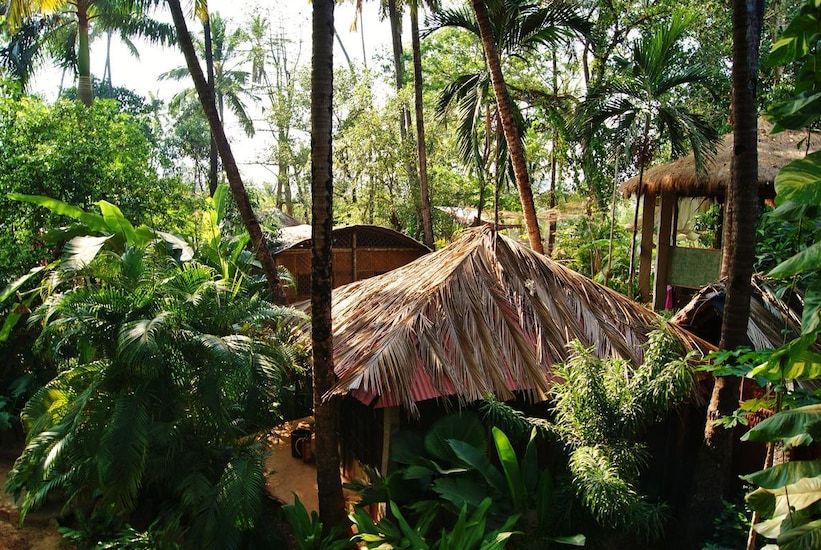
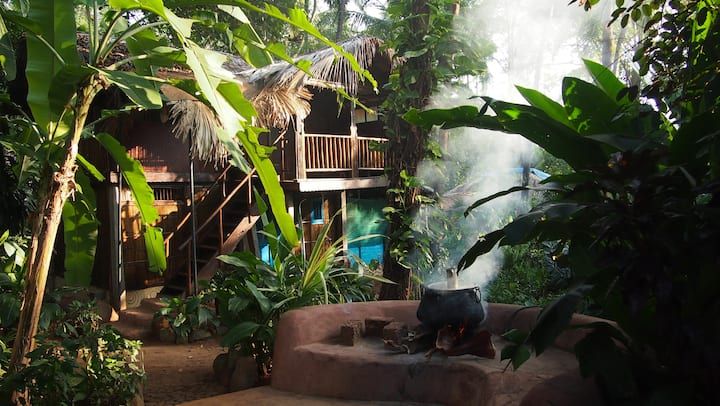
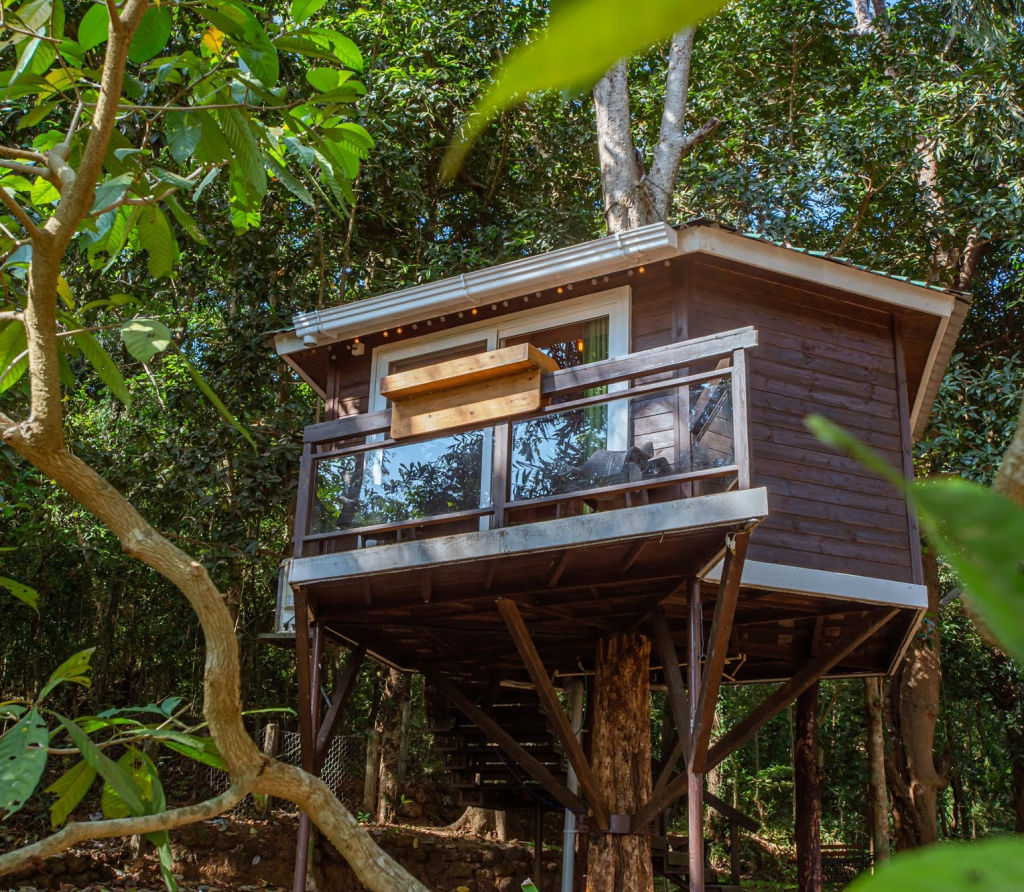
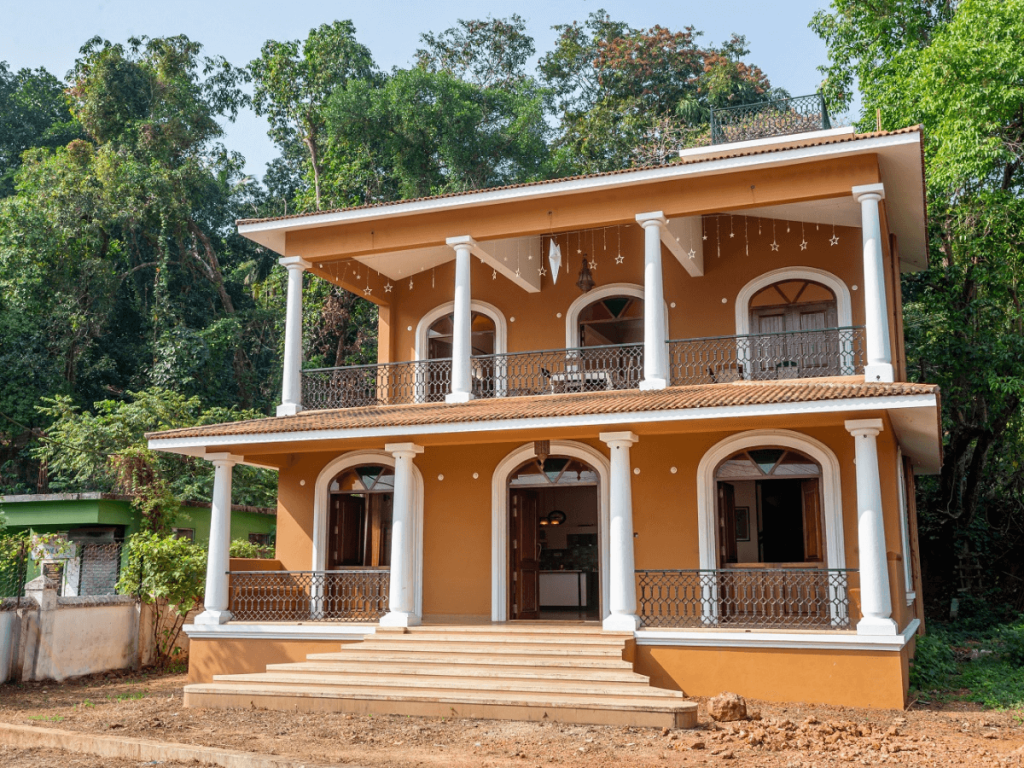
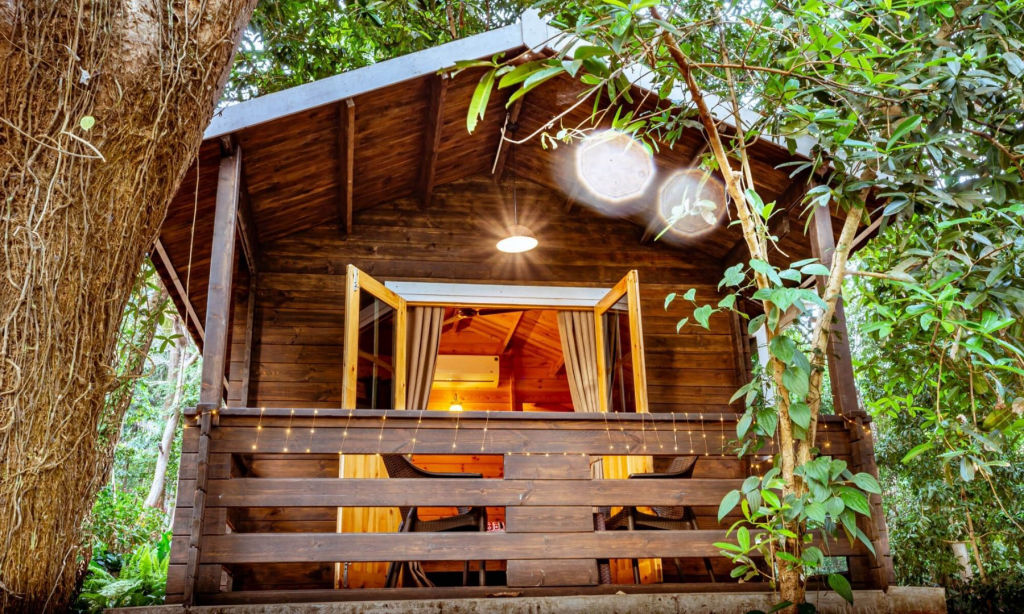
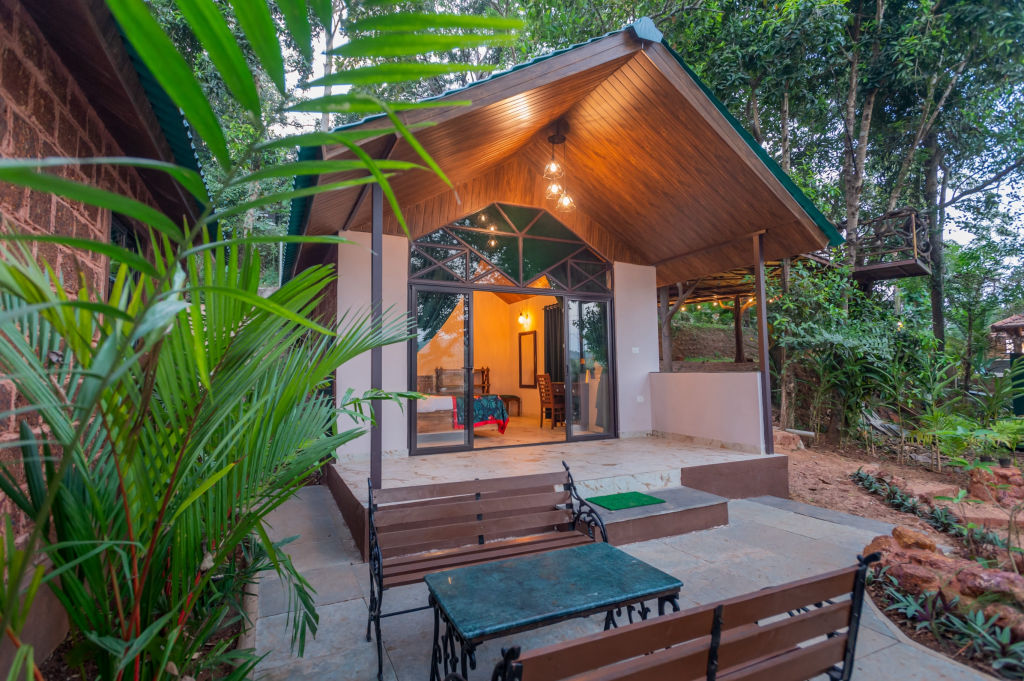
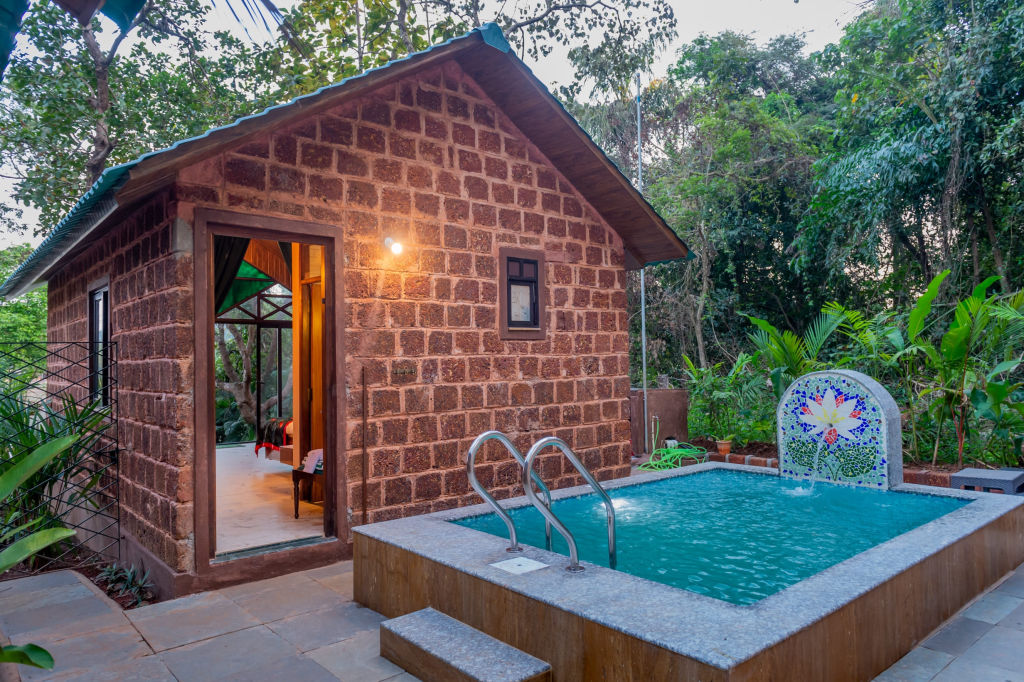
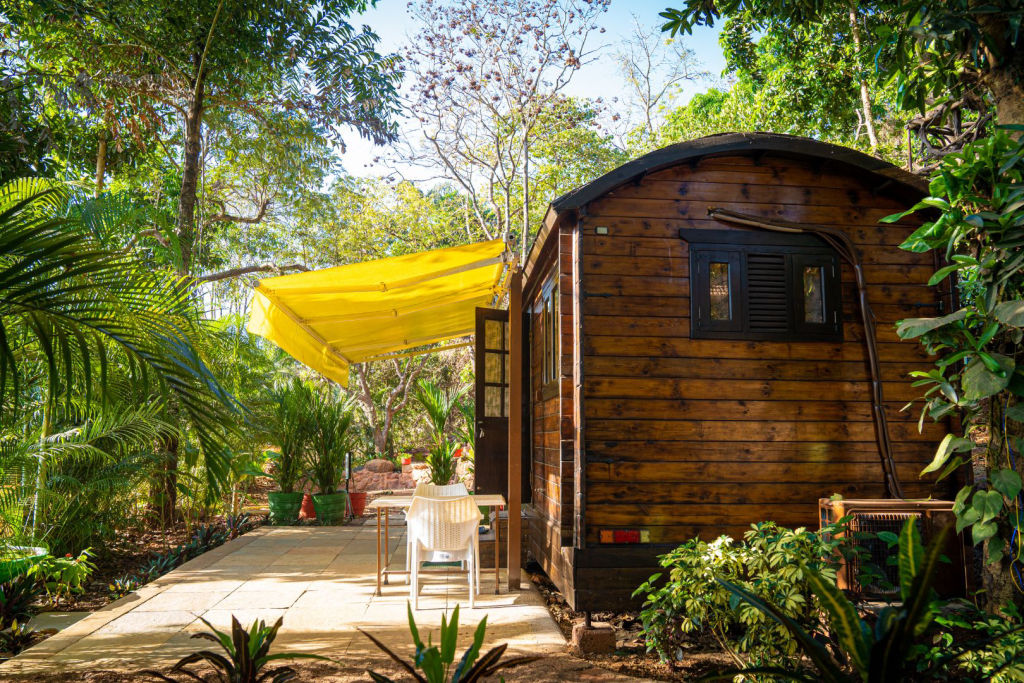
Travellers seeking an authentic, unhurried experience in South Goa's hinterlands will find plenty of peaceful options away from the conventional tourist hubs. The countryside around Sanguem, Quepem, and the edges of the Netravali forest is home to rustic farm cottages, eco-camps, and welcoming family homestays nestled among spice plantations.
Staying in the local village allows you to experience cool, quiet mornings, traditional Goan Saraswat and village cuisine, and immediate access to forest trails. You can find and book vetted nature camps, eco-stays, and homestays around Netravali on HireACamp to make the most of your countryside getaway.
Frequently asked questions
Why does the water bubble at Netravali Bubbling Lake?
The continuous bubbling is caused by subterranean gases, such as methane or carbon dioxide, escaping through the silt bed of the pond. Acoustic resonance, such as rhythmic clapping, creates vibrations that release larger clusters of trapped bubbles.
Can visitors swim in Netravali Bubbling Lake?
No, swimming, bathing, or dipping your feet in the water is strictly prohibited. The tank belongs to the sacred Gopinath Temple and must be treated with religious respect.
How far is the bubbling lake from Margao?
Netravali Bubbling Lake is located approximately forty-five kilometers southeast of Margao. The road drive usually takes around an hour and a half via Quepem and Sanguem.
What is the best time of day to visit the lake?
Early morning or late afternoon is the ideal time to visit, as the temple grounds remain cool and peaceful. The morning sunlight also makes the rising bubble patterns clearer against the water.
Is there a dress code for visiting the bubbling lake?
Yes, visitors should dress modestly with shoulders and knees covered, as the lake is situated on active temple grounds. You will also need to remove your footwear before entering the temple tank perimeter.
Where you'll be
Netravali, Vichundrem, Sanguem · 8 stays nearby shown with prices
Stays near Netravali Bubbling Lake
Book a place to stay close by
More places near Netravali Bubbling Lake
Within 20 km
Built from 0 Instagram posts by 0 creators. Every tip links back to the post it came from, and where creators disagree we show both sides.






