
Netravali Wildlife Sanctuary
Wildlife sanctuary near Netravli
1.6 km from Netravli
The nearest town, for stays, food and fuel.
Netravali Wildlife Sanctuary covers a protected corridor of the Western Ghats in south-eastern Goa. Known for its dense semi-evergreen canopy, tumbling forest waterfalls, and perennial streams, it preserves a vital ecological refuge away from the coastal tourist belts. Travellers and nature enthusiasts visit to hike beneath shaded forest canopies, observe Western Ghats birdlife, and experience the interior landscapes of Goa.
Getting there
By road
- From NetravliNearest town4 min · 1.7 km
- From Mangaluru7 hr 15 min · 349 km
- From Pune10 hr 30 min · 481 km
Typical drive times without traffic. Stations and airports from OLA Maps; distances and typical drive times from OpenStreetMap (© OpenStreetMap contributors); notes from creators' Reels.
About Netravali Wildlife Sanctuary
Written with AI from map data and general knowledge. Check prices and timings locally before you go.
About Netravali Wildlife Sanctuary
Spanning over two hundred square kilometres across Sanguem taluka in South Goa, Netravali Wildlife Sanctuary forms a critical section of an interconnected forest corridor in the Western Ghats. It sits adjacent to the Cotigao Wildlife Sanctuary to its south and Bhagwan Mahaveer Sanctuary to its north, connecting deeper into the dense ranges of Karnataka's Kali Tiger Reserve.
The terrain here is characterised by steep undulating hills, deep valleys, and fertile river basins that feed tributaries of the Zuari River. The vegetation predominantly consists of moist deciduous and semi-evergreen forest patches, along with pockets of evergreen trees near perennial waterways. Because large sections of the sanctuary remain untamed and rugged, it functions as an invaluable freshwater catchment area and a refuge for high levels of plant and animal endemism.
Wildlife and Forest Flora
The dense undergrowth and lofty canopy of Netravali provide shelter to a diverse array of mammalian, avian, and reptilian species. Mammals recorded in the area include the Indian gaur, leopard, spotted deer, barking deer, wild boar, and the Malabar giant squirrel, which is frequently spotted darting through the high foliage. Primates such as the bonnet macaque and common langur are often heard and seen along the peripheral trails.
For birdwatchers, the sanctuary is exceptionally rewarding. The varied tree cover hosts species like the Malabar pied hornbill, great pied hornbill, emerald dove, scarlet minivet, and several varieties of kingfishers and woodpeckers. The rich moisture levels throughout the understory also support a thriving population of amphibians and reptiles, including the King Cobra, pit vipers, and endemic tree frogs. The forest floor comes alive with dozens of colourful butterfly species during the warmer and post-monsoon months.
Read more
Trails and Waterfalls at Netravali
Hiking through Netravali is one of the primary ways to experience its natural environment. Several forest routes lead visitors toward secluded waterfalls hidden within the deep folds of the hills. Among the best-known cascades accessible from the area is Mainapi Waterfall, which requires a moderate trek along jungle paths and stream crossings. Another popular destination within the reserve is Savari Waterfall, known for its scenic pool and steep rock surroundings.
Walking along the sanctuary trails requires stepping across slippery stones, traversing dirt tracks through plantations, and venturing into thick forest cover. Beyond the waterfalls, the nearby village of Neturlim is known for the Bubble Lake, a local freshwater pond where natural gas releases create continuous, rhythmic bubbling at the water surface. Most hikes within the sanctuary boundary require a local forest guide or permission, ensuring visitors remain safe on the unmarked wilderness routes.
Best Time to Visit Netravali
The ideal period to visit Netravali Wildlife Sanctuary is from October to March. During these post-monsoon and winter months, the heavy monsoon rains taper off, leaving the streams flowing, the waterfalls active, and the forest tracks moderately dry and easier to navigate. Temperatures during this window are comfortable, with cooler mornings and pleasant daytime conditions suited for walking.
The monsoon season from June to September brings intense rainfall to this part of the Western Ghats. While the forest transforms into a vivid green and the cascades swell to their most dramatic volume, leeches, slippery clay tracks, and flooded stream crossings can make trekking challenging or restricted by forest authorities. The summer months from April to May tend to be hot and humid, causing some of the smaller seasonal streams to dry up, though early morning birding remains productive.
How to Reach Netravali Wildlife Sanctuary
Netravali Wildlife Sanctuary is located in the southeastern interior of Goa and is easily reached by road from major transit hubs across the state. The nearest significant railway junction is Margao, situated roughly fifty kilometres to the northwest. From Margao, the drive takes about an hour and a half via Quepem and Tilamol toward Neturlim along winding state highways and country roads.
From the state capital of Panaji, the distance is approximately seventy-five to eighty kilometres, which typically requires a drive of around two to two and a half hours. Visitors arriving from South Goa beach areas like Palolem or Agonda can take inland interior routes to reach the sanctuary in roughly an hour and a half. While state transport buses connect Margao with Neturlim village, having your own vehicle, hiring a taxi, or renting a scooter offers the flexibility needed to navigate the rural terrain.
Tips for Visiting the Sanctuary
Planning ahead is crucial when entering the Netravali forest area. Mobile network connectivity is weak or entirely absent in most parts of the sanctuary and on forest trails. Download any needed maps or driving directions ahead of time, and carry cash for local entry permits or guide fees, as digital payments rarely work in the forest offices.
Wear sturdy, enclosed trekking shoes with good grip, especially if you plan to hike near the waterfalls where wet rocks can be treacherous. During or immediately after the monsoon, carry anti-leech socks, salt, or neem oil to counter forest leeches on the damp paths. Pack adequate drinking water in reusable bottles, light snacks, and sun protection, as commercial shops and food stalls are not available inside the protected forest zones. Always respect the sanctuary rules by packing out all plastic waste and remaining on designated paths.
Where to Stay Near Netravali
Because Netravali is situated well away from Goa's busy tourist towns, accommodation options directly bordering the sanctuary are peaceful, nature-focused, and uncommercialised. Travellers looking to spend a few days exploring the wilderness often base themselves in nearby villages, spice plantations, or countryside valleys around Neturlim and Sanguem.
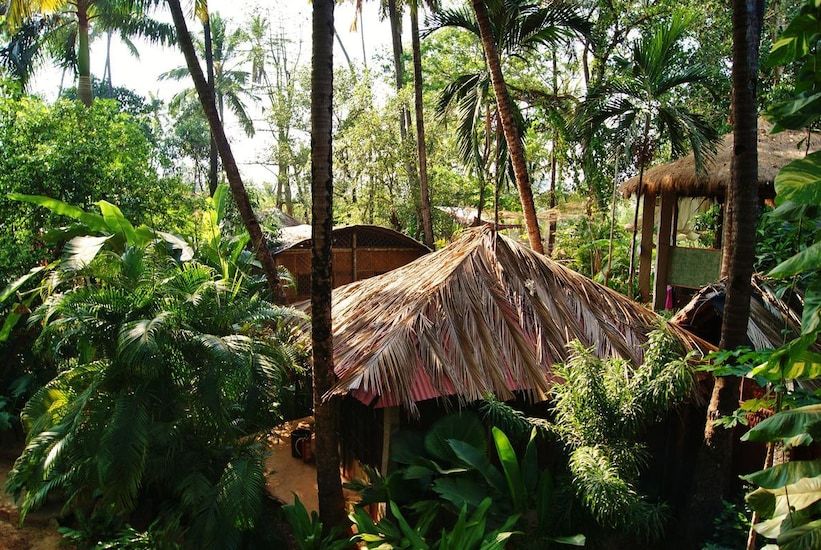
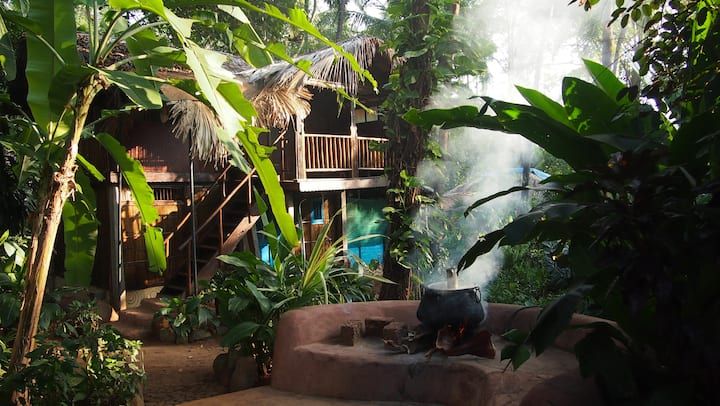
You can find rustic campsites, local village homestays, and eco-friendly nature stays in the surrounding countryside on HireACamp. Staying close to the sanctuary allows you to start your forest hikes early in the morning before daytime temperatures rise and enjoy tranquil evenings surrounded by the natural sounds of the Western Ghats.
Frequently asked questions
Where is Netravali Wildlife Sanctuary located?
Netravali Wildlife Sanctuary is situated in Sanguem taluka in South Goa, along the western slopes of the Western Ghats near the village of Neturlim.
Can you trek to waterfalls inside Netravali Wildlife Sanctuary?
Yes, several scenic waterfalls such as Mainapi and Savari can be reached via forest walking trails. Trekkers should check local guidelines and hire an authorised local guide for trail safety.
What animals can be spotted in Netravali Wildlife Sanctuary?
The sanctuary is home to wildlife including the Indian gaur, leopards, barking deer, wild boar, the Malabar giant squirrel, and numerous bird, butterfly, and reptile species endemic to the Western Ghats.
Which season is best for hiking in Netravali?
The post-monsoon and winter months between October and March offer the best conditions, as the paths dry out, waterfalls remain active, and daytime temperatures are comfortable.
How do I reach Netravali from Margao?
Margao is roughly fifty kilometres from Neturlim. You can drive or take a taxi via Quepem and Tilamol, which typically takes around an hour and a half depending on road conditions.
Where you'll be
Unnamed Road, Neturlim, Netravli, GA · 2 stays nearby shown with prices
Stays near Netravali Wildlife Sanctuary
Book a place to stay close by
More places near Netravali Wildlife Sanctuary
Within 20 km
Built from 0 Instagram posts by 0 creators. Every tip links back to the post it came from, and where creators disagree we show both sides.






