
Manu
Destination in Sikkim
Manu is a scenic hamlet perched amid the green hills and river valleys of North Sikkim. Located near the district hub of Mangan, the settlement offers sweeping views of the Eastern Himalayas, terraced fields, and dense sub-alpine woods. Travellers visit Manu to experience the peaceful rhythms of village life, explore sacred Buddhist monasteries, and use it as a tranquil base for mountain excursions.
Getting there
About Manu
Written with AI from map data and general knowledge. Check prices and timings locally before you go.
The mountain charm of Manu
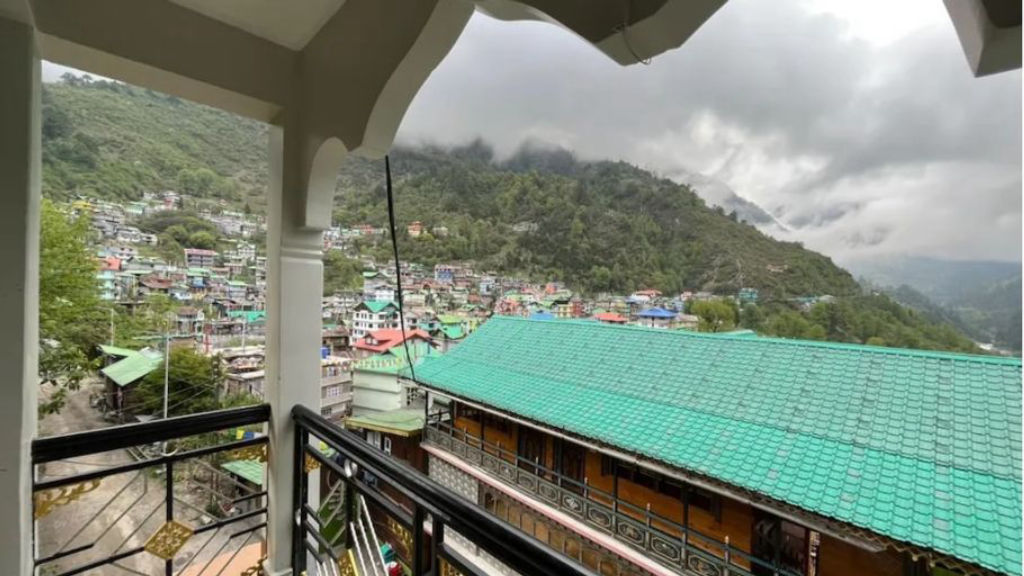
Tucked away in the rugged landscape of North Sikkim, Manu is a small settlement defined by its quiet pace and verdant surroundings. The village sits in a terrain of steep valleys, where mountain streams feed into the larger river systems of the region. Forested slopes covered in oak, pine, and wild orchids frame the settlement, creating a peaceful sanctuary far removed from high-traffic tourist hubs.
Life in Manu is closely tied to the seasons and agriculture. Terraced fields climb the slopes, cultivating seasonal crops and large black cardamom, a signature harvest of the region. The population comprises primarily Lepcha, Bhutia, and Nepali communities whose warm traditions and sustainable mountain lifestyles lend the village an inviting, grounded atmosphere. For those seeking fresh mountain air and undisturbed natural surroundings, Manu serves as a scenic escape.
Things to do in and around Manu
Spending time in Manu is largely about soaking in the natural setting on foot. Taking early morning walks along the hillside trails allows you to experience birdwatching, as the surrounding forests harbour a wide variety of Himalayan avifauna, including babblers, sunbirds, and laughingthrushes. The clear mornings often reward walkers with crisp views of distant snowy summits catching the morning light.
Visitors can also spend time strolling through the hamlet to observe local farming methods, cardamon harvesting, and traditional village architecture. Photography enthusiasts will find ample inspiration in the interplay of mist, mountain ridges, and timber houses. In the evenings, sitting out under clear night skies offers stargazing conditions that are difficult to find in urban destinations.
Read more
Places to visit near Manu
The area surrounding Manu is rich in cultural sites and natural landmarks. Just a short drive away lies Ringhem Monastery, a revered gompa nestled among dense trees that serves as a quiet center for local ceremonies and reflection. Further along the scenic ridges of the district, Phensang Monastery and Labrang Monastery showcase historic Tibetan Buddhist architecture, vibrant wall murals, and sacred courtyards that host traditional Cham dances during festive periods.
For panoramic landscapes, the Mangan View Point provides an elevated vista across the surrounding valleys and mountain ridges. The terrain around Manu is also noted for its cascading waterfalls. Naga Waterfall and Seven Sisters Waterfall are both accessible excursions, where mountain runoff plunges down vertical cliffs bordered by subtropical foliage. Further along the upper valleys, the rushing Lachung River provides picturesque riverside locations framed by high alpine trees.
Best time to visit Manu
The optimal period to travel to Manu is during the spring season from March to May, and the autumn window between October and late November. During spring, the hills wake up with vibrant blooms of rhododendrons, magnolias, and wildflowers. Daytime temperatures remain pleasant, making it comfortable for walking along forest tracks and exploring nearby sights.
Autumn brings exceptionally clear skies following the retreat of the summer clouds. The visibility is at its peak during October and November, offering uninterrupted views of snow-capped Himalayan peaks. Winter, spanning December to February, can be quite cold with freezing night temperatures, though it provides a crisp, quiet atmosphere for those who do not mind the chill. The summer monsoon months from June to September bring heavy rainfall to Sikkim, often causing road disruptions and landslides, so mountain travel is best avoided during peak rains.
How to reach Manu
Manu is located in North Sikkim and is accessed primarily by road from Gangtok, the state capital. The drive from Gangtok winding north through forested valleys typically takes around three to four hours, depending on road conditions and seasonal weather. Shared jeeps and private taxis operate regularly between Gangtok and Mangan, from where local transport can be arranged to reach Manu.
For travellers arriving from other parts of India, the closest broad-gauge railway hub is New Jalpaiguri in West Bengal. From the railway station, you can hire a vehicle or board a shared cab to Gangtok before continuing northward. The nearest operational airports are Pakyong Airport in Sikkim and Bagdogra Airport near Siliguri. Both airports connect to Gangtok by mountain highway, making it convenient to organize a multi-day journey into North Sikkim.
Tips for your visit to Manu
Because Manu is situated in North Sikkim, domestic travellers require an Inner Line Permit or protected area entry documentation for certain onward sectors in the district, while international travellers must secure appropriate protected area permits. It is essential to check current local administration requirements in Gangtok or Mangan before travelling, and always keep multiple passport-sized photographs and identity proofs on hand.
Weather in the mountains changes rapidly, so dressing in layers is recommended. Carry a reliable windcheater, warm thermal wear, and sturdy walking shoes with good grip for unpaved trails. ATMs can be scarce or intermittently offline in remote hamlets, so carrying adequate cash from Gangtok is wise. In addition, pack personal prescription medicines and motion sickness remedies, as the mountain roads feature numerous sharp bends.
Where to stay around Manu
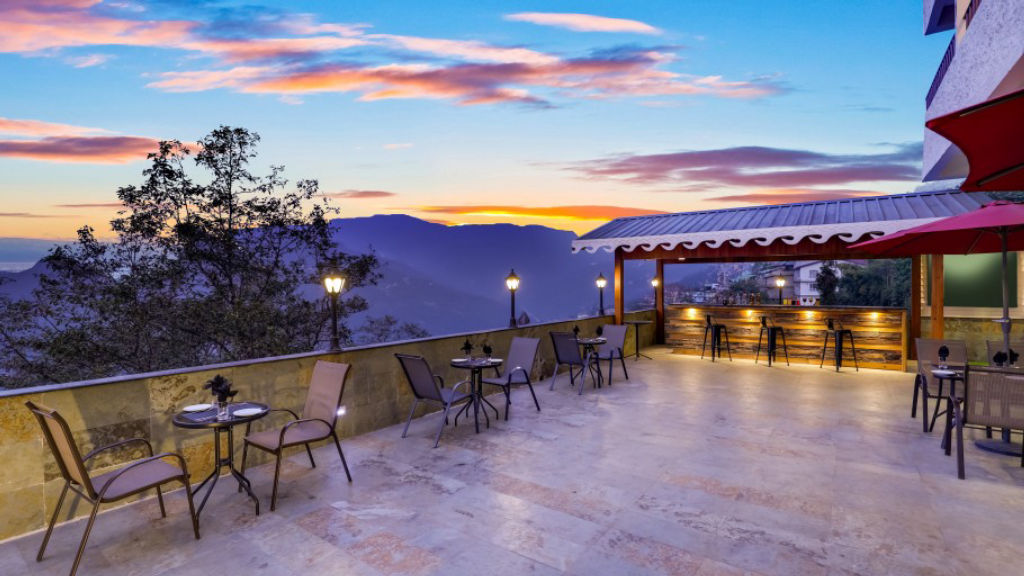
Accommodations around Manu and the neighboring villages generally consist of welcoming family-run homestays, simple village lodges, and community-based eco-camps. Staying with local families offers a firsthand look at everyday Sikkimese life, alongside hearty home-cooked meals prepared with locally harvested organic ingredients.
For travellers looking to immerse themselves in nature, HireACamp provides verified listings of rustic cottages, comfortable homestays, and outdoor getaways in and around North Sikkim. Booking through the platform lets you secure peaceful stays surrounded by forested hills and local warmth.
Frequently asked questions
Do I need a permit to visit Manu?
Travel within North Sikkim often requires entry permits or police verification passes, particularly when continuing toward restricted routes. Check local administrative guidelines in Gangtok or Mangan beforehand to ensure you have the appropriate paperwork.
What is the best time of year to visit Manu?
The best months to visit are from March to May for pleasant weather and blooming flowers, and from October to November for clear skies and the finest mountain views.
How far is Manu from Gangtok?
Manu is situated roughly 65 to 70 kilometers north of Gangtok by road. The journey usually takes around three to four hours by car, depending on terrain and traffic.
Are there medical facilities and ATMs in Manu?
Manu is a small hamlet with minimal commercial infrastructure. For major banking services, ATMs, pharmacies, and primary medical centers, you will need to travel to the nearby district town of Mangan.
Where you'll be
2 stays nearby shown with prices
Stays near Manu
Book a place to stay close by
Things to do in Manu
48 places creators recommend within 30 km

Built from 0 Instagram posts by 0 creators. Every tip links back to the post it came from, and where creators disagree we show both sides.






