
Downtown Srinagar
Heritage & Culture near Srinagar, Jammu and Kashmir
1.3 km from Srinagar
The nearest town, for stays, food and fuel.
Downtown Srinagar, traditionally known as Shehr-e-Khaas, is the historic urban core of the Kashmir Valley set along the banks of the River Jhelum. Travelers visit to experience centuries of layered heritage visible in intricate wooden architecture, historic shrines, bustling artisan quarters, and traditional river bridges. Walking through its narrow alleys offers an authentic look into the timeless rhythms of daily Kashmiri life.
Getting there
By road
- From SrinagarNearest town7 min · 2 km
Typical drive times without traffic. Stations and airports from OLA Maps; distances and typical drive times from OpenStreetMap (© OpenStreetMap contributors); notes from creators' Reels.
About Downtown Srinagar
Written with AI from map data and general knowledge. Check prices and timings locally before you go.
Understanding Downtown Srinagar
Downtown Srinagar, commonly referred to locally as Shehr-e-Khaas, forms the historical, cultural, and spiritual anchor of Srinagar. Established centuries ago on the meandering banks of the River Jhelum, the settlement grew as a major hub of craft, trade, and learning. Unlike the newer, wider boulevards of modern Srinagar, this district is characterized by a dense web of narrow lanes, tightly packed multistory brick-and-timber residences, and historic water channels.
The entire quarter is organized around the historic bridges, known as kadhals, which span the Jhelum. Each bridge marks an ancient neighborhood with its own distinct character, traditional market, and community squares. The river was historically the main highway for boats carrying produce, timber, and travelers through the valley. Today, strolling through these old neighborhoods reveals layers of medieval, Mughal, and early twentieth-century architecture that have withstood earthquakes and shifting dynasties over generations.
Architectural Heritage of the Old Town
The architecture of Downtown Srinagar represents a masterclass in vernacular Himalayan engineering. Traditional homes in Shehr-e-Khaas were built using indigenous techniques known as Taq and Dhajji Dewari. Taq construction uses thick load-bearing masonry walls interrupted by vertical timber ties, while Dhajji Dewari relies on a timber lattice frame filled with brick rubble or mud. These flexible, light-frame systems were developed specifically to absorb the shock of seismic activity in the Himalayan rift zone.
Beyond domestic housing, Downtown Srinagar holds some of the valley's finest religious structures, built primarily with local deodar timber and unbaked brick. Landmarks such as the expansive Jamia Masjid showcase monumental courtyards supported by hundreds of soaring deodar pillars, carved from singular tree trunks. Along the riverfront, historic wooden shrines feature intricate Pinjrakari geometric latticework, Khatamband paneled ceilings made from interlocking pine pieces, and paper-pulp papier-mâché detailing. These monuments reflect an architectural language that blends Central Asian, Persian, and local Kashmiri traditions.
Read more
Craft Traditions and Everyday Bazaars
For centuries, Downtown Srinagar has served as the living workshop of Kashmir's famous artisanal heritage. As you navigate the crowded bazaars, the rhythmic sound of hammering metal announces the copperware quarters. Here, metalsmiths carve delicate floral and calligraphic motifs, known as Kandkari, into traditional samovars, platters, and drinking vessels. Entire families have practiced these trades within the same street-facing workshops for generations.
In adjacent mohallas, master weavers work at handlooms spinning delicate Pashmina shawls, while woodcarvers shape seasoned walnut into ornate screens and jewelry boxes. The local food markets are just as evocative. Neighborhoods are anchored by traditional bakeries, known as kandurs, where round breads like girda, chochwor, and tsot are baked on the hot clay walls of underground tandoors every morning. Visiting these quarters offers a rare chance to see traditional craft production occurring in its original urban context rather than in sterile souvenir emporiums.
Best Time to Visit Downtown Srinagar
Downtown Srinagar experiences distinct seasonal rhythms, each bringing a different atmosphere to the old city. Spring, from April to May, brings pleasant daytime temperatures, blooming fruit trees in neighborhood courtyards, and vibrant activity along the river. This is one of the most comfortable times for self-guided walking tours through the winding alleys.
Summer, lasting from June through August, is generally warm and dry, allowing for long days of exploration, although midday heat can make walking along exposed stone streets tiring. Autumn, spanning September to November, brings cool, crisp air, golden chinar foliage across the valley, and harvest bounty in the vegetable and spice markets. Winters, from December to February, can be bitterly cold with occasional snowfall. While walking the slushy lanes requires sturdy footwear and warm woolen layers during winter, watching smoke curl from traditional chimneys above snow-dusted gabled roofs offers a memorable glimpse into vintage Kashmiri winters.
Places to Visit Near Downtown Srinagar
Directly overlooking Downtown Srinagar is Hari Parbat, a prominent historic peak crowned by an ancient hilltop fort. Located roughly four kilometers from the center of the old quarters, the hill has held religious significance for centuries and features a sacred Hindu shrine, a revered Sufi shrine, and a historic gurdwara along its slopes. Climbing up provides sweeping panoramic views over the patchwork of tin and cedar roofs across the old city, the winding Jhelum, and the distant Zabarwan range.
A short drive or leisurely walk connects the inner alleys of the downtown area to the Jhelum riverfront and the city center. Exploring the riverbanks reveals historic stone ghats where water taxis and cargo barges once docked. A little further afield lies Dal Lake, offering a contrasting aquatic ecosystem, as well as the foothill gardens developed during the Mughal era.
Tips for Navigating the Old City
Downtown Srinagar is best explored entirely on foot, as many of the most historic alleys, wooden footbridges, and artisan enclaves are too narrow for vehicular traffic. Sturdy, comfortable walking shoes are essential for navigating uneven stone paving, steps, and occasional mud. You can take an auto-rickshaw to a central landmark such as the main historic mosque or one of the river bridges, and continue your walk from there.
When visiting shrines and mosques in Shehr-e-Khaas, dress modestly by keeping your shoulders, arms, and legs covered. Women should carry a scarf to cover their heads before entering sacred courtyards. Always ask for permission before photographing local artisans or neighborhood residents. Keep local cash on hand, as traditional bakeries, street stalls, and independent copper carvers rarely accept digital payments or cards.
Where to Stay
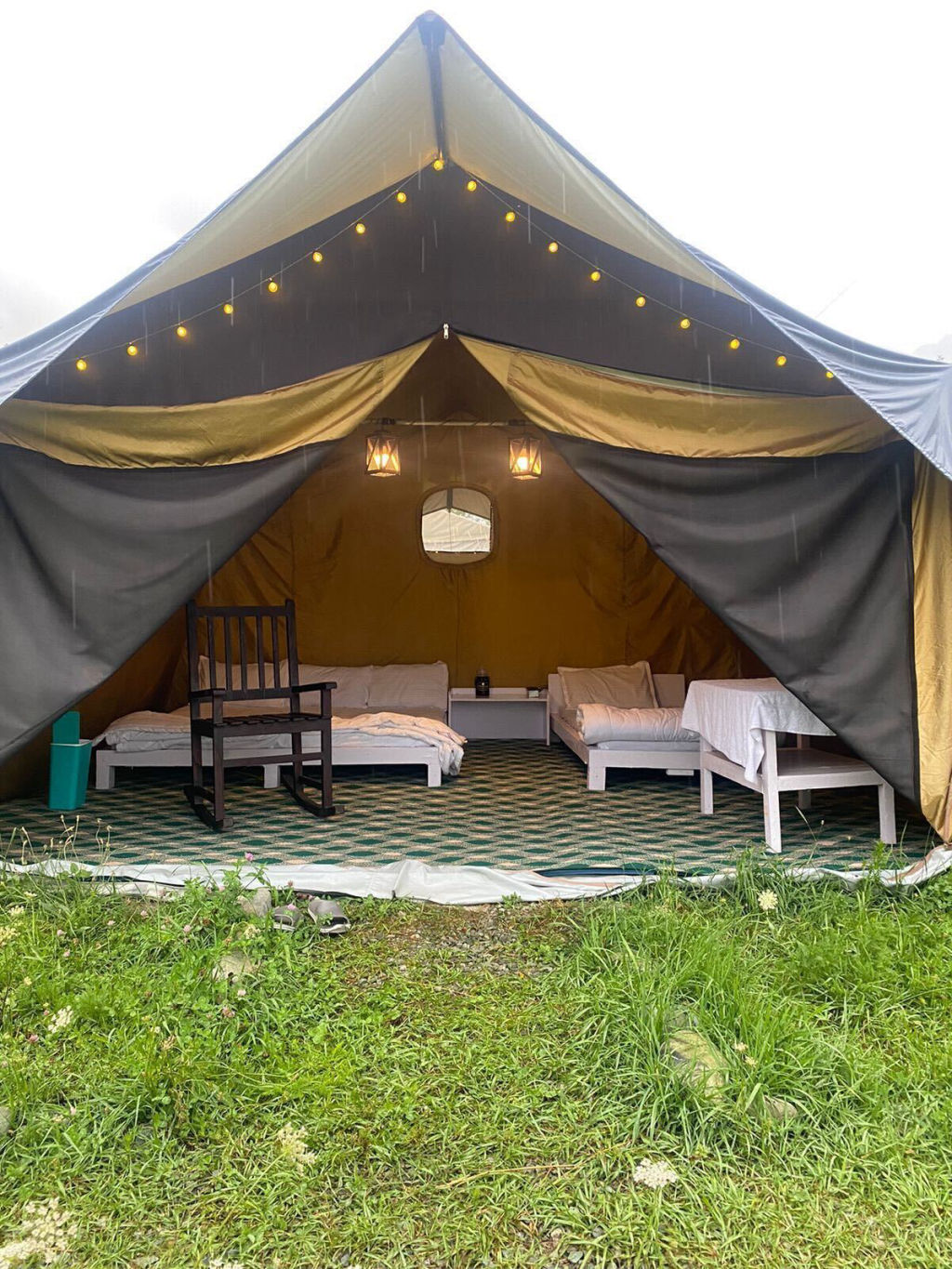
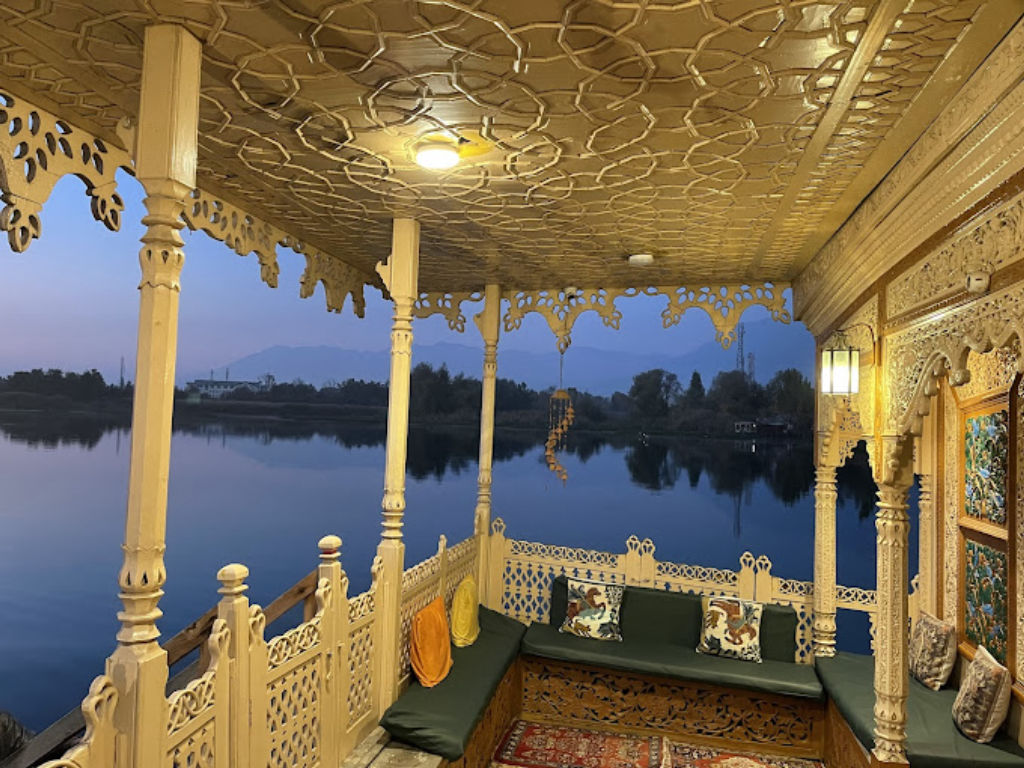
While Downtown Srinagar itself consists mostly of dense residential mohallas and commercial bazaars, travelers can choose from a range of distinctive accommodations nearby. Options across the wider Srinagar district include restored heritage homestays that preserve authentic regional woodwork, scenic camps in surrounding valleys, and traditional houseboats moored along quiet stretches of water. A curated selection of homestays, nature retreats, and campsites around Srinagar can be explored and booked directly through HireACamp.
Frequently asked questions
Is Downtown Srinagar safe to visit for tourists?
Yes, Downtown Srinagar is safe and generally welcoming to travelers who visit during regular daylight hours. It is best to stay aware of current regional conditions and respect the quiet social norms of residential neighborhoods.
How do I get around the old city of Srinagar?
Walking is the most effective way to navigate Downtown Srinagar because the historic lanes and interior courtyards are inaccessible to cars. You can reach the starting points using local auto-rickshaws or taxis from other parts of the city.
What should I wear when visiting religious sites in Downtown Srinagar?
Wear conservative clothing that covers your shoulders, arms, and knees out of respect for local customs. Visitors must remove their shoes at shrine entrances, and women are expected to cover their heads with a scarf.
What traditional crafts can I buy in Downtown Srinagar?
The old city is famous for hand-engraved copperware, authentic Pashmina shawls, walnut wood carvings, spices, and dried fruits. Buying directly from workshops in Shehr-e-Khaas allows you to support multi-generational artisan families.
Where you'll be
Srinagar · 2 stays nearby shown with prices
Stays near Downtown Srinagar
Book a place to stay close by
More places near Downtown Srinagar
Within 20 km
Built from 0 Instagram posts by 0 creators. Every tip links back to the post it came from, and where creators disagree we show both sides.






