
Imambara Zadibal
Heritage & Culture near Nowhatta, Jammu and Kashmir
1.8 km from Nowhatta
The nearest town, for stays, food and fuel.
Imambara Zadibal is a historic religious and cultural monument located in the Zadibal quarter of downtown Srinagar, Jammu and Kashmir. Originally founded in the early sixteenth century, it stands as the principal congregation hall for the region's Shia Muslim community. Travellers and heritage enthusiasts visit to admire its classical Kashmiri woodcraft, intricate ceilings, and its deep connection to the valley's cultural and spiritual history.
Getting there
By road
- From NowhattaNearest town9 min · 2.7 km
Typical drive times without traffic. Stations and airports from OLA Maps; distances and typical drive times from OpenStreetMap (© OpenStreetMap contributors); notes from creators' Reels.
About Imambara Zadibal
Written with AI from map data and general knowledge. Check prices and timings locally before you go.
History and Significance of Imambara Zadibal
Imambara Zadibal holds a profound place in the social and religious tapestry of Kashmir. Originally constructed in 1518 CE by Kaji Chak, a prominent minister during the reign of Sultan Mohammad Shah of the Shah Mir dynasty, it stands as the first and oldest major Imambara built in the Kashmir Valley. Over the centuries, the complex witnessed numerous tribulations, having suffered fires and deliberate destruction during various political shifts and unrest in regional history. Despite being rebuilt multiple times, it remained the spiritual anchor of the local community.
The current structure represents a dedicated revival of traditional devotional space, preserving centuries of heritage within Srinagar's historic quarter. Historically, Imambaras were designed as community assembly halls primarily meant for mourning rituals, theological discourses, and gatherings commemorating the martyrdom of Imam Hussain. As such, Imambara Zadibal is not merely a place of congregation, but an enduring symbol of resilience, communal memory, and cultural continuity in Srinagar.
Architecture and Kashmiri Craftsmanship
The architectural design of Imambara Zadibal is an outstanding showcase of classical Kashmiri craftsmanship, heavily influenced by indigenous timber construction techniques. Unlike the stone monuments common across northern India, major Kashmiri shrines feature elaborate wooden frameworks designed to withstand harsh Himalayan winters and regional seismic shifts.
Inside the expansive prayer halls, visitors can observe exquisite Khatamband ceilings, an intricate traditional art where small pieces of carved wood are fitted together into geometric polygons without the use of nails. The windows and partitions feature delicate Pinjrakari, a style of wooden lattice work that filters sunlight into soft geometric patterns across the carpets. The spacious two-story hall, supported by carved timber pillars, creates an atmosphere of profound serenity and grandeur. The blend of Persian aesthetic influences with native Himalayan timber traditions makes the Imambara an important site for students of architecture and heritage lovers.
Read more
Cultural Observances and Muharram
Throughout most of the year, Imambara Zadibal functions as a tranquil sanctuary for prayer, reflection, and quiet congregation. However, during the Islamic month of Muharram, and specifically on days like Ashura and Arbaeen, the complex becomes the epicentre of religious devotion in Kashmir. Thousands of mourners from across the valley gather here to participate in majlis, listen to elegies, and partake in solemn processions known as Azadari.
During these periods, the atmosphere shifts into one of shared remembrance and communal solidarity. Traditional elegies, known locally as Marsiya and Noha, echo across the central hall and the surrounding courtyard. Community arrangements are made outside the shrine to serve tea, water, and traditional food to attendees and passing travellers. Experiencing the site during these solemn assemblies offers a rare window into the living traditions of the Shia community in Kashmir, though visitors should always remain mindful of the emotional and sacred nature of the events.
Best Time to Visit Imambara Zadibal
Srinagar experiences distinct seasons, each offering a contrasting backdrop for exploring historical monuments like Imambara Zadibal. Spring, lasting from March to early May, brings blooming almond orchards across the neighboring areas and mild daytime temperatures that make walking through the historic quarters pleasant. Autumn, from September through November, offers golden chinar leaves, crisp air, and stable sunny weather ideal for cultural sightseeing.
Summer between June and August brings warmer weather, though daytime explorations are best done in the early morning or late afternoon to avoid the heat. Winter transforms the old city under blankets of snow from December to February. While cold, visiting the Imambara in winter highlights the functional warmth of traditional wooden construction, though visitors should dress in heavy woollens and thermal wear. If you wish to witness the grand cultural gatherings of Muharram, check the lunar Islamic calendar before planning, as the dates shift by approximately ten to eleven days each year.
Places to Visit Around Zadibal
Zadibal is located in the older part of Srinagar, surrounded by several prominent cultural and natural landmarks that can easily be woven into a day of sightseeing. Just one kilometre away rises Hari Parbat, crowned by a historic fort and home to the sacred shrine of Makhdoom Sahib and the Gurdwara Chatti Padshahi on its slopes. The peak provides sweeping views across the rooftops of downtown Srinagar and the surrounding valleys.
A short distance beyond lies Jamia Masjid, the monumental grand mosque known for its towering deodar wooden columns and vast central courtyard. Nearby, Badamwari Park offers sprawling orchards that burst into delicate pale blossoms each spring, creating a serene environment for an afternoon walk. For lovers of calm waterways, Nigeen Lake and Anchar Lake are situated within three to four kilometres of the Imambara. Nigeen Lake is noted for its placid waters lined with willows and houseboats, while Anchar Lake represents an ecologically rich wetland connected to the city's ancient water networks.
Tips for Travellers Visiting the Shrine
Because Imambara Zadibal is an active place of worship and deeply sacred to the local community, maintaining respectful etiquette is essential. Dress modestly when visiting, ensuring your arms and legs are covered; women are required to cover their heads with a scarf or shawl, and men are also advised to dress conservatively. Remove your footwear at the designated areas outside the prayer hall before entering.
Photography is generally restricted during prayer times and religious mourning rituals, so always ask for permission from caretakers before taking photographs or recording video inside. Check locally for visiting guidelines and timing, as public access may be restricted during major religious observances or community functions. Downtown Srinagar features narrow lanes, so navigating on foot or taking an auto-rickshaw from the main transit points is often much easier than driving a private car through the old bazaars.
Where to Stay in Srinagar
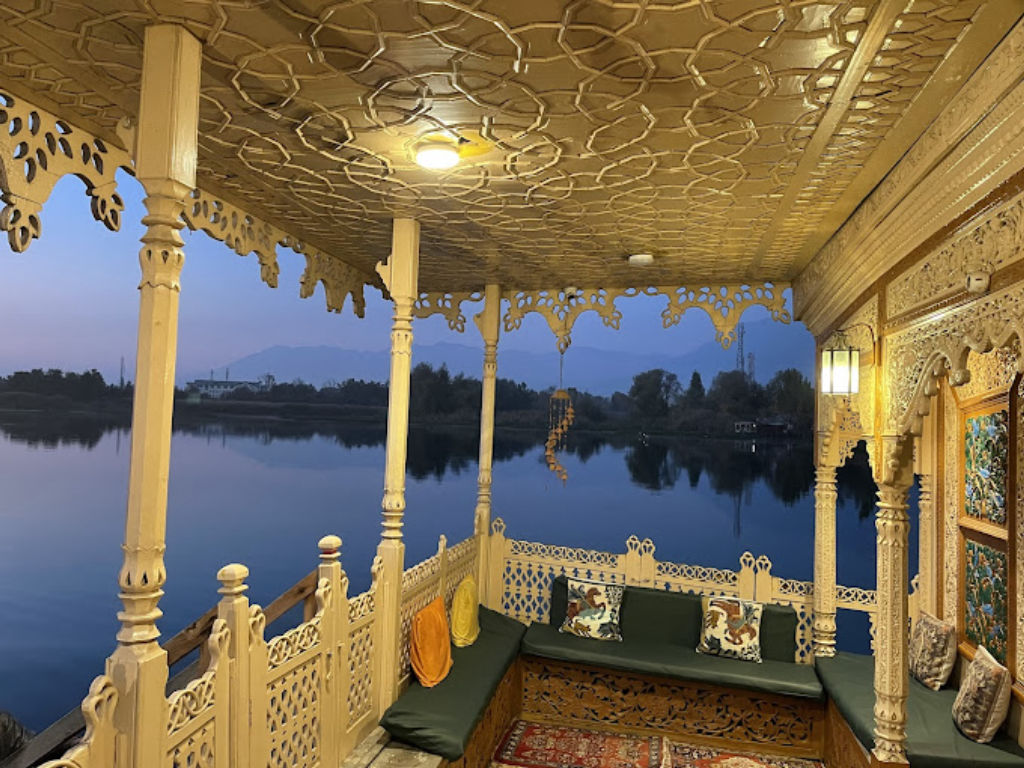
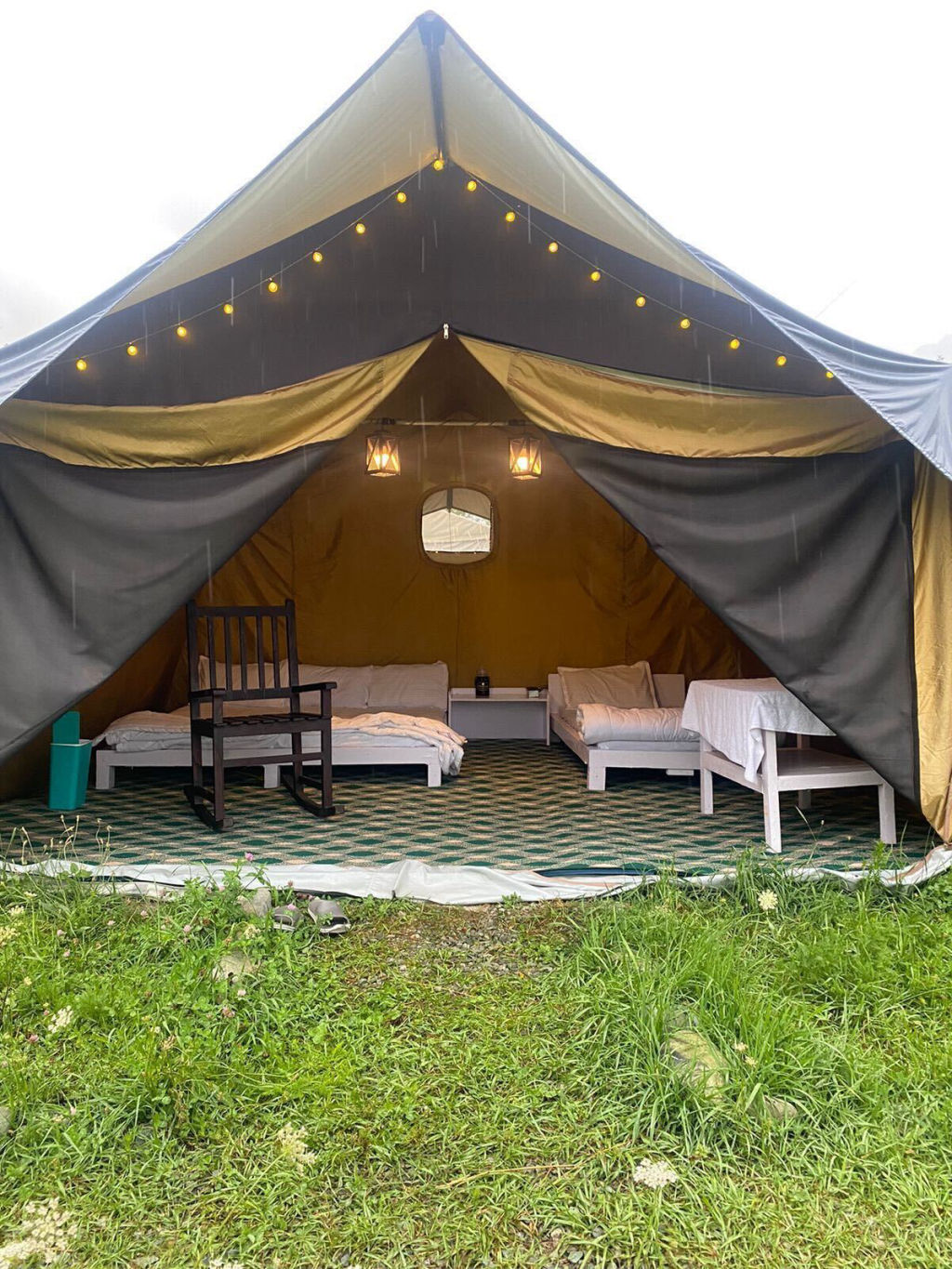
Srinagar offers a diverse selection of stays catering to different travel styles, ranging from lakeside homestays and heritage houses to experiential camps nestled on the city's outskirts. Staying close to downtown or along the shores of nearby lakes allows easy access to cultural landmarks like Imambara Zadibal while offering authentic glimpses of everyday Kashmiri life.
You can explore a variety of verified homestays, cottages, and camps in and around Srinagar directly on HireACamp to suit your travel itinerary.
Frequently asked questions
Where is Imambara Zadibal located?
Imambara Zadibal is situated in the Zadibal neighbourhood of downtown Srinagar, Jammu and Kashmir, roughly one kilometre away from Hari Parbat.
What makes Imambara Zadibal architecturally significant?
It is renowned for its traditional Kashmiri wooden architecture, featuring hand-fitted Khatamband geometric ceilings, intricate Pinjrakari lattice woodwork screens, and monumental timber columns.
Can tourists visit Imambara Zadibal?
Yes, visitors of all backgrounds are welcome to appreciate its historic architecture, provided they dress modestly, remove footwear before entering, and observe respectful decorum inside the prayer hall.
When are the major gatherings held at Imambara Zadibal?
The largest religious congregations take place during the Islamic month of Muharram, particularly on the days of Ashura and Arbaeen, when thousands assemble for commemorative majlis and mourning processions.
What should visitors wear when visiting the shrine?
Visitors should wear loose, modest clothing that covers shoulders and knees, bring a headscarf to cover their heads, and check locally for prayer timings and photography etiquette before entering.
Where you'll be
Zadibal, Srinagar · 2 stays nearby shown with prices
Stays near Imambara Zadibal
Book a place to stay close by
More places near Imambara Zadibal
Within 20 km
Built from 0 Instagram posts by 0 creators. Every tip links back to the post it came from, and where creators disagree we show both sides.






