
Yuksom
Heritage & Culture near Yuksom, Sikkim
100 m from Yuksom
The nearest town, for stays, food and fuel.
Yuksom is a quiet, historic hamlet tucked in the western mountains of Sikkim near Gyalshing. Regarded as the first capital of the former Kingdom of Sikkim, it holds immense spiritual and historical importance for the region. Travellers and outdoor enthusiasts visit Yuksom to walk among ancient Buddhist heritage sites, explore serene pine forests, and start treks towards the high Himalayan ranges.
Getting there
About Yuksom
Written with AI from map data and general knowledge. Check prices and timings locally before you go.
The Historic Significance of Yuksom
Yuksom is often called the cradle of Sikkimese history. In 1642, three revered lamas arrived here from Tibet and consecrated Phuntsog Namgyal as the first Chogyal, or monarch, of Sikkim. This momentous event marked the foundation of the Namgyal dynasty and established Yuksom as the kingdom's inaugural administrative and religious centre.
The town retains tangible connections to that era. A short walk from the village centre leads to Norbugang Park, where the stone coronation throne, known as the Norbugang Coronation Throne, stands beneath an ancient pine tree. Nearby sits a sacred footprint embedded in rock, believed to belong to one of the lamas, along with a serene holy lake, Kathok Lake. For anyone drawn to the cultural roots of the Eastern Himalayas, walking through Yuksom offers a quiet journey into centuries of spiritual devotion.
Heritage and Culture in Yuksom
Daily life in Yuksom is shaped by traditional Buddhist ethos and the warm hospitality of the local communities. The settlement is dotted with prayer flags fluttering in the mountain breeze, historic stupas, and monasteries perched on surrounding ridges.
Among the prominent religious landmarks is Dubdi Monastery, widely considered to be one of the oldest monasteries in Sikkim. Perched on a forested hilltop above the village, it requires an uphill walk through dense groves of chestnut and oak. The monastery houses intricate murals, rare sacred statues, and historical texts that give visitors a glimpse into centuries-old monastic traditions. Down in the valley, the modest village monasteries and shrines remain central to the everyday rhythms of the local residents, who gather for community prayers and seasonal festivals.
Read more
Best Time to Visit Yuksom
Yuksom experiences distinct Himalayan seasons, each lending a different character to the landscape. The spring months from March to May bring mild daytime temperatures, blossoming rhododendrons, and clear mountain vistas. It is an ideal window for walking along village paths, visiting monastic complexes, and exploring the surrounding nature trails without the bite of winter.
Autumn, running from late September through November, offers arguably the clearest skies of the year. The post-monsoon air is crisp, and views of the surrounding valleys and peaks are sharp. The monsoon season from June to early September brings heavy rainfall to West Sikkim, transforming the hillside into rich shades of green but also making road travel prone to landslides. Winter, from December to February, is quite cold, especially after sunset, though daytime sunshine often keeps walks pleasant for travellers who dress warmly.
How to Reach Yuksom
Reaching Yuksom involves a scenic journey through the valleys and winding hillside roads of Sikkim. The nearest regional administrative hub is Gyalshing, located south of Yuksom. Most visitors reach the region by road from transit junctions such as Siliguri, New Jalpaiguri, or Bagdogra in neighbouring West Bengal.
From these transport hubs, shared jeeps and private taxis run towards major Sikkimese towns like Jorethang, Pelling, and Gyalshing, from where connecting vehicles head onward to Yuksom. The drive takes you along steep river valleys, terraced farmland, and dense mountain forests. Due to the hilly terrain and fluctuating mountain road conditions, travel times can vary, so it is best to start journeys early in the day.
Places to Visit in and Around Yuksom
Exploring Yuksom on foot is one of the most rewarding ways to absorb its calm atmosphere. Beyond the Norbugang Coronation site and Dubdi Monastery, a gentle stroll leads to Kathok Lake, surrounded by prayer wheels and dense vegetation. It is regarded as a sacred water body and serves as a peaceful spot for reflection.
Further along the roads and trails, visitors can explore the nearby Phamrong Waterfall, which cascades down a sheer rock face amidst lush green surroundings. The forested trails leading out of the village also draw trekkers heading towards the higher reaches of the Dzongri and Goecha La routes within the Kanchenjunga National Park. Even for those not embarking on a multi-day trek, day walks through the buffer forests around Yuksom offer birdwatching and glimpses of pristine mountain streams.
Tips for Travellers Visiting Yuksom
Because Yuksom is an important spiritual and historical enclave, visitors are encouraged to respect local customs. When visiting monasteries, shrines, and sacred lakes, walk clockwise around monuments, remove footwear where requested, and dress modestly. Always ask before photographing monks or religious ceremonies.
Mountain weather can change quickly, so carrying layered clothing, sturdy walking shoes, and rain protection is recommended throughout the year. Cash is essential, as digital payment connectivity and banking machines in remote corners of West Sikkim can be intermittent. Travellers entering Sikkim should also ensure they carry valid government identification and check local documentation requirements for touring specific heritage zones or trailheads.
Where to Stay in Yuksom
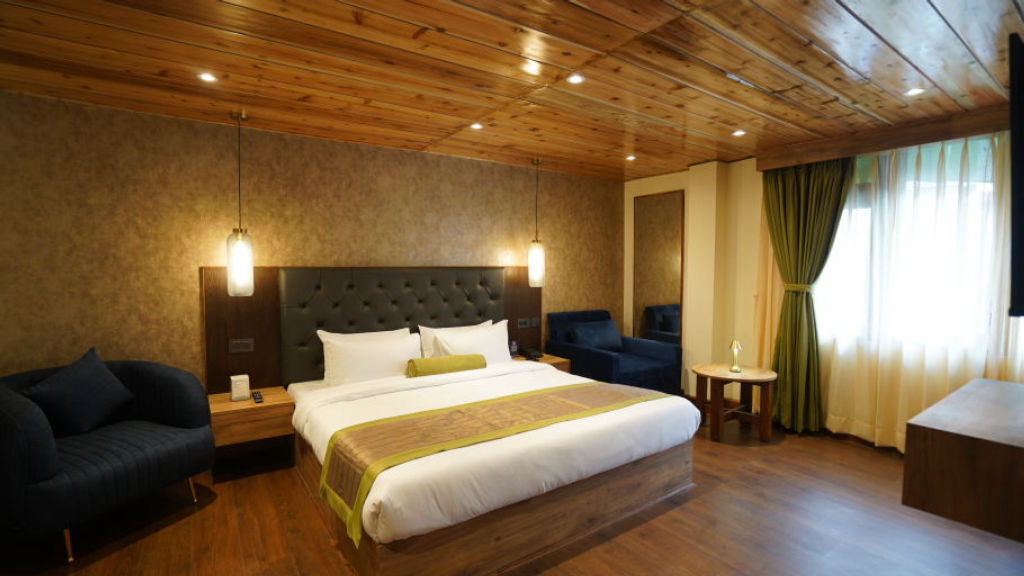
Yuksom offers a grounded, community-centred lodging experience that reflects the warmth of West Sikkim. Rather than large commercial resorts, the village has a collection of family-run homestays, simple lodges, and rural guesthouses where visitors can enjoy wholesome, home-cooked regional meals made from locally sourced ingredients.
For those seeking outdoor getaways, camping spots and rustic homestays in and around Yuksom can be explored and booked on HireACamp. Staying locally provides a wonderful opportunity to slow down, converse with village residents, and wake up to mountain mist and birdsong.
Frequently asked questions
What is Yuksom famous for?
Yuksom is famous as the first historical capital of Sikkim, where the Namgyal dynasty was established in 1642. It is also renowned for ancient heritage sites like the Norbugang Coronation Throne and Dubdi Monastery, as well as being a gateway for Himalayan treks.
Which is the nearest town to Yuksom?
The nearest prominent town to Yuksom is Gyalshing, which serves as an important administrative and transit hub in the region.
When is the best season to visit Yuksom?
The best times to visit are during spring from March to May and autumn from late September to November, when the weather is clear, comfortable, and ideal for outdoor exploration.
Can Yuksom be explored on foot?
Yes, Yuksom is a compact settlement where primary attractions such as Kathok Lake, the Norbugang site, and trails leading to Dubdi Monastery can be comfortably visited on foot.
Where can I book homestays or camping near Yuksom?
You can find and book homestays, rustic stays, and outdoor camping options in and around Yuksom directly on HireACamp.
Where you'll be
Yuksom, Geyzing,, Gyalshing · 1 stay nearby shown with prices
Stays near Yuksom
Book a place to stay close by
More places near Yuksom
Within 20 km
Lists for this area
Ranked by how many creators recommend each place


Built from 0 Instagram posts by 0 creators. Every tip links back to the post it came from, and where creators disagree we show both sides.






