
Rait
Destination in Himachal Pradesh
Rait is a tranquil settlement situated in the fertile Kangra Valley of Himachal Pradesh, framed by the sweeping ridgeline of the Dhauladhar range. Positioned just off regional thoroughfares, it offers a grounded and rural retreat characterized by pine groves, terraced farms, and traditional village life. Travellers visit Rait to explore local cultural landmarks like Machhial Lake, discover the ancient ruins of Kangra Fort, and use the area as a calm base for excursions into Dharamshala and McLeod Ganj.
Getting there
By road
- From Amritsar3 hr 55 min · 187 km
- From Ludhiana4 hr 15 min · 199 km
- From Chandigarh5 hr 5 min · 242 km
Typical drive times without traffic. Stations and airports from OLA Maps; distances and typical drive times from OpenStreetMap (© OpenStreetMap contributors); notes from creators' Reels.
About Rait
Written with AI from map data and general knowledge. Check prices and timings locally before you go.
About Rait and the Kangra Valley
Rait is a scenic locality nestled in the Kangra district of Himachal Pradesh, set against the dramatic backdrop of the Dhauladhar mountains. Unlike the high-altitude resort towns further up the slopes, Rait retains a quiet, agrarian character where terraced fields, orchards, and traditional slate-roofed homes define the landscape. Its setting along lower valley transit routes gives it a milder climate and an unhurried, pastoral pace that appeals to travellers looking to escape heavy crowds.
The Kangra Valley is steeped in regional folklore, centuries of history, and enduring spiritual customs. In Rait, everyday life centers around rural hamlets and open courtyards where residents tend to small farms and seasonal crops. Visitors can enjoy sweeping views of snow-dusted Himalayan peaks rising sharply over lush green plains, making it a peaceful, authentic base for exploring the diverse landscapes and heritage sites of lower Himachal.
Things to do in and around Rait
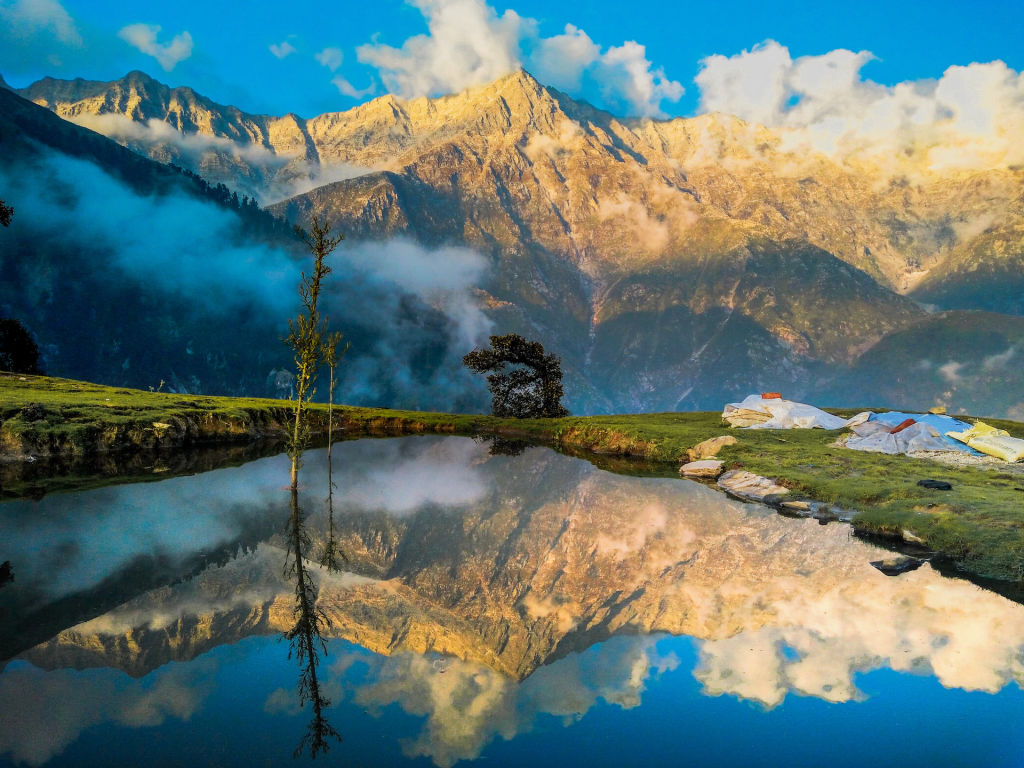
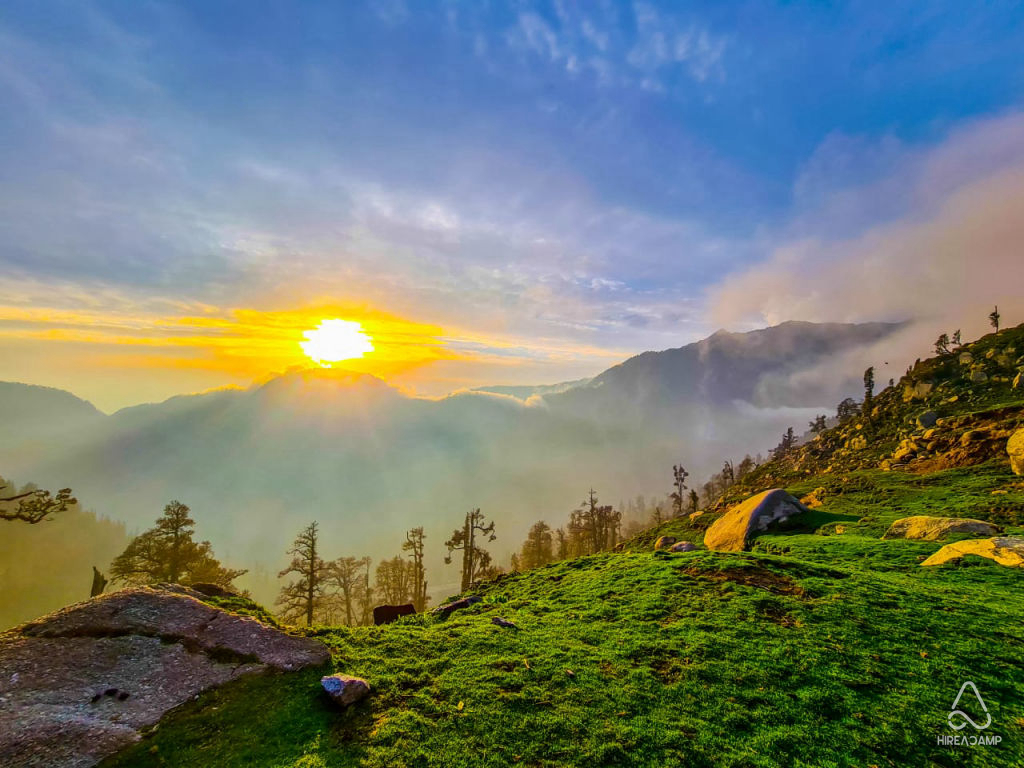
Spending time in Rait is primarily an opportunity to slow down, explore the outdoors, and experience traditional Himachali culture. Walking trails wind through small agricultural settlements and forested paths where you can witness local farming routines, seasonal harvests, and classic vernacular architecture. The open clearings on the outskirts of town provide prime vantage points for photography, especially during sunrise and sunset when golden light hits the Dhauladhar peaks.
A key highlight located just three kilometres from the town center is Machhial Lake and its associated shrine. This tranquil body of water is linked to sage Machhendranath and is regarded as deeply sacred by local communities. The freshwater fish in the pool are considered auspicious and are protected from fishing, drawing visitors who come to feed the schools of fish, offer prayers, and enjoy the calming atmosphere along the riverbanks.
Read more
Places to visit near Rait
Rait serves as an excellent starting point for discovering the rich heritage and diverse landscapes of the greater Kangra region. Roughly eleven kilometres away lies Kangra Fort, one of the oldest recorded forts in India and the historic seat of the Katoch dynasty. Perched on a steep hill above the confluence of the Banganga and Majhi rivers, the fort features formidable stone gates, ancient temple ruins, and ramparts that look out over the entire river basin.
Heading approximately twelve kilometres upward into the foothills brings you to McLeod Ganj and upper Dharamshala. This lively mountain area contrasts vividly with the rural quiet of Rait, offering vibrant Tibetan cultural institutions, bustling craft markets, and hillside cafes. Visitors can spend the day exploring monastery complexes, walking through high-altitude deodar forests, and sampling regional foods before returning to the calm, relaxed setting of Rait for the evening.
Best time to visit Rait
Rait experiences a subtropical highland climate with four marked seasons, each offering a distinct feel. The spring and summer months from March to June bring warm, sunny days and cool evenings. This is a popular window for general sightseeing, village walks, and exploring historic landmarks across the Kangra Valley under clear, bright skies.
The monsoon arrives in July and extends through August, drenching the valley and transforming the landscape into an intense green expanse. Natural streams swell and mist drapes across the foothills, though visitors should remain cautious on mountain roads during periods of heavy rain. Autumn, from September through November, offers crisp mountain air, golden agricultural fields, and exceptional visibility of the Dhauladhar summits. Winter, spanning December to February, brings cold nights and brisk, pleasant days. While Rait itself rarely gets snow, the mountain peaks towering above it are heavily blanketed in white, providing a striking visual backdrop.
How to reach Rait
Rait is well-connected to major transit networks across Himachal Pradesh and neighboring states. The nearest flight connectivity is available at Kangra Airport in Gaggal, situated only a short drive away. The airport operates regular regional flights to and from New Delhi and Chandigarh, from where taxis and local buses can quickly transport travellers directly into Rait.
For those travelling by train, Pathankot in Punjab serves as the primary broad-gauge railhead, located roughly eighty to ninety kilometres away. From Pathankot, you can hire a cab, take a state transport bus, or catch the historic narrow-gauge Kangra Valley toy train to a nearby station for a scenic ride across the foothills. Rait is also directly accessible by road along regional highways, with steady bus links and road routes connecting it to Dharamshala, Kangra, Pathankot, and Chandigarh.
Tips for your visit to Rait
Because temperatures in the valley can shift noticeably between day and night, carrying light layers is recommended for most trips, along with warmer woollens if you visit during late autumn or winter. Sturdy footwear is essential if you plan to walk village paths, wander along riverbeds, or explore the stone steps and courtyards of Kangra Fort.
Local customs should be respected when visiting Machhial Lake and village temples; remember to remove footwear before entering shrine perimeters and treat the sacred aquatic life gently. While local buses and shared vehicles run steadily along main valley roads, having access to a private vehicle or booking a day taxi provides far more flexibility for visiting offbeat viewpoints and rural sights at your own pace. Carrying some cash is also advisable, as small village stalls may not always have reliable network coverage for digital payments.
Where to stay in and around Rait
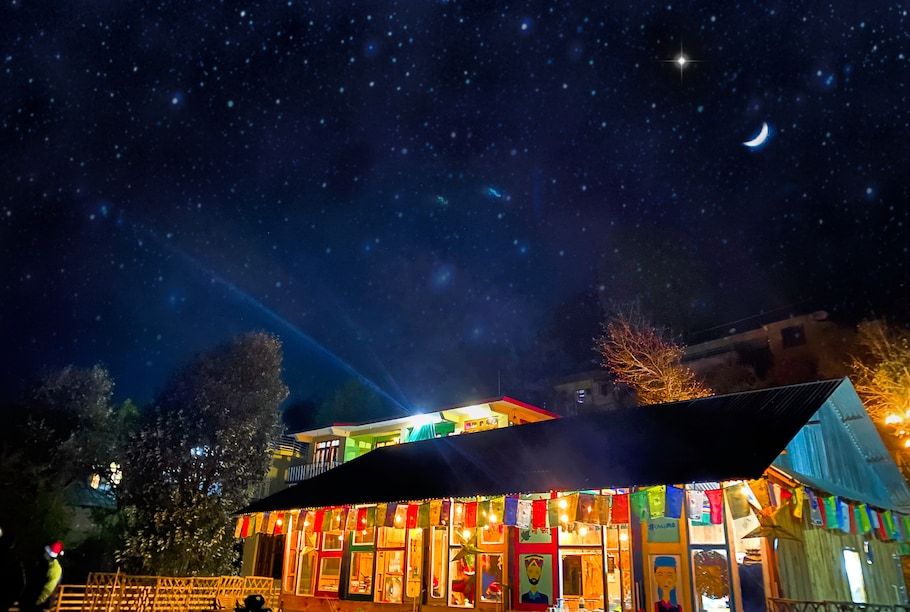
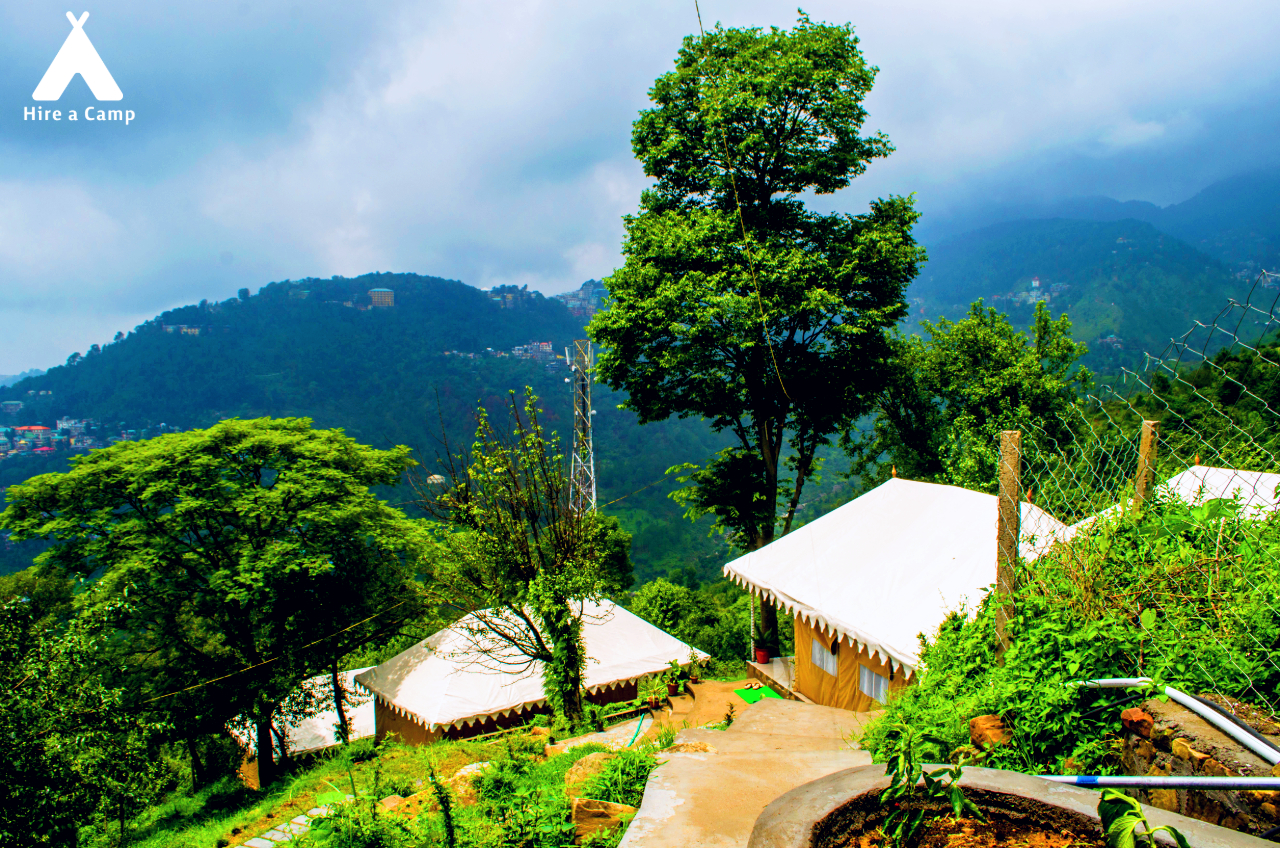
Staying in Rait offers an unhurried, personal experience that stands in pleasant contrast to crowded commercial centers. Accommodation options in this rural pocket give visitors the chance to wake up to birdsong, stroll through quiet orchards, and enjoy home-cooked Himachali meals prepared using seasonal, local ingredients.
Whether you are looking for peaceful riverside camping spots, family-run village homestays, or scenic nature getaways set against the lower slopes of the Dhauladhar range, you can discover and reserve your stay in and around Rait on HireACamp.
Frequently asked questions
Where is Rait located?
Rait is a town situated in the Kangra district of Himachal Pradesh, set in the fertile valley below the Dhauladhar mountain range near Kangra and Shahpur.
What is Machhial Lake near Rait known for?
Machhial Lake, located about three kilometres from Rait, is a sacred water body and temple site revered for its association with sage Machhendranath and its protected schools of freshwater fish.
How far is McLeod Ganj from Rait?
McLeod Ganj is approximately twelve kilometres uphill from Rait, making it an easy and convenient day trip for cultural sightseeing and monastery visits.
What is the closest airport to Rait?
Kangra Airport at Gaggal is the nearest airport to Rait, located just a short drive away with regular flight connections to New Delhi and other hubs.
When is the best time of year to visit Rait?
The most pleasant months to visit Rait are from September to June, with autumn and spring offering optimal weather and clear views of the surrounding snow-capped peaks.
Where you'll be
4 stays nearby shown with prices
Stays near Rait
Book a place to stay close by
Things to do in Rait
48 places creators recommend within 30 km


Built from 0 Instagram posts by 0 creators. Every tip links back to the post it came from, and where creators disagree we show both sides.






