
Rajbagh Lake
Lake near Ranthambhore, Rajasthan
4.2 km from Ranthambhore
The nearest town, for stays, food and fuel.
Rajbagh Lake is a picturesque water body nestled amidst the rugged forest terrain of Sawai Madhopur in eastern Rajasthan. Dotted with ancient stone ruins that emerge directly from its shores, the lake serves as a vital ecological haven and watering hole for the region's diverse wildlife. Visitors travel here to take in the dramatic synthesis of wild nature and historic stone architecture in the heart of Ranthambore's wilderness.
Getting there
By road
- From RanthambhoreNearest town49 min · 5.6 km
- From Jaipur3 hr 45 min · 231 km
- From New Delhi5 hr 30 min · 363 km
- From Bhopal8 hr 35 min · 463 km
Typical drive times without traffic. Stations and airports from OLA Maps; distances and typical drive times from OpenStreetMap (© OpenStreetMap contributors); notes from creators' Reels.
About Rajbagh Lake
Written with AI from map data and general knowledge. Check prices and timings locally before you go.
Setting and Landscape of Rajbagh Lake
Rajbagh Lake is situated in the undulating topography of the Aravalli and Vindhya hill ranges in Sawai Madhopur Tehsil. The lake is one of several natural and semi-natural reservoirs in the area that sustain the surrounding tropical dry deciduous forests. Its calm waters are flanked by dense dhok forest, rocky ridges, and expansive marshy patches where reeds and water plants flourish.
What sets Rajbagh Lake apart from ordinary forest lakes is the presence of the historic Rajbagh ruins. Crumbling arches, stone pavilions, and weathered walls stand on the banks and jut into the shallows, overgrown with moss and creeping vegetation. The interplay between quiet reflective water, aged masonry, and dense foliage gives the location an evocative, timeless atmosphere that appeals to naturalists and landscape photographers alike.
Wildlife Around Rajbagh Lake
The aquatic ecosystem of Rajbagh Lake is a primary draw for wild animals seeking hydration and forage. Aquatic vegetation thrives across the shallower parts of the lake, drawing large herds of sambar deer. These deer often wade deep into the water, dipping their heads completely beneath the surface to graze on succulent water lilies and reeds. Wild boar and spotted deer are also common visitors along the grassy margins.
The lake supports a robust population of marsh crocodiles, which can regularly be seen basking on sunlit mudflats or resting motionlessly near the reeds. Rajbagh Lake is also a renowned territory for apex predators, including the Royal Bengal tiger and the Indian leopard, who visit the banks to drink or stalk prey through the stone ruins. Birdwatchers can spot a wide array of avian species, ranging from kingfishers and painted storks to cormorants, herons, and migratory waterfowl during the cooler months.
Read more
Best Time to Visit Rajbagh Lake
The ideal time to explore Rajbagh Lake is between October and March. During these winter months, temperatures in Sawai Madhopur are pleasantly mild, making open-air excursions through the wilderness comfortable. The lake also hosts numerous migratory birds that travel from northern latitudes to overwinter in its tranquil waters.
From April to June, the region experiences severe summer heat, with daytime temperatures rising significantly. While the weather during this period is dry and harsh, the drying up of smaller forest waterholes forces more animals toward Rajbagh Lake, increasing the likelihood of observing wildlife near the water. The surrounding forest reserve is typically closed during the height of the monsoon season, so plan your visit outside of the rain-heavy summer months.
How to Reach Rajbagh Lake
Rajbagh Lake lies within the forest tracts of Sawai Madhopur district. The gateway town of Sawai Madhopur is exceptionally well-connected by Indian Railways, sitting on the main line between Delhi and Mumbai. Frequent express trains link the town with major hubs such as Jaipur, Delhi, and Kota.
For those travelling by air, the closest commercial airport is in Jaipur. From Jaipur, visitors can hire private taxis or take state transport buses to reach Sawai Madhopur. Because the lake is located within protected forest boundaries, it cannot be reached by private personal vehicles directly; access is granted only through authorized local safari vehicles and designated forest tracks. Check local forest administration guidelines for current transit rules and bookings.
Tips for Your Visit to Rajbagh Lake
Visiting Rajbagh Lake requires following forest safety and conservation codes. Because the area is a vital habitat for apex predators and large herbivores, you must always remain seated inside your authorized safari vehicle and avoid making sudden movements or loud noises that could disturb the animals.
Dress in earth-toned clothing such as olive greens, browns, and khaki to blend naturally into the surroundings. Bright colours can alert or stress wild animals. Carry high-quality binoculars and a telephoto lens if you are keen on photography, as animals often keep a distance on the opposite banks or hide behind the stone ruins. Bring adequate water and sun protection, especially if visiting in the warmer spring and summer months.
Places to Visit Nearby
The area surrounding Rajbagh Lake offers several notable attractions that make a wider itinerary worthwhile. Most prominently, the surrounding Ranthambore National Park provides expansive trails through gorges, grasslands, and past historic battlements, offering a deep dive into Rajasthan's wilderness.
Cultural landmarks are also situated nearby. The ancient Arneshwar Mahadev Temple, located around twenty-five kilometres away, is a peaceful spiritual retreat dedicated to Lord Shiva. Further afield, roughly thirty kilometres from the lake, stands the historic Chauth Mata Temple perched atop a hill in Chauth Ka Barwara, drawing pilgrims and travellers with its regional architecture and sweeping panoramic views.
Where to Stay Near Rajbagh Lake
Because Rajbagh Lake is located inside a protected natural zone, overnight stays right on the lake shore are strictly prohibited to ensure wildlife conservation. However, the outskirts of Sawai Madhopur and the surrounding countryside feature an assortment of tranquil rural getaways.
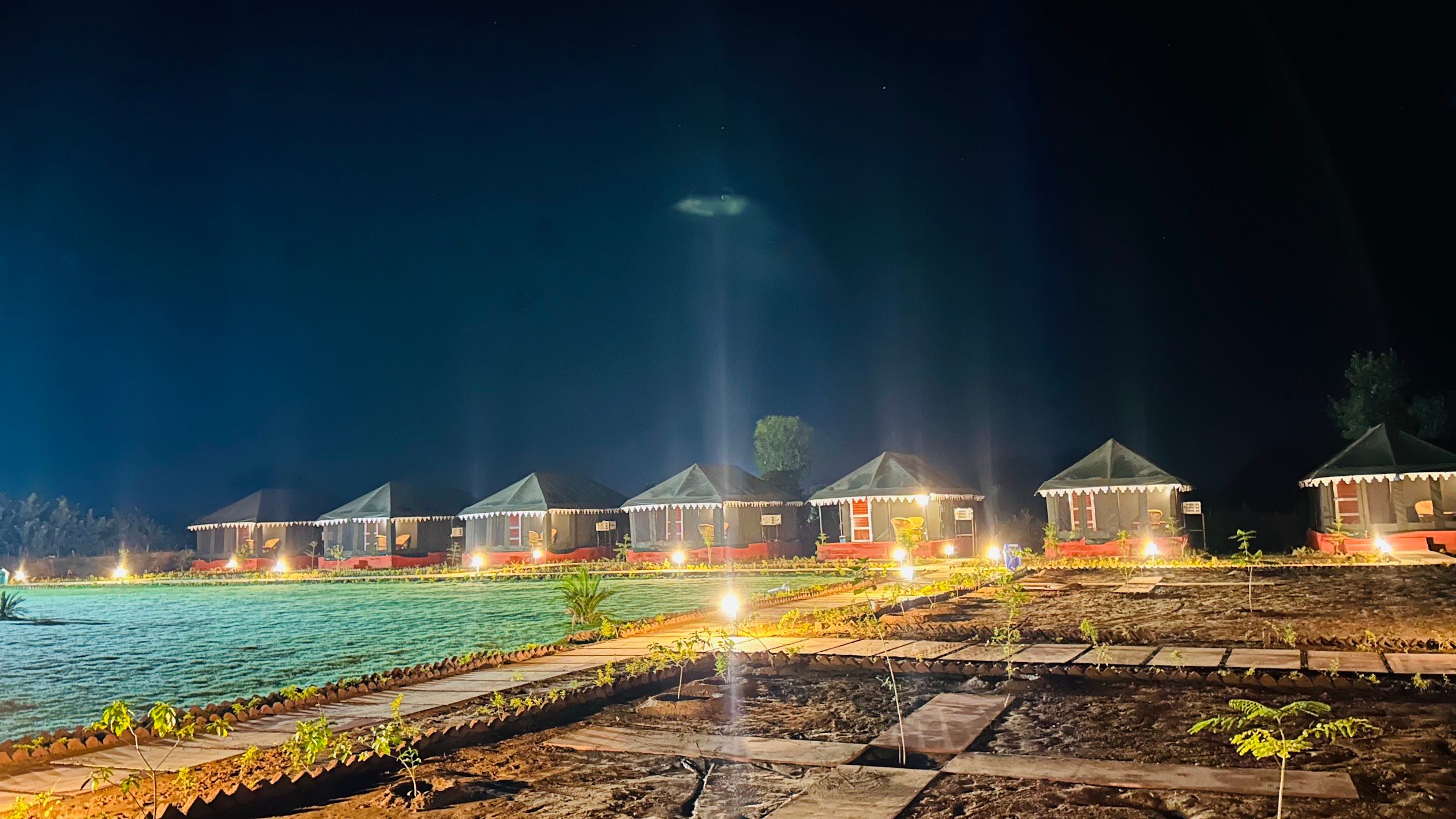
Travellers looking to spend their nights immersed in peaceful countryside settings can explore HireACamp to discover homestays, nature retreats, and eco-friendly campsites. Staying nearby allows you to easily connect with early morning wilderness excursions while enjoying warm Rajasthani hospitality and starry night skies.
Frequently asked questions
Can I walk on foot around Rajbagh Lake?
No, walking on foot around Rajbagh Lake is not allowed because it is located inside an active wildlife habitat home to tigers, leopards, and crocodiles. All visits must be conducted inside registered forest safari vehicles.
What are the historic ruins at Rajbagh Lake?
The stone ruins on the lake's banks are the Rajbagh palace structures, dating back to historic eras when the region served as royal hunting grounds. The ruined arches and pavilions now provide cover for wildlife.
Is Rajbagh Lake open throughout the year?
No, access to the lake is generally closed to travellers during the monsoon months when the surrounding forest reserve shuts for rejuvenation and breeding seasons. Always check local forest department notices for seasonal operational dates.
What wildlife can I see at Rajbagh Lake?
You can often observe sambar deer feeding on water plants, marsh crocodiles sunning on the banks, wild boars, spotted deer, varied resident and migratory waterbirds, and occasionally Bengal tigers patrolling the perimeter.
Where you'll be
Sawai Madhopur Tehsil, RJ · 1 stay nearby shown with prices
Stays near Rajbagh Lake
Book a place to stay close by
More places near Rajbagh Lake
Within 20 km

Built from 0 Instagram posts by 0 creators. Every tip links back to the post it came from, and where creators disagree we show both sides.






