
Ranthambhore
Destination in Rajasthan
Ranthambhore, situated in the Sawai Madhopur district of southeastern Rajasthan, is one of India's most celebrated wildlife destinations. Framed by the rugged Vindhya and Aravalli hill ranges, the area is renowned for its wild Bengal tigers, ancient fortress ruins, and sprawling deciduous forests. Travellers visit Ranthambhore to experience thrilling jungle safaris, explore centuries of royal heritage, and enjoy quiet wilderness retreats.
Getting there
By road
- From Jaipur4 hr 35 min · 237 km
- From New Delhi6 hr 20 min · 369 km
- From Bhopal9 hr 25 min · 469 km
Typical drive times without traffic. Stations and airports from OLA Maps; distances and typical drive times from OpenStreetMap (© OpenStreetMap contributors); notes from creators' Reels.
About Ranthambhore
Written with AI from map data and general knowledge. Check prices and timings locally before you go.
What Ranthambhore is known for
Ranthambhore is synonymous with the majestic Royal Bengal tiger. Once the private hunting grounds of the Maharajas of Jaipur, the landscape is defined by dry deciduous forests, open grassy meadows, steep rocky cliffs, and tranquil lakes that form a striking backdrop for wildlife photography.
Beyond its famous apex predator, Ranthambhore is unique because of the seamless blending of nature and historical architecture. Centuries-old stone pavilions, ruined battlements, chhatris, and temples are scattered across the wilderness, gradually reclaimed by the forest. This dramatic contrast makes Ranthambhore distinctly atmospheric, offering a sense of romance and adventure rarely matched in other wildlife reserves across the country.
Things to do in and around Ranthambhore
The primary draw of Ranthambhore is taking guided jungle safaris into the wilderness. Safari drives are operated twice daily, during early morning and late afternoon, traversing designated zones within the park. In addition to tigers, sharp-eyed visitors can spot leopards, sloth bears, striped hyenas, sambar deer, chital, nilgai, and marsh crocodiles basking along the banks of lakes like Padam Talao and Malik Talao. The park is also a haven for birdwatchers, with over three hundred resident and migratory avian species flitting through the canopy.
A visit to the monumental Ranthambhore Fort, perched atop a sheer cliff inside the reserve, is equally unmissable. Dating back to the tenth century, the UNESCO World Heritage-listed fort features sprawling ramparts, ancient reservoirs, and carved stone arches. From its battlements, you can enjoy sweeping panoramic views of the dense forest canopy below. While walking through the fort, you will also come across the revered Trinetra Ganesha Temple, which attracts pilgrims from across the region.
For those interested in regional arts and crafts, the surrounding town offers opportunities to explore traditional Rajasthani craft traditions. Local cooperatives and artisan studios produce block-printed textiles, dhurrie rugs, and wildlife paintings, making it easy to appreciate the creative heritage of the area.
Read more
Places to explore nearby
The town of Sawai Madhopur serves as the primary gateway to Ranthambhore and is worth a leisurely walk to experience regional markets and local Marwari and Rajasthani street foods. The nearby Rajiv Gandhi Regional Museum of Natural History provides thoughtful educational exhibits on the region's flora, fauna, and conservation challenges, making it a valuable stop for families.
Slightly further afield, the confluence of the Chambal and Banas rivers offers a peaceful off-the-beaten-path excursion. Boat rides on the Chambal River allow visitors to look for endangered gharials, river dolphins, and diverse aquatic birds in a pristine, less-frequented riparian habitat.
Best time to visit Ranthambhore
The best time to visit Ranthambhore is between October and April, when the weather is dry, pleasant, and well-suited for outdoor exploration. From November through February, winter temperatures can be quite crisp, especially during early morning safaris when warm layers, gloves, and windbreakers are essential, but the afternoons are pleasantly warm under sunny skies.
As the summer arrives in April, May, and June, temperatures soar well above forty degrees Celsius. While the heat can be intense, the thinning foliage and drying water holes often make wildlife spotting significantly easier, attracting avid wildlife photographers. The core safari zones are closed during the annual monsoon season, from July through September, as the terrain turns muddy and roads become impassable, allowing the forest to regenerate.
How to reach Ranthambhore
Ranthambhore is well connected by rail and road to major cities across northern and western India. The nearest railhead is Sawai Madhopur Junction, which lies on the main Delhi-Mumbai railway corridor. Several express and superfast trains connect Sawai Madhopur directly to Delhi, Jaipur, Mumbai, and Kota, making train travel one of the most convenient options for visitors.
If you prefer flying, the closest commercial airport is Jaipur International Airport, located roughly one hundred and fifty to one hundred and eighty kilometres away. From Jaipur, you can hire a private taxi or take a regular state transport bus to reach Ranthambhore in approximately three to four hours depending on road traffic.
For travellers driving from Delhi, the journey via the Delhi-Mumbai Expressway has made road connectivity remarkably swift and smooth. The highway route takes around five to six hours under normal traffic conditions. Road connections from Agra and Kota are also well established, allowing Ranthambhore to be easily combined into classic north Indian holiday itineraries.
Tips for your visit
Safari slots in Ranthambhore are strictly regulated by forestry authorities and often fill up weeks or even months in advance, especially during long weekends and peak winter months. It is strongly recommended that you secure your safari permits and vehicle bookings well ahead of your journey. Remember to carry the exact government photo identification document you used during registration, as identity cards are checked at the park gates.
Dress in muted, earth-toned colours such as khaki, olive green, beige, or brown to blend harmoniously into the jungle landscape. Bright colours can disturb animals and draw unnecessary attention. Bring sturdy walking shoes, a broad-brimmed sun hat, sunglasses, and a reliable dust scarf or mask, as the open forest tracks get very dusty during dry months.
Always maintain silence during game drives and follow the instructions of your assigned naturalist and driver. Never encourage feeding wild animals, avoid using flash photography, and refrain from leaving any plastic trash or wrappers inside the forest boundaries.
Where to stay in Ranthambhore
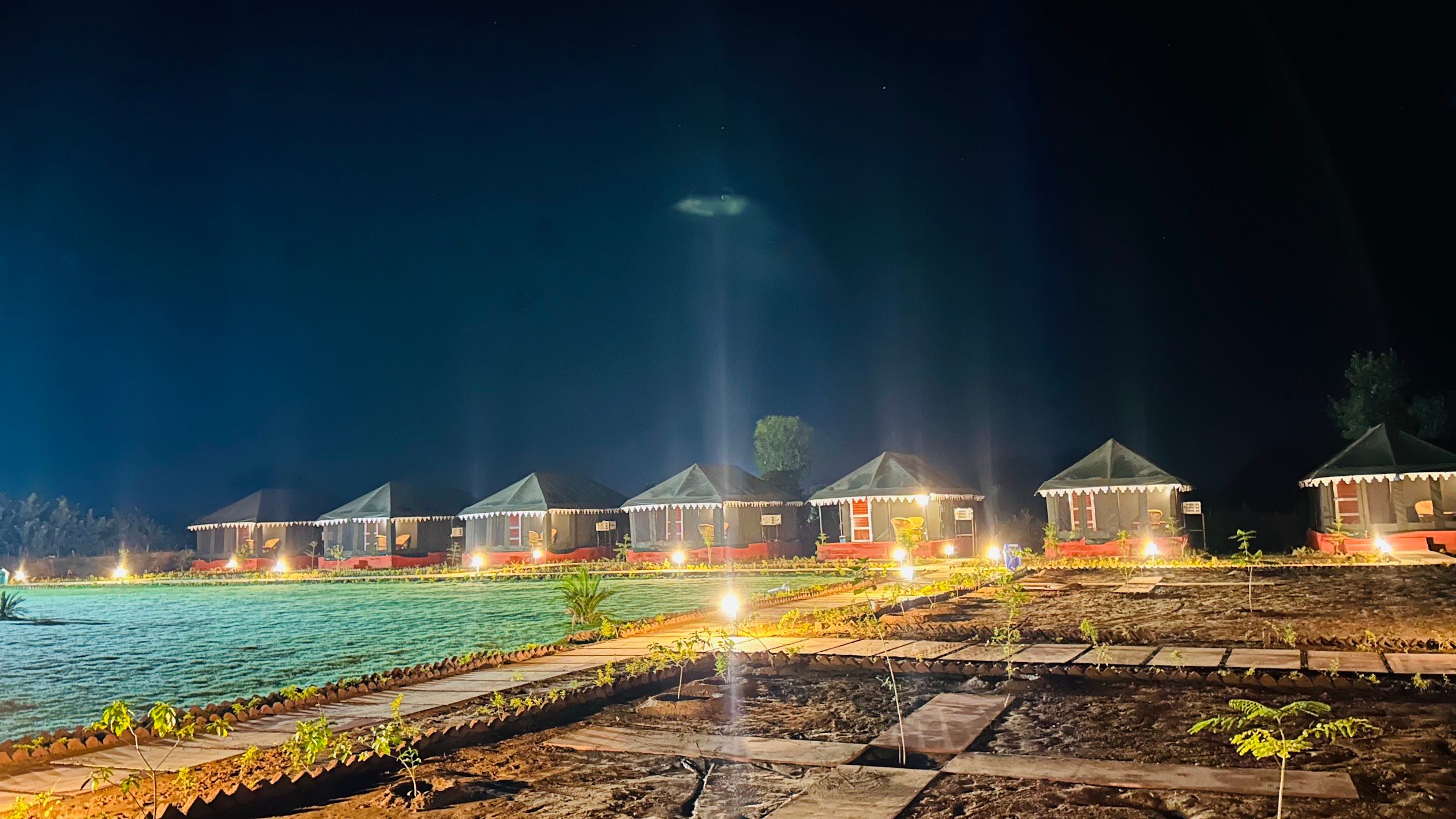
Ranthambhore offers a wide selection of accommodation styles set amidst rustic agrarian landscapes and natural buffer zones. Visitors can choose between charming wilderness camps with safari-style tents, peaceful farm homestays managed by warm local hosts, and secluded nature retreats surrounded by scrub forests.
Staying slightly away from the main town road gives you the opportunity to listen to night calls of the wild, enjoy clear stargazing under unpolluted skies, and wake up to the morning sounds of birds. You can explore a variety of trusted camps, homestays, and experiential stays around Ranthambhore directly on HireACamp.
Frequently asked questions
How many days are enough for a trip to Ranthambhore?
A stay of two to three days is ideal for Ranthambhore. This gives you enough time to go on three to four safari drives across different zones and spend half a day exploring the historic Ranthambhore Fort.
Which safari vehicle is better, a gypsy or a canter?
Gypsies are open six-seater jeeps that offer greater mobility, quieter movement, and better photography angles on narrow forest tracks. Canters are twenty-seater open buses that are comfortable, budget-friendly, and well suited for larger groups and families.
Is Ranthambhore open during the monsoons?
The main core zones of Ranthambhore National Park remain closed to tourists from July through September due to seasonal rains and tiger breeding. However, certain buffer zones usually stay accessible for wildlife drives throughout the year, though you should check current local schedules before planning.
Can I visit Ranthambhore Fort without a safari permit?
Yes, private vehicles and shared transport are generally permitted along the paved fort road leading up to the hill, allowing visitors and pilgrims to visit Ranthambhore Fort and the Trinetra Ganesha Temple without an advance forest safari booking.
What should I pack for morning safaris in winter?
Winter mornings in Ranthambhore can be chilly due to the open-top vehicles and forest breeze. Pack a thermal base layer, a fleece jacket or down coat, a muffler or beanie, and a dust scarf.
Where you'll be
1 stay nearby shown with prices
Stays near Ranthambhore
Book a place to stay close by
Things to do in Ranthambhore
26 places creators recommend within 30 km

Built from 0 Instagram posts by 0 creators. Every tip links back to the post it came from, and where creators disagree we show both sides.






