
Seven Mirror Lake
Lake near Ravangla, Sikkim
1 km from Ravangla
The nearest town, for stays, food and fuel.
Seven Mirror Lake is a serene high-altitude water body nestled along the forested ridges of South Sikkim near Ravangla and Gyalshing. Framed by temperate woodlands and panoramic vistas of the Eastern Himalayas, it attracts trekkers, photographers, and nature enthusiasts seeking a peaceful outdoor escape. The lake gets its name from its calm, mirror-like waters that reflect the shifting mountain skies and surrounding peaks.
Getting there
By road
- From RavanglaNearest town7 min · 1.9 km
Typical drive times without traffic. Stations and airports from OLA Maps; distances and typical drive times from OpenStreetMap (© OpenStreetMap contributors); notes from creators' Reels.
About Seven Mirror Lake
Written with AI from map data and general knowledge. Check prices and timings locally before you go.
About Seven Mirror Lake
Perched in the lush, elevated contours of South Sikkim, Seven Mirror Lake is a scenic highland water body situated within reach of Ravangla and Gyalshing. The lake is cradled by rich temperate forests dominated by oak, pine, and vibrant rhododendron trees. Known locally for its still, reflective surface that mirrors the shifting clouds and towering Himalayan peaks, the lake offers visitors an intimate encounter with Sikkim's untouched highland wilderness.
Lakes across Sikkim hold a deep spiritual and cultural resonance for resident mountain communities, and this tranquil body of water is treated with equal reverence. The surrounding slopes remain quiet and free of heavy commercialization, allowing travellers to experience the soothing sounds of highland breezes, rustling foliage, and indigenous mountain birds. It serves as an ideal retreat for those who appreciate silent trails and natural beauty over crowded sightseeing hubs.
Best time to visit Seven Mirror Lake
Planning your journey around Sikkim's distinct seasons is essential for getting the most out of a visit to Seven Mirror Lake. The spring months from March to May are among the most delightful periods to explore the area. During this window, the surrounding hillsides burst into colour as wild rhododendrons, magnolias, and alpine flowers come into full bloom. Daytime temperatures remain pleasant, making walking along the trails a comfortable and refreshing experience.
Another exceptional window occurs during the post-monsoon autumn season from October to late November. As the monsoon rains recede, the skies wash clean, offering crystal-clear visibility of the snow-capped Eastern Himalayan range. The crisp autumn air and steady sunshine provide ideal conditions for outdoor hiking and landscape photography.
The monsoon months from June through September bring heavy rainfall to South Sikkim, which often causes slick forest trails, leeches, and occasional roadblocks along the mountain highways. While the landscape is intensely green, outdoor travel during this season demands extra caution. Winter, spanning December to February, brings biting cold and frosty mornings, occasionally blanketing higher ridges in snow. If you choose to travel during winter, be sure to prepare for sub-zero night-time temperatures.
Read more
How to reach Seven Mirror Lake
Reaching Seven Mirror Lake typically involves travelling through the central and southern hubs of Sikkim, with Ravangla and Gyalshing serving as the key transit towns. If you are travelling from outside the region, the nearest major railhead is New Jalpaiguri (NJP) and the nearest operational airport is Bagdogra in West Bengal. From either hub, you can hire private taxis or board shared vehicles to travel up the Teesta and Rangit valleys toward South Sikkim.
The drive from the plains into the hills winds through dramatic river valleys, terraced farmland, and tea plantations before climbing up to the forested ridges of Ravangla. Once you reach the local base area, accessing the lake itself generally requires navigating local mountain roads followed by a scenic walk or trek along forest paths. Because trail conditions and access roads can vary depending on the season and recent weather, it is advisable to enquire locally in Ravangla or Gyalshing about the best access route before heading out.
Things to do around Seven Mirror Lake
The primary appeal of Seven Mirror Lake lies in its unhurried atmosphere and pristine natural environment. One of the most rewarding activities is trekking along the forest trails that approach the water. The path takes you through dense canopies of moss-draped trees, where you can observe native mountain flora and keep an eye out for diverse birdlife, including laughingthrushes, flycatchers, and sunbirds that frequent the temperate forest canopy.
Photography is another popular pastime around the lake. Early mornings offer breathtaking compositions as the calm water mirrors the morning light, drifting mists, and the silhouetted ridges beyond. For those looking to unwind, the banks of the lake provide a serene setting for quiet reflection, reading, or simply listening to the gentle rhythm of mountain life. Packing a modest trail lunch and spending several hours in contemplation is a wonderful way to absorb the tranquil energy of the landscape.
Essential tips for visiting Seven Mirror Lake
To ensure a safe and enjoyable journey, a bit of preparation goes a long way when heading to Seven Mirror Lake. Mountain weather can shift rapidly, with sunny skies giving way to dense fog or sudden drizzles in a matter of minutes. Wearing layered clothing, including a moisture-wicking base layer, an insulating fleece, and a reliable waterproof outer shell, is highly recommended regardless of the season.
Footwear is equally important. The trails leading toward the water can be damp, uneven, and covered in tree roots, so sturdy trekking shoes or hiking boots with good grip will keep you stable on steep sections. Carry enough drinking water in reusable bottles to stay hydrated throughout your walk, as well as light snacks or energy bars.
Because the lake sits in an ecologically fragile region, practice responsible tourism by leaving no trace behind. Avoid throwing plastic wrappers, bottles, or food waste on the trail or into the water, and bring back all your rubbish to town for proper disposal. Hiring a knowledgeable local guide from Ravangla or nearby settlements is a great way to support the local economy while ensuring you navigate the forest trails safely.
Places to explore near the lake
A journey to Seven Mirror Lake can easily be paired with other attractions in the surrounding South and West Sikkim regions. The pleasant town of Ravangla is known for its sweeping mountain vistas, vibrant Buddhist culture, and tranquil forested pathways. Visitors can spend time exploring the wider landscapes of the surrounding ridges and observing the peaceful daily routines of local Sikkimese mountain villages.
Further west lies Gyalshing and the historic heartland of Sikkim, where ancient monasteries, sacred lakes, and historical monuments dot the valleys. The region provides a deep dive into Sikkim's rich cultural legacy, traditional architecture, and centuries-old spiritual traditions. Combining the natural seclusion of Seven Mirror Lake with cultural explorations in nearby towns creates a balanced and deeply fulfilling travel itinerary.
Where to stay near Seven Mirror Lake
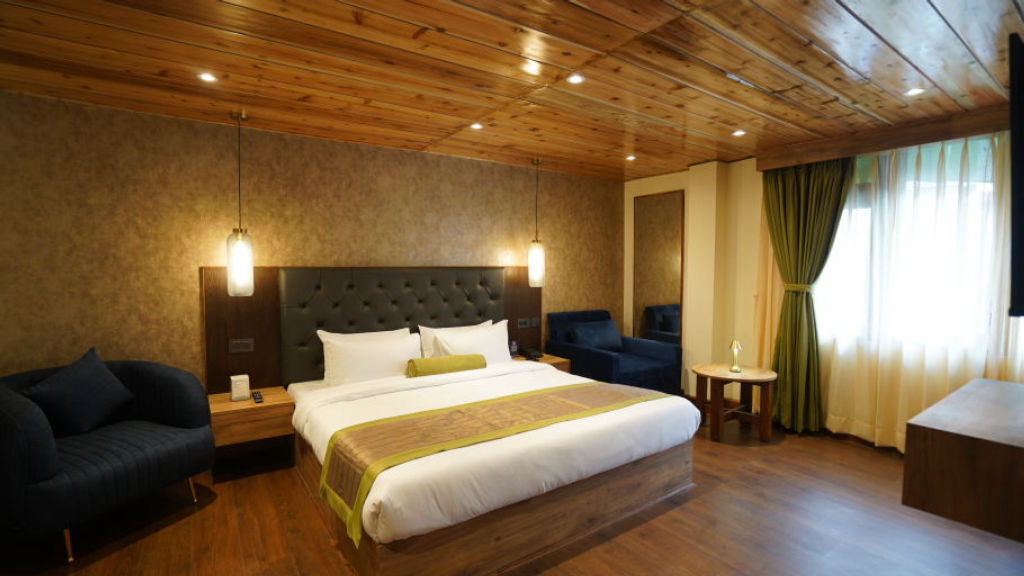
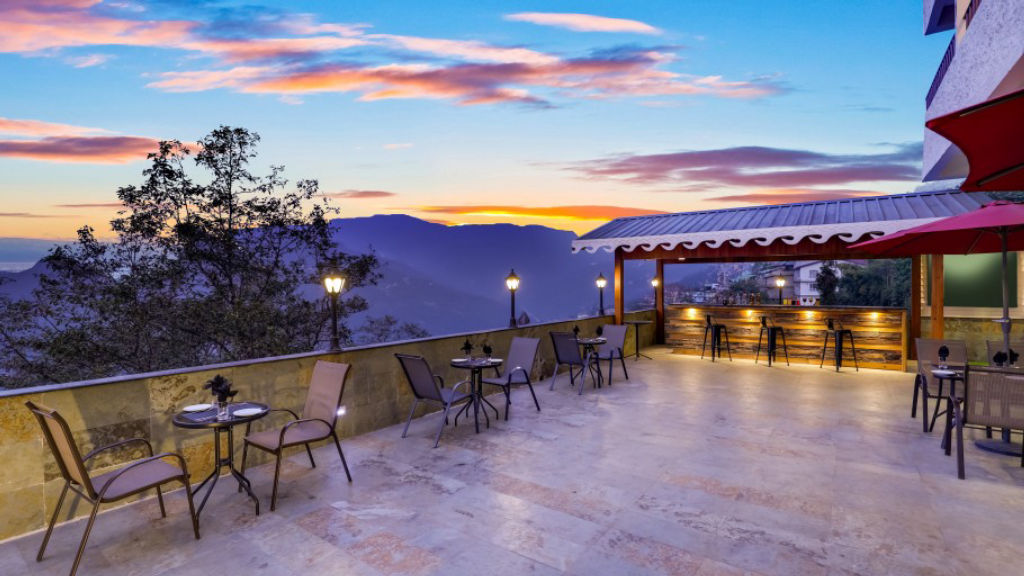
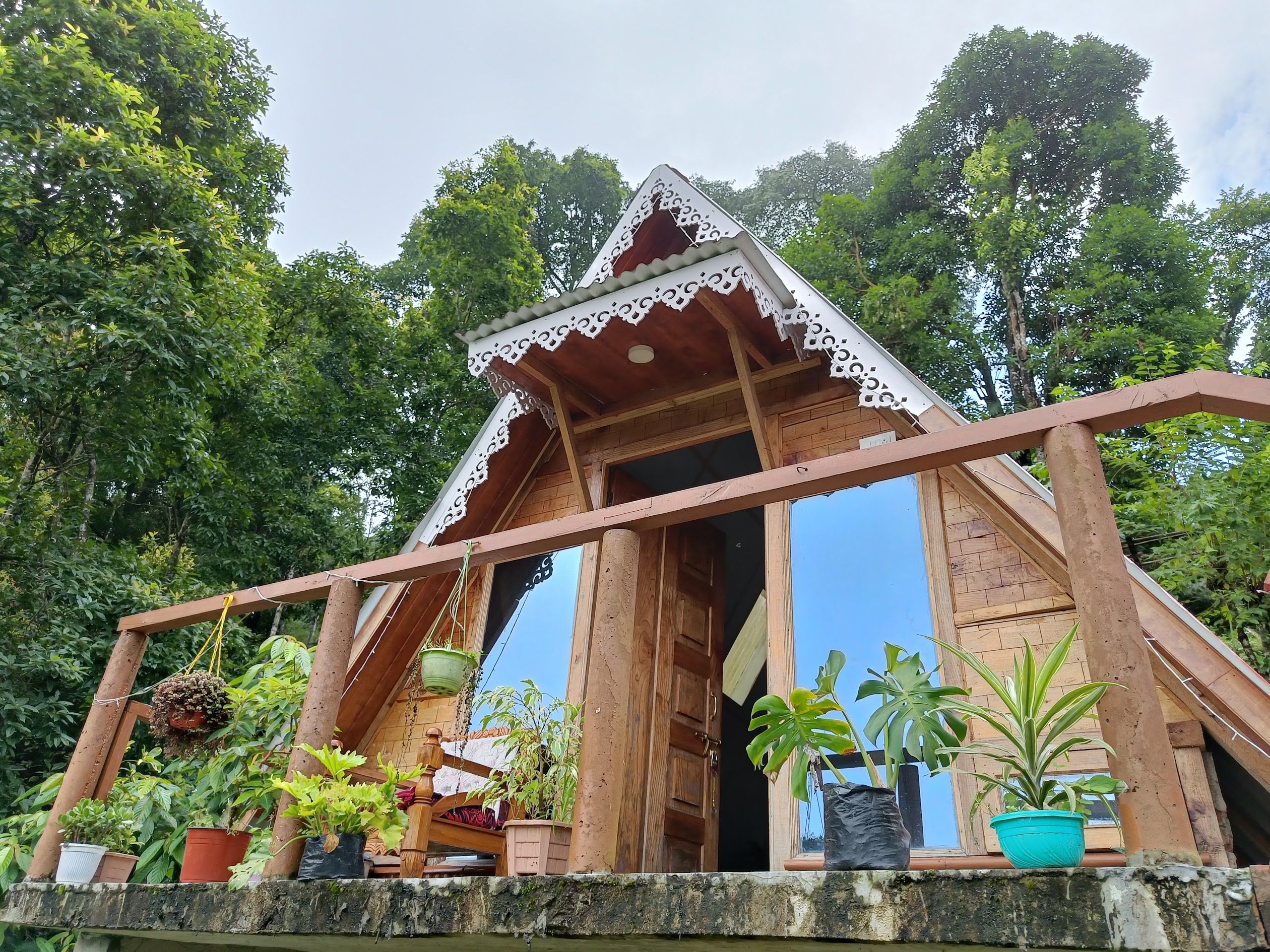
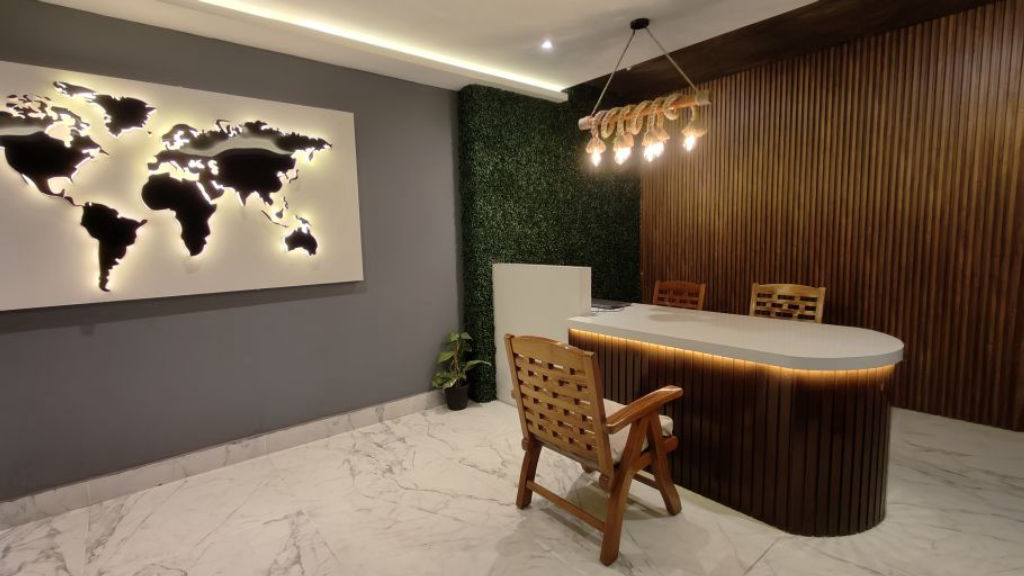
For travellers seeking an immersive experience close to nature, South Sikkim offers an appealing selection of accommodation options. You will find comfortable village homestays and scenic rural retreats scattered across Ravangla, Gyalshing, and the surrounding hamlets. Staying in a family-run homestay offers an authentic glimpse into Sikkimese warmth and home-cooked regional cuisine prepared with fresh local ingredients.
If you prefer sleeping closer to the wilderness, outdoor camping and nature stays are also popular in this region. You can find well-curated camps, homestays, and outdoor getaways in the hills of South Sikkim on HireACamp. Booking your stay in advance is particularly advisable during the peak spring and autumn trekking seasons to secure comfortable lodgings.
Frequently asked questions
Where is Seven Mirror Lake located?
Seven Mirror Lake is located in the highland ridge area of South Sikkim, near the towns of Ravangla and Gyalshing.
What is the best time of year to visit Seven Mirror Lake?
The best months to visit are from March to May for blooming rhododendrons and mild weather, and from October to November for clear skies and stunning mountain views.
Do I need to hike to reach Seven Mirror Lake?
Yes, visiting the lake generally involves travelling by vehicle to a trailhead near Ravangla or the surrounding ridges, followed by a walk along mountain and forest paths.
What should I wear when visiting the lake?
Wear sturdy trekking shoes with good grip and dress in layers, including a warm fleece and a windproof or waterproof jacket to adapt to rapid mountain weather changes.
Where can I stay when visiting Seven Mirror Lake?
You can stay in village homestays, nature retreats, or campsites in and around Ravangla and Gyalshing, which can be booked on HireACamp.
Where you'll be
Ravangla, South Sikkim, Ravong · 4 stays nearby shown with prices
Stays near Seven Mirror Lake
Book a place to stay close by
More places near Seven Mirror Lake
Within 20 km
Lists for this area
Ranked by how many creators recommend each place


Built from 0 Instagram posts by 0 creators. Every tip links back to the post it came from, and where creators disagree we show both sides.






