
Borong Hot Spring
Nature near Ravangla, Sikkim
7.5 km from Ravangla
The nearest town, for stays, food and fuel.
Borong Hot Spring, locally known as Borong Cha-chu, is a natural sulphur spring situated near the banks of the Rangit River in South Sikkim. Travellers make the downhill trek to these geothermal pools to soak in mineral-rich waters that have traditionally been valued for their restorative and therapeutic qualities. Surrounded by thick alpine forest and mountain riverbanks, it provides a quiet natural escape in the eastern Himalayas.
Getting there
By road
- From RavanglaNearest town1 hr 5 min · 27 km
Typical drive times without traffic. Stations and airports from OLA Maps; distances and typical drive times from OpenStreetMap (© OpenStreetMap contributors); notes from creators' Reels.
About Borong Hot Spring
Written with AI from map data and general knowledge. Check prices and timings locally before you go.
The Thermal Waters of Borong Hot Spring
Borong Hot Spring, known in the local language as Borong Cha-chu, emerges naturally along the steep river valley in South Sikkim. The spring water is naturally warm and infused with dissolved sulphur and various mountain minerals. For generations, people from across Sikkim and neighbouring hill regions have travelled here to bathe in the pools, believing the mineral composition helps ease joint pain, muscle fatigue, and various skin ailments.
Unlike developed commercial thermal resorts, Borong retains a rustic, nature-first character. The bathing spots are simple collection pools fed directly by the hot underground flow, shaded by wild mountain vegetation. Soaking in the gentle warmth while listening to the rushing mountain river below creates a grounding outdoor experience that attracts trekkers, pilgrims, and nature lovers seeking unhurried rest.
The Landscape and Natural Setting
The setting of Borong Hot Spring is defined by dramatic elevation changes, dense subtropical and temperate foliage, and the coursing waters of the Rangeet river system. Located below the hillside hamlet of Borong near Ravangla, the spring sits deep within an untouched river gorge. Tall stands of oak, bamboo, rhododendron, and wild ferns frame the approaches, keeping the trail shaded and rich with earthy forest scents.
Because the surrounding forests are largely undisturbed, the area is also known among birdwatchers. Early mornings around the riverbank offer sightings of varied Himalayan bird species, including laughingthrushes, flycatchers, and sunbirds. The contrast between cool mountain breezes and the steaming thermal pools creates an atmospheric, quiet retreat far from busy town centres.
Read more
Trekking and What to Expect on the Trail
Reaching the hot spring involves a foot descent from the roadhead down into the river valley. The path winds downhill through terraced fields, dense woodland, and occasional rocky patches. While not technical mountaineering, the trail can be steep and requires moderate physical fitness, particularly for the return journey where you must climb back up the same elevation.
Along the path, hikers are treated to glimpses of distant snow-crested ridges between the tree canopies and sweeping views down into the river basin. Depending on your personal pace and trail conditions, the walk takes between one to two hours each way. Sturdy footwear is helpful, as moist foliage and loose stones along the riverbank can be slippery.
Best Time to Visit Borong Hot Spring
The prime season for visiting Borong Hot Spring runs through the cooler and dry months, from November to March. During late autumn and winter, daytime temperatures in South Sikkim are crisp, making a soak in the hot mineral pools particularly pleasant. The skies are generally clear, offering broad visibility of the surrounding hills, and trail conditions remain stable and dry.
Spring, from March to May, brings pleasant daytime weather and flowering rhododendrons across the higher ridges, though water levels in the river slowly start to shift. The summer and monsoon period between June and September is generally unadvisable for visiting the spring. Heavy Himalayan rains can make riverbank trails muddy, trigger local landslides, and occasionally swell the river, flooding the low-lying thermal pools.
How to Reach Borong Hot Spring
Borong Hot Spring is located in South Sikkim, with the nearest transit hubs and administrative towns being Ravangla and Gyalshing. Travellers arriving by train typically disembark at New Jalpaiguri Railway Station in West Bengal, while air travellers land at Bagdogra Airport or Pakyong Airport near Gangtok. From these transport centres, private and shared taxis run up into the hills towards Ravangla and Borong.
The drive passes through steep valleys, tea gardens, and forested slopes before arriving at the roadhead near Borong village. From the village or road junction, access to the hot spring is on foot via the valley trail. It is advisable to consult with locals in Borong or Ravangla before heading down to confirm current trail accessibility and river levels.
What to Pack for Your Visit
A day trip to Borong Hot Spring requires practical preparation since there are no shops or services at the water's edge. Trekkers should wear lightweight, quick-drying clothing and sturdy hiking shoes with reliable tread for the downhill and uphill hike. Carry comfortable swimwear or a change of clothes, along with a towel and a waterproof dry bag to safely store damp items after bathing.
Bring a refillable water bottle and high-energy snacks for the steep return climb. In winter, warm layers such as fleece pullovers and windbreakers are necessary once you step out of the warm water and face the cool mountain air. Basic personal care items, bio-friendly soap if used away from the stream, and a small first-aid pouch for minor trail scrapes will ensure a comfortable outing.
Where to Stay Near Borong Hot Spring
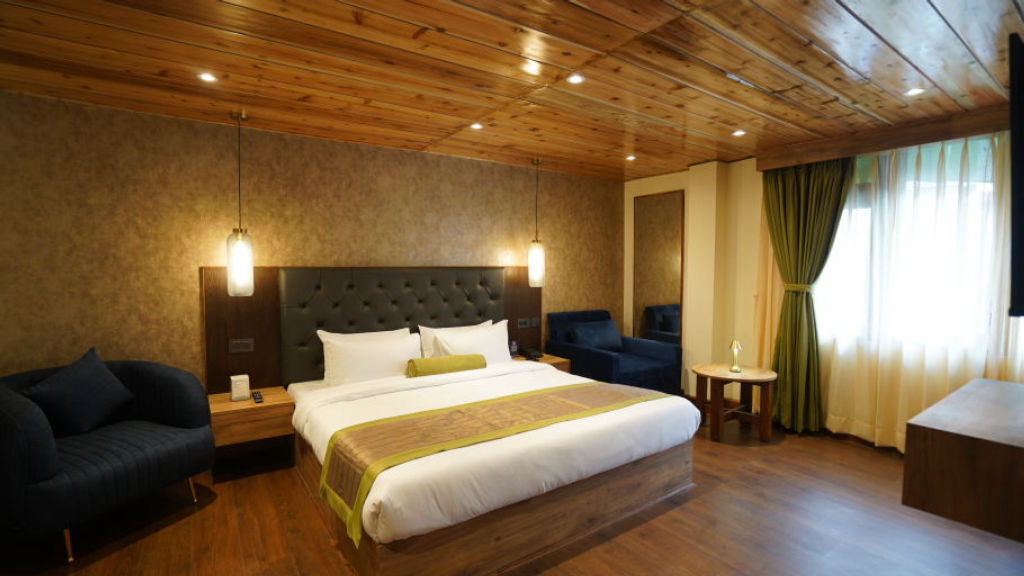
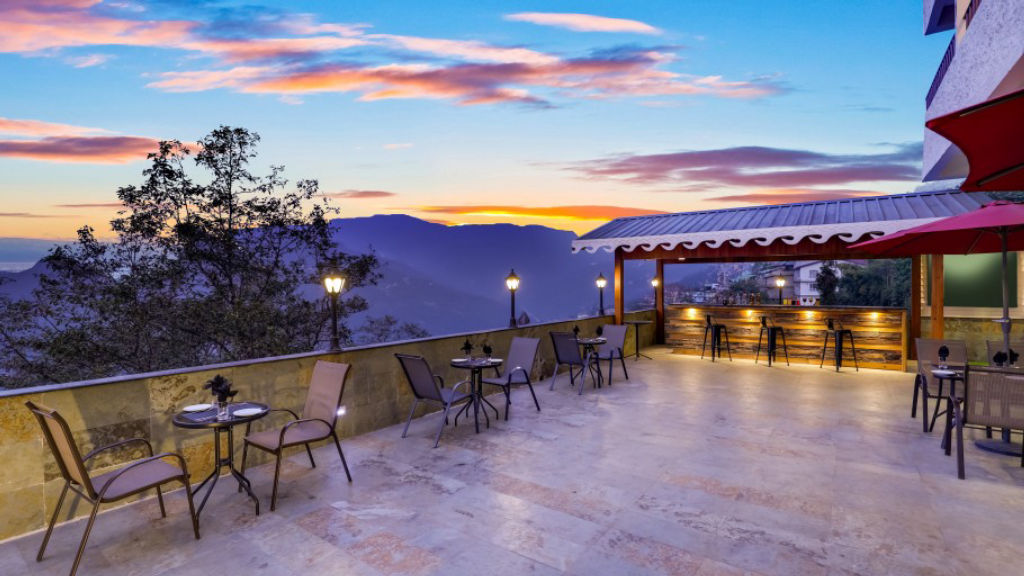
Accommodation options are clustered higher up in the surrounding hills in villages like Borong and the neighbouring town of Ravangla. Staying in the area allows you to start your hike early in the morning and return to peaceful mountain quarters by late afternoon.
Local options range from family-run mountain homestays to nature lodges and countryside retreats with views of mountain ranges and terraced valleys. You can find camps, village homestays, and outdoor getaways around Borong and South Sikkim on HireACamp, giving you a restful base to enjoy the serene landscape before and after your trek.
Frequently asked questions
Where is Borong Hot Spring located?
Borong Hot Spring is located near Borong village in the Ravangla subdivision of South Sikkim, set along the banks of the Rangeet river valley.
Can you drive directly to Borong Hot Spring?
No, you cannot drive directly to the water's edge. Vehicles drop visitors near Borong village, and the remainder of the journey is an on-foot hike down into the river gorge.
Is the water at Borong Hot Spring clean for bathing?
The pools are fed by natural subterranean thermal springs containing sulphur and minerals, which flow continuously and are traditionally used for therapeutic baths.
What is the best season to bathe in the spring?
The winter months from November to February are the most popular time to visit, when the cold air makes the warm thermal water particularly restorative and river levels are stable.
Are there changing facilities at Borong Hot Spring?
Facilities at the natural hot spring are rudimentary or non-existent, so visitors should be prepared for rustic conditions and carry dry bags for their clothing and towels.
Where you'll be
Ravangla, Borong, South Sikkim · 2 stays nearby shown with prices
Stays near Borong Hot Spring
Book a place to stay close by
More places near Borong Hot Spring
Within 20 km
Lists for this area
Ranked by how many creators recommend each place


Built from 0 Instagram posts by 0 creators. Every tip links back to the post it came from, and where creators disagree we show both sides.






