
Rinchenpong Monastery
Monastery near Kaluk, Sikkim
1.5 km from Kaluk
The nearest town, for stays, food and fuel.
Rinchenpong Monastery is a historic Tibetan Buddhist monastery situated along the scenic forested ridge between Kaluk and Soreng in Sikkim. Established in the early eighteenth century, it is famed for its spiritual serenity, intricate traditional architecture, and rare religious relics. Travellers and pilgrims visit to experience its deep meditative quiet and to take in panoramic vistas of the snow-clad Kanchenjunga range.
Getting there
By road
- From KalukNearest town12 min · 3.4 km
Typical drive times without traffic. Stations and airports from OLA Maps; distances and typical drive times from OpenStreetMap (© OpenStreetMap contributors); notes from creators' Reels.
About Rinchenpong Monastery
Written with AI from map data and general knowledge. Check prices and timings locally before you go.
About Rinchenpong Monastery
Perched on a forested mountain ridge in western Sikkim, Rinchenpong Monastery stands as one of the oldest and most revered sanctuaries in the region. The monastery is situated at an elevation of approximately 1,700 metres above sea level, commanding a quiet promontory that overlooks rolling valleys, terraced farmland, and the towering peaks of the Eastern Himalayas.
The complex embodies the quintessential charm of Sikkim's monastic heritage. A gentle, stone-flagged uphill trail fringed by tall prayer flags, dense rhododendron, and oak woods leads travellers to the monastery courtyard. Far from noisy transit hubs, the sanctuary offers a tranquil mountain environment that invites unhurried contemplation, leisurely walks, and deep cultural appreciation.
History and spiritual significance
Founded in the early 1700s, Rinchenpong Monastery holds deep historical roots as the third oldest monastery in Sikkim. It belongs to the Nyingma order of Tibetan Buddhism, which is the oldest of the four major schools. Over the centuries, it has served as a central hub of religious study, communal worship, and regional festival gatherings for surrounding villages.
Inside the main prayer hall, visitors will find richly adorned interiors lined with ancient thangka paintings, carved wooden pillars, and painted murals depicting deities and Buddhist cosmology. The monastery is particularly noted for housing a rare statue of the Ati Buddha, depicted in the primordial Yab-Yum posture. This sacred iconography represents the indivisible union of wisdom and compassion, drawing scholars and spiritual seekers from across the Himalayas.
Read more
The scenic landscape and surroundings
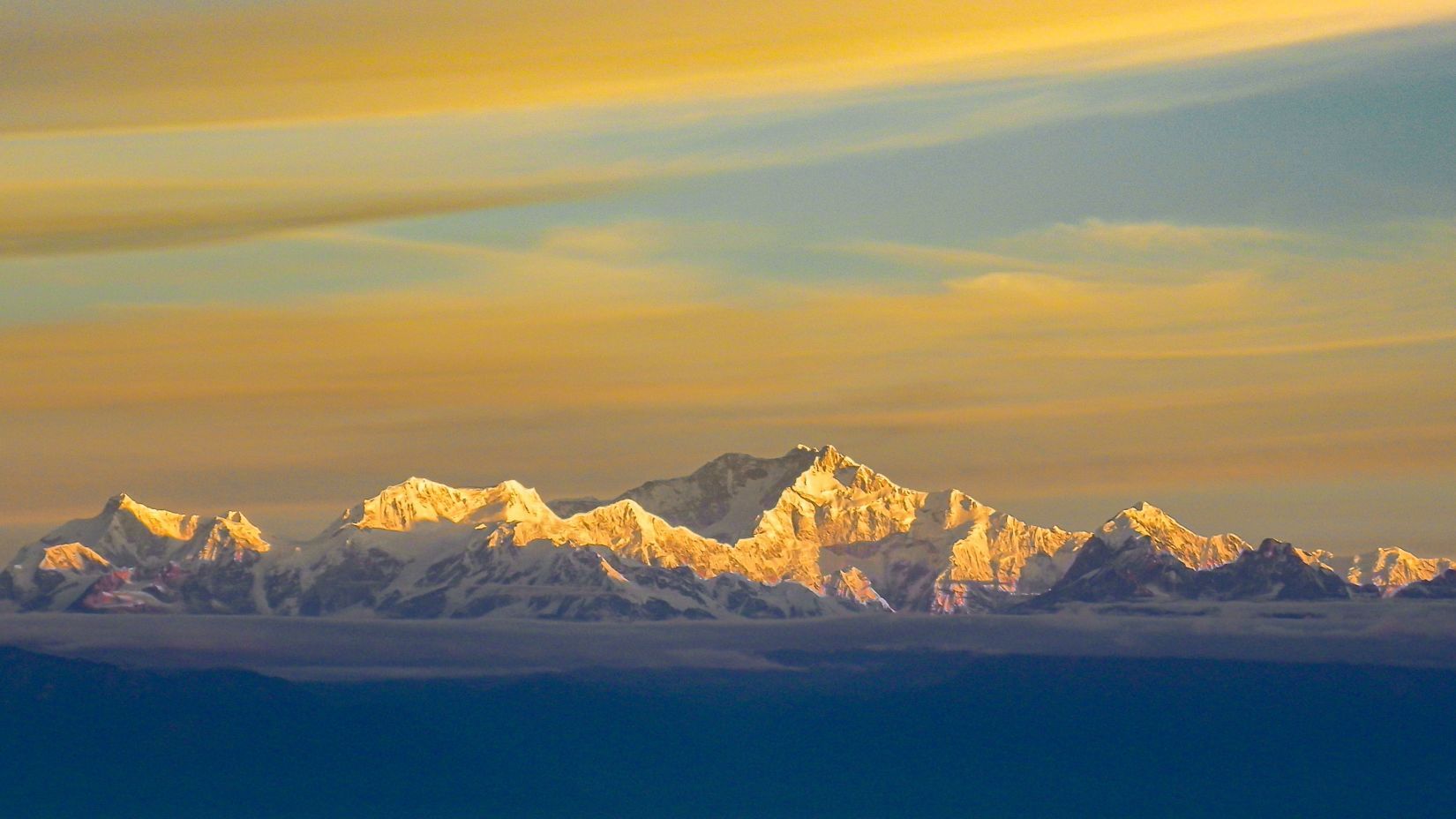
The setting of Rinchenpong Monastery is as striking as its cultural heritage. The monastery grounds offer expansive views across the valleys toward the Kanchenjunga massif. On crisp mornings, the snow-draped ramparts of the high Himalayas glow in soft shades of amber and gold before settling into brilliant white under the mountain sun.
The approach to the monastery is an attraction in its own right. Thick canopies of pine, chestnut, and vibrant rhododendron trees shade the footpaths, creating ideal habitats for Himalayan bird species. The crisp mountain air and the rhythmic flutter of colorful prayer flags create an immersive, peaceful environment that encourages slow exploration on foot.
Best time to visit Rinchenpong Monastery
The ideal time to plan a visit to Rinchenpong Monastery is during the autumn and spring months, specifically from October to November and from March to May. Autumn brings crystal-clear blue skies, crisp air, and the highest probability of unobstructed views of Mount Kanchenjunga and adjacent peaks. Spring brings a different charm, as the surrounding forests bloom with wildflowers and colorful rhododendrons, accompanied by mild daytime temperatures.
Winter, spanning December through February, is quite cold with sharp morning and evening chills, though the skies often remain clear and scenic. The summer and monsoon period between June and September brings heavy rainfall to Sikkim. Monsoons envelope the ridges in dense fog, dampening trail conditions and increasing the likelihood of road delays, though the hillsides turn extraordinarily lush and green.
How to reach Rinchenpong Monastery
Rinchenpong Monastery is situated along the Kaluk to Rinchenpong road in the Soreng district of Sikkim. The nearest major railway station is New Jalpaiguri in West Bengal, and the nearest commercial airport is Bagdogra. Both transit points connect directly to major Indian metropolitan centres.
From Bagdogra or New Jalpaiguri, you can hire a private taxi or board shared transport that travels through the Teesta and Rangit river valleys into Sikkim via Melli and Jorethang. The drive from the plains into the hills typically takes between four and five hours, depending on weather and road conditions. From the nearby settlement of Soreng or the ridge town of Kaluk, local taxis and shared vehicles easily navigate the scenic mountain roads up toward the monastery gate.
Local heritage and nearby walks
Beyond the central prayer hall of Rinchenpong Monastery, the immediate area holds several points of historical and natural interest. A short walking track nearby leads to Poison Pokhari, a historic pond that features prominently in local folklore. During the Anglo-Nepalese conflict, Lepcha warriors were said to have poisoned the water source to thwart invading troops, lending the pond its storied name and place in local memory.
Further along the ridge, nature trails branch off into native woodlands and connect to the nearby British-era heritage bungalow and quiet village hamlets. Walking between Rinchenpong and Kaluk provides opportunities to observe local Lepcha and Bhutia farming life, admire traditional terraced homesteads, and sample locally harvested fruits and mountain vegetables.
Tips for your visit
When visiting Rinchenpong Monastery, visitors are encouraged to maintain decorum and respect the contemplative nature of the grounds. Dress modestly with shoulders and knees covered, and remove your footwear before entering the inner prayer hall. Always walk clockwise around shrines, stupas, and prayer wheels in accordance with Buddhist customs.
Photography regulations may vary inside the sanctum, so it is best to ask permission from the resident monks before taking pictures indoors. Pack a pair of sturdy walking shoes for the gentle uphill trails leading to the complex. Because mountain weather can change quickly even during clear seasons, carrying a warm outer layer or light fleece is always recommended.
Where to stay near Rinchenpong Monastery
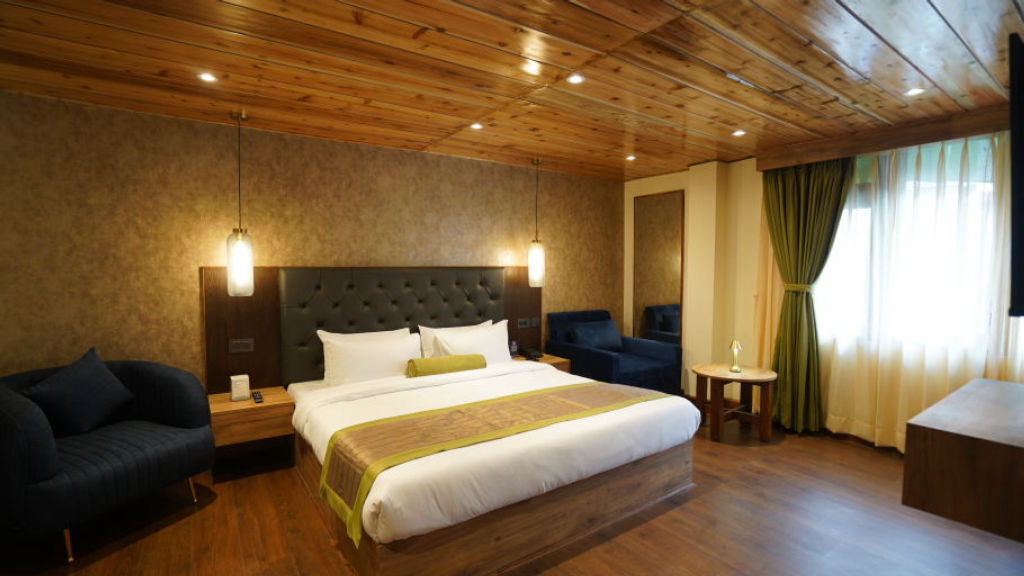
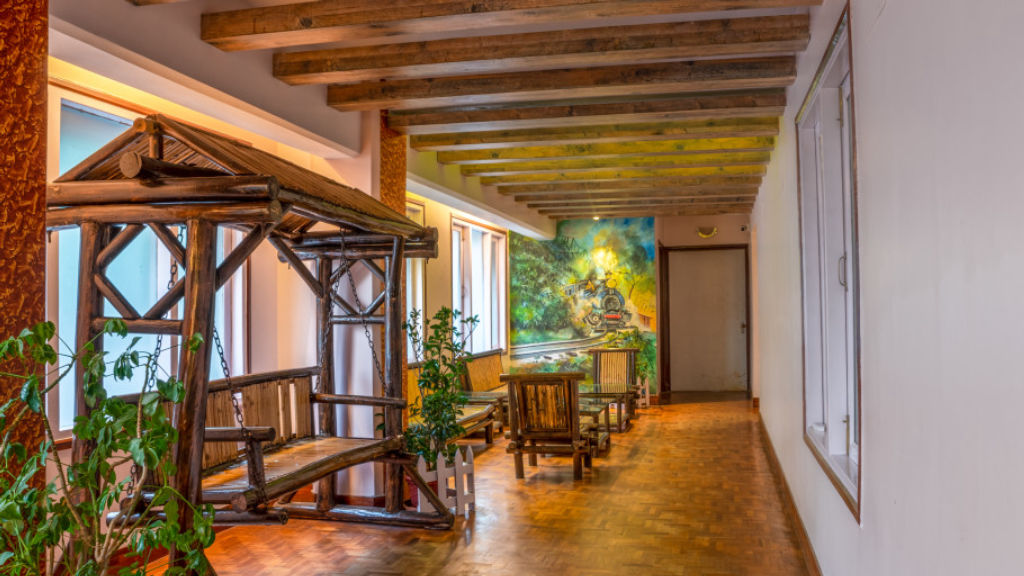
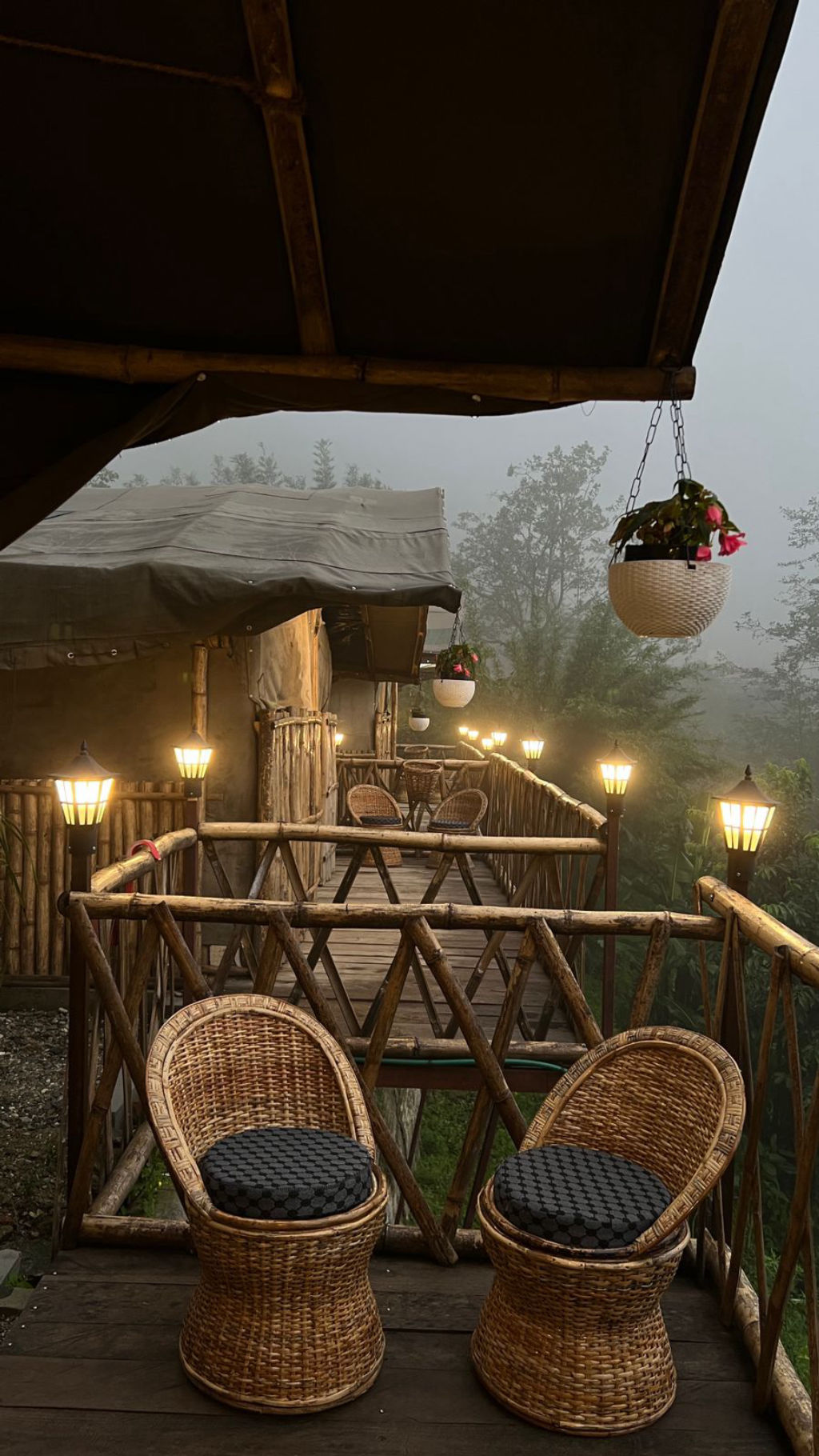
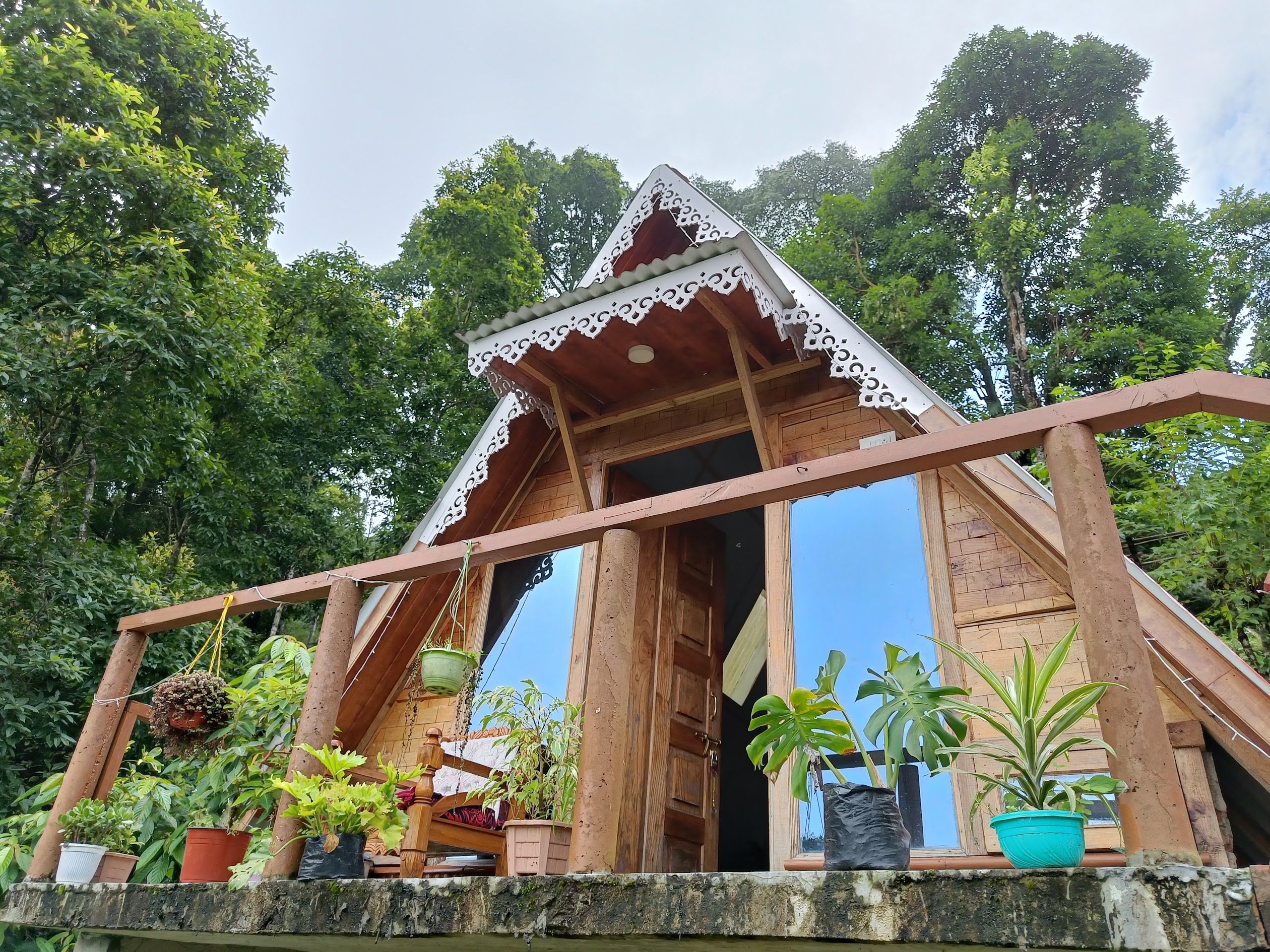
The ridge around Soreng and Kaluk offers a restful escape, with quiet countryside accommodation options that blend harmoniously into the terraced hillsides. Staying nearby allows travellers to reach the monastery early in the day to witness morning prayers and clear sunrise views over the peaks.
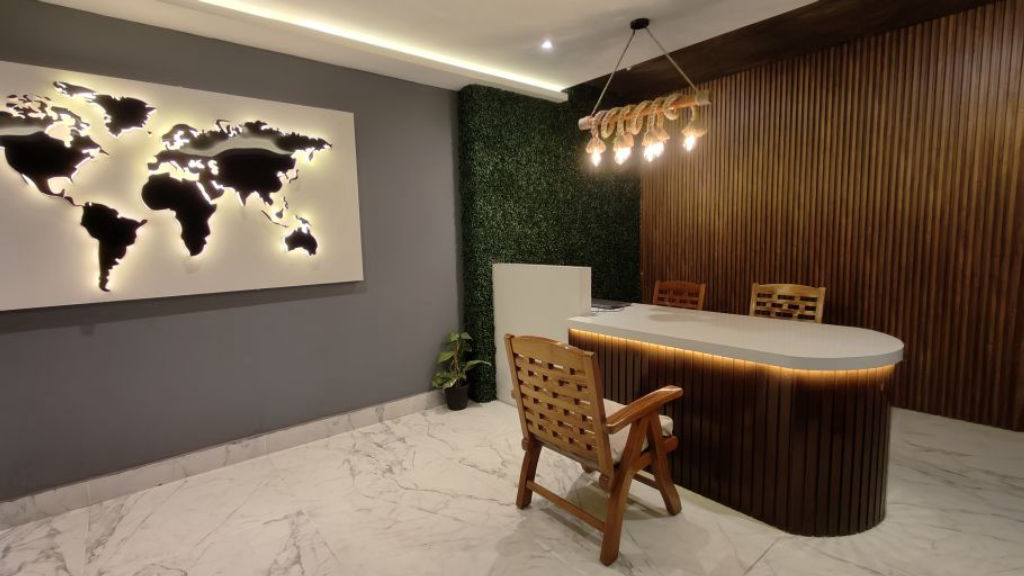
You can find traditional homestays, nature retreats, and eco-friendly campsites in the surrounding valleys through HireACamp. These stays provide genuine local hospitality, home-cooked Sikkimese meals made with organic valley produce, and immersive access to the area's walking trails.
Frequently asked questions
What is Rinchenpong Monastery famous for?
Rinchenpong Monastery is famous for being one of Sikkim's oldest monasteries, established in 1727, and for housing a rare statue of the Ati Buddha in the Yab-Yum posture, alongside its magnificent views of Mount Kanchenjunga.
Where is Rinchenpong Monastery located?
The monastery is located along the Kaluk-Rinchenpong Road in the Soreng district of West Sikkim, surrounded by lush forested ridges.
Can visitors attend morning prayers at the monastery?
Visitors are generally welcome to quietly observe monastic routines and prayer sessions, provided they maintain silence and check locally with resident monks regarding specific schedules.
Is a permit required to visit Rinchenpong Monastery?
Indian citizens do not require special permits to visit this area, while foreign nationals must possess a valid Inner Line Permit to travel within Sikkim.
What is the walking distance from the main road to the monastery?
From the designated drop-off point and vehicle road, a gentle stone trail through the woods takes roughly ten to fifteen minutes of walking to reach the monastery entrance.
Where you'll be
Rinchenpong Monastery, Kaluk - Rinchenpong Rd, Soreng · 6 stays nearby shown with prices
Stays near Rinchenpong Monastery
Book a place to stay close by
More places near Rinchenpong Monastery
Within 20 km


Lists for this area
Ranked by how many creators recommend each place


Built from 0 Instagram posts by 0 creators. Every tip links back to the post it came from, and where creators disagree we show both sides.






